
In brief: If you have rats in your home, act quickly. Look for signs such as droppings, gnaw marks, and smear marks. Remove food sources, seal entry points, and use effective traps such as the "ratStop" trap. For a large infestation, contact a pest control professional.
A rustling sound in the ceiling. A cable gnawed behind a cupboard. These are sounds and signs nobody wants to encounter at home. A rat infestation is more than unpleasant: it poses a serious health risk and can cause significant damage to your home and electrical systems. Act quickly and decisively. This guide explains how to control a rat infestation effectively and protect your home over the long term.
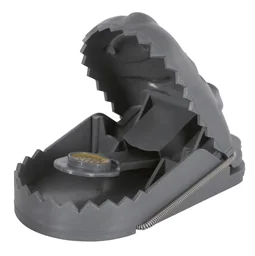
The first and most important step is to set a reliable trap in the right place. The : "ratStop" rat trap gives you the power and precision to tackle the problem directly. Its sturdy construction and sensitive trigger make it an essential tool for controlling rodents. Place it along rat runways to catch them quickly and effectively.
How can I tell if there are rats in my house?
Rats are shy and mostly active at night, so you rarely see them. Instead, look for the telltale signs they leave behind. Spotting an infestation early can keep a few rats from becoming a much bigger problem.
Clear signs of rats
Droppings and other traces are the clearest evidence of rats. Look for these signs:
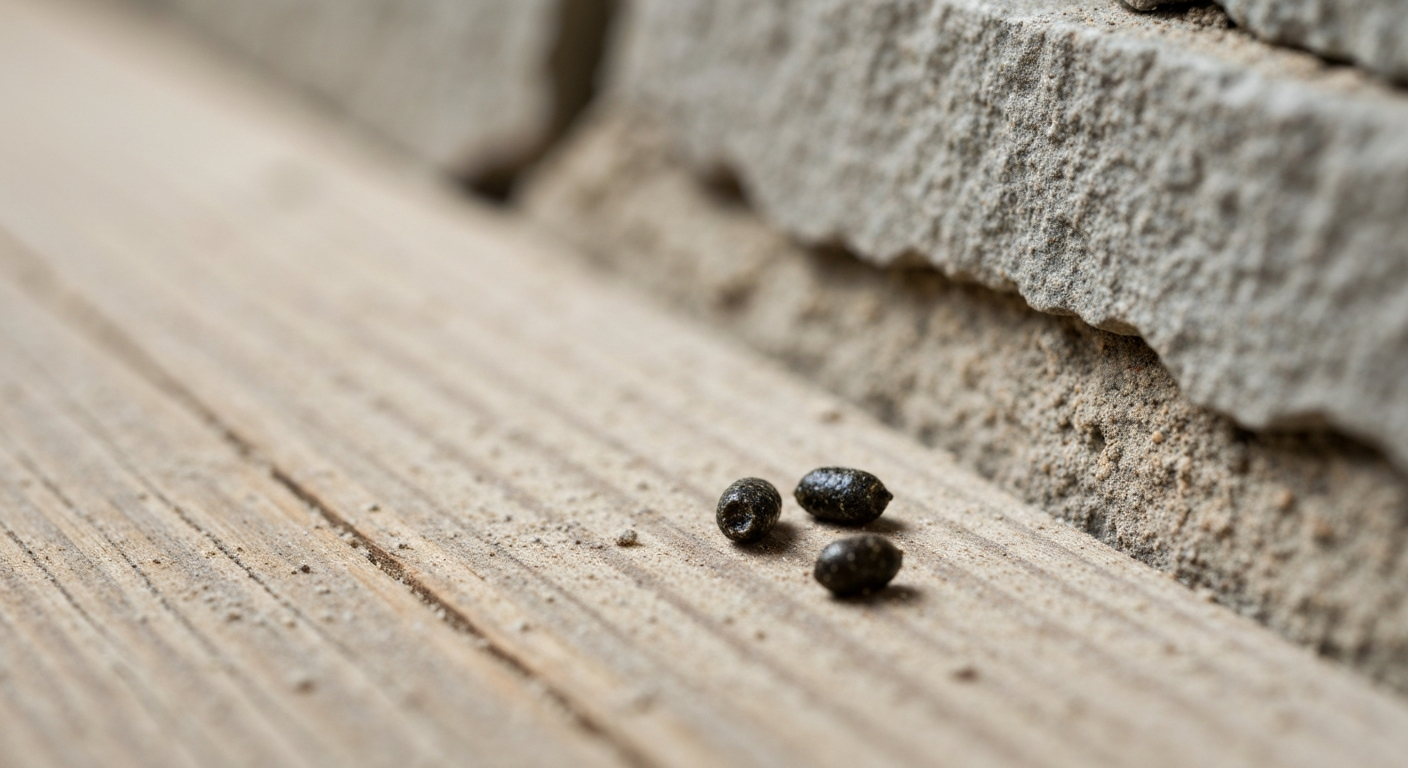
- Droppings: Rat droppings are dark, spindle-shaped, and about one to two centimeters long. You’ll often find them in clusters along runways, in corners, or near food sources. Fresh droppings are soft and glossy; older ones are dry and dull.
- Gnaw marks: A rat’s incisors grow continuously, so rats need to gnaw. Check wood, plastic, cables, and furniture for parallel, groove-like marks. Gnawed electrical cables are especially dangerous because they pose a serious fire risk.
- Smear marks: Rats tend to travel along walls and masonry. Their body oils and dirt leave dark, greasy streaks on baseboards and walls, and around openings.
- Pungent smell: A severe infestation can cause a distinct, sharp smell of ammonia and musk. The odor comes from rat urine and is often strongest in enclosed spaces such as basements or attics.
Telltale sounds
In the quiet of night, you may hear the rodents moving around. Listen for scratching, scurrying, or scampering sounds in the walls, ceiling, or beneath the floorboards. Soft squeaking can also be a sign of rats. Take these sounds seriously: they’re a clear warning that you may have an infestation.
Most people don’t notice rats until the population is already established. When you hear or see the first signs, don’t wait to act. Every day counts when rats can breed so quickly.
Immediate action: What should you do at the first signs of rats?
If you’ve found signs of rats, don’t delay. A quick, systematic response is key. Stay calm and follow these steps to get the situation under control.
Setting traps: your first line of defense
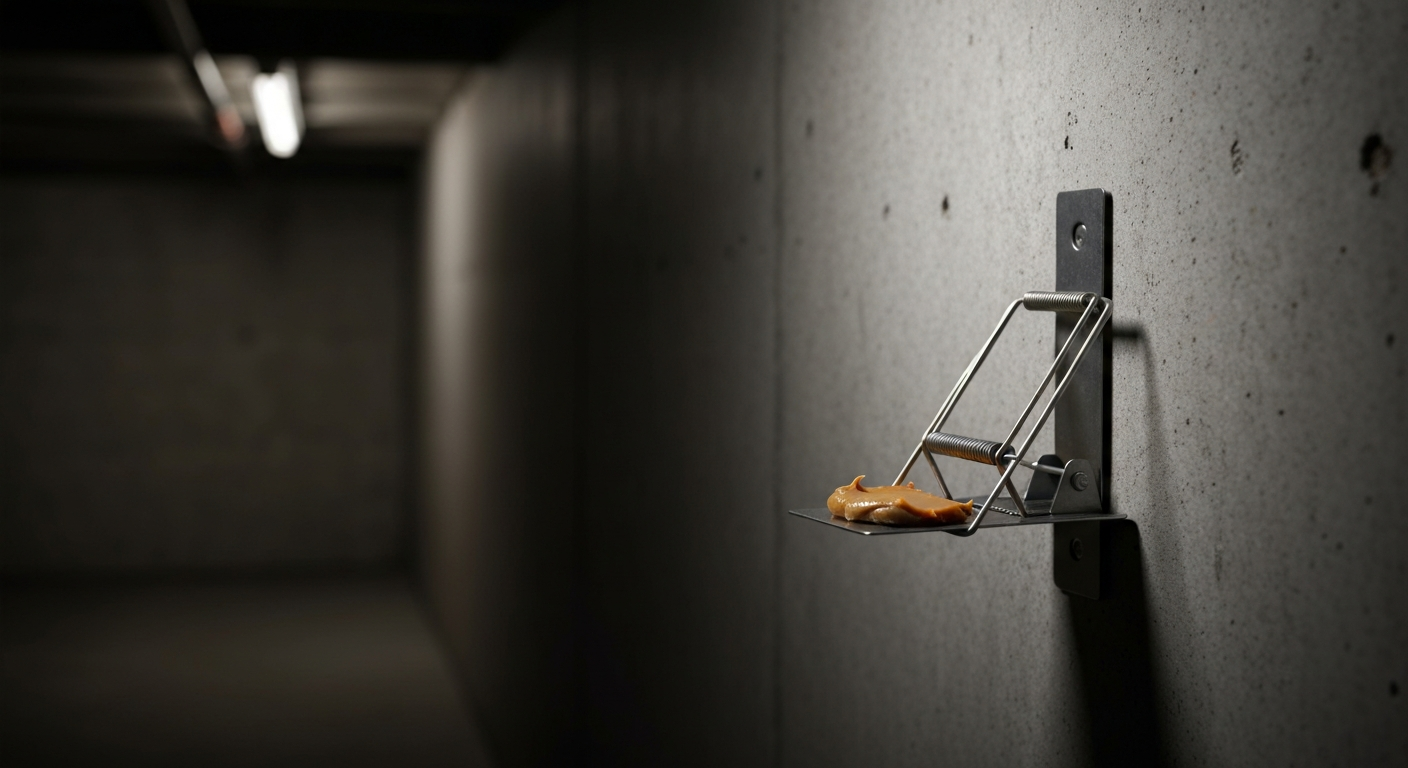
Traps are a direct way to control an infestation. The previously mentioned : "ratStop" rat trap is ideal for this purpose. Place it along a known runway, with the bait facing the wall. Rats avoid open spaces and use walls to find their way around. Placing the trap this way increases your chances of catching them.
Choosing the right bait
Rats can be picky. A dry piece of bread often isn’t enough. Use a strong-smelling, protein-rich bait to attract them. Options that often work well include:
- Peanut butter
- Chocolate-hazelnut spread
- Bacon pieces
- Dried fruit
- Chocolate
Secure the bait firmly to the trigger so the rat can’t take it without setting off the trap.
Expert tip
Set several traps at once, even if you suspect there’s only one rat. Wear gloves when setting and baiting traps. Rats can detect human scent and may avoid traps that smell like people.
How can I get rid of rats and control them effectively?
One trap is a good start, but lasting rat control takes a well-planned strategy that combines several methods. The right approach depends on the size of the infestation and the conditions in your home.
The right trap for every situation
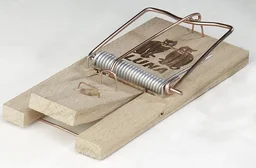
Along with modern plastic traps, there are tried-and-true options. A traditional : wooden rat trap is an affordable, effective option when you want to set traps in several places at once. Its simple yet powerful mechanism has proven itself over decades. Using different types of traps together can help catch wary rats. Live traps are a humane alternative, but you’ll need to release the captured rat several miles away so it doesn’t return.
Chemical control with rat poison
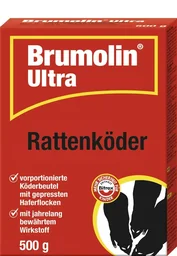
For a larger or persistent infestation, poison bait may be necessary. Products such as : Brumolin Ultra rat bait contain active ingredients that take effect over time. This delay can help prevent rats from becoming suspicious and alerting others to the bait. It can make it possible to reduce even larger populations.
Important note
Rat poison is highly toxic. Only place poison bait in special bait stations to keep children, pets, and other wildlife from reaching it. Put the stations in inaccessible locations and follow the manufacturer’s directions for use and safety precautions exactly.
Prevention: How can I keep rats out of my house?
The best rat control is the kind you never need. Thorough prevention makes your home unattractive and inaccessible to rats. This is the most important step toward keeping your home rat-free.
Block entry points
Walk around your house and look for potential entry points. Rats can squeeze through gaps barely larger than a thumb. Seal all openings carefully:
- Seal cracks and holes in the foundation and exterior walls with mortar.
- Secure openings for pipes and cables with steel wool or a specialized sealant.
- Fit basement windows and ventilation openings with close-mesh metal screens.
- Check and repair damaged or leaking sections of the house drainage system, as these are common entry points.
Additional advice
Use materials that rats cannot gnaw through to seal holes. Steel wool, wire mesh, or broken glass mixed with filler are effective barriers. Expanding foam alone is unsuitable because rats can easily chew through it.
Remove food sources
Where there is nothing to eat, rats will not stay for long. Make your home a place with little food available:
- Store all food, including pet food, in tightly sealed containers made of metal, glass, or thick plastic.
- Do not leave dirty dishes overnight, and clean up food scraps immediately.
- Use trash cans with tightly fitting lids and keep garbage bags out of reach until pickup.
- If you have a bird feeder, clean up spilled food regularly, as it attracts rodents.
Make your garden less attractive
An untidy garden offers rats ideal hiding places. Keep the area around your home clean. Remove clutter, woodpiles placed directly against the house, and dense vegetation. A well-maintained garden is less inviting. Also secure sheds, garages, and greenhouses. Damaged areas can often be sealed easily with sturdy greenhouse film & mesh sheeting or wire mesh.
When should I call a professional pest control expert?
Sometimes your own efforts are not enough. Do not hesitate to seek professional help if any of the following applies:
- The rat infestation continues to grow despite your efforts.
- You see rats during the day—a sign of a very large population.
- The infestation affects hard-to-reach areas, such as the sewer system or inside walls.
- You feel overwhelmed or unsure about the situation.
An expert can identify the cause of the infestation precisely and has access to professional methods and active ingredients that are not available for private use.
DIY efforts can achieve a lot, but there comes a point when professional expertise is essential. A pest control expert analyzes the entire environment and develops a tailored plan that addresses not only the symptoms but also the root cause of the problem.
A rat infestation is a serious matter, but there is no need to panic. By acting quickly, using the right tools, and taking consistent preventive measures, you can effectively protect your home. Identify the signs, take immediate action with the right traps and bait from Westfalia, and turn your house into an impenetrable fortress for rodents.
Frequently asked questions
- What attracts rats to a house?
- Food left uncovered, unsecured trash, compost heaps containing food waste, and pet food attract rats. Structural defects, such as cracks in masonry or leaking pipes, also give them easy access to your home.
- How quickly do rats reproduce?
- Rats reproduce extremely quickly. A female can have up to six litters per year, with up to 12 young in each litter. That is why acting quickly at the first signs of an infestation is essential to prevent a serious pest problem.
- What is the best bait for rat traps?
- Rats love protein- and fat-rich baits. Peanut butter, hazelnut spread, bacon, and dried fruit are all very effective. If the trap is ignored, change the bait to make it more appealing.
- Is rat poison dangerous in the house?
- Yes, rat poison is highly toxic and can be life-threatening to children and pets. Only use poison bait in secure bait stations and in places that are completely inaccessible to children and pets. Always follow the safety instructions.
- Can I touch a rat with my bare hands?
- Never handle dead or live rats without thick protective gloves. Rats can transmit dangerous diseases such as hantavirus and leptospirosis. Use a shovel to remove them and disinfect the area thoroughly.
You may also be interested in
- Setting up a rat trap: Effective methods for dealing with rats in the house
- How to get rid of rats in the garden: Effective methods
- How to get rid of mice in the house: Effective tips & remedies
- Buying a rat trap: The ultimate guide for 2024
- How to get rid of ants in the house: Effective ways to tackle pests
- Dormice in the house: Humane & effective ways to deter them