
In brief: Making the most of a small garden starts with clear planning. Divide the space into zones for vegetables, flowers and relaxation. Use vertical space with trellises and raised beds. Choose perennial plants and compact vegetable varieties that need little room. This creates a versatile, easy-to-maintain garden.
Redesigning a Small Garden: Make the Most of Your Space
A small garden is a great opportunity. When space is limited, every detail counts. Every plant, path and seating area must serve a purpose. With clear garden planning and clever ideas, every square meter can become a versatile place for harvests, beautiful blooms and relaxation.
Forget comparing your garden with larger ones. Focus on what matters most. What do you want above all? Fresh vegetables? A fragrant flower oasis? A place for Sunday breakfast? Define your goals before you lift the first spade.
The Foundation: Analysis and Planning
Start by taking a close look. Which areas are sunny and which are shaded? Where is the soil moist, and where is it dry? Write down these observations. They will determine where each plant will thrive.
Draw a plan of your garden at a scale of 1:50 or 1:100. Mark everything that will remain: the house wall, patio and existing trees. Then think in zones. Mentally divide the space into a relaxation area, a productive area and an ornamental area.
Pro tip
Use string or garden hoses to mark out the new bed shapes and paths on the ground. This lets you see the proportions in real life and make adjustments before you start digging.
Paths take up valuable space. Make them as narrow as possible while still being comfortable to walk on. 60 centimeters is often enough. Use permeable materials such as bark mulch, gravel or stepping stones. This prevents waterlogging and saves money.
How Do I Divide My Small Garden Functionally?
Divide the garden according to how you use it. Place the seating area close to the house. This creates short routes and integrates the garden into everyday life. A small table with two chairs is all you need. Choose folding or stackable furniture for maximum flexibility.
Put the vegetable bed in the sunniest spot. A south- or west-facing position is ideal. If the path leads to the bed, watering and harvesting become part of your natural routine. A compost bin can be decoratively screened in a corner of the garden.
“In small gardens, vertical space is the most important way to create room. Anything that can grow upward should do so. This greatly reduces the pressure on the ground space.”
The ornamental area can wrap around the other zones. Plant flowering perennials along the edges of beds or add colorful accents in pots. This gives you flowers throughout the garden without having to create a separate, large flower bed.
Creating a Cottage Garden: Compact and Productive
A cottage garden for a small space follows the principle of companion planting. Plant vegetables, herbs and flowers close together. This not only looks beautiful, it also promotes plant health and naturally deters pests.
Avoid long rows. Work with small, square beds known as “Square Foot Gardens.” Divide a raised bed into 30x30 centimeter squares using string. Plant a different crop in each square: four heads of lettuce, nine radishes or one tomato plant.
Choose vegetable varieties bred for small gardens. Bush beans instead of climbing beans, compact zucchini or snack cucumbers. Many seed suppliers offer special “balcony and small garden” varieties.
Important note
Do not plant too many different varieties in a small space. Overcrowding leads to chaos and maintenance problems. Start with 5-7 reliable varieties that you like and eat regularly. You can try more variety in the coming years.
Herbs are perfect for filling gaps. Chives, parsley and thyme fit along any sunny bed edge. They smell wonderful, flower and are always ready to use in the kitchen.
Which design elements make the space look larger?
Visual tricks can make a garden feel more spacious. A curved path that disappears behind a planting bed sparks curiosity and suggests there’s more garden beyond. A large mirror on the far garden wall reflects the view and creates the illusion of depth.
Stick to a limited color palette. Too many bright accents can make the garden feel busy and cramped. Choose a main color, such as different shades of blue for your flowers, and complement it with white and green. This creates a calm, harmonious effect.
Plant in layers. Low-growing ground cover such as barrenwort forms a carpet. Above it, add medium-height perennials such as asters or coneflowers. Tall grasses or a narrow ornamental crab apple tree can form the backdrop. This layering draws the eye into the distance.
“A small garden needs strong focal points. A perfectly placed bench, a beautiful specimen plant in a pot, a water feature for birds. A few carefully chosen details have more impact than lots of small items.”
Practical gardening: The right tools and materials
In a small garden, tools should be easy to handle and versatile. A good, sharp pair of shears is essential. The
cuts branches, hedges and even cut flowers cleanly. It saves space that several separate tools would take up.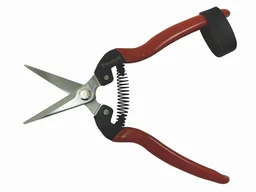
For occasional, more extensive pruning, a compact set such as the
is ideal. It includes the essential tools in a practical size, so you’re ready for every task without filling an entire shed.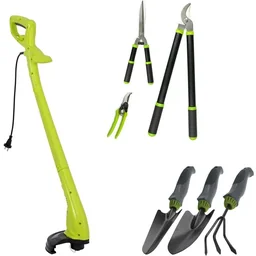
When choosing materials, durability matters. Sturdy weed barrier fabric beneath mulch helps keep weeds under control. Strong
are useful for more than collecting leaves. Use them as decorative grow bags for potatoes or as privacy screens by planting them with climbers.
Additional advice
Store soil, bark or fertilizer in resealable bags or decorative boxes beneath the bench to save space. This keeps everything close at hand and helps the garden stay tidy. Browse our tarps and netting category for practical storage solutions.
Plan your watering system from the start. A short garden hose and a drip irrigation kit for your beds save time and water. Set up a rain barrel, too. Every gallon you collect lowers your water bill and gives your plants a better source of water.
Low-maintenance and sustainable: The garden of the future
A well-designed small garden is easy to maintain. Cover bare soil with grass clippings, bark or gravel. This helps the soil retain moisture, suppresses weeds and saves you a lot of time weeding.
Choose perennial plants. Perennials such as peonies, hostas and ornamental grasses return every year and become more beautiful over time. You won’t need to buy and plant them again each spring, saving money, time and resources.
Create a habitat for wildlife. An insect hotel, a few perennial stems left standing over winter and a shallow bowl of water make your garden a welcoming place for beneficial insects and other helpful wildlife. A healthy garden can keep many problems in check on its own.
Your small garden is never finished. It changes with the seasons and your ideas. Start with the basic layout, then plant your first beds. See what grows well and what brings you joy. Adapt the garden to your needs year after year. That’s how it becomes your own personal retreat, with every inch put to good use.
Frequently Asked Questions
- What’s the best way to plan a small garden?
- Start with a scale drawing. Mark fixed features such as the house, paths, and trees. Then divide the space into functional zones, such as a seating area, vegetable garden, and flower beds. Keep paths as narrow as possible while still making them comfortable to walk on. Make use of vertical space from the start with trellises or climbing plants.
- Which plants are best for a small cottage garden?
- Choose compact, high-yield varieties. For vegetables, dwarf beans, leaf lettuce, radishes, and snack peppers are ideal. For flower beds, choose perennials such as catmint, cranesbill, or lady’s mantle. They take up little space and come back every year. Mix edible and flowering plants for a lush, vibrant look.
- How can I add more storage to a small garden?
- Make use of walls and fences. Attached shelves or hanging systems provide space for pots and tools. A bench with built-in storage serves two purposes. Use decorative garden fabric or sturdy yard waste bags to store materials such as soil or mulch without taking up much space.
- Can I grow vegetables in a small garden?
- Yes, and very successfully. The key is to grow upward. Use strawberry towers, trellises for cucumbers and pole beans, or hanging grow bags for lettuce. Raised beds provide more growing space over the same footprint. Choose seed mixes made for small gardens that produce good yields in limited space.
- How much does it cost to redesign a small garden?
- Costs vary considerably. You can save a lot by creating your own designs, using locally sourced materials, and propagating your own plants. Invest first in a solid foundation of paths and bed edging. Quality tools such as PRODUCT_121467 last a long time and make garden maintenance easier. Set priorities and develop your garden one step at a time.
Ergänzung: Ideen für den Kleingarten: Optimale Gestaltung auf kleinem Raum
Nutzen Sie Höhenunterschiede, um den Kleingarten in verschiedene Bereiche zu gliedern: Ein schmales Hochbeet, ein niedriger Sitzplatz oder ein Rankgitter schafft Struktur, ohne viel Fläche zu beanspruchen. Kletterpflanzen begrünen Zäune und Wände und lassen den Boden für Wege oder Gemüsebeete frei.
Wählen Sie Möbel und Pflanzgefäße, die sich flexibel nutzen oder verstauen lassen. Klappstühle, eine Sitzbank mit Stauraum und Pflanzkästen auf Rollen erleichtern es, den Garten je nach Bedarf umzugestalten. Helle, einheitliche Materialien und wenige wiederkehrende Pflanzenarten lassen kleine Flächen ruhiger wirken.
You might also be interested in
- Make a Small Garden Stand Out: Creative Design Ideas
- 50 m² Garden Design: Ideas for Small Gardens
- Designing a Narrow Garden Strip: Ideas for Small Spaces
- Townhouse Garden Design: Ideas for Small Gardens
- Designing a Small Romantic Garden: Ideas & Tips
- Maximize Your Harvest in a Small Space: Tips for Small Beds