
In brief: You can effectively reduce dust mites by controlling humidity, washing regularly at 60°C, and encasing mattresses and upholstered furniture in special covers. Vacuuming with a HEPA filter and frequent airing are other essential measures. Focus on the bedroom, as this is where mite concentrations are highest.
Reduce Dust Mites: Effective Tips for Allergy Sufferers
Sneezing, itchy eyes, a runny nose – for millions of people in Germany, these are not cold symptoms but everyday companions. They are caused by dust mites. These tiny arachnids are found in almost every household. The problem is not the mites themselves, but their faeces. They contain the main allergen and spread with household dust.
You do not need to keep your home clinically clean. The goal is to significantly reduce allergen exposure. With a strategic plan, you can create a healthier indoor climate. This article shows you practical steps.
What are dust mites and why do they cause allergies?
Dust mites (Dermatophagoides) are arachnids measuring about 0.3 millimeters that cannot be seen with the naked eye. They feed mainly on human skin flakes. A person loses up to 1.5 grams of them every day – a feast for mites.
The mites themselves are harmless. Their faeces, however, contain proteins that can trigger severe reactions in allergy sufferers. A single mite produces 200 times its body weight in excrement. This dries out, breaks down into the finest dust and is inhaled.
Mites love warm, humid and dark conditions. They find ideal conditions in mattresses, duvets, pillows, upholstered furniture and carpets. The ideal temperature of 25°C and high humidity caused by sweating at night prevail here.
The highest concentration of mites is always found in the sleeping area. We spend about one third of our lives here in close contact with allergy triggers. Reducing them here has the greatest effect.
How can I recognise a dust mite allergy?
The symptoms often resemble a persistent cold. They typically occur all year round and become worse during the heating season or when making the bed. Typical signs include:
- A blocked or runny nose, especially after waking up
- Sneezing attacks in the morning
- Itchy, watery or red eyes
- An urge to cough, wheezing or shortness of breath
- Worsening of atopic dermatitis in affected individuals
A doctor can make a reliable diagnosis using a skin or blood test. If the suspicion is confirmed, allergen avoidance is the first and most important treatment step.
The most effective measures in the bedroom
The fight against mites begins in the bedroom. This is where the most effective tips come into play.
Choosing the right bedding and encasings
Mite-proof covers, known as encasings, for mattresses, duvets and pillows act as a barrier. High-quality encasings have a pore size of less than 0.5 micrometers. This prevents both mites and their allergens from passing through.
Choose covers made from breathable material. Wash the encasings according to the manufacturer's instructions, usually at 60°C. Wash regular bedding weekly at a minimum of 60°C. This kills mites and rinses out allergens.
Pro tip
Avoid traditional feather bedding. Synthetic or down duvets can be washed at 60°C. Pillows should be replaced every one to two years. Using mite-proof encasings significantly extends this period.
Treating the mattress
The mattress is the epicentre of the mite population. Encasings are the best solution. You can also vacuum the mattress thoroughly every three months using a vacuum cleaner with a HEPA filter. Use the upholstery attachment without a rotating brush to avoid stirring up allergens.
Air the mattress regularly in dry weather. Stand it upright next to an open window. Direct sunlight and cold also harm mites.
Ventilate properly and control the indoor climate
Mites need moisture. Lowering the relative humidity in the room slows their reproduction.
Air the room thoroughly several times a day for five to ten minutes. Leaving the window tilted open is ineffective. It is especially important to air the entire bedroom after getting up in the morning. The moist air from breathing overnight needs to escape.
A hygrometer shows you the humidity level. Ideally, keep it between 40% and 50% in the bedroom. In rooms that are too humid, such as ground-floor rooms or rooms with many plants, an electric dehumidifier may be necessary.
Many allergy sufferers ventilate too little because they are afraid of pollen. This is counterproductive. Airing briefly early in the morning or late in the evening reduces pollen exposure minimally but lowers humidity significantly. This harms mites more than the small amount of pollen helps them.
Effective vacuuming and cleaning
Choosing the right vacuum cleaner is crucial. Conventional appliances blow the finest dust particles and allergens back into the room through the exhaust air.
Invest in a vacuum cleaner with a HEPA filter (H13 or H14). It filters at least 99.95% of particles from the exhaust air. Vacuum thoroughly at least twice a week, especially carpets and upholstered furniture.
It is best to damp-mop hard floors such as laminate, parquet or tiles. This binds the dust. Use a microfiber mop or cloth. Microfibers attract dust through electrostatic charge without stirring it up.
Regularly wipe all smooth surfaces with a damp microfiber cloth. Dusting with a dry cloth only spreads the allergens.
Important note
Avoid chemical mite sprays or foggers (acaricides). Their effectiveness in carpets or upholstery is limited, they pollute the indoor air with chemicals and can themselves trigger allergies. The mechanical approach – washing, vacuuming and encasing – is safer and more sustainable.
Choose textiles and furnishings wisely
Your furnishings have a major influence on the mite population.
Carpets, especially those with a deep pile, are true mite havens. Choose hard floors whenever possible. If you need carpets, select low-pile options and washable rugs.
Reduce dust collectors. Open bookshelves, piles of cushions on the sofa, soft toys on the bed and heavy curtains collect dust and moisture. Children's soft toys should be washable at 60°C. Alternatively, you can place them in the freezer for 24 hours, which also kills mites.
Curtains should be made of washable material and washed regularly. Alternatives include blinds or roller shades that can be wiped clean easily.
Helpful technology and appliances
Modern appliances can effectively support your efforts.
Air purifiers with HEPA filters remove the finest particles, including mite allergens, from the indoor air. They are particularly useful in the bedroom. Make sure the appliance is suitable for the size of the room.
As mentioned, dehumidifiers help in rooms that are too humid. Steam cleaners reach temperatures above 100°C on surfaces. They are well suited to treating upholstered furniture, mattresses or carpets without a suitable encasing.
Special power tools such as high-performance vacuum cleaners are a good investment in your health.
Additional advice
Plan your measures step by step. Start with the bedroom: get encasings, buy new bedding and establish a ventilation routine. Then add a vacuum cleaner with a HEPA filter and optimise the rest of your furnishings. This prevents you from becoming overwhelmed and lets you see quick results.
Products that can help
In addition to the basic measures mentioned above, special products can make it easier to reduce dust mites. It is important to choose products that actually address your specific problem.
There are also special solutions for other annoying insects in the home which do not cause allergies but can still be a nuisance. The

A powerful vacuum cleaner is essential. Products such as the with strong suction power and effective filtration help remove allergens from carpets and upholstery.
The right cleaning equipment makes the job easier. For stubborn stains on washable textiles, a stain remover such as can help before washing.
is an example of targeted pest control, in this case for ants. Products like these solve a specific problem but are unsuitable for dust mites.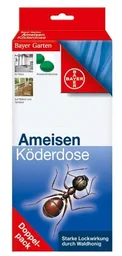
Long-term strategy and habits
Dealing with house dust mites is not a one-off project, but a lasting adjustment to your household routines.
Set fixed days for washing bed linen (weekly) and vacuuming (twice a week). Regularly check the humidity with a hygrometer. Make airing rooms out thoroughly a regular habit, just like brushing your teeth.
Involve everyone in the household. Explain why certain measures are important. A shared plan increases the chances of success.
Stay calm if everything is not perfect. Reducing allergens by 80-90% is often enough to become symptom-free. You do not need to eliminate every single dust mite.
Conclusion: A clean home is possible
A dust mite allergy does not have to dominate your life. With knowledge, the right strategy and suitable aids, you can create a clean home with significantly fewer allergens.
Start today. Begin with the most important room: your bedroom. Invest in dust mite-proof encasements and change the way you air your rooms. These two steps alone can make a noticeable difference.
Remember: the goal is control, not elimination. Every dust mite reduced and every allergen removed means less strain on your immune system and a better quality of life for you.
For everything related to household care, cleaning and a healthy living environment, you will find a wide selection of useful accessories in our Garden + Outdoor and Commercial Supplies categories.
Frequently Asked Questions
- At what temperature do dust mites die?
- Dust mites and their allergy-causing droppings are reliably killed and neutralised from 60°C. Wash bed linen, pillows and duvets regularly at this temperature. For non-washable textiles such as mattresses or upholstered furniture, special steam cleaners or dust mite-proof covers are suitable.
- What humidity level is best for preventing dust mites?
- Relative humidity below 50% significantly inhibits the reproduction of dust mites. You can achieve this by airing rooms out thoroughly on a regular basis, especially after sleeping and showering. A dehumidifier can help in damp rooms. Measure the levels with a hygrometer.
- How often should I vacuum if I have a dust mite allergy?
- Vacuum thoroughly at least twice a week with a vacuum cleaner fitted with a HEPA filter. This reliably filters fine dust mite allergens from the exhaust air. Focus on carpets, upholstered furniture and the floor in the sleeping area. You can also mop hard floors with a damp cloth.
- Are dust mite-proof mattress covers worthwhile?
- Yes, dust mite-proof encasements for mattresses, duvets and pillows are among the most effective measures. They form a barrier that prevents both mites and their allergens from passing through. Look for a pore size of less than 0.5 micrometres and washable covers.
- Can I completely eradicate dust mites?
- Complete eradication is not possible in a normal living space and is not necessary. The goal is to reduce the dust mite population and, above all, the allergen levels to a symptom-free level. By combining the measures mentioned above, you can reduce exposure by 90% or more.
You may also be interested in
- Getting rid of moths: Effective strategies for your home
- Getting rid of cockroaches: Effective strategies for houses and flats
- Cleaning carpets: Effective methods for a spotless finish
- Getting rid of spider mites: How to identify them and home remedies
- Getting rid of ants in the home: Effective solutions for unwanted pests
- How to get rid of fruit flies: Home remedies and traps