
In brief: Regal geraniums are easy-care, long-flowering plants that bring color to balconies and patios from May through October. They prefer a sunny to partially shaded location and regular fertilization. Their double blooms are difficult for bees to access, but single-flowered varieties and pelargoniums such as the native 'balcony geranium' provide plenty of nectar.
Regal Geraniums: Care, Blooming Season & Bee-Friendliness
Regal geraniums, botanically known as pelargoniums, are among the most popular balcony plants. Their abundant blooms from May through October make them a classic choice. But behind their robust appearance are specific requirements for location and care. And not every variety benefits our insects.
This article guides you through successful cultivation. You will learn how to choose the right location for regal geraniums, care for the plants properly and even support bees by choosing the right variety.
How do I find the perfect location for regal geraniums?
The location determines the plants' health and abundance of blooms. Regal geraniums love warmth and light. A spot in full sun is ideal. They also tolerate light partial shade, but flowering will be less abundant there.
Protect the plants from heavy rain and wind. A covered balcony or a house wall provides good protection. In midsummer, intense midday sun behind glass can cause scorching. Light shade can be helpful then.
Pro tip
Turn your containers slightly every two weeks. This helps the plants grow evenly toward the sun and prevents one-sided bare growth. The result is a fuller, rounder plant.
The soil must be well drained. Use high-quality potting soil. You can mix it with sand or expanded clay to improve drainage. Waterlogging is the geranium's biggest enemy.
For all the materials you need for planting, explore our wide selection in the Garden + Plant Accessories category.
The right container for abundant growth
Choose sufficiently large planters. A pot that is too small restricts root growth and therefore flower production. Each plant should have at least two to three liters of soil available.
Make sure the container has drainage holes in the bottom. A drainage layer of expanded clay or gravel prevents the roots from standing in water. Use suitable saucers, but pour away excess water after ten minutes.
How do I care for regal geraniums to ensure a long blooming season?
Geranium care is based on three essentials: watering, fertilizing and deadheading. Consistent care rewards you with months of blooms.
Water regularly and thoroughly. The root ball should never dry out completely. Check with your finger: if the top layer of soil is dry, water the plant. Avoid wetting the leaves and flowers. This helps prevent fungal diseases.
Important note
Waterlogging inevitably leads to root rot. The plants wilt even though the soil is moist. Whenever you notice wilting, always check the roots first. Brown, mushy roots are a clear sign.
Fertilizing is essential for these long-flowering plants. Starting in April, add a liquid fertilizer for flowering plants to the watering water every week. Alternatively, fertilize every two weeks at full strength. Fertilizer sticks provide a continuous supply for several weeks.
Our selection includes a wide range of fertilizers for every application.
The secret: Deadheading correctly
Consistently remove spent flowers. Pinch off wilted flower heads together with their stems. This prevents seed formation and encourages the plant to produce new buds.
Also remove yellow or diseased leaves regularly. This keeps the plant healthy and well ventilated. A more substantial pruning in July encourages compact growth and a second wave of blooms in late summer.
“Geraniums are grateful plants that respond immediately to consistent care. Regularly checking for spent flowers and following a consistent fertilizing schedule are the keys to a balcony paradise.”
Which geraniums are truly bee-friendly?
The topic of bee-friendly flowers is becoming increasingly important. Many classic regal geraniums with tightly packed double blooms are of no value to insects. The dense petals block access to nectar and pollen.
Bees and bumblebees need open, single flowers. Fortunately, such varieties are also available among pelargoniums. So-called ‘single’ or ‘stellar’ geraniums with simple, star-shaped flowers provide plenty of food.
Scented geraniums are particularly valuable. Their flowers are often small and inconspicuous, but rich in nectar. Rub a leaf between your fingers. The intense scent of lemon, rose or mint is a delight.
Additional advice
Combine bee-friendly geranium varieties with other nectar-rich plants such as lavender, sage or wildflower seeds. This creates a continuous source of food for insects.
The native wild form, the pelargonium, is an excellent bee plant. It is hardy, perennial and flowers tirelessly. Ask at your local nursery specifically for insect-friendly pelargonium varieties.
For a holistic garden concept, also visit our Pet Supplies category. There you will find nesting aids and other accessories for a lively garden.
How Do I Identify and Treat Geranium Diseases?
Hardy does not mean immune. Regal geraniums can also be affected by diseases. Early detection is crucial for successful treatment.
Geranium rust is a common fungal disease. You can identify it by yellowish spots on the upper side of the leaves and pustule-like, brown spore deposits on the underside. Affected leaves fall off. Remove them immediately and dispose of them with household waste.
Prevention is the best protection. Water from below, avoid placing the plants too close together and ensure good ventilation. A sheltered location protected from rain also helps. In cases of severe infestation, fungicides from specialist retailers may be necessary.
“Most fungal diseases in geraniums are caused by the way they are cared for. Planting too densely, overhead watering and stale air are the main causes. A well-ventilated location and dry leaves are the best medicine.”
Gray mold (Botrytis) mainly affects weakened plants or faded flower remains. It appears as a gray, dusty coating. Cut back affected parts generously. Improve the growing conditions.
Pests on Regal Geraniums
Whiteflies like to settle on the undersides of leaves. They suck plant sap and weaken the geranium. Yellow sticky traps help with monitoring. In cases of severe infestation, insecticides based on rapeseed oil are a good choice.
Spider mites occur in dry, warm air, often in winter quarters. Fine webs and pale speckles on the leaves are typical signs. Increase the humidity and rinse the plant off. Special acaricides combat the infestation.
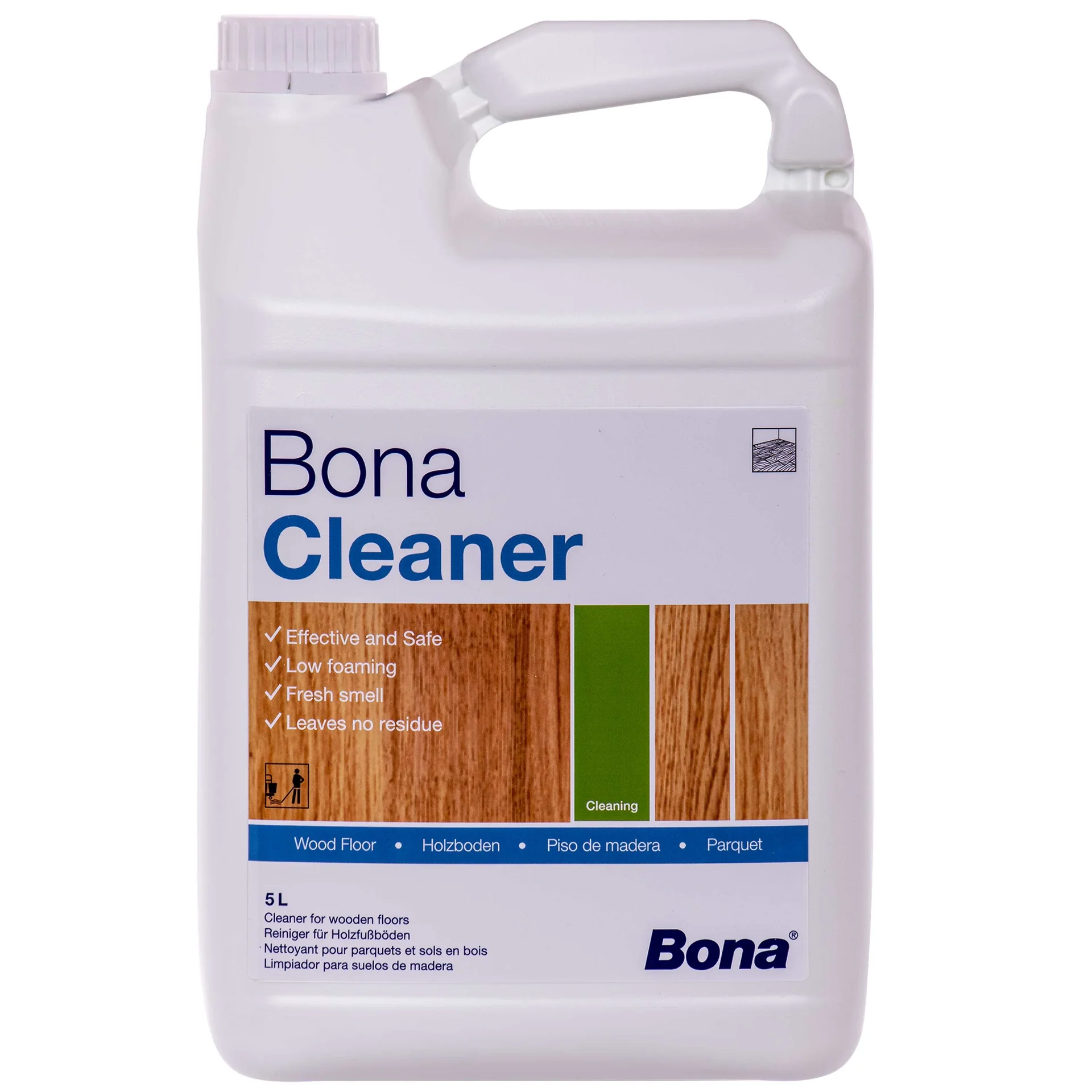
To clean plant pots and tools and prevent diseases from spreading, thorough cleaners such as
or .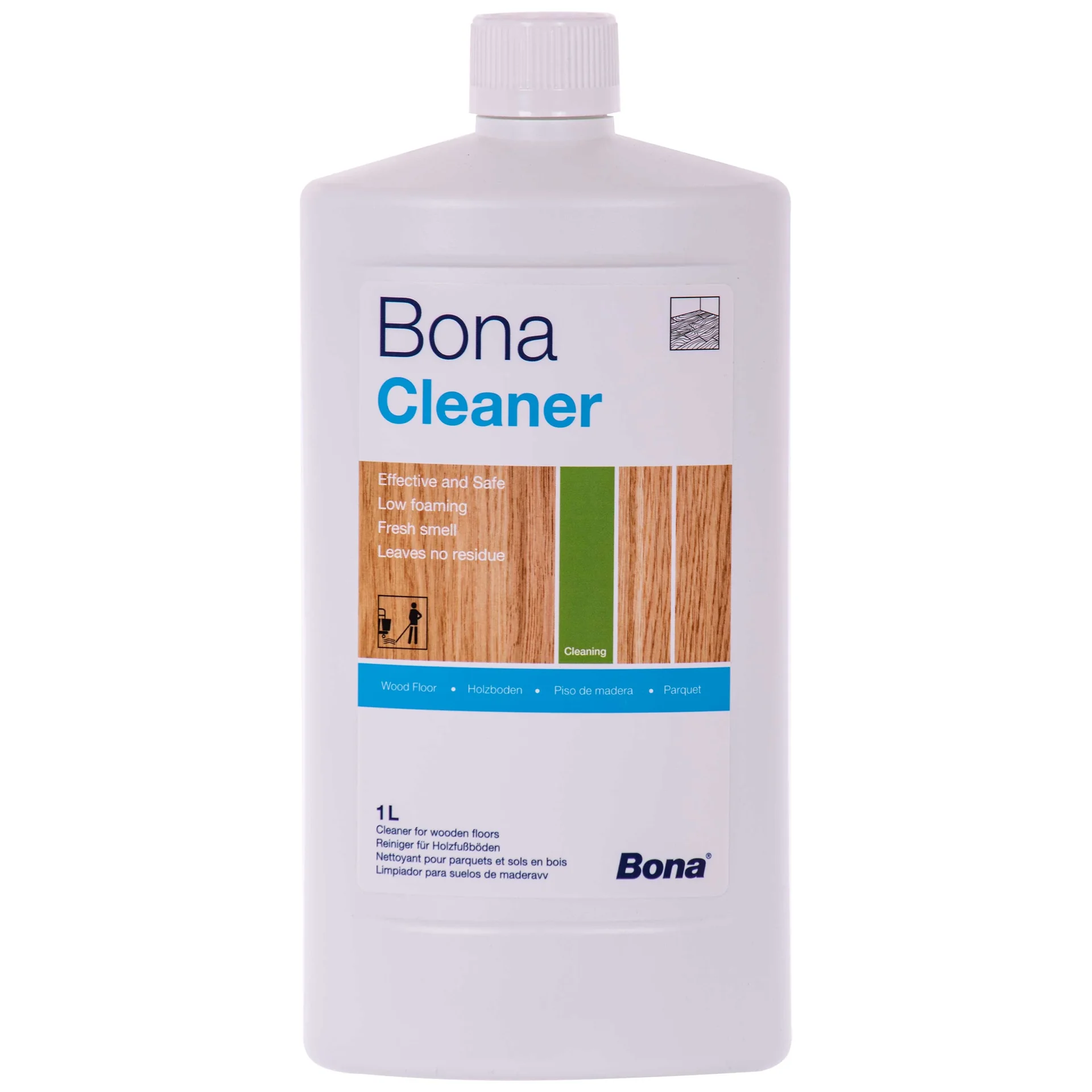
The Best Way to Overwinter Your Regal Geraniums
Regal geraniums are perennial. Proper overwintering saves money and allows you to start the new season with strong plants. Bring the plants indoors before the first night frost.
Before bringing them inside, cut them back to around 15 centimeters. Remove all leaves and faded flowers. Check the plants thoroughly for pests. Ideally, keep them in a bright winter location at temperatures between five and ten degrees Celsius.
Water very sparingly in the winter quarters. The root ball should not be allowed to dry out completely. Completely dry roots are just as harmful as waterlogging. From February onwards, you can move the plants to a warmer location, repot them and water them more regularly.
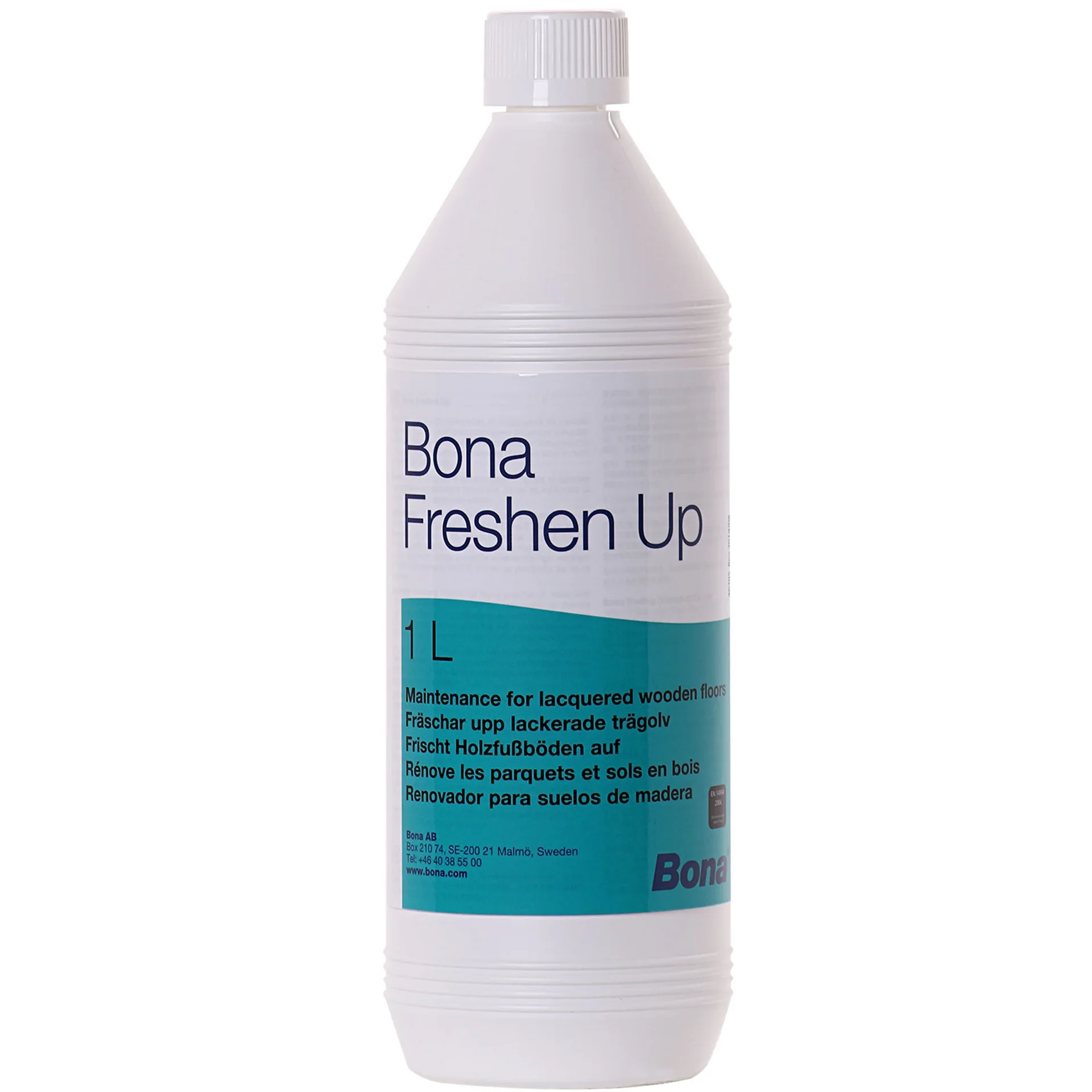
A warm, poorly lit basement leads to long, leggy shoots (etiolation). These plants are susceptible and flower poorly. A cool, bright conservatory or stairwell is more suitable. For care, gentle products such as
.
With this knowledge, nothing stands in the way of a successful geranium season. From choosing the right location and providing proper care to selecting bee-friendly varieties, you have all the tools you need. For everything else related to your green oasis, visit our comprehensive Garden + Outdoor section.
Frequently Asked Questions
- How often do regal geraniums need watering?
- Water regal geraniums thoroughly when the top layer of soil has dried out. Avoid leaving the plants standing in water in the saucer. Daily watering may be necessary on hot summer days, while less frequent watering is needed in cooler weather. Water requirements depend greatly on the location and pot size.
- Are all geraniums bee-friendly?
- No. Traditional, heavily double-flowered regal geraniums provide bees with little food because their access to the nectar is blocked. Single-flowered varieties, scented geraniums and native pelargoniums are bee-friendly. Look for varieties with simple, open flowers.
- Why is my regal geranium losing leaves?
- Leaf loss often indicates care problems. Common causes include waterlogging and root rot, but also a completely dry root ball, a location that is too dark or fungal diseases such as geranium rust. Check the moisture levels and the location.
- Can I overwinter regal geraniums?
- Yes. Before the first frost, cut the plants back to 10-15 cm and place them somewhere bright and frost-free at 5-10°C. Water very sparingly so that the root ball does not dry out. From February onwards, you can move the geraniums to a warmer location and cut them back.
- Which fertilizer is suitable for regal geraniums?
- Use a liquid fertilizer for flowering plants that is rich in phosphorus and potassium. From April to the beginning of September, fertilize weekly at half strength or every two weeks at full strength. Specialist retailers stock special flower fertilizer.
You might also be interested in
- Geranium Care: Tips for Stunning Blooms on Balconies & in Gardens
- Geraniums as a Design Element: Ideas for Balconies and Gardens
- Bee-Friendly Balcony Plants: How to Create Biodiversity in a Small Space
- Caring for Dipladenia: Tips for Abundant Blooms
- Pruning Hybrid Tea Roses: Instructions for Full Blooms
- Easy-Care Summer Bloomers for Months of Abundant Flowers