
In brief: You can effectively remove glue residue from windows by first identifying the type of adhesive. For solvent-based adhesives, use specialised removers such as PRODUCT_58346 or PRODUCT_58038. For water-soluble residue, household remedies such as hot air or oil are sufficient. Always test each method on an inconspicuous area first to avoid damaging the glass.
Remove Glue Residue from Windows: Effective DIY Tips
A new sticker on the window, a peeling heat-protection sign or the remains of an old safety notice. What is left behind is stubborn glue residue that clouds the glass and frustrates every cleaning attempt. With the right strategy and suitable products, however, you can get these residues under control.
The key is understanding the type of adhesive. We show you precise methods, from proven household remedies to professional solutions from the shop. This gives you the right answer for every problem.
How do I identify the type of glue residue?
Before you start cleaning, take a close look at the residue. If it is clear and rubbery, it is often a solvent-based adhesive. White, crusty marks indicate water-soluble adhesives. Transparent, very hard films may be acrylic adhesive.
Also check whether the window has a special coating. Solar-control or heat-insulating glazing is sensitive. In our range of garden equipment, you will also find care products for coated surfaces.
Important note
Always test every cleaning method and product on an inconspicuous area of the window first, such as a lower corner. This ensures that neither the glass nor the frame or any seals are damaged.
Which household remedies remove glue residue?
Many everyday products have excellent dissolving properties. You do not need special chemicals, and you may already have the ingredients at home.
Heat: How a hair dryer can help
Warm the glue residue evenly with a hair dryer on a medium setting. Keep the appliance moving constantly. The adhesive will soften and lose its grip. Then carefully peel it off with your fingernails or a plastic scraper.
This method is particularly suitable for entire stickers or large areas of adhesive tape. Take care not to heat the glass in one spot for too long, as this can cause thermal stress.
Oil and fat: The simple solution
Vegetable oil, butter or margarine separate the adhesive from the surface. Apply a thick layer to the residue and leave it to work for several hours, preferably overnight. The fat penetrates the adhesive and softens it.
Then wipe away the softened residue with a paper towel and clean the greasy area with washing-up liquid and warm water. This method is gentle, but it may not be strong enough for all types of adhesive.
Pro tip
For stubborn, rubbery residue, mix baking powder with a little oil to make a paste. Apply the paste, let it dry slightly, then rub it off with a microfibre cloth. The baking powder's mild abrasive action supports the oil's dissolving power.
Alcohol and vinegar: Chemical household helpers
High-proof alcohol, such as isopropanol from a pharmacy, dissolves many synthetic adhesives. Soak a cloth in it and place it on the mark for a few minutes. Then rub the area.
Essence of vinegar or highly concentrated household vinegar works well against water-soluble adhesives and acrylic residue. Because of the smell, use this method in a well-ventilated area. After treatment, rinse the window with clean water.
“Choosing the wrong solvent can actually set the glue residue or create an impossible-to-remove smear. When in doubt, patience with mechanical methods is often better than a chemical attack using an unknown product.”
When do I need a professional glue residue remover?
If household remedies fail, professional formulations can be used. They are tailored to specific adhesive types and work faster and more reliably.
Our range in the business supplies section includes several such specialists. They are ideal for regular use in the home and garden.
Liquid removers for precise application
Products such as the
penetrate deep into the adhesive. They do not drip and can be applied precisely. After a short contact time, even old, hardened residue comes away.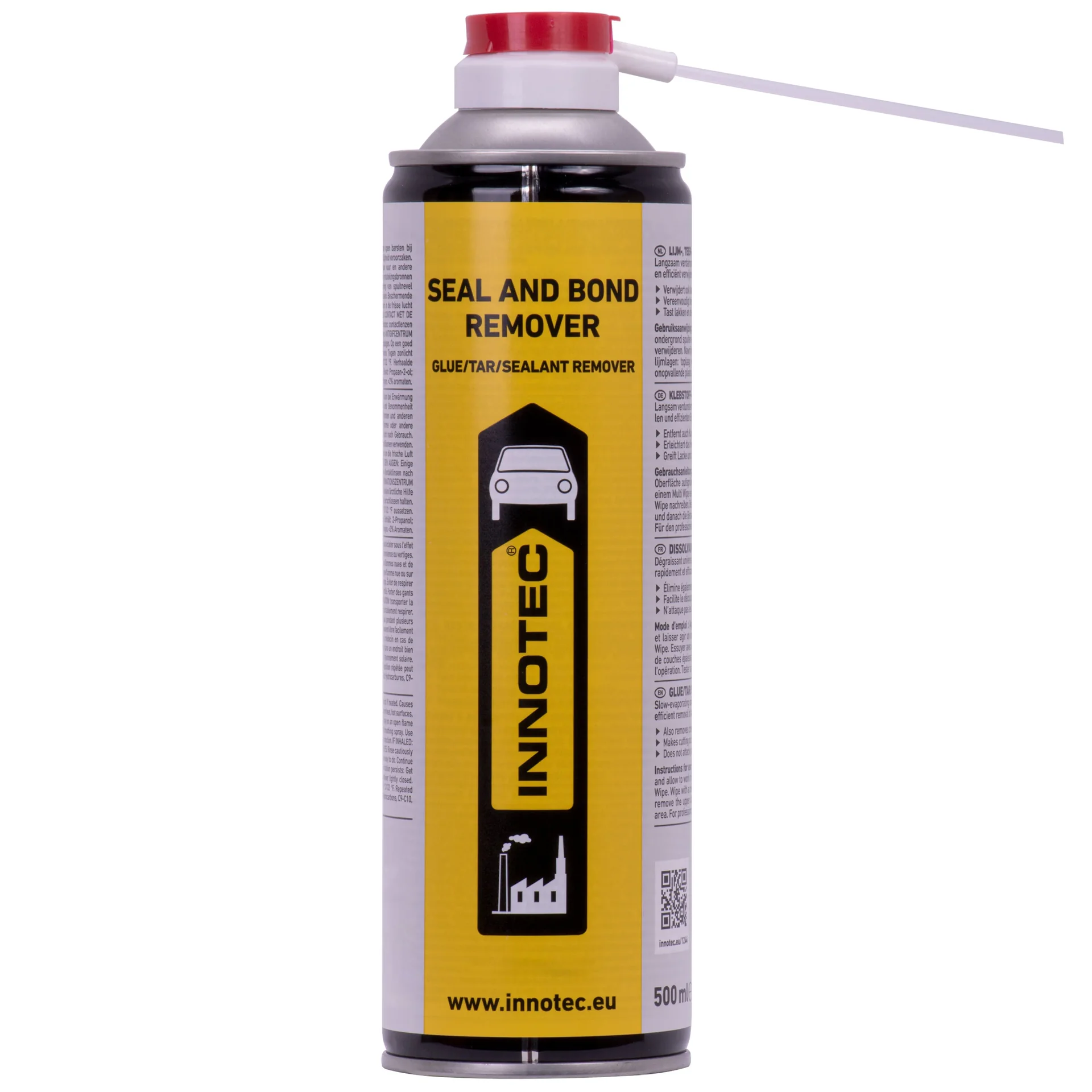
Wear gloves and work with the window open. Most of these products are effective, but they also have a powerful effect.
Foam removers for large areas
For large areas of glue residue, such as those left behind by old films or tapes, a foam such as
. The foam clings to vertical surfaces, does not run off and provides a long contact time.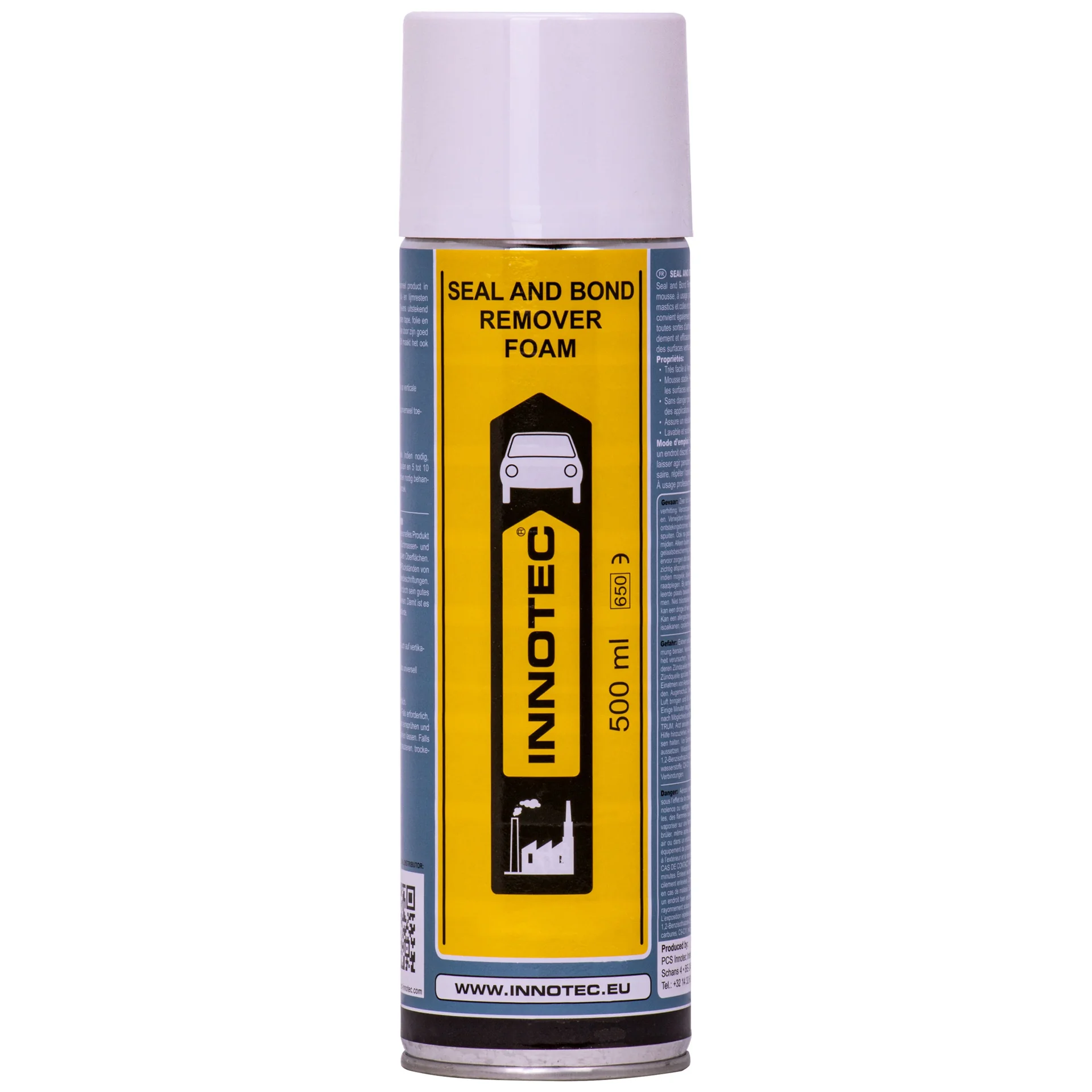
It softens the adhesive evenly. After the contact time, simply wipe away the dissolved residue. Thoroughly clean the area with water afterwards.
Additional advice
Keep any leftover professional glue residue remover tightly sealed and out of the reach of children. It remains effective for a long time and will be ready to use during your next cleaning project.
How do I deal with special adhesives?
Not all adhesives are the same. Double-sided tape, mounting pads and silicone residue require specific approaches.
Double-sided tape and mounting pads
Here, the adhesive is often stuck between two materials. Peel the tape off slowly and parallel to the glass surface. Remaining foam residue can be tackled with a product such as
. This remover is suitable for use on various materials.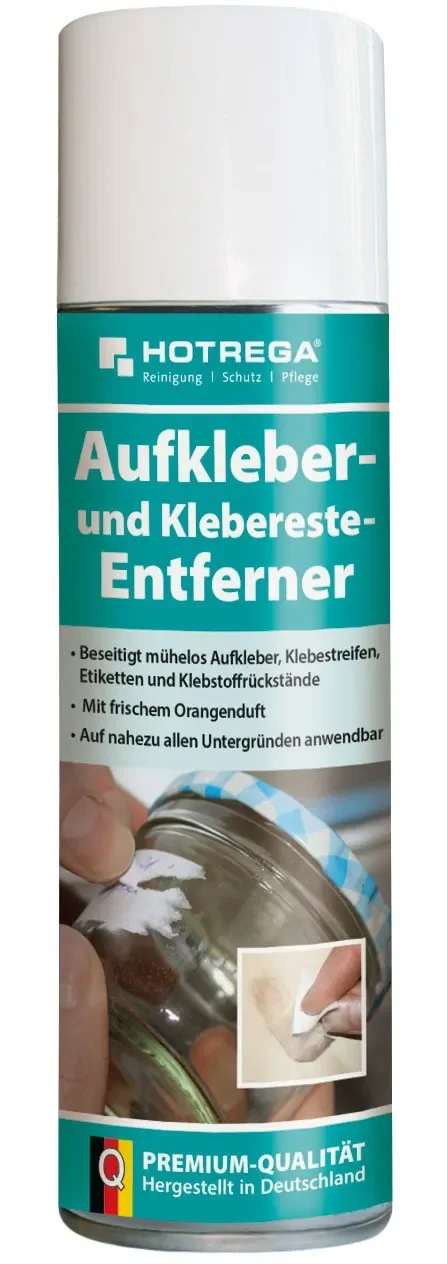
For regular window care and other cleaning tasks, you will find suitable accessories in the Garden and Plant Accessories category.
Silicone and sealant residue
Old, hardened silicone residue on the window frame is not adhesive residue in the traditional sense, but it presents a similar problem. Special silicone removers are available for this purpose. Mechanically peeling it off with a special scraper is often the first step.
“The biggest challenge with windows is the combination of glass, frame material and seal. A product that dissolves the adhesive must not damage plastic or rubber seals. This calls for targeted work with the right tool.”
Which tools help with mechanical cleaning?
The adhesive does not always dissolve completely. Dissolved residue often needs to be removed mechanically. The right tools help prevent scratches.
A plastic scraper with a sharp but rounded edge is the most important tool. Hold the scraper at a shallow angle to the glass surface.
Steel wool and scouring pads are a no-go. Use a microfibre cloth or a soft sponge instead. For the last remaining traces, a plastic eraser is suitable. Rubbing often causes the adhesive to come off in small rolls.
How do I protect the window after cleaning?
After removing the adhesive residue, it is important to finish by caring for the surface. Clean the entire area with a standard glass cleaner or a solution of water and a little methylated spirit.
Polish the dry glass with a clean, lint-free cloth. This will give you a streak-free shine. For long-term protection against dirt, you will find useful aids in the Garden Tools section.
Conclusion: Clean windows without a trace
Adhesive residue on windows is a problem that can be solved. Success depends on the right combination of identification, method and patience. Start with gentle home remedies such as heat or oil.
For stubborn cases, turn to professional products such as , or . With this knowledge and our tips, your windows will stay free of unsightly adhesive marks and continue to shine brightly.
Frequently Asked Questions
- Which household remedy removes adhesive residue best?
- High-strength alcohol (isopropanol) or vegetable oil are often effective. Alcohol dissolves many synthetic adhesives, while oil softens stubborn residue. Apply the product, leave it to work briefly and rub with a microfibre cloth. For acrylic adhesive, warm vinegar solution is more effective.
- Can I use a hair dryer to remove adhesive residue?
- Yes, a hair dryer or heat gun is a good method. Warm the sticker evenly on a medium setting until the adhesive softens. Then peel it off carefully. Avoid heating one spot directly for too long to prevent stress cracks in the glass.
- Do specialist adhesive removers damage window glass?
- Quality products such as PRODUCT_58346 or PRODUCT_57615 are suitable for glass, but they may damage existing coatings, such as those on double-glazed units. Read the manufacturer's instructions and always test the product on a hidden corner first. Rinse thoroughly with water after use.
- What should I do if a greasy film remains after peeling?
- A greasy film is caused by adhesive that has dissolved but has not been completely removed. Degrease the area with glass cleaner or a solution of washing-up liquid and warm water. For stubborn film, use cream cleaner on a damp sponge. Then polish the glass with a clean, dry cloth.
- How can I prevent adhesive residue when sticking new items?
- Use removable adhesive pads or strips designed for temporary applications. If you use standard stickers, stick them to a transparent film, which you then attach to the window. This way, the adhesive residue stays on the film when you remove it.
You may also be interested in
- Removing adhesive residue: The best home remedies and expert tips
- Streak-free in 5 steps: Expert tips for spotless windows
- Removing adhesive residue from wood: How to protect your furniture
- Removing rust stains: Effective tips for the home and garden
- Clean window cleaner: How to clean windows streak-free like a professional
- Patio cleaning: How to make your patio shine again