
In brief: You can effectively remove lawn thatch by dethatching regularly in spring or fall. This process scores the soil surface to pull out the layer of dead grass and moss. Afterward, overseeding and fertilizing are essential to help your lawn recover. Proper lawn care afterward helps prevent thatch from building up again.
Remove Lawn Thatch for a Healthier Lawn
A thick, green lawn is a source of pride for any homeowner. But a hidden problem can develop beneath the surface: lawn thatch. This layer can suffocate your lawn and create ideal conditions for moss and weeds. The good news is that you can control lawn thatch. With the right approach and timely care, you can restore the air and nutrients your grass needs.
What is lawn thatch, and why is it harmful?
Lawn thatch is not a living plant. It is a matted layer of dead grass, roots, runners, and other organic material. This layer sits between the green grass blades and the soil surface.
A thin layer can even be helpful. It protects the soil from drying out and from temperature swings. It becomes a problem when it grows thicker than one centimetre, forming a barrier that water and nutrients struggle to penetrate.
Important note
Never dethatch a wet lawn. The blades can pull grass roots out of the soil instead of simply cutting into the thatch. This can leave bare patches that take a long time to recover. Wait for dry weather and mow the lawn to around 3-4 cm beforehand.
Water and nutrients from fertilizer or rain can no longer reach the roots. The lawn becomes vulnerable to drought stress, even after a rain shower. At the same time, damp, oxygen-poor thatch creates ideal conditions for moss and lawn diseases.
How can I identify lawn thatch in my yard?
You do not have to dig to check for thatch. There are clear signs above ground. Push a knife or spade into the lawn and lift a small section.
Do you see a light brown, spongy layer between the green blades and the brown soil? That is lawn thatch. Gently tug at it. If you can pull out a continuous mat like a thin carpet, the layer is already too thick.
“A healthy lawn breaks down organic material on its own. Thatch forms when the balance between growth and decomposition is disrupted. Improper care, compacted soil, or unsuitable grass varieties are often the cause.”
Other signs include a spongy surface that gives underfoot. The lawn feels soft but does not spring back properly. After mowing, it looks ragged and uneven despite sharp blades. Moss spreads even in sunny areas because the thatch creates ideal conditions for it.
The simple finger test
Push your index finger between the grass blades down to the soil. Do you feel resistance from a soft but dense layer? That is a clear sign of thatch. In a healthy lawn, your fingers quickly reach the firmer soil.
How do I remove lawn thatch? The methods compared
The most effective way to control thatch is dethatching. A dethatcher scores the soil surface a few millimeters deep with vertically rotating blades. It cuts through the thatch layer and pulls it up.
You can choose between powered machines, hand dethatchers, and special rakes. For large areas, it is worth buying or renting an electric or gas-powered dethatcher. Look for adjustable working depths.
Expert tip
Dethatch your lawn in lengthwise and crosswise passes. This creates a checkerboard pattern and helps ensure no strips of thatch are left behind. Work steadily and let the machine do its job. Do not pull it across the lawn too quickly.
For smaller areas or spot treatment, a hand dethatching rake is enough. Its sickle-shaped tines comb out the thatch. It takes considerably more effort, but gives you better control over the depth.
Aerating the lawn as a complementary measure
Dethatching alone is often not enough, especially in compacted soil. That is where aerating comes in. Use special tools or a garden fork to make deep holes (approx. 10 cm) in the soil.
These holes let air into the root zone and improve drainage. You can then fill them with lawn sand. The sand keeps the holes from closing and helps loosen the soil over time.
The best time for lawn care
Timing is crucial. The best time to dethatch is in spring, as soon as the lawn starts growing (usually April/May). The soil should no longer be frozen, but it should not be wet either. Ideally, temperatures should stay consistently above 10 degrees.
This gives the lawn the whole season to recover. An optional second window is early fall (September). Never dethatch in midsummer during hot, dry weather or in late fall. The lawn will not have enough strength to recover.
“Many homeowners dethatch too deeply and aggressively. The blades should only lightly scratch the soil, not plow it up. The aim is to loosen the thatch, not damage healthy roots. Less is often more here.”
After dethatching: The right aftercare
After dethatching, the removed thatch lies on the lawn as brown debris. Rake it up thoroughly and dispose of it. You can now see the area's true condition: bare patches, gaps, and possibly a lot of exposed soil.
This is a critical step. Now overseed the lawn. Use a special grass seed mix for overseeding. These varieties germinate quickly and reliably fill in gaps. Spread the seed evenly and lightly work it into the soil with a rake.
Additional advice
Mix grass seed for overseeding with a little sand. This makes it easier to spread evenly and makes the seeded areas more visible. That helps prevent you from seeding some areas twice while missing others completely.
Fertilizing is essential, too. The lawn now needs energy for germination and growth. A starter lawn fertilizer or an organic fertilizer with a high phosphorus content supports root development. Our
(moss killer lawn fertilizer) not only supplies the lawn with nutrients but also controls any moss left in the thatch.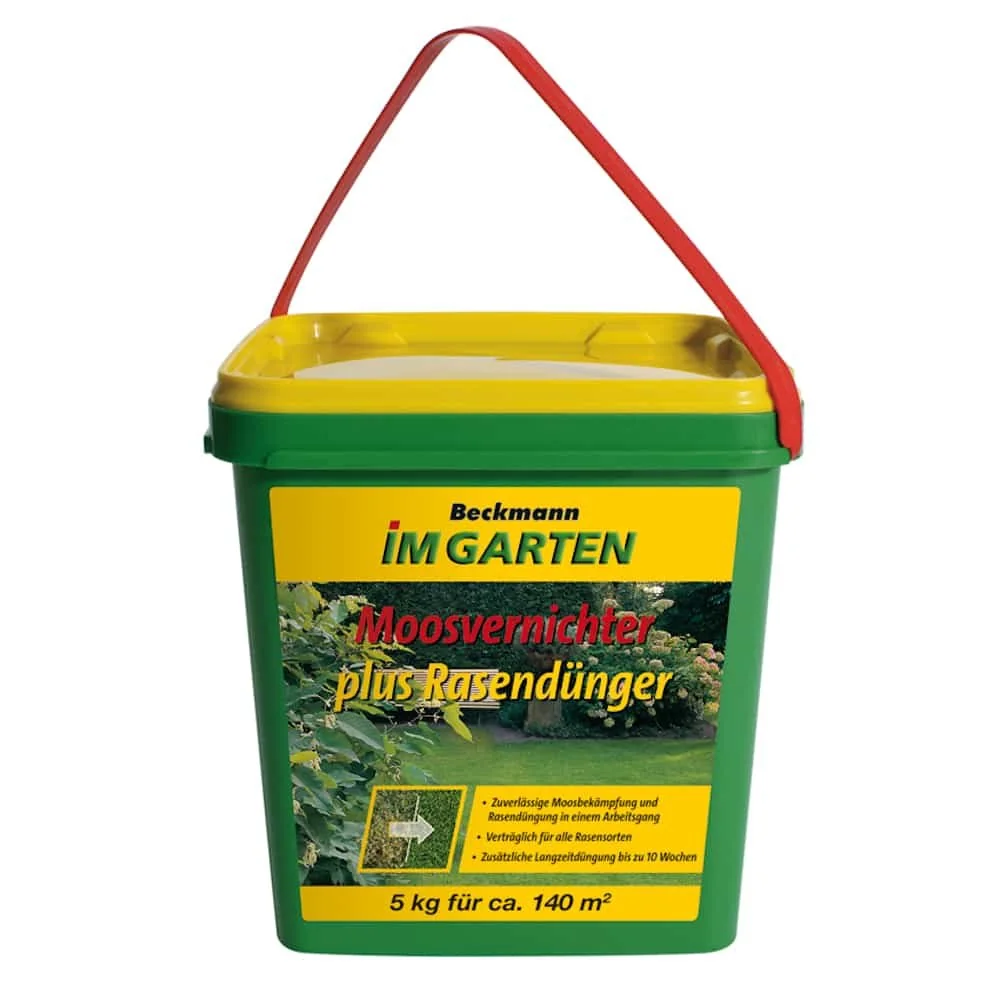
Keep the area consistently moist for the next three weeks. Water lightly but regularly on dry days. Avoid walking on the freshly treated areas as much as possible.
How to prevent lawn thatch for good: Prevention is key
Dethatching is a short-term fix. To keep thatch from quickly returning, adjust your lawn care routine. Mow regularly, but avoid cutting the grass too short. Leave grass clippings on the lawn only if you use a mulching mower that chops them finely.
Fertilize according to your lawn's needs. Too much nitrogen encourages soft, rapid growth, which creates plenty of organic material that can contribute to new thatch. An organic lawn fertilizer releases nutrients more slowly and evenly.
Water less often but thoroughly. This encourages deep roots and helps your lawn become more resilient. In compacted soil, applying lawn lime once a year can help optimize the pH and improve soil structure.
Products for a healthy, thatch-free lawn
Along with the right tools, special products can support your lawn care. Our
(ground anchors for lawn edging) help create clean edges. This makes mowing easier and keeps grass from spreading into flower beds, where it can die and contribute to thatch.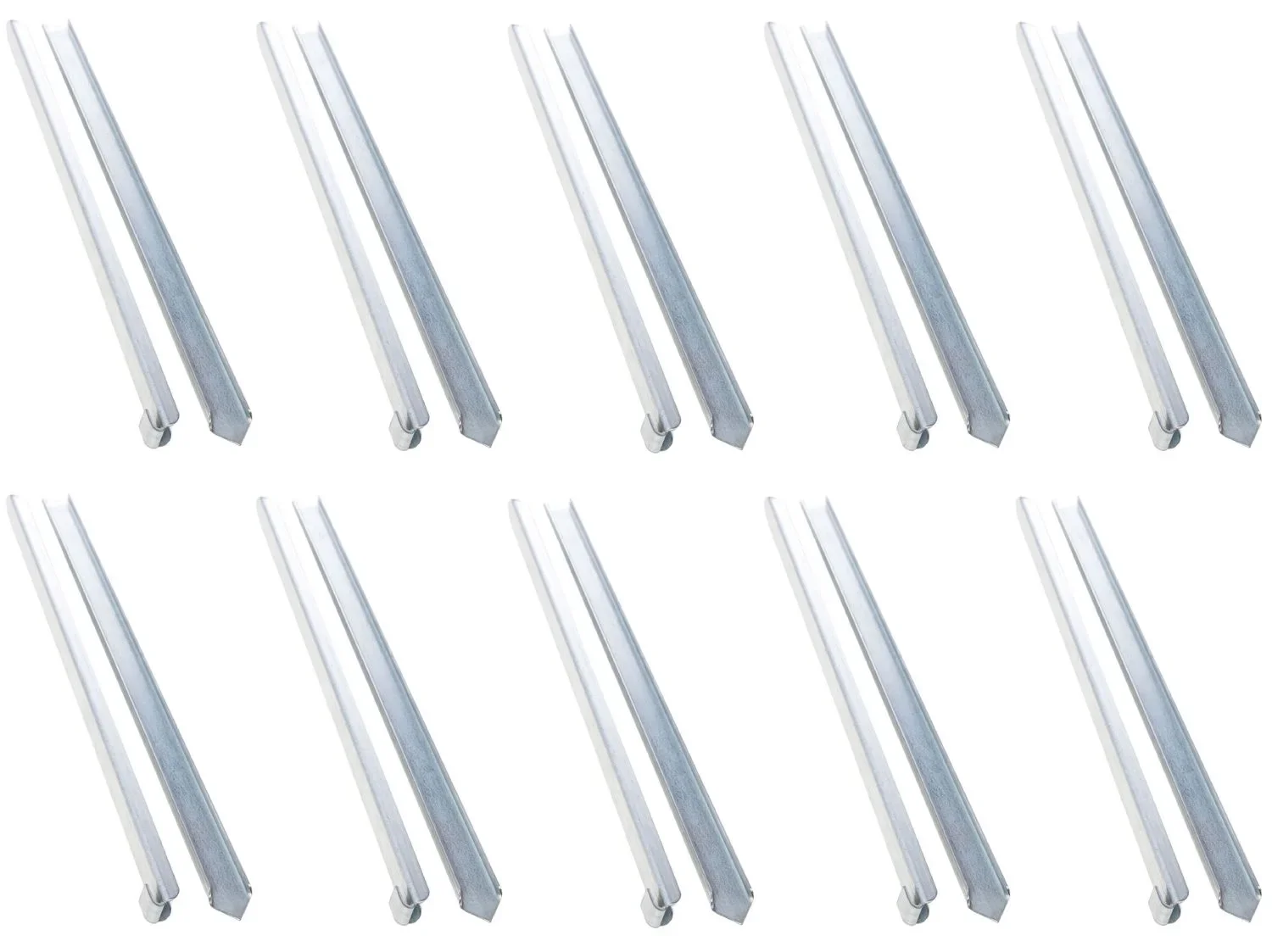
Pests can put extra stress on a weakened lawn. An
(UV insect trap) keeps annoying insects away without chemicals, including insects that are drawn to damp, thatch-covered areas of the lawn.
When is it worth hiring a professional?
If your lawn is heavily thatched, covered in moss, or particularly large, consider hiring a professional landscaping company. Professionals have powerful equipment, such as deep aerators and sand slitters, that can improve the soil over the long term.
Professional help is also worthwhile if the ground is heavily compacted or you have drainage problems. A professional can often identify the cause of the thatch more quickly and recommend a comprehensive solution.
With consistent care and the right technique, you can get rid of lawn thatch. Your reward is a dense, hard-wearing, deep-green lawn that looks beautiful and stays healthy. Get started this season and give your garden soil room to breathe.
Frequently asked questions
- What is lawn thatch, and how does it develop?
- Lawn thatch is a dense layer of dead grass blades, root remnants, and often moss just above the soil. It develops when these organic materials build up faster than they decompose. Mowing frequently with a mulching mower, using too much fertilizer, or having compacted soil can speed up thatch formation.
- How often should I dethatch my lawn?
- Dethatch your lawn no more than once or twice a year. The ideal time is spring (April/May), when the weather is dry and after the first mowing. You can dethatch a second time in early fall (September). Dethatching too often or too deeply damages the turf and weakens the lawn.
- Can I remove lawn thatch without a dethatcher?
- Yes. A manual dethatching rake or metal rake works well for smaller areas. Pull it firmly through the lawn to bring the thatch to the surface. To aerate the soil, use a garden fork to make deep holes at intervals of 10-15 cm. These methods take more effort but are effective.
- What should I do with the thatch I rake out?
- Do not put raked-out thatch in the compost pile, as it often contains seeds and spores. Put it in your yard waste bin or trash. You can use thin layers as mulch in flower beds, but only if they are completely free of weeds and moss.
- What mistakes should I avoid after dethatching?
- Avoid putting heavy stress on the lawn right afterward. Water regularly in the following weeks, but do not overwater. The most important step is overseeding with high-quality lawn seed suited to filling bare spots, along with adjusted fertilization to support growth.
You may also be interested in
- How to dethatch your lawn: A guide to a healthier lawn
- Lawn care: How to grow a green, dense, healthy lawn
- Top-dressing your lawn with sand: When and how to improve your lawn
- How to get rid of weeds in your lawn: Effective methods for a healthy lawn
- How to identify and control lawn diseases
- Creeping weeds in your lawn: Effective control methods