
In brief: Wurzel-Weg chemically breaks down blockages caused by roots growing into pipes. Pour it directly into the affected drain, ideally at night, to give the active ingredients time to break down the roots. Regular preventive use in spring or fall helps prevent new root growth and keeps your drain flowing freely over the long term.
A slow-draining floor drain, a gurgling toilet, or recurring clogs can be more than a nuisance. An unseen culprit is often to blame: tree roots that have grown into your sewer pipes. As roots seek water and nutrients, they find tiny cracks in pipes and grow inside. What starts as a fine root can quickly become a dense network that blocks the drain and causes costly damage. Before you reach for a shovel, there’s an effective solution.
Targeted chemical treatment tackles the problem at its source. Instead of treating the symptoms, it addresses the cause. With the right product and proper use, you can restore proper flow and help protect your pipes from future root growth. That’s where comes in. This specialized product is designed to break down roots growing inside pipes without damaging the pipes or the tree in your yard.
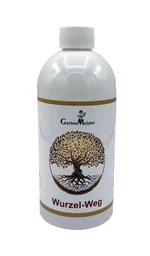
Root intrusion is one of the most common causes of recurring clogs in older sewer systems. Many homeowners don’t realize there’s a problem until significant damage has already occurred.
How can I tell if roots have grown into a pipe?
Roots grow out of sight. Signs that they have entered your home’s drain system may be subtle at first, but often become more obvious over time. Watch for these warning signs:
- Slow-draining water: If sinks, showers, or toilets take longer than usual to drain, it may be an early warning sign. Water has to work its way through the growing network of roots.
- Gurgling sounds: Do you hear unusual noises from your drains, especially after flushing the toilet? Gurgling can happen when air gets trapped in a blocked pipe and escapes.
- Frequent clogs: Do clogs keep coming back even though you’re careful about what goes down the drain? Roots can catch toilet paper and other solids, gradually creating a major blockage.
- Unpleasant odors: A foul smell from your drains may mean wastewater isn’t flowing properly and is backing up in the pipe.
- Changes in the yard: Sometimes the problem is visible outside. A patch of lawn that’s unusually green and growing quickly may sit directly above a leaking pipe, where roots can access nutrients.
If you notice several of these symptoms, there’s a good chance roots have grown into your sewer line. Act now, before the pipe becomes completely blocked.
How does a chemical root killer work?
A chemical root killer such as Wurzel-Weg isn’t an aggressive acid that dissolves everything it touches. It works in a more targeted way. The product contains special salts that are highly toxic to plant roots but, when used correctly, won’t harm pipe materials or the surrounding environment.
How it works
- Contact and absorption: After you pour the product into the drain, it moves through the pipe system and settles on organic material, including roots. The roots absorb the active ingredients directly.
- Breakdown: The absorbed salts interrupt the root’s supply of water and nutrients. They destroy its cell structure, causing the root to die and gradually break down. This process clears the dense network of roots.
- Preventing regrowth: Some of the active ingredient remains on the inside of the pipe and in the soil around the leak. This creates a barrier that helps prevent new roots from growing back into the same area for some time.
The main advantage is that the tree or shrub itself isn’t harmed. The treatment targets only the root ends inside the pipe, leaving the main root system intact and the plant healthy. That means you can address the problem without damaging your yard.
Important information
Always read and follow the safety instructions on the product packaging. When using chemical drain cleaners, wear protective gloves and safety glasses to avoid contact with your skin and eyes. Make sure the area is well ventilated.
How to use Wurzel-Weg correctly: Step-by-step guide
Using is easy and doesn’t require special tools. Proper preparation and following the recommended contact time are key to getting the best results.
Step 1: Choose the best time
Use the product in the evening before bed. This gives the pipes several hours without water flowing through them. A long, uninterrupted contact time is essential for the best results. Late spring and early fall are ideal, when roots are actively growing.
Step 2: Use the correct dosage
For an active but not yet complete blockage, use the entire bottle (500 ml). For preventive treatment to help stop regrowth, half a bottle (250 ml) every 6 to 12 months is enough.
Step 3: Apply the product
Pour the required amount of Wurzel-Weg directly into the first-floor toilet, which usually provides the most direct access to the main sewer line. Flush once right away to move the product into the pipe system. Don’t flush again or use any other drains in the house.
Step 4: Let it work
Leave the product in place for at least 6 to 8 hours, ideally overnight. During this time, the active ingredient breaks down the roots. The longer the contact time, the better the result.
Step 5: Flush the system
The next morning, flush the toilet and run water through the other drains several times. This flushes the broken-down root material and any remaining product out of the system. You should notice a significant improvement in drainage.
Additional advice
If water is completely backed up and won’t drain at all, you may need to clear the pipe mechanically first. A drain snake can create a small opening so the water can drain slowly. Then Wurzel-Weg can work effectively on the remaining roots.
What are the alternatives to chemical treatment?
In addition to chemical treatment, mechanical methods can be used to remove roots from pipes. Each method has its own advantages and disadvantages.
Mechanical drain cleaning (drain auger): A motor-powered drain auger with a special cutting head is fed into the pipe. The head cuts through the roots and quickly restores water flow. This is often the first step when a pipe is completely blocked. The downside: it is not a permanent solution. The roots are only cut back and often grow back quickly and more densely. Aggressive cutting heads can also damage older pipes.
High-pressure water jetting: A specialist vehicle flushes the pipes with extremely high-pressure water. This method cleans pipes thoroughly, removing roots and other buildup. However, it is expensive and should only be performed by a professional company. The roots will also grow back because the cause—the leak in the pipe—has not been repaired.
By comparison, chemical treatment with Wurzel-Weg offers an affordable, simple DIY solution that not only removes existing roots but also helps prevent regrowth for a period of time thanks to its inhibiting effect.
How can I prevent roots from growing into my pipes in the future?
Clearing an active blockage is only half the job. In the long term, you want to prevent the problem from happening again. Planning ahead and regular maintenance are key.
Regular prevention
The most effective approach is to use Wurzel-Weg regularly as a preventive measure. Half a dose once or twice a year helps keep pipes clear and prevents new fine roots from becoming a problem. Think of it as an annual checkup for your drainage system.
In gardening and landscaping, prevention is always less expensive than repairs later on. This applies to plant care just as much as it does to protecting underground infrastructure.
Comprehensive garden protection
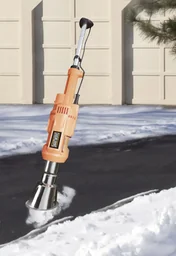
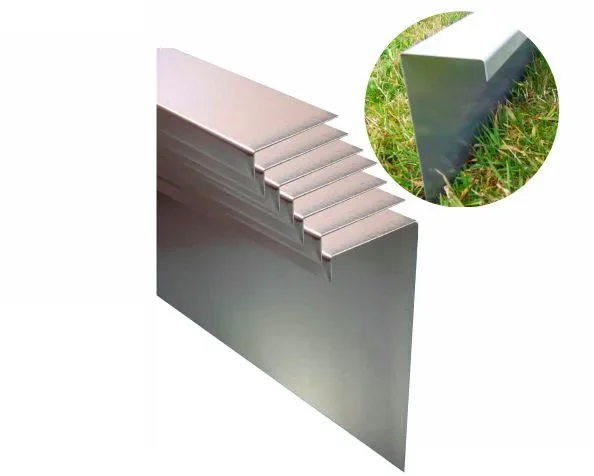
A healthy, well-maintained garden reduces the risk of problems. While Wurzel-Weg works underground, other tools help above ground. A tackles weeds at the surface before they can develop deep roots. Although it is not designed for pipes, it demonstrates the value of addressing problems early. A sturdy
Strategic planting
When planting new trees or large shrubs, learn about their root habits. Plant trees with aggressive, shallow root systems (e.g. willows, poplars and maples) a safe distance from sewer lines. As a rule of thumb, keep them at least 5-10 metres away.
Pro tip
Make a plan of your property and mark the location of all underground utilities (water, sewer and gas). This will help with future garden projects and with strategically placing new plants to prevent root damage from the start.
By combining treatment with Wurzel-Weg for active problems and a forward-looking prevention strategy, you can protect your home from the costly consequences of roots growing into your pipes. Keep wastewater flowing smoothly and protect your property's value.
Frequently Asked Questions
- How often should I use Wurzel-Weg?
- For an active blockage, use it as directed. For prevention, application every 6 to 12 months is recommended, ideally in spring or fall when root growth is most active. This helps keep your pipes clear over the long term.
- Will Wurzel-Weg harm my trees or plants?
- No. The product only targets roots that are already inside the pipe. It does not damage the tree's main root ball or other plants in your garden. Your trees and shrubs will remain healthy.
- Is Wurzel-Weg suitable for all types of pipes?
- Yes, the product is safe for all common pipe types, such as PVC, cast iron, clay and concrete. It does not damage pipe materials; it only breaks down the organic root material causing the blockage.
- What should I do if the water will not drain at all?
- If the pipe is completely blocked, first try mechanical cleaning with a drain auger to restore a small amount of water flow. You can then use Wurzel-Weg to help dissolve the remaining roots.
- Can I use Wurzel-Weg in the toilet?
- Yes, applying it through the toilet is the most common and effective method. Pour the product directly into the toilet bowl and flush it into the main drain pipe, where it can take effect.
You may also be interested in
- Roots in your drain pipe? The big Wurzel-Weg test
- Wurzel-Weg review: Effective & safe for removing tree stumps?
- 5 common mistakes when removing roots from pipes
- Wurzel-Weg: Seasonal pipe protection – When should you use it?
- Stop roots in your garden: 5 effective methods & guide
- Remove moss & stubborn weeds from gaps: The guide