
In brief: You can remove a tree stump manually with a spade, axe and root cutter, or mechanically with a stump grinder. Chemical products speed up decomposition but work slowly. The right method depends on the stump size, time available and your plans for the area afterwards. Manual work is suitable for small stumps, while larger ones require professional machinery.
Removing a Tree Stump: Methods & Tools at a Glance
An old tree stump sticks out of the lawn. It spoils the appearance, gets in the way of new garden designs or produces unwanted shoots. Root removal is a demanding gardening task. This guide presents the most effective methods and shows which tools you need.
Why should you remove a tree stump?
A tree stump is more than just an eyesore. It takes up valuable space where you could create a new bed or sow a lawn. The roots continue to live underground. They compete with other plants for water and nutrients.
They can also form suckers. These produce new shoots that you have to cut back again and again. A rotting stump attracts wood-destroying fungi and insects. These can spread to healthy trees nearby.
Complete tree stump removal is essential if you want a level surface for a patio, play area or garden shed. This gives you the foundation for all further projects in your Garden + Outdoor area.
Important note
Before you begin, check whether utility lines run across your property. Call the utility mapping service (telephone number 116 117). Cutting through a line without permission can have serious and costly consequences.
How do I remove a tree stump manually?
The manual method requires physical effort. It is suitable for small to medium-sized stumps with a diameter of up to around 30 centimetres. The advantage is the level of control and low cost. You need robust tools from the Hand Tools category.
Start by digging deeply into the soil within a radius of one metre around the stump. Expose the main roots. Cut through them with a sharp axe, root axe or bow saw. Work from the outside in.
Once the stump is free of its side roots, lever it out of the hole with a crowbar or spade lever. Winches or a long lever can help with heavy pieces. Then fill the resulting hole with topsoil and compost.
Pro tip
Thoroughly water the soil around the stump one day before starting work. Moist soil gives way more easily, making it much easier to dig out and cut through the roots.
Sharp tools are essential for manual removal. A blunt axe makes the work painful and is more dangerous because it is more likely to slip.
Which machines help with root removal?
For larger stumps or several stumps, using machinery is worthwhile. The most efficient solution is a stump grinder. This machine grinds the wood stump into fine chippings a few centimetres below the ground surface.
You can rent these grinders by the day from specialist retailers. Pay attention to the machine's working width and depth. Consider its weight and how it will be transported. Alternatively, landscaping companies offer this service. They take care of the strenuous work.
Another option is to use a mini excavator. This makes sense if you want to remove the stump completely together with its root ball and then fill in a large hole. However, you need sufficient space on the property for this.
For all mechanical work, you will find suitable equipment and heavy-duty accessories in our Construction Tools category. Always think about safety. Wear hearing protection, safety glasses and sturdy footwear.
Do chemical products work for removing a tree stump?
Chemical accelerators are usually based on potassium nitrate. You drill deep holes into the stump, fill them with granules and add water. The product breaks down the wood fibres from the inside. After six to twelve weeks, the wood becomes soft and brittle.
It can then be dug out more easily or broken up with an axe. This method is slow but less physically demanding. It leaves chemical residues in the soil. Do not plant edible crops there immediately.
Special mushroom cultures are a biological alternative. You inoculate the stump with these mycelium preparations. The fungi break down the wood over a period of months to years. This is the most natural but also the slowest option.
Additional advice
If you use chemical stump decomposition products, cover the treated stump with a tarpaulin. This prevents rain from washing the product away and carrying it into the groundwater. Also keep pets away from it.
How do I prepare the area after removal?
After root removal, you will be left with a hole or soil mixed with wood chips. Remove all large pieces of wood. They would deprive the soil of nitrogen as they decompose. Mix the remaining soil with mature compost and fresh topsoil.
Fill the hole and lightly firm down the soil. Water the area so that the soil settles. After a few days, top up any hollows that have formed. The soil is now ready for redesigning.
If you want to sow a lawn, work in a special lawn fertiliser. A product such as supplies the young lawn with nutrients and also helps suppress unwanted moss. This creates a dense turf.
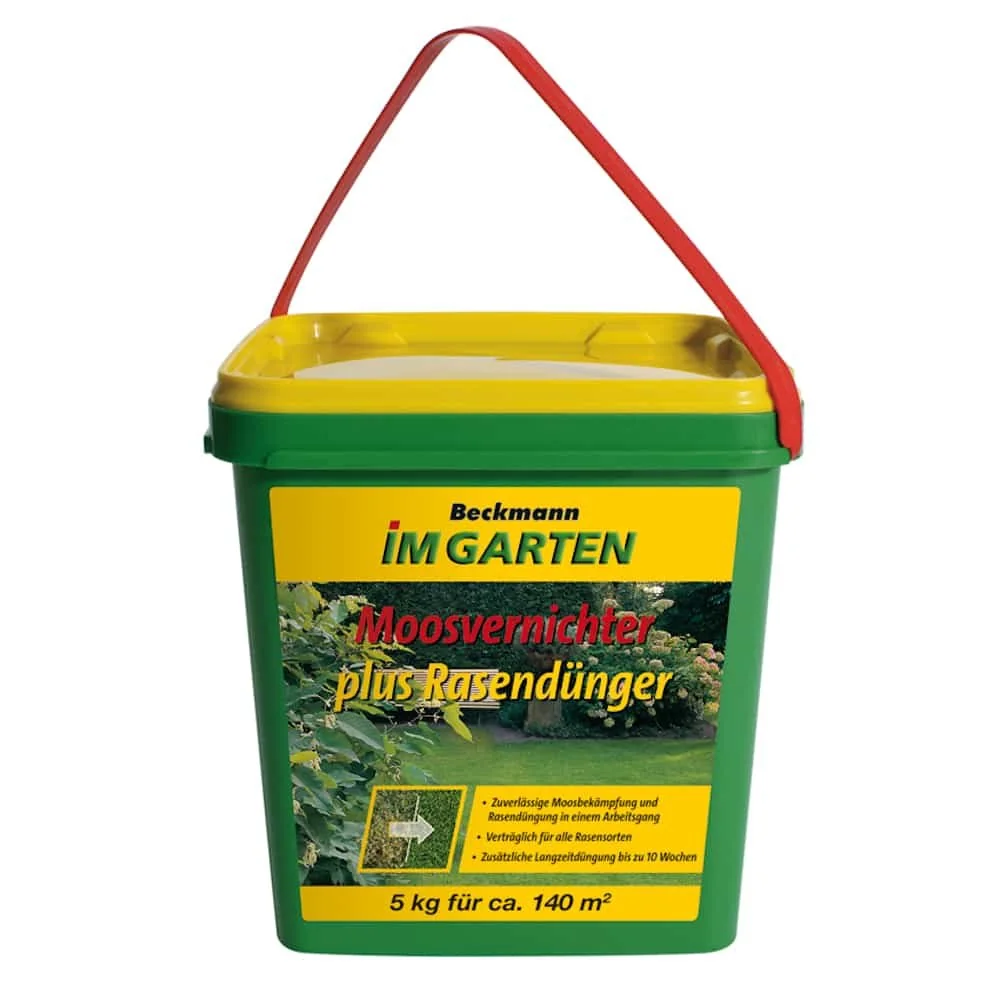
Aftercare is crucial. Well-prepared soil is half the battle for any new planting. Give the soil time to settle before you start building or planting.
Which tools and aids are essential?
The right equipment makes the work safer and more efficient. In addition to the basic tools already mentioned, such as a spade and axe, other aids are useful. A sturdy wheelbarrow transports soil and root debris.
Practical aids such as a also help protect your joints while working at ground level. Even more comfort is provided by a folding . It serves as both a seat and a kneeling bench.
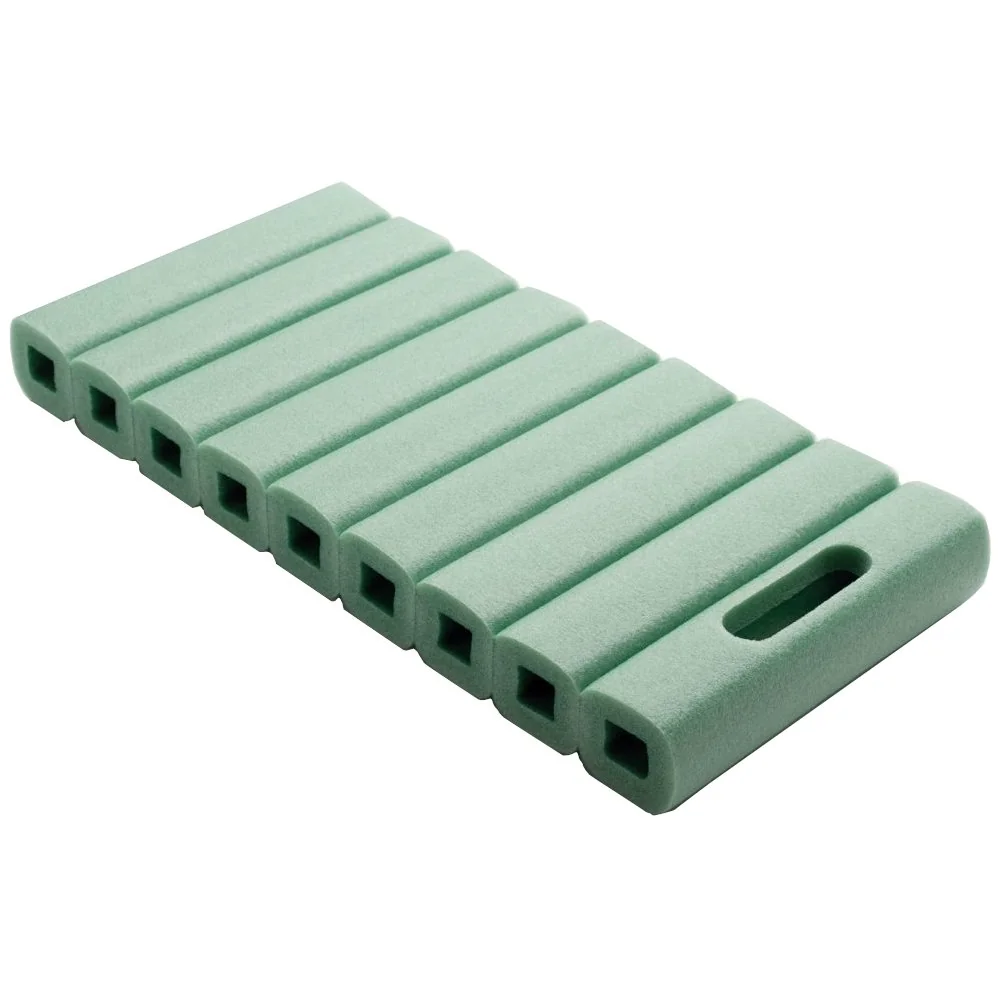
Dull tools are dangerous. Keep your blades sharp with a whetstone. Store heavy equipment in a dry, protected place. A well-stocked selection of garden tools is the foundation for any demanding gardening work.
When is professional help necessary?
Some situations exceed the capabilities of the home gardener. Very large or deeply rooted tree stumps, such as those from oak or poplar trees, require heavy-duty equipment. Extra caution is also needed in confined spaces or near buildings.
Professionals have the experience and insurance to handle these situations. Consult a specialist if you are unsure. The cost of hiring a professional is often lower than renting the wrong machine or repairing a garden shed that was accidentally damaged.
For all other projects, you will find the right equipment in our extensive shop. From planning to maintaining your garden, we offer the tools and materials you need.
The best method depends on your resources. Time, budget and physical fitness are the key factors. Manual work is inexpensive and thorough. Machines save time and effort. Chemical aids require patience.
Whichever method you choose, you can handle the task with the right tools and careful preparation. Clear, root-free soil opens up all kinds of possibilities for creative garden design.
Frequently asked questions
- How can I remove a tree stump without a machine?
- Remove a tree stump manually with a spade, root axe and saw. Loosen the soil around the stump, cut through the visible roots and lever the stump out with a pry bar. This method is physically demanding but inexpensive and suitable for small to medium-sized stumps.
- How long does it take for a tree stump to rot?
- A tree stump naturally rots over five to ten years. The process depends on the type of wood, climate and soil moisture. You can speed up decomposition by drilling holes in the stump and filling them with compost or special products. Alternatively, fungal cultures can help break it down.
- How much does it cost to have a tree stump ground?
- Professional stump grinding costs between 50 and 150 euros per stump, depending on its diameter and accessibility. You can rent a stump grinder from around 80 euros per day. Remember to factor in transport and your own working time. Large or hard-to-reach stumps increase the price.
- Can I burn a tree stump?
- Burning a tree stump is dangerous and prohibited in many communities. Embers can remain in the root system for weeks and cause a ground fire. Controlled, superficial burning of small remnants should only be considered under the strictest supervision and with permission. Mechanical methods are safer.
- Which tools do I need to remove roots?
- For manual root removal, you need a sturdy spade, a root axe or axe, a bow saw for thick roots and possibly a pry bar. For machine work, rent a stump grinder. Protect yourself with work gloves, safety shoes and safety goggles.
You may also be interested in
- Wurzel-Weg review: An effective and safe way to remove tree stumps?
- Tree stump as garden décor: Creative upcycling ideas
- Effective weed removal: Methods and tools
- Digging over your garden: When, how and with which tools?
- Fungal infestation on tree trunks: How to identify and combat it
- Wurzel-Weg vs. alternatives: Stopping roots in pipes