
In brief: Renovate your outdoor staircase by first assessing its condition and gathering the necessary materials. Use repair mortar for minor damage and plan to replace the steps completely if the damage is extensive. A new surface protects against the weather and gives your entrance stairs a fresh look. With thoughtful design, they can become an eye-catching feature.
Renovate an outdoor staircase: step-by-step to a new staircase
A weathered outdoor staircase detracts from the first impression of your home. It is not just an eyesore but can also pose a safety risk. The good news is that with some DIY skills and the right preparation, you can often renovate your concrete staircase yourself. This guide takes you through every step.
Assessing the condition: what needs to be done?
Before buying materials, assess the damage carefully. Inspect every step and the handrail. Are only the surfaces weathered, or are there deep cracks? Tap the steps with a hammer. A bright, clear sound means the concrete is solid. A dull sound indicates hollow areas.
Small cracks and chips along the edges can be repaired. More extensive damage, especially when it runs through the entire step, may indicate structural problems. Take care here. Record all damage with photographs.
Important note
For deep, changing cracks, sunken steps or suspected moisture damage in the foundation, always consult a structural engineer or civil engineer. The structural stability of your staircase is the top priority.
Materials and tools: what you need
For the renovation, you need materials specifically designed for outdoor use. Basic materials include concrete repair mortar, bonding primer and your chosen surface covering, such as tiles or natural stone. Tools such as a hammer, chisel, grinder, notched trowel and spirit level are essential.
A robust transport solution is needed for moving heavy materials such as bagged concrete or slabs. A stair-climbing trolley is ideal for this. You can find suitable models in our business supplies section.
: This aluminium stair-climbing trolley can carry up to 200 kg and safely handles staircases with multiple steps. Move heavy bags of repair mortar or packs of tiles without straining your back.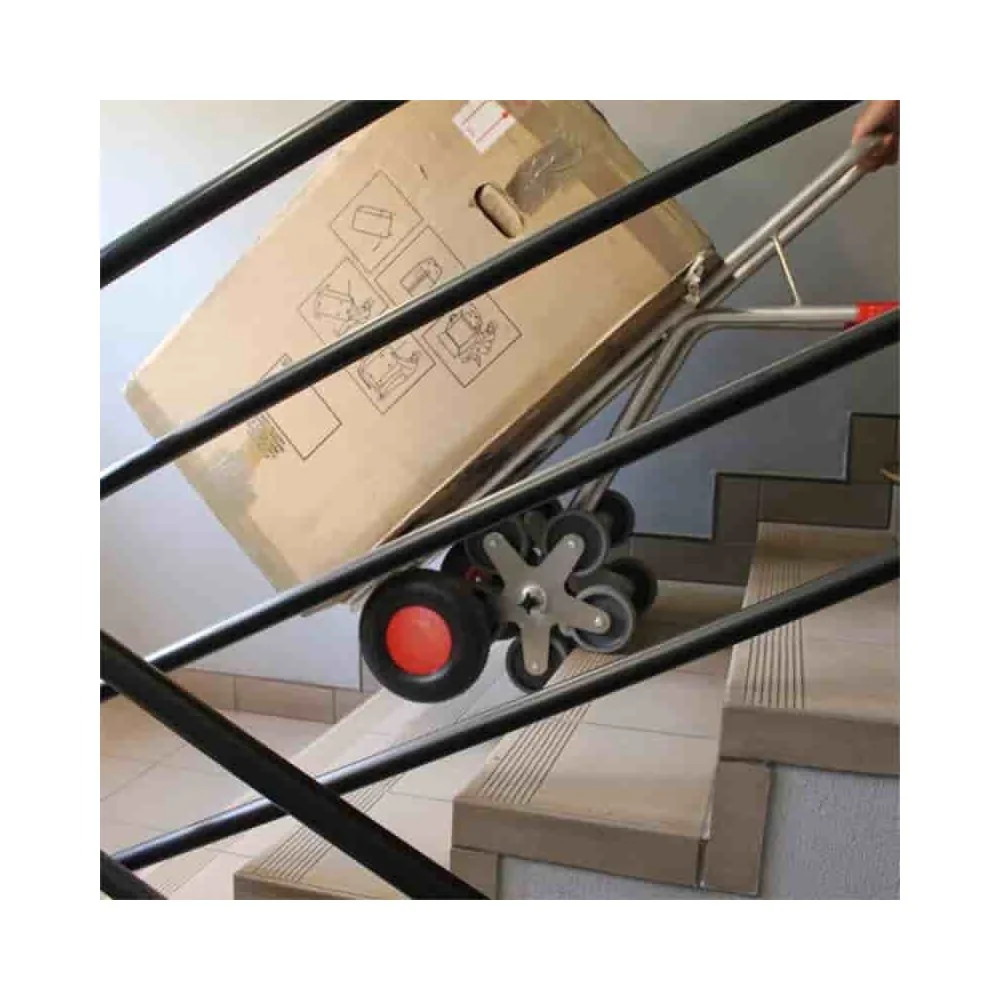
How do I repair damaged concrete steps?
After thoroughly cleaning the steps and removing loose material, begin the repair. Fill deep chips and holes in layers with repair mortar. For narrow cracks, use a pourable epoxy resin mortar that penetrates deeply.
Work at temperatures above 5°C and protect freshly repaired areas from rain and direct sunlight. The surface should be rough and level so it can provide the best possible base for the new covering. Once the material has cured, you can sand down the repaired areas.
“Preparation is everything. An absolutely clean, dust-free and stable substrate is the basis for any long-lasting repair. Do not skimp on time or materials here.”
Remove and prepare the old surface covering
If an old tiled or natural stone surface has weathered, you must remove it completely. Use a rotary hammer with a chisel attachment. Work carefully to avoid damaging the concrete underneath.
After removal, the substrate is often uneven. Use a suitable levelling compound for outdoor use to create a smooth, level base. Then apply a bonding agent. This seals the pores and ensures a reliable bond between the old concrete and the new surface covering.
Professional tip
Before installing the new surface covering, mark the exact position and step height with a water jet or chalk. This prevents unattractive overhangs and gives you a visual guide during installation.
Which new surface covering should I choose for my outdoor staircase?
Your choice of surface covering determines the appearance, durability and safety of the staircase. Frost-resistant patio tiles with a slip-resistant surface (R10/R11) are a popular choice. Natural stone such as granite or basalt is particularly robust but often requires professional installation.
Alternatives include concrete paving slabs or special poured asphalt coatings. When choosing from our garden and outdoor range, always check that the product is suitable for heavily used outdoor areas and is frost-resistant.
Installation: step by step
Start with the top step. Mix the flexible tile adhesive according to the manufacturer's instructions. Apply it evenly with the notched trowel. Press the first tile firmly into place and check the slope with the spirit level.
Use plastic tile spacers to maintain an even joint width. Work downwards one step at a time. For precise cuts at the edges or for overlaying steps, you need a wet tile cutter.
“When laying tiles, always plan for a slope of 1-2% per step. You can achieve this by mixing the adhesive to the appropriate consistency. Standing water on the steps is the main cause of frost damage in winter.”
How can I make my entrance staircase look attractive?
Once the renovation is complete, it is time to focus on the design. A new railing made of stainless steel, wood or glass can completely change its character. Matching side borders, for example with planted planters, turn the staircase into a real highlight.
Lighting improves both safety and ambience. Install recessed ground lights in the side stringers or add step lighting. In our garden equipment section, you will find inspiration for decorative outdoor lights.
Additional advice
Do not forget the side stringers. Cladding them with durable wood, brick slips or a thin layer of the same material used on the step surfaces creates a harmonious overall look and protects the concrete sides.
Finishing work and maintenance
Once the adhesive has cured (approx. 24-48 hours), grout the tiles with flexible, frost-resistant grout. Remove excess material immediately with a damp sponge.
Protect the newly renovated staircase from heavy pressure during the first few weeks, for example from moving heavy furniture. Regular cleaning without harsh cleaners will preserve its appearance. In winter, use grit rather than salt to protect the surface.
: The sturdy aluminium multipurpose ladder is an indispensable helper for all future work around the house once the renovation is complete. It allows you to safely reach gutters, hanging flower baskets or the facade for a fresh coat of paint.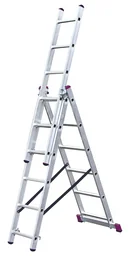
When does a complete replacement make sense?
Not every staircase can be renovated economically. In the case of serious structural problems, extreme wear or if you want to change the basic shape, rebuilding is the better solution. This is a job for professionals.
A specialist contractor can build a new concrete staircase or install precast reinforced-concrete steps. It is also possible to install a modern steel staircase with wood or stone treads. In this case, obtain several quotes.
Whether you renovate or rebuild, a well-maintained, safe outdoor staircase adds considerable value to your home. It provides safety for all residents and visitors and is the calling card of your house. With patience and care, you can successfully complete this project.
Frequently asked questions
- Can I repair cracks in a concrete staircase myself?
- Yes, you can seal smaller cracks up to approximately 5 mm wide yourself using flowable resin mortar or special concrete repair mortar. Larger areas of damage, broken edges or deep cracks often indicate structural problems and should be assessed by a professional before you start work yourself.
- What is the best surface for an outdoor staircase?
- Tiles with a slip-resistance rating of R10 or higher, natural stone slabs or special weather-resistant decking boards are ideal surfaces. Make sure they are frost-resistant and professionally installed with suitable adhesive and grout to prevent frost damage.
- How do I prepare an old concrete staircase for a new surface?
- The staircase must be completely clean, solid and structurally sound. Thoroughly remove loose plaster or old coverings. Level out uneven areas with levelling compound. Finally, apply a bonding primer for low-absorbency substrates. This step is crucial for long-lasting adhesion.
- How much does it cost to renovate an outdoor staircase?
- The cost depends heavily on the scope of the work. Doing the work yourself, including materials for repairs and new surface coverings such as tiles, starts at a few hundred pounds. A complete rebuild or elaborate design elements such as metal or glass railings can quickly increase the cost to several thousand pounds.
- Do I need to consider the staircase gradient during renovation?
- Absolutely. The steps should have a slight gradient of around 2% towards the front so that rainwater and meltwater can drain safely and puddles do not form. You should recreate this gradient during a complete renovation or take it into account when installing a new surface.
You might also be interested in
- Renovating stairs: How to make old steps look like new yourself
- Paving a stone patio: Step-by-step guide for DIY enthusiasts
- Build a tiered raised bed from concrete blocks yourself: The guide
- Renovating a house: Planning and important steps for your project
- Build your own stair shelving: DIY furniture for the kitchen or bathroom
- Designing a patio: Before-and-after inspiration