
In brief: You can renovate an old lawn by first assessing its condition. If there is heavy thatch or extensive bare patches, complete lawn renovation is the best option. This involves mowing very short, scarifying thoroughly and loosening the soil. After levelling the ground, sow new lawn seed and water regularly. A suitable starter fertiliser helps it establish.
Renovating an Old Lawn: Step-by-Step Guide
Is your lawn no longer green and dense, but full of bare patches, moss and weeds? Lawn renovation will restore it. This guide takes you through the process.
We explain when overseeding is enough and when you need to renovate the entire lawn. You will learn about the right tools and get precise instructions for each step.
Expert tip
Analyse the soil before renovating your lawn. A simple pH test from a garden centre will show whether your soil is too acidic. If the pH is below 5.5, applying lawn lime can significantly improve growth.
How to tell whether your lawn needs renovating
Not every lawn needs to be completely renovated. Check three things. Does the lawn contain more than 50 percent weeds or moss? Are there large bare patches? Is the soil extremely compacted and unable to absorb water?
If you answer yes to two of these questions, plan a thorough renovation. If there are only a few bare patches and little moss, intensive scarifying followed by overseeding is often enough.
How do you prepare an old lawn properly?
Preparation is the most important step. It determines the success of the entire lawn renovation. Start when the ground is frost-free and dry.
Mow the remaining old grass as short as possible. Set your lawn mower to its lowest setting. Remove all the grass clippings. This gives you a clear view of the area.
Thorough scarification removes more than just moss: it aerates the soil and creates ideal conditions for new lawn seed. Work in both lengthwise and crosswise passes.
Scarify the entire area intensively. The blades should cut slightly into the soil to loosen the thatch. Rake up the loosened material thoroughly. This step is hard work, but essential.
Loosening and levelling the soil
After scarifying, the soil is often still compacted. Loosen it thoroughly with a garden fork or rotavator. This improves water absorption and root growth.
Level the area with a wide rake. Remove stones and large pieces of root as you work. On heavy soils, work in some lawn sand. This improves drainage.
Important note
Never use ordinary building sand. Its grains are too fine and cause the soil to become waterlogged. Special lawn sand or quartz sand with a grain size of 0-2 mm is ideal.
Which lawn seed and fertiliser should you choose?
The seed mix you choose determines how robust and attractive your new lawn will be. Cheap mixes often germinate unevenly and are prone to disease.
Invest in a high-quality mix. A hard-wearing sports and play lawn is suitable for families with children. For shady areas, choose a special shade-tolerant lawn mix.
The right fertiliser gives your lawn the best start. A starter lawn fertiliser is rich in phosphorus. It supports root development during germination. Apply it before sowing.
How to sow lawn seed perfectly
Sowing requires care. Divide the total amount of lawn seed into two halves. Sow the first half lengthwise. Spread the second half across the first direction.
This ensures even coverage. Then lightly rake the seed into the surface. Do not sow it too deeply, as lawn seed needs light to germinate.
Finally, roll the area with a lawn roller or firm it down by walking on boards. This improves seed-to-soil contact. A thin layer of fine compost or seed-starting soil protects the seed from birds and drying out.
Consistent moisture during the first three weeks is the decisive factor for even germination. If the top layer of soil dries out even once, the young seedlings will die.
How do you water and care for a new lawn?
Watering is now your most important task. During the first two weeks, the surface must remain moist at all times. Water several times a day for short periods using a fine spray.
A powerful jet of water will wash the seed away. A hose holder with a suitable connector, such as the
, helps with gentle watering. A robust pressure hose is ideal for this.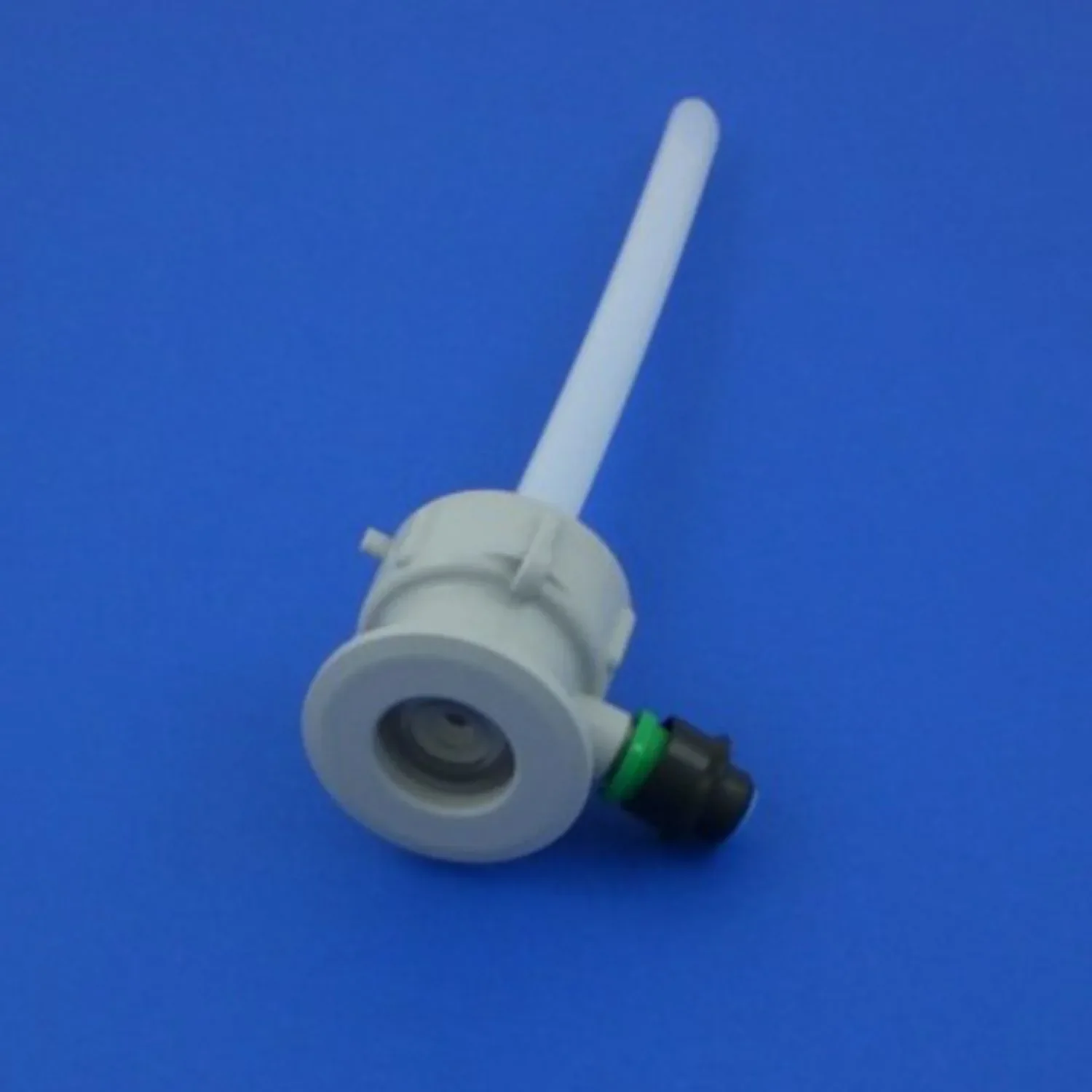
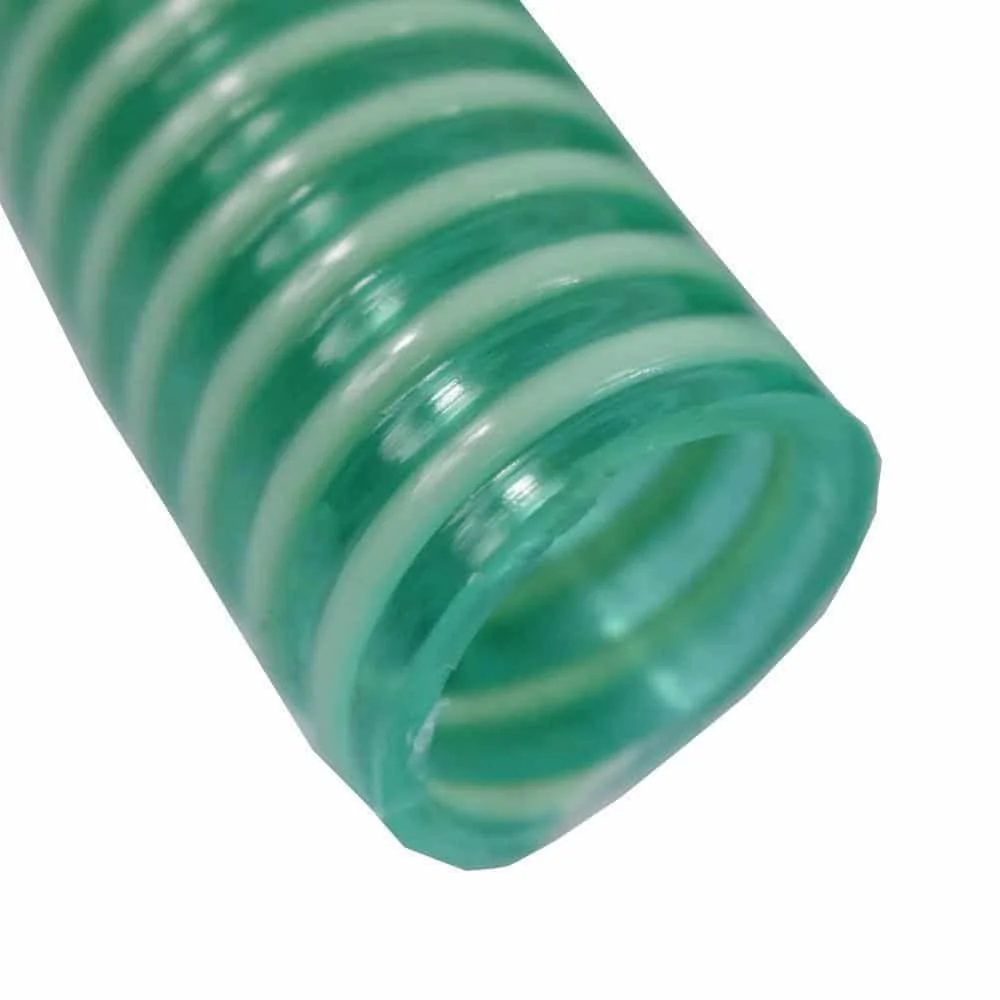
Avoid waterlogging. The first blades of grass will appear after about three weeks. At that point, water less often but increase the amount of water per session. This encourages deeper roots.
Additional advice
Protect the germinating area from birds. Simple bird scarers or taut strings can help. For a permanent feeding station away from the lawn, consider a suet ball holder.
The first cut and further fertilising
Mow for the first time when the grass is about 8-10 cm tall. Set the mower blade to a height of 5-6 cm. Make sure the blades are sharp so they do not pull out the young grass.
Always remove the grass clippings. After six to eight weeks, apply a standard lawn fertiliser. In autumn, apply a special autumn lawn fertiliser with plenty of potassium to improve frost resistance.
How do you keep your new lawn looking good long term?
Regular lawn care prevents you from needing another lawn renovation soon. Mow weekly during the main growing season. Vary the mowing direction each time.
Scarify once a year in spring. Fertilize three to four times a year. During dry spells, water thoroughly rather than frequently and superficially.
For large areas, a robotic lawn mower such as the
can make lawn care easier. It keeps the lawn healthy through frequent, gentle mowing and promotes a dense turf.
Keep an eye on your lawn. Yellow patches can indicate a nutrient deficiency, fungal disease or incorrect watering. Act early to preserve your hard work for years to come.
With this step-by-step guide, you can transform your old, tired lawn into a vibrant green oasis. The effort will pay off for many years.
Frequently asked questions
- When is the best time to renovate a lawn?
- The best time to renovate a lawn is in spring between April and May or early fall in September. The soil is warm enough for rapid germination, and there is usually sufficient rain. Avoid periods of frost and the hot summer heat, as young grass can otherwise burn or dry out.
- Can I simply overseed an existing lawn?
- Overseeding an intact existing lawn can fill in bare patches. However, it is not enough for heavily matted or moss-covered lawns. In that case, you must open up the soil by scarifying or aerating it so that light, water and the new seeds can reach the soil. Otherwise, the seeds will not germinate properly.
- Which grass seeds are best for renovating a lawn?
- Choose high-quality grass seed mixes that suit how you use your lawn. For hard-wearing family lawns, sports and play lawn seed is ideal. Shade-tolerant grass thrives under trees. Check the germination rate and use a special starter lawn fertilizer for new lawns to encourage establishment.
- How deep should I set the scarifier when renovating a lawn?
- Set the scarifier blades so that they cut no more than 2-3 millimeters into the soil surface. The aim is to remove thatch and shallow-rooted moss without seriously damaging the roots of healthy grass. For a complete lawn renovation, you can work deeper to prepare the soil for overseeding.
- How long should I avoid walking on a newly renovated lawn?
- Do not walk on freshly overseeded areas or newly laid pieces of turf for at least four to six weeks. The young grass needs time to take root. Only once the lawn has reached a height of around 8-10 cm and can be mowed gently for the first time is the area ready for regular use again. Patience is the key to success.
You may also be interested in
- How do I create a new lawn properly?
- Repairing a lawn: How to make your grass dense and healthy again
- Lawn care basics: How to achieve the perfect lawn step by step
- Laying sod: Costs, preparation & practical tips
- Seeding a lawn: Step-by-step guide to a dense lawn
- Lawn propagation: How your grass grows back