
In brief: Renting a dumpster makes construction debris disposal clean, efficient and compliant with local requirements. The provider delivers a dumpster in the size you need, picks it up when it’s full and disposes of the contents properly. This saves you countless trips to the dump and helps ensure waste is sorted correctly.
Rent a Dumpster for Efficient Construction Debris Disposal
Renovation, demolition and new construction inevitably produce debris. Renting a dumpster helps keep your job site organized so you can focus on the work instead of hauling waste away.
Here’s how to choose a dumpster service, estimate costs and meet your disposal requirements.
How does dumpster rental work for construction debris?
You hire a waste disposal company to deliver an empty dumpster to your chosen location. You fill it during the agreed rental period. The company then picks it up and disposes of the contents properly.
This saves time, effort and planning. You won’t have to make repeated trips to a recycling center, which also protects your vehicle and keeps your project on schedule.
Pro tip
Order your dumpster before demolition begins. That way, you’ll have a place for debris from the start and can keep your job site clean and safe.
Choosing the right dumpster size
Dumpster sizes range from 3 cubic metres for small projects to more than 30 cubic metres for large job sites. Common sizes include 5m³, 10m³ and 15m³.
A 5m³ dumpster holds approximately 25-30 wheelbarrow loads. It’s a good fit for gutting a small bathroom, including the tiles and plumbing fixtures.
For a full attic renovation or a larger excavation project, plan for 10m³ or more. It’s better to allow extra room: scheduling a second pickup means additional transportation costs.
What construction debris can go in a dumpster?
That depends on the disposal service you choose. Most providers separate materials into clearly defined categories.
Separating construction waste correctly is more than a bureaucratic exercise: it’s the basis for high-quality recycling. Only materials sorted by type can be efficiently processed into new products.
Accepted materials: concrete, brick and more
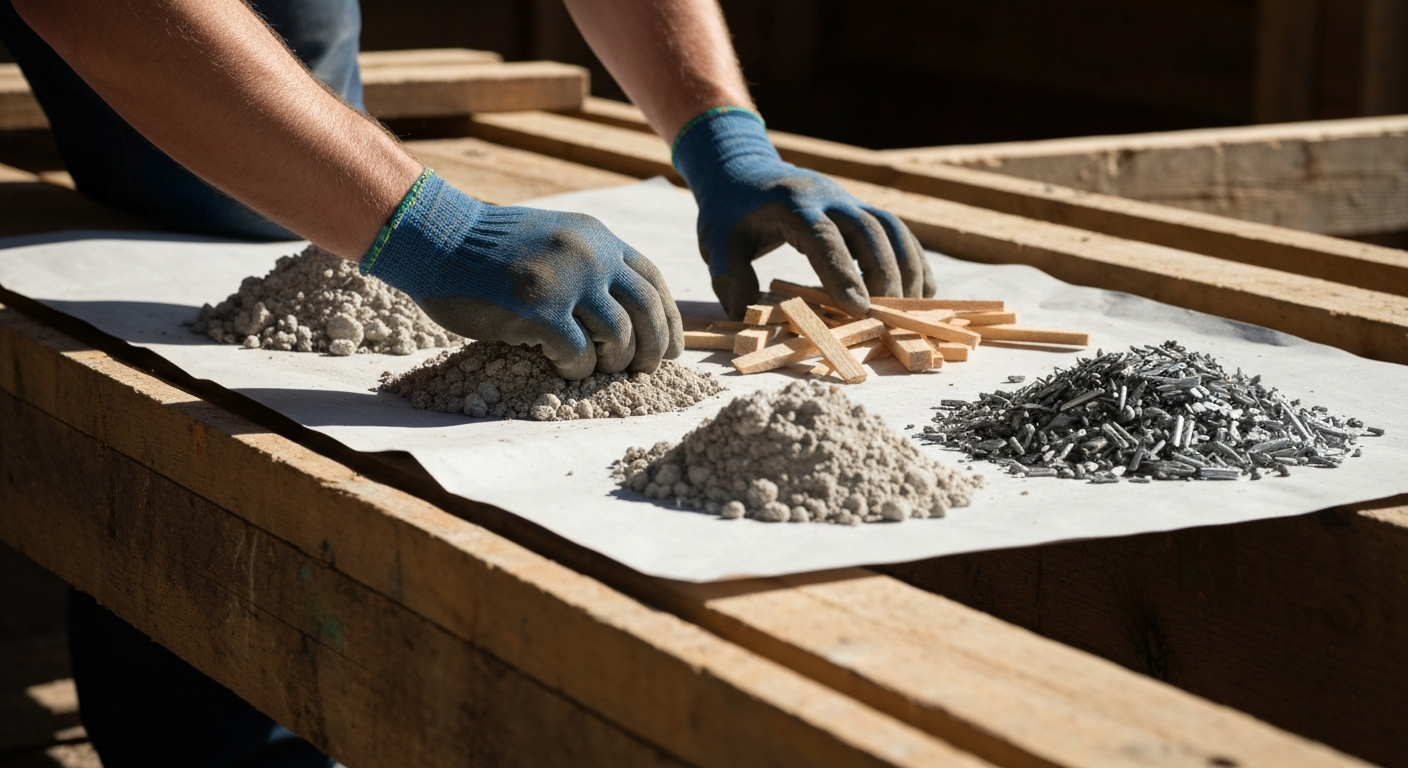
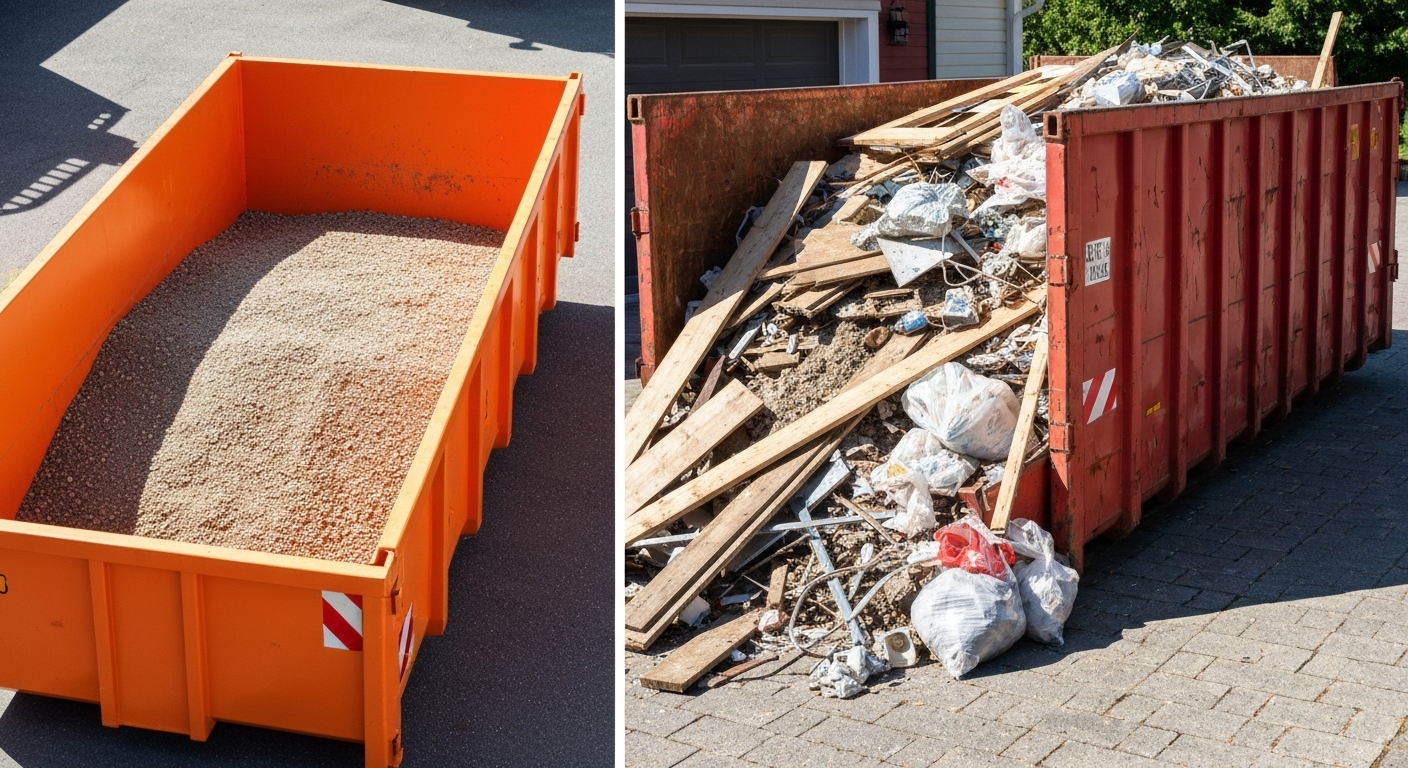
A standard concrete and masonry dumpster accepts mineral waste, including concrete, bricks, tiles, ceramics and masonry. Natural materials such as gravel and sand are generally accepted, too.
Mixed construction debris usually requires a different service. It may also accept untreated wood, plastic sheeting, metals and uncontaminated packaging. Check with the provider to confirm what’s allowed.
The right equipment is essential for any major construction project. Browse our construction tools category.
Important note
Hazardous materials are strictly prohibited in dumpsters. These include asbestos-containing materials, tar-containing road debris, painted wood, paint and varnish residue, and batteries. These materials require specialized disposal.
Special case: asbestos requires safe disposal
Asbestos in older buildings requires special care. Only qualified specialists may remove hazardous fibers, which must be disposed of in specially labeled containers.
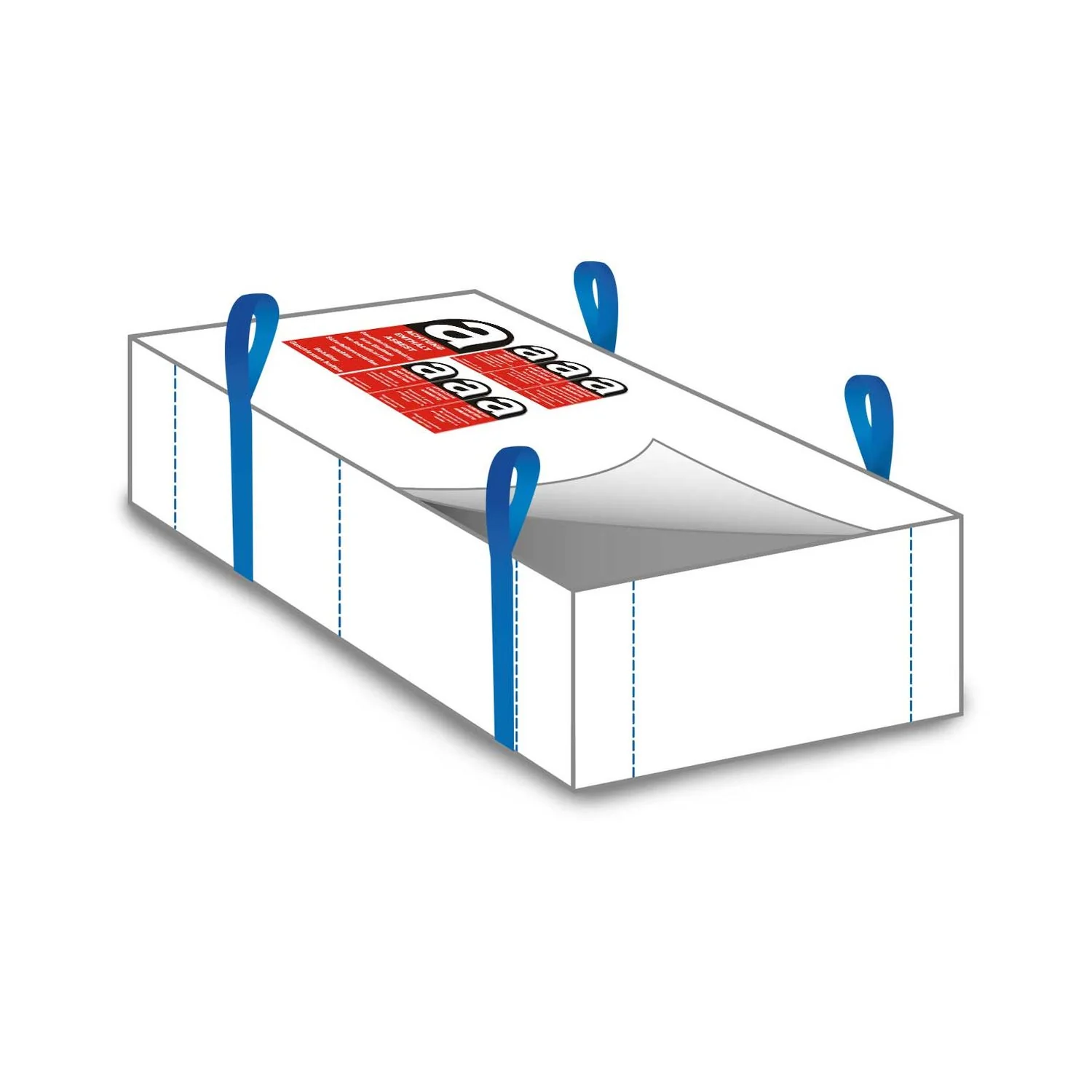
For smaller quantities, such as when replacing old asbestos cement sheets in the garden, we offer practical solutions. Our
, the asbestos sheet Big Bag, is made for this purpose. It has a high load capacity of 1500kg and the required hazardous material labels.
For even smaller quantities or safe temporary storage, the
, Mini asbestos bag, is a good choice. The , asbestos Big Bag also offers a sturdy, compliant disposal solution.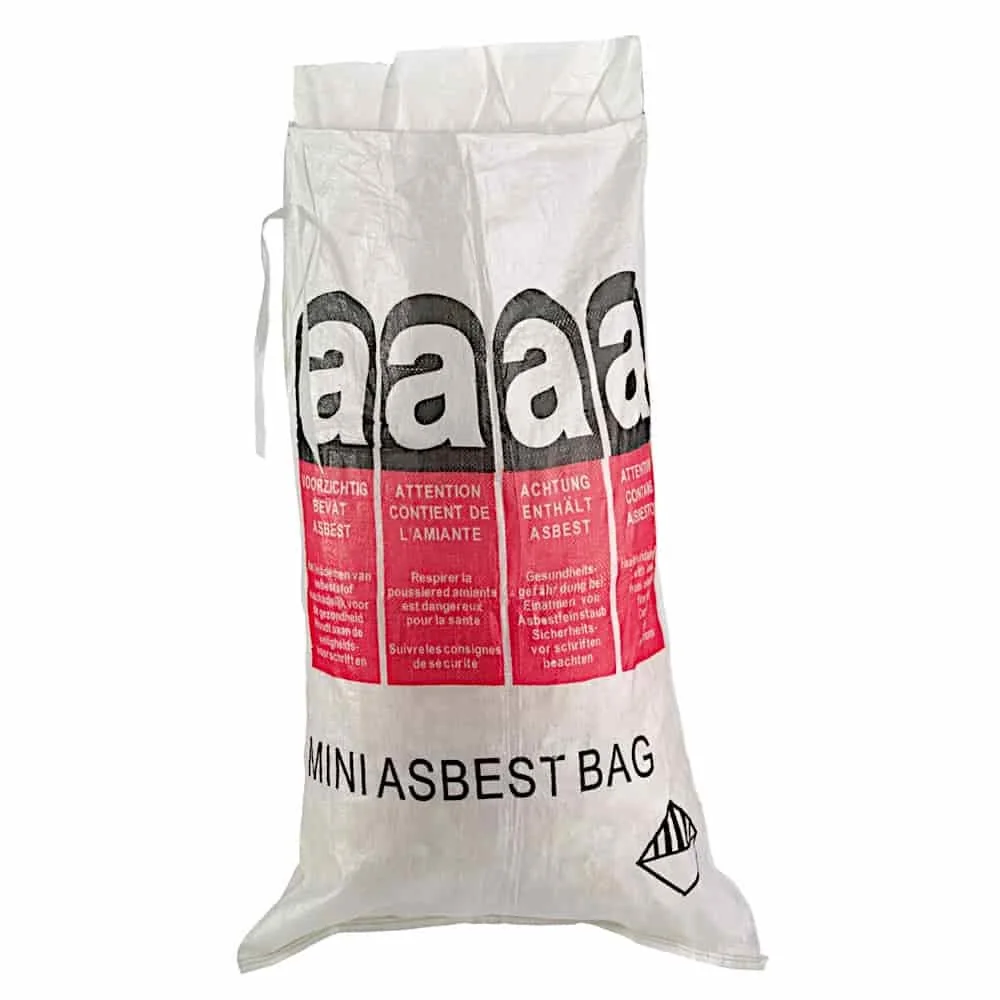
How much does dumpster rental cost?
The total cost has three main parts: the base rental fee, delivery and pickup charges, and disposal fees for the specific material.
A 5m³ dumpster for clean construction rubble often costs 250 to 400 Euro all-inclusive. Mixed construction debris costs more because it requires additional sorting. The final charge is often based on weight or the volume of the filled dumpster.
Clear pricing matters. A reputable quote spells out the rental period, included empty weight, disposal method, any overfill charges and placement terms. There should be no hidden costs.
Factors that affect the price
The rental period affects the price. One week is a standard rental period, and each additional day may cost extra. Confirm the terms in advance.
Material type is the biggest cost factor. Concrete and masonry are cheaper to dispose of than mixed waste. Sorting materials can help: disposing of a tonne of separated concrete costs less than a tonne of construction debris mixed with wood.
Placement also matters. Placing the dumpster on your private property is usually simpler. If it has to go on public property, you’ll also pay for the municipality’s special-use permit.
Additional advice
Always request several quotes. Compare more than the final price and check what each quote includes: Which materials are accepted? How long is the rental period? Is there a weight limit? These questions can help prevent unexpected charges.
Legal requirements: What do I need to know?
Disposing of construction waste is subject to strict regulations. The German Circular Economy Act requires you to separate materials and ensure they are recycled to a high standard.
As the property owner, you are responsible for ensuring that waste is disposed of correctly. This also applies if you hire a dumpster rental company. Always choose a certified waste disposal company.
Ask for a waste transfer note or disposal certificate after pickup. This document proves that your waste was recycled legally and professionally. Keep it for several years.
Permit for using public property
If you plan to place the dumpster on a sidewalk or road, you must apply for a special-use permit from your local city or municipal authority.
This application involves fees and takes time to process. Allow one to two weeks. If you place the dumpster without a permit, you risk a substantial fine and immediate removal at your expense.
A smart alternative is placing it on your own property. Check whether your driveway or a parking space on your property is large enough. For securing the worksite, you can find suitable tarps and nets in our shop.
Booking a dumpster rental service: Step-by-step guide
Follow a systematic approach to find the ideal service for your construction project.
1. Determine the waste volume and type
Estimate the volume of your waste. Base your estimate on a compact pile. Remember that loose material will settle in the dumpster. If you are unsure, many waste disposal companies offer online volume calculators.
Make an inventory of the materials. Is it purely mineral construction debris? Is there any wood or metal? Include this list when requesting a quote.
2. Get and compare quotes
Use local providers. Short transport distances keep costs down. Give everyone the same information: the dumpster size you need, a list of materials, the expected rental period and the exact location.
Compare quotes based on the service description, not just the price. A provider that appears cheaper may charge extra for each ton or offer a very short rental period.
Useful garden tools can help clear areas when preparing the worksite.
3. Place your order and prepare the site
After booking, you will receive a delivery date. Prepare the site for the dumpster. It must be level, stable and easily accessible for the truck's backing system.
Remove obstacles such as parked cars, trash cans or overhanging branches. Inform your neighbors about the upcoming dumpster delivery.
Think about safety. When placing the dumpster on a public road or path, barriers and warning lights are often required. Your waste disposal company can advise you on this.
4. Fill the dumpster and arrange pickup
Start filling the dumpster. Place heavy, compact materials such as chunks of concrete at the bottom. This stabilizes the dumpster. Fill gaps with smaller material.
Do not overfill the dumpster. The load must not protrude above the rim. An overfilled dumpster will not be picked up or may result in significant additional costs.
Contact the provider in good time to arrange pickup as soon as the dumpster is full or the rental period ends. Agree on a specific pickup date.
Alternatives to traditional dumpster rental
Other solutions may be suitable for certain projects or quantities.
Big Bags: Flexible disposal for small quantities
For smaller quantities of up to around 1.5 tonnes, a Big Bag is a smart alternative. You can often get this sturdy bag from home improvement stores or waste disposal companies.
You fill it at the worksite, and a crane truck picks it up. This saves space because the bag only takes up the room actually needed. Big Bags are available for mineral waste and also for special materials such as asbestos ().
After finishing work in the garden or around the house, take a look at our barbecues and fire pits range to round off the day in comfort.
Transporting waste yourself to a recycling center
For very small quantities, such as after a weekend renovation project, transporting the waste yourself to a recycling center may be cost-effective.
Check with your local waste facility in advance about accepted materials, opening hours and fees. Small quantities of construction waste can often be dropped off free of charge or at very low cost.
Consider the effort involved in loading, transporting and unloading. Weigh the time and physical effort against the cost of renting a dumpster.
Conclusion: Efficient professional waste disposal
Renting a dumpster is an investment in a smooth construction process. You are buying time, safety and peace of mind about legal compliance.
The key is careful preparation: choose the right size, separate materials from the outset and clarify all permit requirements.
With a reliable partner at your side, you can dispose of your construction waste efficiently, economically and in full compliance with the law. This allows you to focus on what matters: your construction project.
Frequently asked questions
- What construction waste can I put in a dumpster?
- Mineral materials such as rubble, concrete, bricks, tiles or ceramics are generally permitted. Lightweight materials such as wood, metal or plastics often need to be booked separately. Hazardous materials such as asbestos, paint residues or bitumen are almost always excluded and require special disposal solutions such as our PRODUCT_3617.
- How long can a dumpster remain on public property?
- To place a dumpster on public roads, you need a paid special-use permit from your local municipality or city administration. Apply for it well in advance. No permit is usually required on private property, such as your driveway, but make sure the ground is stable enough and that the dumpster does not pose a safety hazard.
- How much does it cost to rent a dumpster?
- The cost includes the rental fee, transportation and disposal. A 5m³ dumpster for construction debris often costs from 300 euros. The final bill depends on the amount and type of material as well as the rental period. Always request a detailed quote that clearly lists all charges.
- What dumpster size do I need for my project?
- A 5m³ dumpster is often enough for a complete bathroom renovation. A loft conversion or major demolition work requires 10m³ or more. Estimate the volume roughly: 1m³ is equivalent to around 5-6 full wheelbarrows. If you are unsure, choose the next larger size to avoid the additional cost of a second pickup.
- Do I have to separate construction waste in the dumpster?
- Yes, basic separation is required and affects the price. Mineral construction debris is cheaper to dispose of than mixed construction waste. Therefore, separate wood, metal, plastics and drywall sheets at the worksite whenever possible. This saves money and makes recycling easier.
You might also be interested in
- Recycling center: How to dispose of waste correctly
- How to dispose of construction debris: Your guide to costs and options
- How to dispose of electronic waste correctly: A practical guide
- Transporting heavy yard waste: The ultimate guide
- Separating waste: Sustainable household disposal
- How to dispose of yard waste: The seasonal guide