
In brief: Renting a tool makes sense if you only need it occasionally, want to avoid a large upfront cost, or need specialized equipment for a one-time project. If you’ll use it regularly or it’s an affordable everyday tool, buying is often more economical. Compare rental fees with the purchase price, and factor in how much storage space you have.
Renting Tools: When Is Tool Rental Worth It for DIYers?
You’re planning a DIY project in the garden, around the house, or outdoors. You’ve got your materials list ready, but you’re not sure whether to buy or rent the tools. Tool rental can be a great option, but not every machine is worth renting for a short-term job. Choosing wisely can save you money and keep unused equipment from gathering dust in your garage.
We’ll show you when renting equipment makes the most sense, when buying is still a better choice, and how to compare the costs. With these tips, you can make a budget-friendly decision for every project.
The cost question: renting vs. buying tools
Start your decision with a straightforward cost comparison. Write down the purchase price of the tool you need, then check the daily or weekly rental rate at a local equipment rental shop or home improvement store.
Here’s a simple example: A high-quality cordless drill-driver costs 250 euros, while the daily rental fee is 25 euros. After ten rental days, you’ll have paid the purchase price. Ask yourself: Will I need this tool for ten full days over the next five years? If not, renting is probably the better option.
Pro tip
Remember to include accessories in your calculation. Renting a pressure washer can be inexpensive, but a matching surface cleaner or rotary nozzle often costs extra. Those fees can add up quickly. When you buy, accessories are often included in the set and ready to use whenever you need them.
Buying also comes with hidden costs, including maintenance, repairs, and storage space. A chainsaw needs regularly sharpened chains and a well-maintained cutting system. When you rent one, you get a serviced machine that’s ready to use.
Which tools are good candidates for renting?
Some types of equipment are almost always good candidates for rental: large, expensive machines you rarely use. A cement mixer for pouring the foundation of a garden shed is a classic example. You might use it for one weekend, then it could take up space for years.
Heavy-duty demolition equipment, such as jackhammers or breakers for a full bathroom renovation, also belongs on the rental list. These machines are expensive to buy, and occasional use may not justify the cost. Professional ground-preparation equipment, such as a rototiller for preparing a garden bed, is another good example.
For the keen DIYer, the rule is: buy the tools you use every two months. Rent the equipment you need every two years. It saves money and space.
How do you choose the right tools for your projects?
A well-equipped DIY household has a balanced mix of basic tools you own and specialty equipment you rent. Start with high-quality hand tools and small power tools that you’ll use often. These are worth owning.
Essentials include a sturdy hammer, a range of screwdrivers, pliers, a tape measure, a level, and a cordless drill-driver for light to medium-duty jobs. These tools are affordable to buy, useful for many projects, and always ready when you need them. Browse our Hand Tools category for inspiration.
Then rent specialty tools as needed. Need a plunge saw for precise rip cuts on a one-day project? Rent one. Planning to install laminate flooring over 80 square metres? Renting a flooring saw can save time and hassle. The right mix helps you stay flexible and keep costs down.
Important note
Before renting an expensive machine, make sure you know how to use it. Many rental shops offer a quick walkthrough, so take advantage of it. Using a wet/dry vacuum or angle grinder incorrectly can damage your project and leave you liable for costly repairs.
Choosing tool accessories and small parts
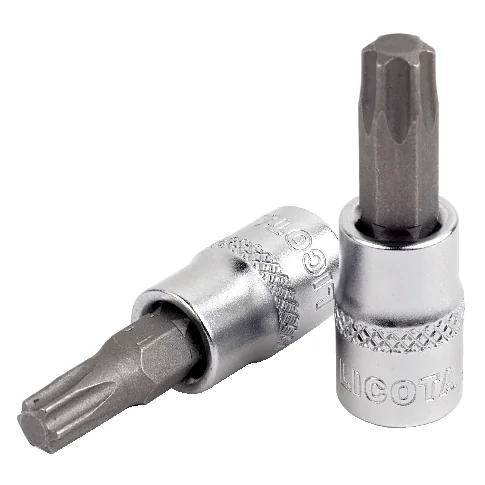
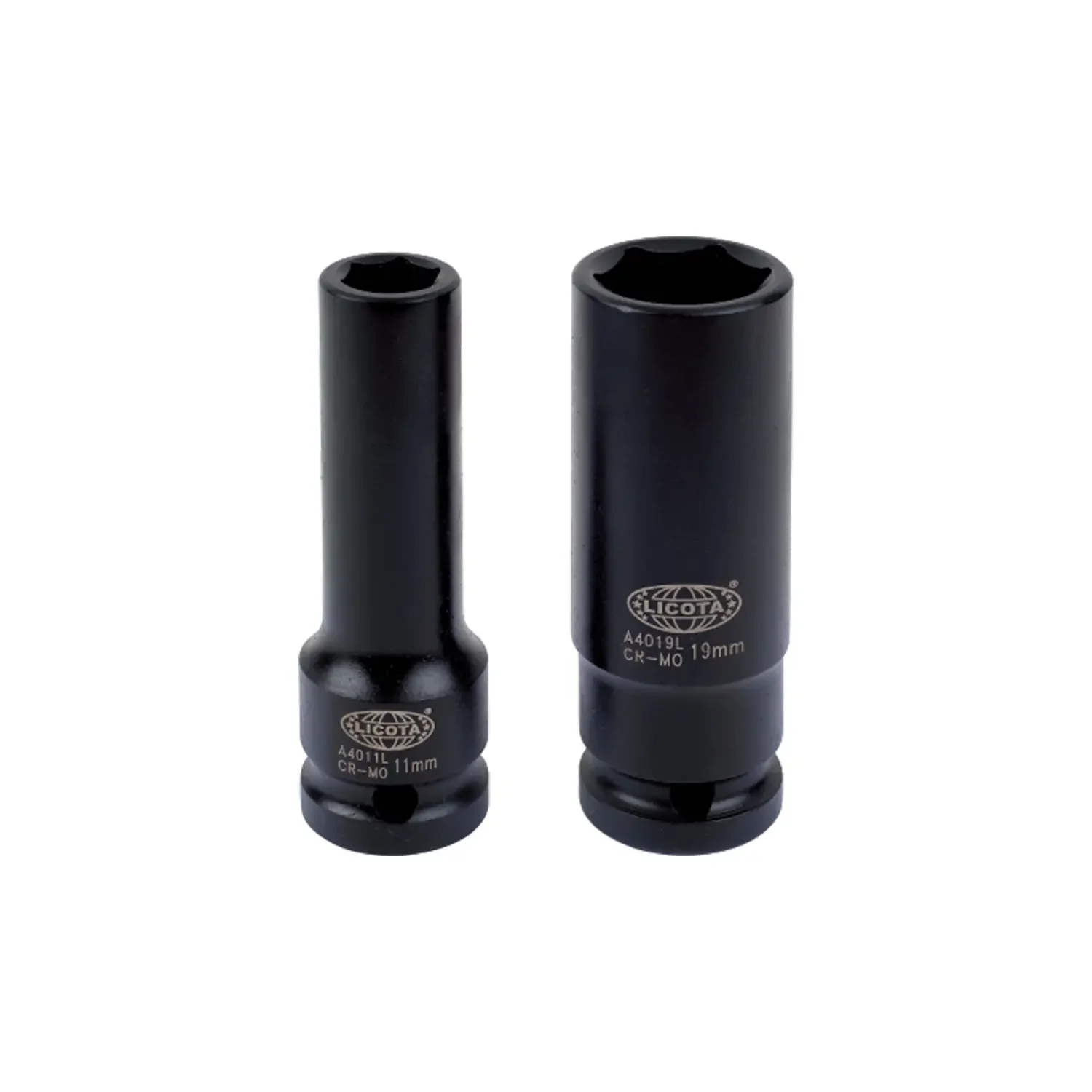
Renting small parts and accessories is rarely practical. Rental companies generally don’t rent out items such as socket sets or specialty bits, so buying them is the way to go. Products such as the (1/2-inch T27 hex socket) or the (18mm impact socket) are affordable and can last for decades if they’re well made.
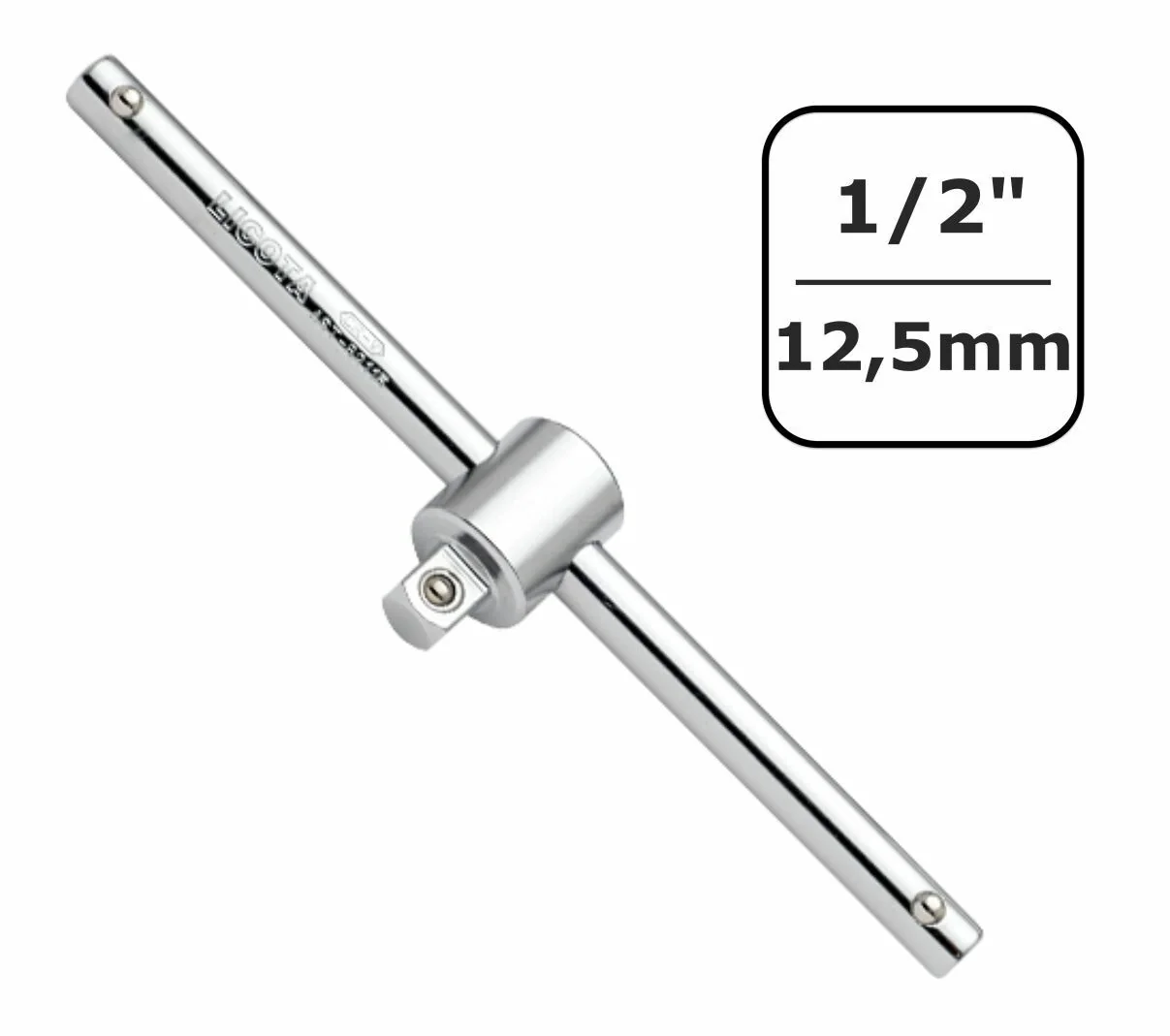
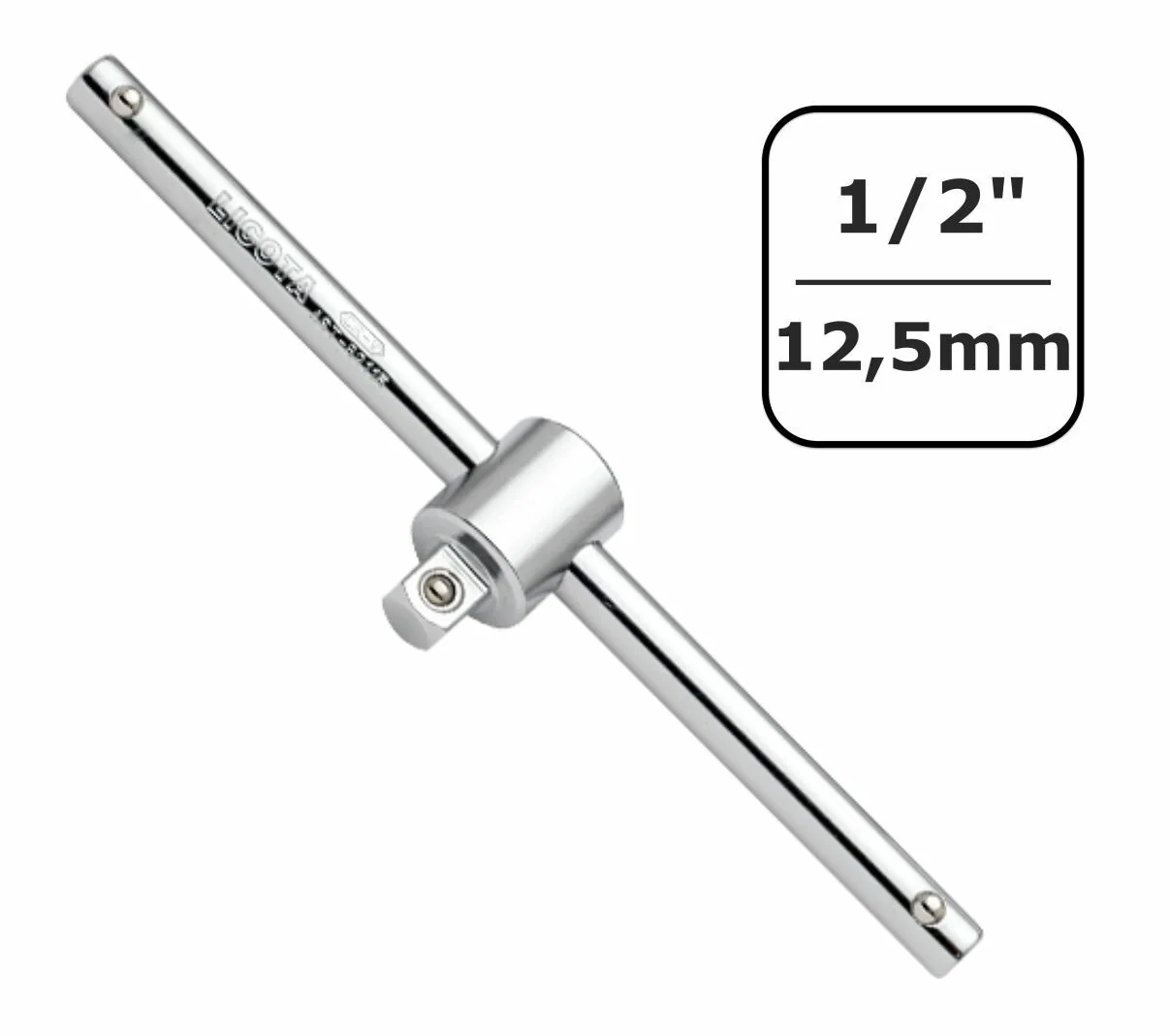
The same goes for extensions and adapters. A (1/2-inch sliding T-handle with ball detent) or a (300mm socket wrench) is a versatile addition to any workshop. These accessories complement your basic tools and make them even more useful. Browse our Tool Accessories section to find the parts you need.
A sturdy toolbox is essential for safely storing and transporting your tools and parts. It helps protect your investment. Find the right storage system in our Sockets + Tool Boxes category.
Why Are Garden Projects a Perfect Example of When to Rent Tools?
Many garden jobs only come up seasonally or even just once. That makes them perfect for tool rental. Imagine you want to remove an old tree stump. Buying a stump grinder makes no sense. Renting one for a weekend is the ideal solution.
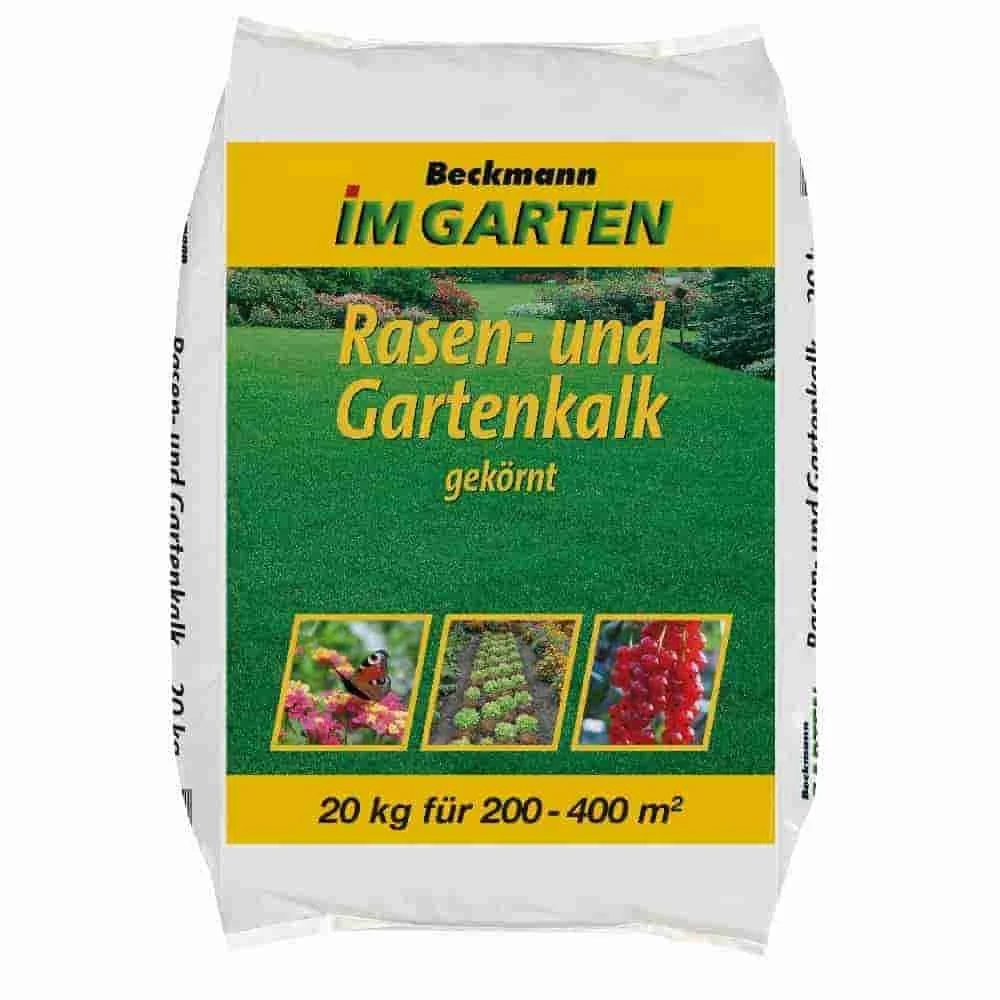
The same applies to scarifiers and lawn aerators for lawn care in spring and fall. You only need these machines once or twice a year, and storing them takes up a lot of space. Renting is much more economical. For regular fertilizing and liming, however, it is worth buying products such as the (20kg Granular Lawn and Garden Lime).
Many home gardeners underestimate the maintenance garden equipment needs. A gas-powered lawn mower needs to be cleaned, lubricated, and winterized. When you rent a tool, you get a serviced machine, return it, and don't have to worry about maintenance. It saves a lot of time.
For preparing the ground, such as turning over soil for a new vegetable bed, a cultivator is a blessing. Rent it for a day, get the strenuous work done in a few hours, and return the heavy machine. For regular upkeep by hand afterward, classic garden tools from your own collection are enough.
Project: Building a Patio – A Tool Rental Cost Analysis
You are planning to lay a 30 square metre patio made from concrete slabs. Which tools should you rent, and which should you buy? You will almost certainly rent a plate compactor to compact the sub-base and a wet saw to cut the slabs accurately.
Both machines are expensive to buy and would be of little use once the project was finished. Renting them for a weekend costs around 150 to 200 euros. Buying them would cost ten times as much. By contrast, you should buy a straightedge, a rubber mallet, a rubber broom, and a spirit level. They are affordable and useful for many other projects.
Additional advice
Bundle your tool rentals. If you're renting a plate compactor for the patio, consider whether other areas of the garden need compacting at the same time. One-time delivery and pickup fees, along with the effort involved in arranging the rental, make it worthwhile to tackle several jobs with the same machine.
Allow plenty of extra time. Don't rent the machine for only the exact day you plan to work. Book it for one additional day. This gives you a buffer for bad weather, unexpected difficulties, or scheduling constraints. In the end, stress costs more than an extra day's rental.
Why Buy Tools at All?
Renting isn't always the best solution. There are good reasons to own a tool. The most important is having it available at short notice. If a shelf is wobbly, you'll reach for your own drill driver instead of calling the rental shop.
For frequent use, buying quickly pays off. A leaf blower for a large property with lots of trees gets used every day in fall. After two fall seasons, it has paid for itself. For smaller areas or occasional use, renting is still a good alternative.
The emotional aspect matters, too. High-quality tools that feel good in your hand and work precisely are enjoyable to use. They're an investment in your skills and the quality of your projects. You get to know your own equipment inside and out, including its quirks and strengths.
Your Decision Checklist: Rent or Buy?
Answer these questions before making any major tool investment:
- Frequency: How often am I likely to use this tool each year? (More than 3 times/year points toward buying).
- Cost: Will the total rental costs for my expected needs over 3-5 years exceed the new purchase price? (Yes = buy).
- Storage: Do I have a dry, secure place for the machine and its accessories? (No = rent).
- Maintenance: Am I willing and able to maintain the machine myself (lubricating, sharpening, cleaning)? (No = rent).
- Project duration: Do I need the tool for a long-term project lasting several weeks? (Yes = consider buying or renting long-term).
This checklist gives you a structured approach. It helps you avoid impulse purchases and costly rental mistakes. Also think about the future: are you planning similar projects in the next few years? If so, buying may be worthwhile after all.
Conclusion: Combining Both Options Saves Money and Space
Today's DIYer uses both options. They own a solid selection of basic tools for everyday jobs and minor repairs. For large, infrequent, or specialized projects, they make effective use of tool rental. This strategy gives you plenty of flexibility while keeping costs to a minimum.
The key is to assess your own usage honestly. Don't overestimate how often you'll need a 50-kilo rotary hammer. Don't underestimate the convenience of always having your own set of screwdrivers on hand.
Start with the basics you buy. Then see what local rental shops have to offer. This way, you can tackle every DIY project in the garden, home, and outdoors professionally, economically, and with the right tool in hand.
Frequently asked questions
- How often do I need to use a tool before buying one makes sense?
- As a rule of thumb, buying a tool is often worthwhile if you expect to use it more than three to five times over the next few years. For expensive equipment such as a pressure washer or a large rotary hammer, the rental cost can come close to the purchase price after just two uses. Also factor in maintenance and storage space.
- Which tools should you almost always rent?
- You should rent specialist tools that you will rarely use. Examples include concrete mixers for laying a patio, demolition hammers for complete floor renovations, professional wallpapering machines, or woodworking and flooring tools such as thickness planers. These tools are expensive to buy and can be difficult to store.
- What should I look for when renting power tools?
- Check the tool's condition before you pick it up. Do the safety features work? Are all accessories, such as batteries, chargers or saw blades, included? Find out who is liable in the event of damage or theft. Browse our range of power tools to see which tools may be worth buying if you use them regularly.
- Is insurance important when renting tools?
- Yes. Most tool rental companies offer optional damage and theft insurance. Don't skip it. The cost is usually modest, but it can protect you from high additional charges if unexpected damage occurs. Read the insurance terms carefully, especially the provisions on negligence and proper use of the equipment.
- Can I rent individual items such as sockets from a home improvement store?
- No. Small tool accessories such as bits, sockets or wrenches are not available to rent. The logistics would be too complicated. It is better to buy these items. They are affordable, last a long time and are always ready to use. Browse our category for sockets and tool accessories.
You may also be interested in
- Power tools compared: Find the right tool for you
- Dull drill bits: When is a drill bit sharpener worth it?
- How to organize your toolbox: Top tips for a tidy workshop
- Types of hammers and their uses: Which hammer is right for the job?
- Tools and machinery: The ultimate guide for your project
- Top DIY projects for homeowners: 5 ideas to try yourself