
In brief: If the lock is sticking, first check the door leaf, hinges, latch and strike plate. Often, all you need to do is align the door or adjust the strike plate. If the key is difficult to turn, replace the matching lock cylinder. A faulty latch or bolt requires a new mortice lock. Follow the manufacturer's instructions when working on security doors and emergency exit doors.
Short answer: If the lock is sticking, first check the door leaf, hinges, latch and strike plate. Often, all you need to do is align the door or adjust the strike plate. If the key is difficult to turn, replace the matching lock cylinder. A faulty latch or bolt requires a new mortice lock. Follow the manufacturer's instructions when working on security doors and emergency exit doors.
Sticking locks are often caused by a misaligned door, loose door hinges or a strike plate that is in the wrong position. The lock cylinder itself is not always the cause. For this reason, check the mechanism first and only then buy replacement parts.
For most jobs, all you need is a screwdriver, a tape measure, the correct Allen key and a little patience. When working on a front or internal door, test every part with the door open. This prevents the door from closing during the repair.
Why is a door lock sticking and what should you check first?
A lock consists of several parts. The lock cylinder accepts the key, the latch holds the door in the strike plate, and the bolt locks the door leaf. Inside the door, the mortice lock connects these components to the handle and door furniture.
Moisture can cause a wooden door to swell. On uPVC or aluminium doors, the door leaf and frame can shift due to settling, temperature changes or loose hardware screws. Just a few millimetres are enough for the latch to rub against the strike plate.
How to correctly interpret common symptoms
- The key is difficult to turn: Check whether the problem remains when the door is open. If the key still sticks, the lock cylinder or mortice lock may be the cause.
- The latch does not retract fully: Slowly press down the door handle. If the latch stops, the spring in the mortice lock may no longer be working reliably.
- The bolt is rubbing: Only turn the key when the door is open. If the bolt extends easily, the strike plate is probably no longer aligned precisely with the bolt opening.
- The door does not close properly: Check the seal, door hinges and frame. A seal under tension can make closing more difficult even when the cylinder is working.
- The handle sticks: A stiff or crooked handle puts strain on the follower. Loosen the rose slightly and test the handle again.
Clean visible dirt from the strike plate and remove any loose screws. Do not spray just any oil into the cylinder. Only use a product approved by the manufacturer for maintaining lock cylinders.
Pro tip
Always test the key first with the door open. If it turns easily, the fault is almost certainly due to the alignment of the door, latch, bolt or strike plate. This saves you from unnecessarily replacing a lock cylinder that is still working.
How do you check the door, latch and strike plate?
A thorough check takes only a few minutes. Open the door fully and operate the key, handle, latch and bolt one at a time. Look and listen for rubbing noises, unusual resistance and movement in the hardware.
The test with the door open
- Insert the key and turn it in both directions. The cylinder should operate without pressure on the door leaf.
- Press the door handle all the way down. The latch must disappear flush into the lock case and spring fully back when released.
- Turn the key to the first and second bolt positions. The bolt must extend straight and smoothly.
- Move the door leaf slightly up and down. Noticeable movement indicates loose or incorrectly adjusted hinges.
- Close the door slowly. Check whether the latch and bolt enter the strike plate openings centrally.
If the mechanism works with the door open but not when it is closed, you need to adjust the lock. First check the height of the door leaf. A dropped door often hits the strike plate at the bottom or top edge.
Also check the fixing screws on the hinges, backplate or roses. Carefully tighten any loose screws. Applying too much force can damage threads in wood or plastic.
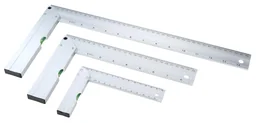
For checking the frame and door leaf, the , the 3-piece set of try squares with spirit levels, is useful. Use it to check whether edges are at right angles and the door leaf sits correctly in the frame. You can find more practical aids in the shop.
“Mechanical security measures form the basis of effective burglary protection.”
How can a lock be adjusted?
When adjusting a lock, you are not correcting the cylinder but the position of the door, hardware or strike plate. Work in small increments. Close the door again after each adjustment and check the latch and deadbolt.
Check the door hinges and frame
Start with the door hinges. Open the door about halfway and carefully lift the door leaf. If it moves noticeably, a hinge is loose or its fastening in the frame has come loose.
Tighten accessible screws evenly. With adjustable hinges, change the height, depth or contact pressure only in small increments. Mark the original position before turning an adjustment screw.
If the door is too tight against the frame at the top or bottom, the cause is usually the hinge position. Adjusting a hinge changes the position of the entire door. Afterwards, check the seal and the gap around the door leaf.
Reposition the strike plate
With the door open, use a pencil to mark where the latch and deadbolt meet the frame. Close the door slowly and compare the mark with the openings in the strike plate.
- Loosen the strike plate screws without removing them completely.
- Move the plate a few millimetres in the required direction.
- Tighten the screws and test the door when open and closed.
- If the opening is too small, remove only as much metal as necessary.
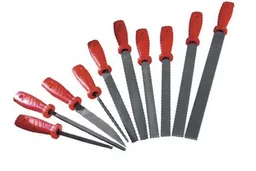
For small adjustments to the strike plate, the , a 10-piece file set for locksmiths, is ideal. Only file the replaceable strike plate or a non-critical edge. Never modify the lock cylinder or safety-critical locking components.
Important note
Do not modify any fire, smoke, emergency exit or security door without approval from the manufacturer or a qualified specialist. An incorrectly modified door may lose its protective function. If you live in rented accommodation, clarify any major changes to the door hardware, lock case or frame with your landlord beforehand.
When is adjustment not enough?
If the deadbolt remains difficult to operate despite a correctly aligned strike plate, the mortice lock is probably worn out. A broken spring, bent linkage or damaged lock case cannot be permanently repaired by filing it down.
A loose door handle can also cause the follower to jam. If the handle is crooked or does not return after being released, check the fastening and the spindle. If you can see cracks in the lock case, replace the entire mortice lock.
When should you replace the lock cylinder?
Replacing a lock cylinder is worthwhile if the cylinder is difficult to operate, the keyway is damaged, a key has been lost or you have moved house. However, a new cylinder will not help if the latch or deadbolt is sticking in the mortice lock.
Measure the correct cylinder
Open the door. Measure from the centre of the fixing screw in the faceplate to the outer edge of the hardware. Determine the measurement for the inside and outside separately, as door leaves and hardware are often asymmetrical.
- Inside measurement: Distance from the centre of the screw to the inside of the hardware.
- Outside measurement: Distance from the centre of the screw to the outside of the hardware.
- Profile: A Euro profile is usually used for entrance doors. Profile cylinders for master key systems require the appropriate design.
- Cam position: The cam must match the lock case and must not be turned sideways when inserting the cylinder.
A cylinder should protrude only slightly beyond the hardware on the outside. If it protrudes significantly, a burglar can grip and snap it more easily. Measure carefully and take the thickness of the security hardware, rose and door leaf into account.
Replace the lock cylinder step by step
- Open the door and leave it open throughout the entire process.
- Remove the long fixing screw from the narrow edge of the door, known as the faceplate.
- Insert the key and turn it a few degrees until the cam is aligned with the cylinder body.
- Carefully pull out the old cylinder. Do not tilt it in the lock case.
- Insert the new cylinder in the same direction. Turn the key slightly if the cam is not yet aligned.
- Insert the fixing screw and tighten it by hand. Excessive force can strain the cylinder.
- Test the key, handle, latch and deadbolt with the door open. Do not close the door until all functions operate smoothly.
Keep the old keys and the removed cylinder if you live in rented accommodation or have a master key system. With keyed-alike cylinders, several doors must continue to work with the same key. Before buying, check the existing locking system for this reason.
“Mortice locks must be selected according to their dimensions and function for the particular door.”
How do you replace a mortice lock?
A mortice lock is fitted entirely inside the door leaf. You should replace it if the latch or deadbolt no longer works reliably, the return spring has broken or the lock case shows visible damage. Replacing it is often easier and more reliable than repairing the inside.
Which measurements must match?
First remove the door furniture and measure the existing lock. Note down the measurements before ordering a replacement. Even a discrepancy in the backset can mean that the cylinder and door furniture no longer fit.
- Backset: Distance from the edge of the faceplate to the centre of the spindle follower and cylinder opening.
- Centres: Distance between the spindle follower and the cylinder or keyhole.
- Faceplate: The length, width, shape and screw spacing must match the door leaf.
- Spindle follower: The square spindle socket must match the existing handle.
- Handing: Depending on the lock, the latch may need to be turned around or a specific version may be required.
Removing and fitting a mortice lock
- Remove the handles, roses or backplates and pull out the square spindle.
- Undo the screws on the faceplate and pull the lock case out of the door leaf.
- Compare the new lock directly with the old one. Check every relevant dimension.
- Insert the new lock case and initially secure it loosely.
- Fit the square spindle, handles and door furniture. Check that the handle springs back freely.
- Tighten the screws without distorting the door furniture or door leaf.
- Test the latch and deadbolt with the door open. Then test the door several times while closed.
With a flat entrance door, security against burglary is also important, alongside functionality. Use a lock, cylinder and door furniture that are compatible as a system. A single high-quality component will not improve the door if the frame or keep gives way.
Garden gates, sheds and lockers
A misaligned door on a garden gate or garden shed often causes the same problems as a front door. Moisture, rust and dirt put strain on the latch. For outdoor areas, choose corrosion-protected door furniture, protect the cylinder from direct rain and keep the keep clean.
For repairs and maintenance around your property and outdoor areas, you will find suitable solutions in the Garden + Outdoor category. For door furniture, workshop supplies and storage, it is also worth taking a look at Business Supplies and Garden Equipment.
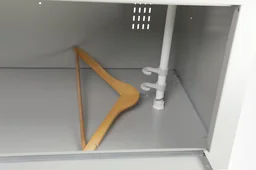
If the affected door is not a front door but one in a changing room or workshop, replacing the whole unit may be more practical. , the PL-series locker cabinet with two doors and key locks in grey shows one solution for lockable storage with several separate compartments.
Additional advice
Take a photo of the old lock before removing it and note down all measurements. Keep the screws, door furniture and cylinder separate. This will help you find the correct position during reassembly and compare the dimensions clearly if you order the wrong part.
Thoroughly check the door after repair
Carry out a complete function check after every job. The door must close and open with the key without pressure. The latch and deadbolt must not rub or extend only partially.
- Check the key with the door open.
- Close the door slowly and check the contact with the keep.
- Test the deadbolt twice, extending it fully each time.
- Check that the handle returns to its original position on its own.
- For external doors, check the function of the seal, door furniture and security rose.
If the door continues to stick despite the correct measurements, the locking mechanism does not close fully or security-relevant components are affected, instruct a qualified professional. A working door provides reliable protection only when all components fit together and are securely fastened for the long term.
Frequently Asked Questions
- Why is my door lock suddenly sticking?
- A door lock often sticks because the door has shifted due to moisture, settling or loose hinges. With the door open, check whether the key, latch and deadbolt move easily. If the lock works properly then, the cause is usually the keep or the door position, not the cylinder.
- How do I measure a lock cylinder correctly?
- Open the door and measure from the centre of the fixing screw in the faceplate to both outer edges of the door furniture. Note the internal and external measurements separately, for example 30/35 millimetres. Buy a cylinder with the correct length, profile shape and cam position. The cylinder must not protrude noticeably on the outside.
- Can I oil a sticking door lock?
- Do not use cooking oil or spray any general-purpose penetrating oil into the lock cylinder. These products attract dust or damage lubricants. Use a care product approved for lock cylinders sparingly. If the mechanism continues to stick with the door open, replace the cylinder or mortice lock.
- When do I need to replace the entire mortice lock?
- Replacement is advisable if the latch or deadbolt no longer extends fully, the spring remains weak, the casing is damaged or the key jams despite being correctly aligned. Before buying, compare the faceplate, backset, centres, spindle follower and handing. For security and fire doors, instruct a qualified professional.
- Can I change the lock in a rented property myself?
- You can generally replace the lock cylinder as long as you do not damage the door and keep the original cylinder. Obtain your landlord's permission before changing the mortice lock, door furniture or master-key system. With a keyed-alike system or security door, you need suitable original parts and often professional installation.
You may also be interested in
- Door sticking? How to repair and adjust it yourself
- Changing a door lock: Step-by-step guide for greater security
- Repairing an oven door: Fix minor faults yourself
- Caring for a lock cylinder: Keep your lock operating smoothly
- Securing your front door properly: Choosing and fitting locks
- Care for door furniture like a professional: Stop rust and squeaking