
In brief: Replacing your old oil heating system is usually financially worthwhile once it is 20 years old or has an efficiency rating below 85%. Modern condensing technology can save up to 30% on heating oil. With average consumption, the investment often pays for itself in under ten years. Government incentives can significantly shorten this period. Ideally, plan the replacement for summer.
Replace an Oil Heating System: When Is It Worthwhile?
Your oil heating system is still running, but consuming more and more fuel. Repair costs are piling up. Now you face the question: keep using it or replace it? Choosing a new heating system is a major financial decision. We show you clear criteria for identifying the right time.
Modern oil condensing technology works more efficiently than old constant-temperature boilers. You immediately save heating oil and reduce your emissions. The investment pays off over the years. A new system also increases the value of your property.
Age Matters: When Is a Heating System Really Old?
Heating engineers generally consider the technical service life to be 20 to 25 years. After this time, wear and susceptibility to faults increase significantly. A boiler installed before the year 2000 uses outdated technology.
It has no condensing effect. A large portion of the heat escapes unused through the chimney. The efficiency of these old appliances is often below 80%. Modern condensing boilers achieve over 95%.
Expert tip
Check the rating plate on your heating system. If you cannot find the year of manufacture there, ask your chimney sweep. They keep the chimney-sweep inspection records and know the age of your system. This information is the first step in planning.
How Do I Calculate the Cost-Effectiveness of Replacing My System?
Cost-effectiveness depends on three factors: your current consumption, future energy prices and the investment costs. Create a simple payback calculation.
Write down your annual heating oil consumption for the last three years. Multiply this by the current oil price per litre. This gives you your annual energy costs. A new condensing boiler saves around 25% of this amount.
Divide the net investment costs (after any available incentives) by your annual savings. The result is the payback period in years. If it is under twelve years, replacing the system is considered cost-effective.
Many homeowners wait too long. They worry about the high investment costs and overlook the ongoing losses. An inefficient heating system burns through real money. Every heating season with an old appliance makes the total cost balance worse.
The Hidden Costs of Old Technology
It is not just the oil consumption that is higher. Old heating systems need servicing more often and require expensive repairs. Spare parts for outdated models are becoming scarce and costly. A breakdown in winter leads to high additional costs.
There is also the poor efficiency at partial load. Older boilers do not modulate. They switch on and off frequently. This cycling wears out the technology and uses additional energy.
How Much Does Heating System Renovation Cost in Practice?
The cost of a new oil heating system is made up of several items. The condensing boiler alone costs between 5,000 and 9,000 euros net. Installation by a specialist contractor costs an additional 2,000 to 4,000 euros.
Potential additional work includes adapting the chimney to the lower flue-gas temperatures or inspecting the oil tank. Allow several hundred euros for this. The chimney sweep will charge a new inspection fee.
Important note
Always compare several detailed quotes from heating contractors. A flat-rate price without a breakdown is risky. Have the costs for the boiler, materials, labour and any alterations listed separately. This helps you avoid unpleasant surprises.
You will often need new manifolds and brackets for the heating system hydraulics. You can find suitable components in our range of stainless steel manifolds and wall brackets. Reducers and wall mounts are also often part of the modernisation.
Products for Heating System Installation
Reliable connection components are essential for installation work on water or heating systems.
This tapping saddle for 1-inch pipes is suitable for stable connections in the water circuit.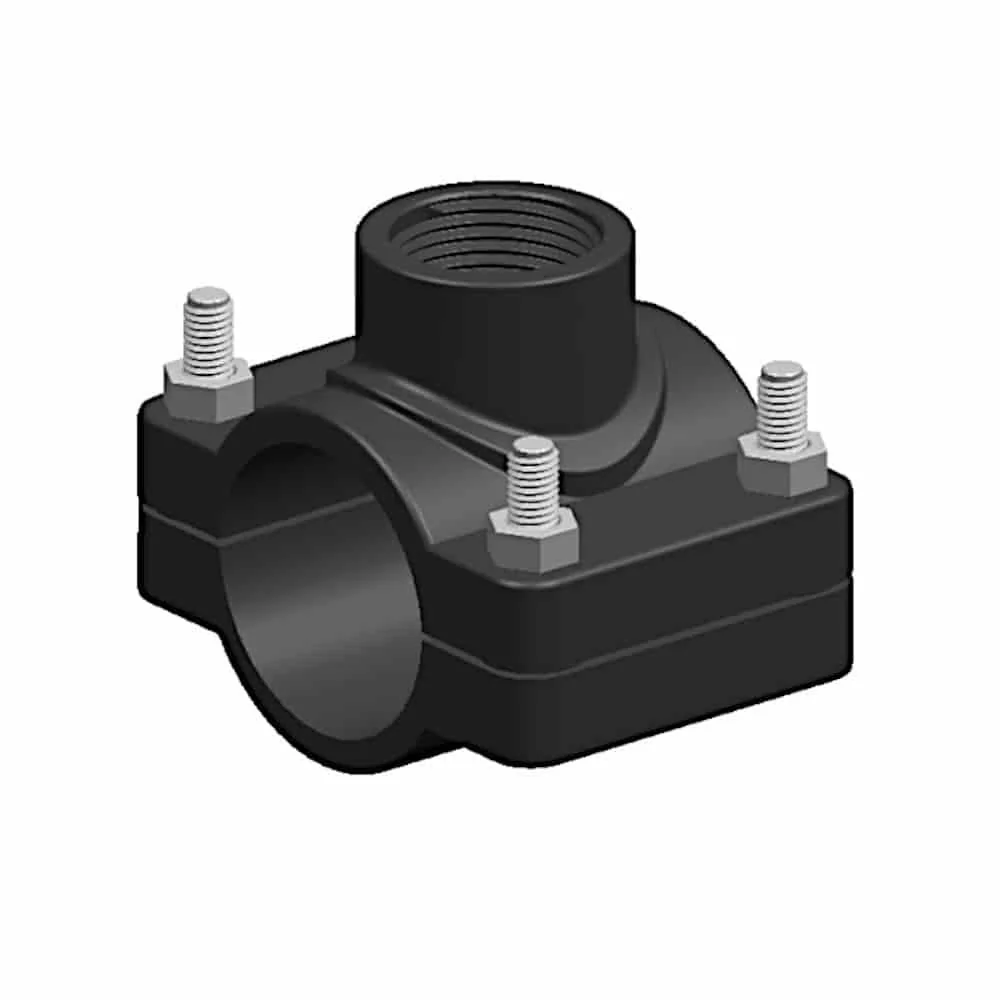
For smaller pipe diameters, the
is the right choice. Both products are available for immediate delivery and make installation easier.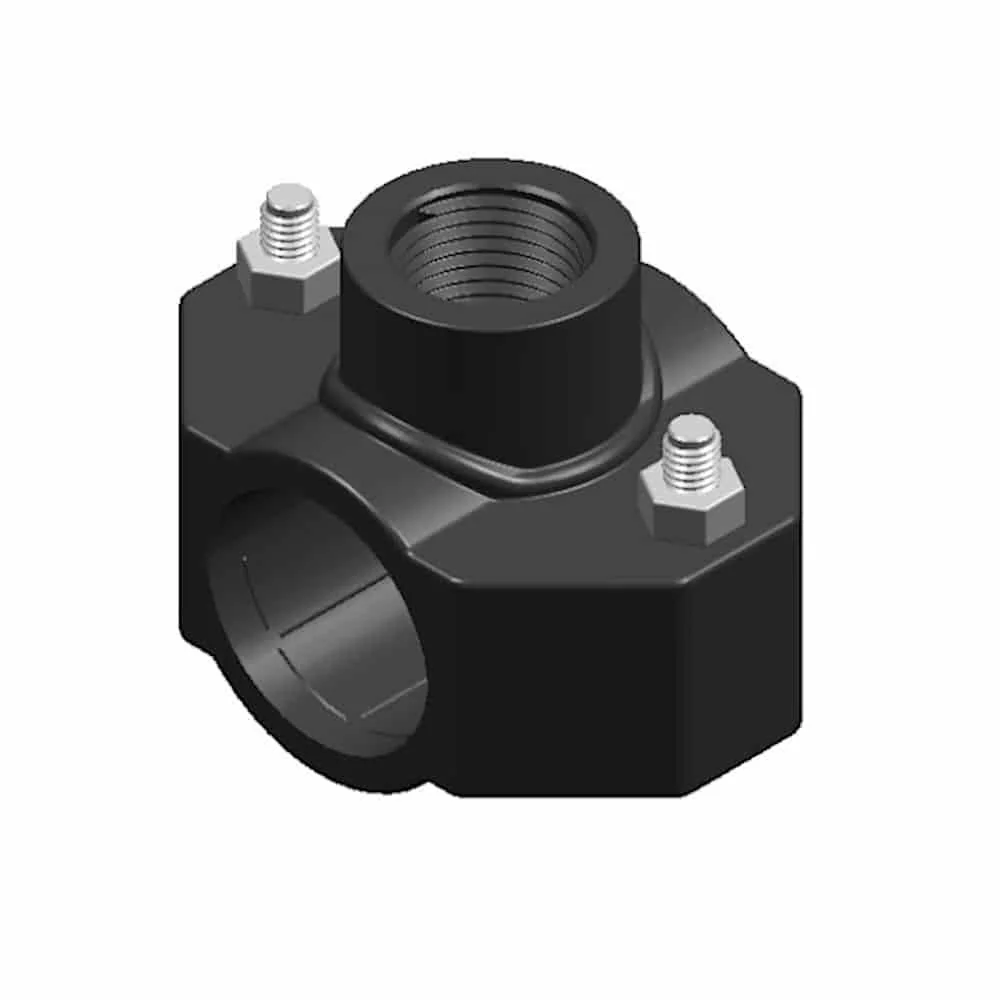
After installing the new heating system, you should also consider the condition of your heating pipes. Uninsulated pipes in the basement literally cost money. Retrofitting insulation for heating pipes minimises these losses.
What Alternatives Are There to a Pure Oil Heating System?
Legislation is restricting the installation of pure oil heating systems. Since 2026, they may only be installed in exceptional cases. It is therefore worth considering hybrid systems or alternative energy sources.
An oil hybrid heating system combines a condensing boiler with a renewable energy source. A typical setup integrates a solar thermal system for hot water production and heating support. Alternatively, you can add a heat pump.
These systems reduce oil consumption even further, often by 50% or more. They meet legal requirements and may still qualify for funding in some circumstances. The investment is higher, but your dependence on oil prices decreases.
A pure oil heating system is on its way out. Anyone renovating today should at least factor in a solar system on the roof. This takes the strain off the boiler completely in summer and extends its service life. Every kilowatt-hour generated by the sun is free.
The Importance of Hydraulic Balancing
A new heating system only works optimally when the entire system is properly balanced. Hydraulic balancing ensures that each radiator in the house receives exactly the amount of water it needs.
Without this adjustment, the pump may deliver too much flow. This causes flow noise and increases electricity consumption. Some radiators do not get warm enough, while others overheat. The specialist adjusts every radiator valve and adapts the pump output.
Additional advice
Include hydraulic balancing in every quote for a new heating system. It is not an optional extra but essential for efficiency. A well-adjusted system saves an additional 10 to 15 percent in energy. You will notice the difference on your heating bill.
How can I prepare optimally to replace my heating system?
Good planning saves time and stress. Start at least six months before your desired installation date. Hire an energy consultant or ask several heating contractors to carry out an on-site consultation.
Schedule the installation for the warmer months. Heating demand is low in summer, so you can manage without heating for a few days if necessary. Installers also work faster when they are not freezing.
Clear the heating room completely. Create a wide access route for the new equipment. Have the installer dispose of the old oil boiler properly. They know the regulations for dismantling it.
Choosing the right heating contractor
Not every heating contractor specializes in oil heating technology. Ask specifically for references involving oil condensing boilers. Partnerships with boiler manufacturers are a good indication.
The contractor should provide you with a detailed calculation of your home's heating load. This is the only way to size the new boiler correctly. A boiler that is too large operates inefficiently, while one that is too small will not provide enough heat in winter.
Special brackets are often needed when installing supply lines or adapting the existing system. You can find suitable solutions in our section for wall brackets and accessories for pipe fittings.
What happens after the new heating system is installed?
After installation, the heating contractor commissions the system. They fill it with water, bleed all the radiators and set the control parameters. You will receive detailed instructions on how to operate it.
The chimney sweep inspects the system and issues a new operating certificate. Keep all documents in a safe place: the invoice, installation confirmation, warranty certificates and operating manual. You will need these documents for any warranty claims or a future sale of the property.
Also think about the area around your new equipment. A well-maintained heating room helps prevent damage.
A special fertilizer helps keep your garden plants healthy while you take care of your home's heating system.
Maintenance and efficiency checks
A modern heating system requires regular maintenance. An annual check by a professional keeps efficiency high. They clean the burner, check the flue gas values and inspect the safety devices.
Monitor your consumption yourself, too. Record the oil level in the tank at regular intervals. A sudden increase in consumption indicates a problem. Act early to prevent consequential damage.
Choosing a new oil heating system is an investment in your home's comfort, value and efficiency. With the right preparation and a competent partner at your side, you can successfully complete the project. You will sustainably reduce your operating costs and gain peace of mind for many winters to come.
Frequently asked questions
- How old should my oil heating system be before I replace it?
- Replacing it becomes financially worthwhile after around 20 years of operation. Many systems are technically outdated after just 15 years. Efficiency is the key factor: if it is below 85%, a new condensing boiler will almost always pay off. Modern units use the heat from the flue gases and immediately consume significantly less oil.
- How much does a new oil heating system cost?
- The heating system alone, including an oil condensing boiler, costs between 8,000 and 12,000 euros. You also need to budget for the heating contractor, chimney sweep and any modifications to the chimney or oil tank. Plan for a total of 10,000 to 15,000 euros. Accurate hydraulic system planning is essential.
- Are grants still available for new oil heating systems?
- No. Since 2026, there has been no federal funding for heating systems powered exclusively by oil. In very limited circumstances, an oil hybrid system combined with renewable energy may be eligible for funding. Instead, check regional programs or KfW loans for energy-efficient building renovations.
- How much heating oil can I save with a new system?
- A modern condensing boiler saves 20 to 30 percent in heating oil compared with an old standard boiler. With annual consumption of 3,000 liters, that means using 600 to 900 liters less. At current oil prices, the annual savings can easily reach four figures. The investment often pays for itself in less than ten years.
- Do I also need to replace the pipes when replacing my heating system?
- Not necessarily, but it is recommended. Old steel pipes can corrode and reduce system efficiency. An inspection by a heating contractor will clarify their condition. For optimal results, insulate the distribution pipes with special pipe insulation. This prevents heat loss in the basement.
You may also be interested in
- Replacing an oil heating system: What homeowners need to know now
- Replacing a heating system: When is it really worth switching?
- Oil heating: Efficient warmth for your home?
- Heat pumps: Heating with a system – Is switching worth it?
- Setting up an oil heating system in the boiler room: Practical tips
- Retrofitting a heat pump in an older building: Costs and efficiency