
In brief: When buying replacement filters, compatibility, filter type and capacity are key. Check your appliance’s exact model number. Choose the right type of filter, such as HEPA for allergens or activated carbon for odors, and follow the manufacturer’s recommended replacement schedule for the best performance and protection.
Air purifiers and water filters are the unsung heroes of the home. They remove pollutants, improve air quality and help deliver better-tasting water. But their effectiveness depends on one crucial component: the filter. A used filter can limit your appliance’s performance and even become a source of pollution. That’s why it’s essential to replace it with the right filter at the right time. This guide explains what to look for.
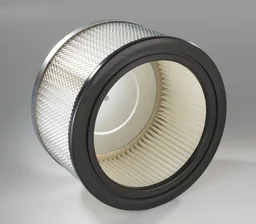
A reliable standard filter is a good starting point for many applications. The is an example of an essential replacement part that keeps many appliances working as they should and provides a clean starting point.
Why is it so important to change your filter regularly?
A filter is a wear part. Its job is to capture and hold particles, chemicals or microorganisms. Over time, the filter material becomes saturated. Its pores get clogged and its active surface gets covered. When that happens, performance drops quickly.
For your health, this means an air purifier may let more allergens, such as pollen, fine dust and pet hair, back into the air in your home. In a water filter, bacteria can settle and multiply in the saturated material before being flushed into your drinking water. The filter goes from solving a problem to causing one.
Your appliances can suffer, too. A clogged air filter makes the fan motor work harder, increasing electricity use and potentially causing it to overheat. A blocked water filter reduces water pressure and puts strain on the pump. Replacing the filter on time therefore protects both your health and your investment.
Clean air and pure water aren’t something we can take for granted. A working filter helps reduce everyday pollutants and support wellbeing in your home.
How can I tell when a filter needs replacing?
Your appliance gives you clear signs when it’s time for a new filter. You just need to know what to look for. Don’t ignore these signs: they can mean the filter is no longer protecting you as well as it should.
Common signs with air filters
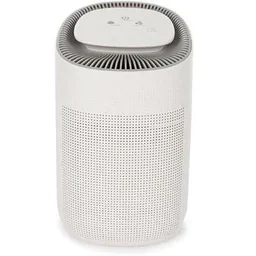
An air purifier usually makes it clear when it needs attention. One of the first signs is noticeably weaker airflow from the appliance. The motor has to work harder to push air through the clogged filter. The operating noise may get louder or sound strained. Some appliances develop a musty smell as moisture and organic particles break down in the filter. Many modern air purifiers, such as the , also have a built-in filter replacement indicator to let you know when it’s time for a change.
Common signs with water filters
With water filters, reduced water pressure is the most obvious sign. If water trickles slowly from the tap or refrigerator dispenser, the filter pores may be clogged. Also look for changes in the water’s taste or smell. If the familiar chlorine smell of tap water returns, the activated carbon in the filter may be spent. Countertop water filters and specialty cartridge systems often have a manual or electronic indicator to signal when the filter needs replacing.
Important note
A saturated water filter can become a breeding ground for germs. So-called “filter breakthrough” can cause accumulated pollutants and bacteria to suddenly enter the water at concentrated levels. Follow the manufacturer’s recommended replacement schedule carefully.
The ultimate filter buying guide: What should you look for?
When buying a replacement filter, you’ll need to make a few important decisions. Choosing the right filter helps your appliance perform like new and keeps you properly protected. These criteria will help you choose the right one.
Compatibility: Finding the right fit
This is the most important factor. The filter must fit your appliance model exactly. Even a one-millimeter difference can prevent the seals from working properly, allowing air or water to flow around the filter ("bypass"). This makes filtration ineffective. Check your appliance manual or find the model number on the rating plate. Choose a replacement filter made specifically for your appliance, such as the for the corresponding Deluxe model.
Filter type and filter class: What exactly does it filter?
Not all filters are the same. Different materials and technologies are used to meet different needs. Start by deciding what you want to remove from your air or water.
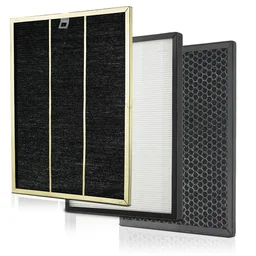
- HEPA filter (High-Efficiency Particulate Air): The gold standard for air purifiers. HEPA filters remove at least 99.97% of particles as small as 0.3 micrometers, including pollen, fine dust, mold spores, and pet allergens. Ideal for people with allergies.
- Activated carbon filter: Thanks to their huge internal surface area, these filters trap gaseous substances. They’re highly effective against odors (from cooking and smoke), gases, and volatile organic compounds (VOCs) from furniture or paint.
- Sediment filter: The first stage of water treatment. These filters remove coarse particles such as sand, rust, and suspended solids from the water, protecting the filter stages that follow.
- Combination filter: Many modern appliances use multistage filters that combine HEPA and activated carbon layers in a single cartridge. This provides comprehensive protection against particles and odors.
Compatibility is essential. An original filter or an exact, certified replacement ensures the system is properly sealed. That’s the only way the appliance can deliver the performance it was designed for.
Performance and capacity: How long does a filter last?
A filter’s service life is listed as a period of time (e.g. 6 months), operating hours (e.g. 2,000 hours), or flow volume (e.g. 400 liters). These figures are guidelines and depend heavily on how contaminated the air or water is. An air filter will become saturated more quickly in a smoker’s home or during pollen season. In an area with heavily chlorinated water, an activated carbon water filter cartridge will wear out more quickly. Choose a capacity that suits your usage.
Step by step: How to replace a water filter correctly
Replacing filter cartridges in your water system is straightforward if you follow a few basic steps. The exact process varies depending on the system (countertop filter, under-sink filter, or refrigerator filter), but the general approach is similar.
- Turn off the water supply: Close the relevant shutoff valve. This step isn’t necessary for a countertop filter.
- Release the pressure: Turn on the faucet to release pressure from the line.
- Open the filter housing: Unscrew the housing by hand or with the included wrench. Have a cloth or small bowl ready to catch any remaining water.
- Remove the old filter: Take out the old cartridge and dispose of it. Wipe the inside of the housing with a clean cloth.
- Insert the new filter: Unpack the new filter and install it according to the instructions. Make sure it’s aligned correctly.
- Close the housing: Tighten the housing by hand. Overtightening can damage the seal.
- Turn on the water supply: Slowly reopen the shutoff valve and check the housing for leaks.
Pro tip
Always flush a new water filter. After installation, run water through it for 3-5 minutes. This removes any manufacturing dust (especially from activated carbon filters) and fully activates the filter media. The first water may look gray; this is normal.
How to replace the air filter in your appliance
Replacing an air filter is usually even easier. It’s a dry process and doesn’t involve working with water pipes. Make sure your work area is clean so the new filter doesn’t get contaminated during installation.
- Disconnect the appliance from power: Always unplug the appliance before working on it. Safety comes first.
- Remove the cover: Open the flap or cover that gives you access to the filter compartment. It’s usually clipped in place or secured with a simple screw.
- Remove the old filter: Note which way the old filter is installed. An arrow often indicates the direction of airflow (Air Flow). Dispose of the old filter with your household trash.
- Clean the appliance: Take this opportunity to remove dust from the filter compartment and intake grilles with a vacuum cleaner or a slightly damp cloth.
- Insert the new filter: Remove the new filter from its protective film right before installation. Insert it in the correct orientation.
- Close the cover: Close the appliance securely.
- Reset the filter indicator: Many appliances require you to reset the filter indicator after replacing the filter. Press the appropriate button combination as described in the operating instructions.
Additional advice
Write the filter replacement date directly on the new filter cartridge with a waterproof pen, or on a sticker attached to the appliance. That way, you’ll always know when the next replacement is due, even if the electronics fail.
Buying the right replacement filter is a small but effective step toward a healthier home and properly functioning appliances. By choosing a compatible filter with the right type and capacity, you can ensure your plumbing + irrigation systems and air quality equipment always deliver optimal results. It’s an investment that pays off every day.
Frequently asked questions
- How often should I replace a water filter?
- How often you need to replace a water filter depends on the filter type and your water quality. Typical replacement intervals range from one to six months. Always follow the manufacturer's instructions for your device. Reduced water pressure or a change in taste can also indicate that it's time to replace the filter.
- Can I clean and reuse a filter?
- Generally, no. Most HEPA and activated carbon filters are disposable. Their pores and activated carbon become saturated with particles and contaminants. Trying to clean them can damage the filter structure and won't restore their filtering performance. Only clean pre-filters specifically labeled as washable.
- What happens if I don't replace the filter?
- A clogged filter reduces your device's performance, increases energy consumption and can overload the motor. Water filters can become breeding grounds for bacteria. Mold and bacteria can build up in air filters and be released into the air in your home.
- Do universal filters fit every device?
- No. It's best to avoid universal filters. Each manufacturer uses specific dimensions and seals. A filter that doesn't fit precisely won't seal properly, allowing unfiltered water or air to bypass it and making filtration ineffective. Always buy the replacement filter made for your device model.
- What's the difference between a HEPA filter and an activated carbon filter?
- A HEPA filter mechanically removes tiny airborne particles such as pollen, fine dust and pet hair. An activated carbon filter works by binding gases, odors and volatile organic compounds (VOCs) to its porous surface. Many devices combine both types of filter.
You may also be interested in
- How to replace a filter: An easy 5-step guide
- Air purifiers for a healthier indoor environment: What to look for
- How to choose the best air washer: A buying guide
- Pool and pond sand filter systems: How they work, maintenance and buying guide
- How to choose vacuum cleaner accessories: Bags, filters and nozzles
- How to choose replacement blades for a clean, sharp cut