
In brief: Replacing an oil heating system with a heat pump costs between 35.000 and 65.000 euros, depending on the condition of the building and the type of heat pump. The process includes an on-site consultation, installation of the new outdoor and indoor units, and removal of the old oil tank. Government grants can significantly reduce the investment.
Replacing an Oil Boiler with a Heat Pump: Costs & Process
Replacing an old oil heating system with a modern heat pump is a major step in upgrading your heating system. The process involves more than simply swapping one appliance for another. It is a system conversion with specific requirements, costs and a structured process. Here are the key facts.
First, consider why the switch makes sense. An oil heating system burns a fossil fuel. A heat pump draws renewable heat from the air, ground or water and makes it usable with electricity. This reduces CO2 emissions and makes you less dependent on fossil fuel prices.
Why is switching from oil to a heat pump worthwhile?
There are many reasons to make the switch. Many homeowners are motivated by environmental concerns. Others are responding to rising oil prices or legal requirements. The transition to energy-efficient heating has long been part of the Building Energy Act. New oil heating systems may now be installed only in exceptional cases.
With good planning, a heat pump often costs less to run than an oil heating system. Efficiency is the key. A modern air-to-water heat pump produces three to four kilowatt-hours of heat from one kilowatt-hour of electricity. This ratio is known as the seasonal performance factor.
Replacing your heating system is one of the most effective ways to increase your home's value and prepare it for the future. A heat pump is the most technically mature solution for existing buildings.
What needs to be checked before the conversion?
Not every home is ready for a heat pump without some preparation. Start by assessing the building's energy efficiency. An older, uninsulated house with small radiators can present a challenge. A heat pump needs low flow temperatures, ideally below 50°C.
Have hydraulic balancing carried out. This ensures that all radiators in the system receive the right amount of water, allowing the heat pump to operate efficiently. You may need to replace some radiators with larger models or consider underfloor heating.
Pro tip
Start by consulting an independent energy adviser. They can assess your building, calculate its heating load and prepare a renovation plan. This plan is often required to qualify for government funding. The consultation costs may also be eligible for funding.
Choosing the right heat pump for your home
You can choose between air-to-water, brine-to-water (ground-source) and water-to-water heat pumps. For retrofitting a heat pump in an existing building, an air-to-water heat pump is the most common choice. It requires no ground drilling, is comparatively affordable and can be installed quickly.
A ground-source heat pump has a higher seasonal performance factor and runs more quietly. However, excavation or boreholes are required, increasing the cost and planning effort. Also check the outdoor unit's noise level and the available space on your property.
How much does the conversion cost?
The cost of replacing an oil heating system with a heat pump depends on several factors. An air-to-water heat pump and its installation alone cost between 25.000 and 40.000 euros. Modifications to the heating system may add to the total.
If radiators need replacing, expect to pay several hundred euros per radiator. A buffer tank to improve efficiency costs 1.500 to 3.000 euros. Removing and disposing of the old oil tank costs 500 to 2.000 euros. Budget for total costs of 35.000 to 65.000 euros.
Important note
These figures are estimates. Your individual quote may differ considerably. Always get at least three detailed quotes from qualified specialist contractors. Compare more than price: assess the proposed system and the services included, too.
Use government funding to reduce costs
Government funding can make the switch more affordable. The Federal Funding for Efficient Buildings (BEG), administered through KfW or BAFA, offers grants. When replacing a functioning oil heating system, you may be able to claim at least 35% of eligible costs.
With an individual refurbishment roadmap (iSFP) or by meeting certain efficiency standards (EH 55), funding of up to 45% may be available. You must apply before work begins and before commissioning the contractor. Retrospective applications are not possible.
What is the conversion process in detail?
The process follows a clear sequence. First, consult an energy adviser and heating engineer to plan the work. Next, apply for funding. Only then does the practical installation begin.
On installation day, the specialist contractor dismantles the old oil heating system and boiler. The new components are delivered: the heat pump's outdoor unit and indoor unit, which contains the heat exchanger and controls. The outdoor unit is installed on a concrete slab or soundproof feet.
Connecting the outdoor and indoor units with refrigerant lines requires specialist tools and expertise. Inside the house, the new heat pump unit is connected, often in place of the old boiler. The existing heating pipework is reused and optimised where necessary.
Additional advice
Plan the conversion for the warmer months. That way, your home won't be without heating during the one- or several-day installation. Installers can also work more efficiently on the outdoor unit in good weather.
Removing the oil tank: A mandatory task
The old oil tank must not be left in the ground. A specialist company empties and cleans it before removing, cutting up and disposing of it as scrap metal. Keep documentation of the professional disposal. It may be relevant if you sell the house later.
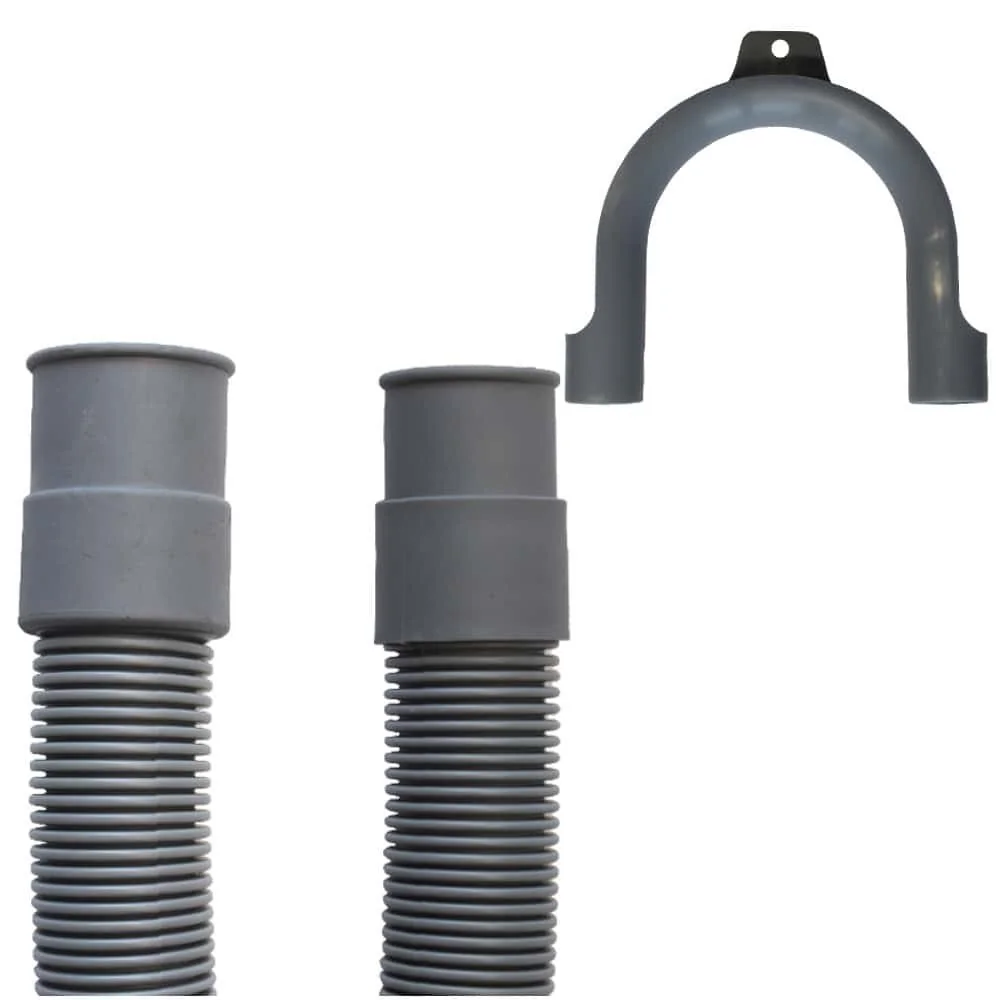
If oil leaks during the work, contaminated soil may need to be remediated. These costs can be very high, so it is essential to handle this phase responsibly. Here you'll find suitable accessories, such as our drain hose for other cleaning tasks.
What needs to be considered after installation?
Once the heating engineer has commissioned the system, they will show you how to use it. Make sure you understand the new controls. Learn how to optimise the heating curve and adjust hot water production. The right settings can save you money.
Heat pumps work most efficiently when they run continuously at a low flow temperature. Avoid making sharp changes to the heating settings. Use the timer for night-time setback and holiday mode. Modern units can often be controlled and monitored via an app.
Some of the biggest efficiency gains come from correct settings and user behaviour. Take the introduction seriously, and ask questions if anything is unclear.
Maintenance and running costs of the new heat pump
A heat pump needs little maintenance, but it isn't maintenance-free. An annual check by a professional is recommended. They will inspect the refrigerant pressure, electrical connections and performance data to help keep the system efficient and extend its service life.
Running costs include the pump's electricity consumption and the standing charge for the electricity tariff. A heat pump tariff with lower unit rates may be worthwhile. Compare offers from electricity suppliers, and consider pairing the pump with a photovoltaic system over the long term.
Accessories to Support Your Project
Extensive renovation work around the house inevitably creates some mess. A reliable makes cleanup easier. A long, sturdy is handy for draining work areas or temporarily routing condensate away.
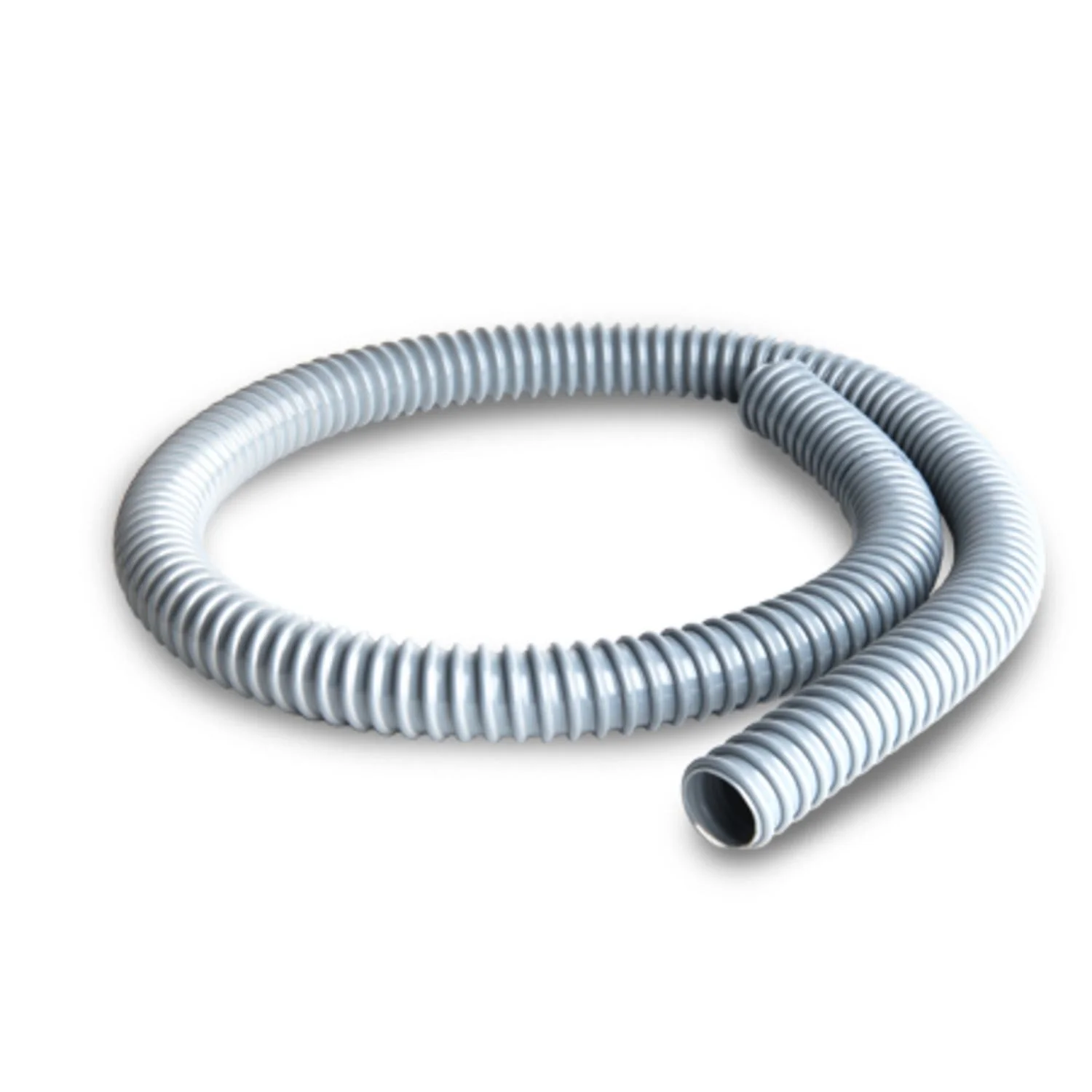
Don’t forget about insulation. After the conversion, consider insulating any uninsulated heating pipes in unheated rooms. This saves energy and improves efficiency. Find the materials you need in our Heating Pipe Insulation category.
For the warmer months or as an additional way to heat water, a could also be a great choice for your pool. Find more ideas in our extensive Garden + Outdoor range.
Take the Next Step Toward a New Heating System
Start with an independent assessment of your current system. Hire an energy consultant to create a renovation plan. It will outline the steps toward installing a heat pump, along with other worthwhile improvements such as replacing windows or upgrading insulation.
Next, contact local heating contractors who specialize in heat pump retrofits. Ask for references from similar existing homes. A well-planned, professionally installed system is an investment in your home’s comfort, value, and sustainability.
For your other home and garden projects, visit our extensive Shop.
Frequently Asked Questions
- Can I simply replace my oil heating system with a heat pump?
- Not necessarily. Your home’s condition is crucial. Heat pumps work efficiently at low flow temperatures, which typically require a well-insulated home and often larger radiators or underfloor heating. An on-site assessment by an energy consultant is essential.
- How much government funding can I get for switching from oil to a heat pump?
- The Federal Funding for Efficient Buildings (BEG) program provides a basic subsidy of 25% of eligible costs. If an oil heating system is completely replaced before the end of its service life, the rate increases to 35%. A 10% bonus may be available for switching from fossil fuels, bringing total funding to as much as 45%.
- Which type of heat pump is right for my home?
- For renovated or well-insulated existing homes, an air-to-water heat pump is the most common option. Ground-source heat pumps are more efficient but require extensive excavation. The right choice depends on your energy needs, available space, and budget. A specialist can provide personalized advice.
- What happens to my old oil tank?
- Your oil tank must be professionally emptied, cleaned, and disposed of. This is required by law and can cost several hundred to more than one thousand euros. Hire only a certified specialist company and get several quotes.
- How long does it take to switch from oil heat to a heat pump?
- Plan for several months from the initial consultation to commissioning. The heat pump installation itself usually takes 3 to 5 working days. The longer stages are planning, applying for funding, and completing any necessary preparatory work, such as replacing radiators.
You may also be interested in
- Replacing an Oil Heating System: What Homeowners Need to Know Now
- Retrofitting a Heat Pump in an Older Home: Costs and Efficiency
- Heat Pumps: Costs, Installation, and Operation Explained
- Heat Pumps: Heating with a System—Is It Worth Switching?
- Heat Pump Funding 2024: How to Get Government Grants
- Heat Pumps and Smart Meters: Benefits, Costs, and Requirements