
In brief: Repotting succeeds when you recognize the right time, choose the right materials and handle the plant carefully. The best time is spring, when the growing season begins. Choose a pot that is only a few centimeters larger than the old one. Use high-quality substrate such as special plant granules to provide the roots with optimum support.
Repotting Houseplants: How to Do It Right
Is your plant no longer growing? Are roots sticking out of the pot? Then it is time for a new home. Repotting is not rocket science, but a simple measure for healthy growth. We show you step by step how to successfully relocate your green companions.
Why Should You Repot Your Houseplants?
Plants do not only grow above the soil. Their root systems also need space. In a pot that is too small, the roots become tangled, can no longer absorb nutrients and the plant withers. Fresh substrate supplies new nutrients and improves airflow to the roots.
Regularly changing the flowerpot prevents diseases and promotes strong, healthy growth. It is the simplest form of rejuvenation for your plant.
When Is the Best Time to Repot?
The ideal time is in spring, between February and April. The days become longer, the light more intense and the plants begin their growing season. They then have enough energy to quickly establish themselves in the new pot.
Do not repot during the dormant period in autumn or winter. The plant cannot form new roots then, and the fresh substrate stays damp, which encourages rot.
Expert tip
Repot flowering plants only after they have finished flowering. Otherwise, the stress of repotting can cause the flowers to drop prematurely. For foliage plants such as Monstera or pothos, spring is perfect.
Signs That Your Plant Needs a New Pot
- Roots are growing out of the drainage holes: This is the clearest signal.
- Growth has stalled: Despite fertilizing and good care, the plant is no longer growing.
- The soil dries out extremely quickly: A dense network of roots leaves hardly any substrate.
- The pot becomes misshapen or lifts up: The pressure from the roots is too great.
- Salt crusts form on the soil: A sign of depleted substrate.
Choosing the Right Flowerpot
Material and size are crucial. A terracotta pot is porous, lets the soil breathe and helps prevent waterlogging. It is ideal for succulents or plants that prefer dry feet. Plastic pots retain moisture for longer and are lighter.
Size is more important than the material. A new pot should be only about 2 to 4 centimeters larger in diameter than the old one. A pot that is too large is a common mistake. The plant then focuses on root growth instead of leaf growth, and the large amount of soil drains poorly.
A pot that is too large is like a house that is too large: The plant feels lost, and the risk of root rot caused by standing water increases considerably.
The Perfect Substrate: More Than Just Soil
Never use ordinary garden soil. It is too heavy, compacts and suffocates the roots. Special substrates for houseplants are loose, structurally stable and well aerated.
Our
product is an excellent choice. It stores water without becoming waterlogged and gives the roots optimum support. For smaller repotting jobs, the 2.5 L version .

You can find the right substrate in our Garden + Plant Accessories category. It has everything you need for healthy plant care.
Important note
Rinse new terracotta pots thoroughly with water before use. They often retain salt residues from production. When reusing old pots, remove all soil residue and disinfect them with hot water to kill pathogens.
Step-by-Step Guide to Repotting
Preparation Is Everything
Prepare your work area. You will need the new pot, fresh substrate, a shovel or trowel, scissors for dead roots if necessary and a protective surface. Water the plant one to two days beforehand. Moist roots are easier to loosen from the old pot.
Fill a drainage layer of expanded clay or coarse gravel into the new pot. This prevents the drainage holes from becoming blocked.
Freeing the Plant Carefully
Place your hand over the soil surface, support the stem and carefully turn the pot onto its side. Never pull on the plant. Tap the bottom of the pot until the root ball comes loose.
Carefully loosen the old, matted roots around the edge and bottom of the root ball. Cut off dead or rotten roots with clean scissors. A healthy root ball is whitish to light brown.
Planting and Filling
Place the plant in the center of the new pot. The surface of the root ball should end about two centimeters below the rim of the pot. Fill fresh substrate, such as ours, all around it.
Press the soil down lightly, but not too firmly. The plant should stand securely while the roots still receive air. Water the plant thoroughly after repotting until water runs out of the drainage hole.
Carefully loosening the root ball is the key to rapid establishment. The plant needs to be stimulated to send new fine roots into the fresh substrate.
Care After Repotting
Place the repotted plant in a bright spot away from direct sunlight for about a week. Direct sunlight adds extra stress. Keep the soil slightly moist, but not wet.
Do not fertilize during the first six to eight weeks. The new potting soil contains enough nutrients. After that, you can support its nutrient supply with suitable fertilizer sticks for green plants, such as the
You can find an overview in the Plant & flower fertilizer category.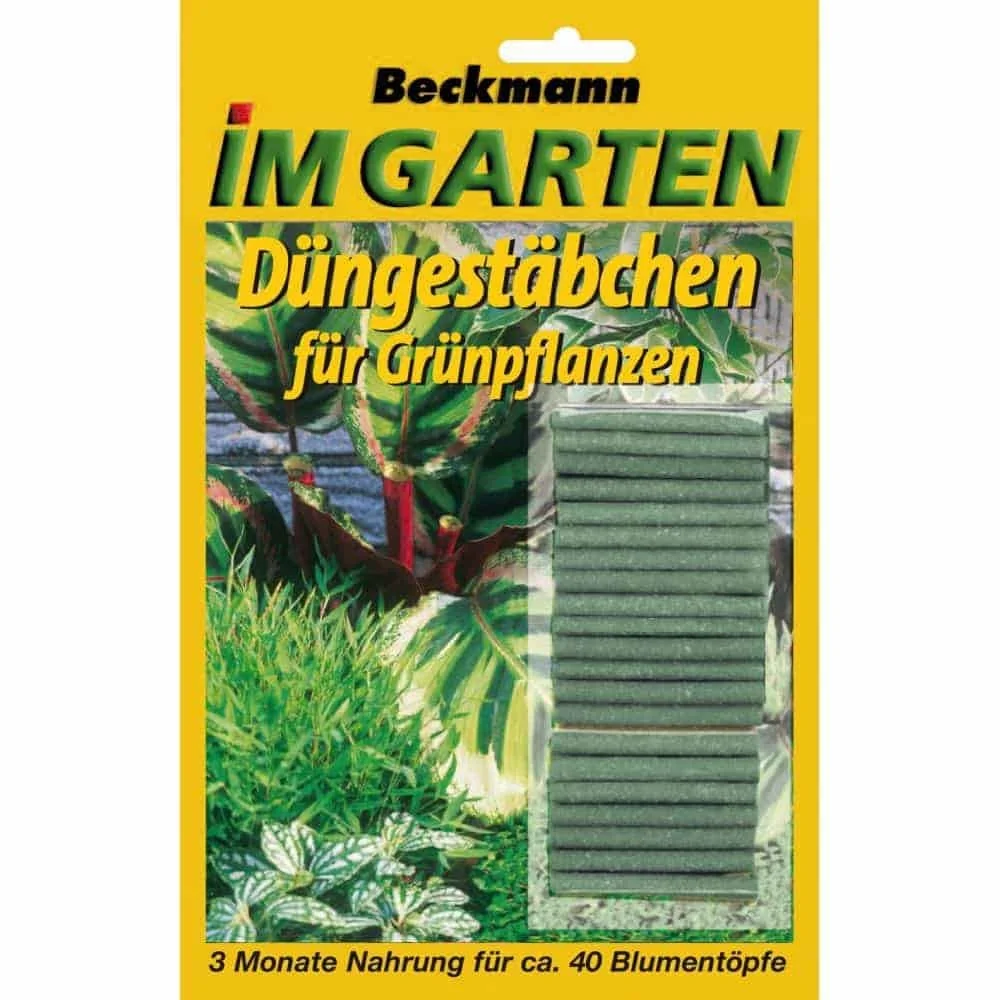
Additional tip
Mist your plant's leaves with low-lime water in the days after repotting. This increases the humidity around the plant and reduces transpiration stress while the roots are not yet able to supply themselves fully with water.
Common Mistakes and How to Avoid Them
Pot That Is Too Large
As mentioned above, a pot that is too large can lead to waterlogging and root rot. Measure the old pot and deliberately choose a replacement that is only one size larger.
Wrong Potting Soil
Every plant has different requirements. Orchids need bark, while cacti need mineral-based mixes. For most green plants, use a high-quality all-purpose potting soil such as our plant granules. For specific questions, browse our Garden + Outdoor range.
Planting Too Deep or Too High
Plant it at the same depth as in the old pot. If planted too deeply, the stem base and lower leaves may rot. If planted too high, the upper roots may dry out.
Direct Sunlight After Repotting
Give your plant time to recover. A shaded to partially shaded spot for a few days is ideal.
Special Cases When Repotting
Some plants need special care. It is best to repot succulents and cacti in a very well-draining, mineral-based potting mix. Wait about a week before watering them again to prevent rot.
Repot large, heavy plants such as a rubber plant with two people. Lay the pot on its side and roll it carefully to loosen the root ball. You can find practical tools for all your gardening tasks in the Garden Tools category.
Air-purifying plants, such as a mix set from our range, benefit especially from fresh potting soil because they filter pollutants through their roots. Regular repotting keeps them effective.
With the right preparation, suitable materials and a little care, repotting will be a success. Your plants will reward you with vigorous growth and lush green leaves.
Frequently Asked Questions
- When is the best time to repot a plant?
- The best time to repot a plant is early spring, just before the main growing season begins. The plant then has the entire season ahead of it to establish itself in its new pot. Avoid repotting in fall or winter, as most plants are dormant then.
- How often should I repot my houseplant?
- Young, fast-growing plants often need a new pot every year. Repot mature plants every two to three years. A clear sign is when roots grow out of the drainage hole or growth stagnates despite fertilizing.
- What size should the new flowerpot be?
- Choose a pot with a diameter about two to four centimeters larger than the old one. A pot that is too large can cause waterlogging because the roots cannot fill the soil with roots and dry it out quickly enough.
- Can I use regular garden soil for houseplants?
- No, regular garden soil is unsuitable for potted plants. It is too heavy, becomes compacted and promotes root rot. Use specialized potting mixes such as our PRODUCT_140178 plant granules. They retain their structure, allow air to circulate and are tailored to the needs of houseplants.
- What should I do after repotting?
- Water the plant thoroughly once after repotting so that the roots make contact with the new soil. Place it in a bright spot away from direct sunlight for one to two weeks. Do not fertilize during the first six to eight weeks, as the fresh potting soil contains enough nutrients.
You might also be interested in
- Repotting Container Plants: Timing, Instructions and Care Tips
- How to Repot Orchids Properly: Your Guide to Healthy Plants
- The Best Potting Soil for Potted Plants: How to Choose the Right Soil Mix
- Plant Pots: Materials, Sizes and Designs for Your Plants
- How to Care for Houseplants Properly: Avoid These 7 Common Mistakes
- Poisonous Houseplants: What Are the Risks and How Can You Handle Them Safely?