
In brief: The right level of protection depends on the task. FFP1 masks filter coarse dust, while FFP2 and FFP3 masks are designed for fine dust and aerosols. Masks with an exhalation valve make breathing out easier. A good fit and proper use are essential. Our comparison helps you choose the right mask for your needs.
Respiratory protection is essential in many situations. At work, during home renovations or while enjoying certain hobbies, fine dust, aerosols and chemical vapors can pose a health risk. So which mask should you choose? Our 2026 respirator mask review compares a range of models and explains what to look for when buying.
Table of contents
- Understanding FFP classes: What do FFP1, FFP2 and FFP3 mean?
- Buying guide: How to choose the right respirator mask
- How we tested and compared the best models
- Product overview: Selected respirator masks in detail
- How to wear a mask correctly: Essential tips
- How to care for and store your respirator masks
- Conclusion and our recommendation
Understanding FFP classes: What do FFP1, FFP2 and FFP3 mean?
FFP stands for "Filtering Face Piece". The number indicates the protection class. This European standard (EN 149) defines how effectively a mask filters particles from the air.
FFP1: Basic protection
FFP1 masks filter at least 80 percent of airborne particles. They are suitable for environments with non-fibrogenic dust: dust that can irritate the airways but does not cause long-term lung damage. Typical uses include light tool work involving wood or plaster.
FFP2: A versatile choice for many tasks
FFP2 masks filter at least 94 percent of particles and protect against hazardous fine dust, smoke and aerosols. They are a common choice for tradespeople, DIY projects and medical settings. If you are unsure which class to choose, an FFP2 mask is often a good option.
FFP3: High-performance filtration
The highest protection class filters at least 99 percent of particles. FFP3 masks protect against toxic, carcinogenic and radioactive particles. They are used when handling particularly hazardous substances such as asbestos, certain chemicals or mold.
Tip: The protection class alone does not determine how comfortable a mask feels. Try different models to find one that fits well. A mask that leaks cannot provide adequate protection.
Buying guide: How to choose the right respirator mask
Not every mask is right for every task. Answer these questions before you choose.
What hazards are present?
Identify the hazardous substance. Are you dealing with coarse wood dust, fine metal fumes or biological aerosols? Assessing the hazards is the first step toward workplace safety.
With or without an exhalation valve?
Masks with an exhalation valve make breathing easier and reduce heat and moisture buildup inside the mask. They are a good choice for physically demanding work. Keep in mind that the valve protects only the wearer, not the people around them.
Fit and material
The mask must seal snugly against your face. Adjustable nose clips and flexible sealing edges help create a secure fit. Choose skin-friendly material that is free from allergens. Comfort matters, especially if you wear a mask for long periods.
Warning: A beard can significantly compromise the seal of an FFP mask. Facial hair can prevent the sealing edge from making direct contact with your skin. If that happens, use a different type of protective equipment, such as a half mask or quarter mask.
How we tested and compared the best models
We compared the masks using objective criteria, considering both their technical specifications and their performance in everyday use.
Our evaluation criteria
Our review considers filtration performance according to the standard, breathing resistance, wearing comfort, build quality and ease of use. We also checked the smell of the new material and the durability of the straps.
The table below summarizes our results and gives you a quick overview of the models we tested.
Here are our top-rated respirator masks side by side:
| Model | Customer rating | Availability |
|---|---|---|
| Mandil FFP2/V respirator mask - 3 pieces 🏆 Test winner | ★ 4,8 (15) | In stock |
| Mandil FFP1 respirator masks - 3 pieces | ★ 5,0 (9) | In stock |
| Mandil FFP3/V respirator mask - 5 pieces | ★ 4,6 (5) | In stock |
| SB-3 Mandil FFP2/V respirator mask 3 pieces | ★ 4,6 (5) | In stock |
| Mandil FFP 3 respirator mask with valve, 5 pieces | ★ 4,8 (4) | In stock |
Featured Products: Selected Respirator Masks in Detail
Mandil FFP1 Respirator Mask
The
is a solid choice for light dust exposure. It’s ideal for gardening, sanding wood, or cleaning up dust after renovation work. The mask fits comfortably and offers very little breathing resistance. For occasional DIY projects, it’s an affordable, effective option.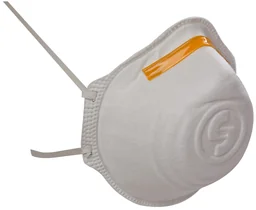
Mandil FFP2/V Respirator Mask with Valve
The
stands out for its exhalation valve. It’s ideal for more demanding tasks, such as sanding plaster or working with MDF boards. The valve makes it noticeably easier to breathe out, improving comfort and allowing you to wear the mask longer. A versatile choice in our respirator mask category.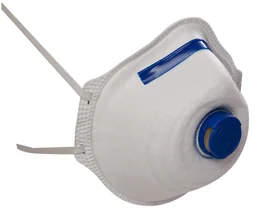
SB-3 Mandil FFP2/V Respirator Mask
The
stands out for its distinctive shape. The SB-3 design creates a roomier interior for greater comfort and less contact with your face. This can be especially helpful if you wear glasses, as it may reduce fogging. A well-designed option for extended wear.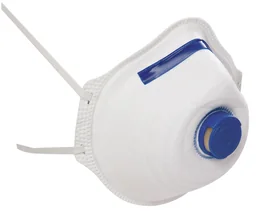
Mandil FFP3/V Respirator Mask
For situations involving hazardous dust, the
offers the highest level of filtration in this range. Its FFP3 filter and valve make it suitable for work involving hazardous dust or fibers. The pack of five masks is a practical starting point for demanding projects.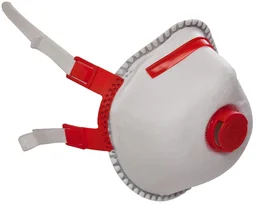
Note: Even the best mask won’t protect you if it doesn’t fit properly. Take the time to adjust it correctly. Tighten the straps, shape the nose clip carefully, and perform a fit check.
How to Use a Respirator Mask: Essential Tips
Proper technique is what turns the appearance of protection into real protection.
How to Fit a Mask Correctly
1. Wash or disinfect your hands.
2. Hold the mask over your nose and mouth.
3. Pull the lower strap over your head and position it at the back of your neck.
4. Pull the upper strap over your head and position it on top of your head.
5. Use both hands to shape the nose clip so it fits snugly.
6. Perform a fit check.
When Should You Change Your Mask?
Change the mask immediately if it becomes damp or visibly dirty, or if breathing becomes more difficult. If the sealing edge is damaged, the mask can no longer protect you properly. Keep enough spare masks on hand for longer tasks.
How to Care for and Store Respirator Masks
Store unused masks in their original packaging in a cool, dry place away from sunlight. Store used masks intended for reuse separately in a way that prevents contamination—for example, in a labeled paper bag. Cleaning them with water or disinfectant can damage the filter performance.
Conclusion and Personal Recommendation
The right respirator mask depends on the task. For most DIY projects involving wood or plaster, an FFP2 mask such as the is an excellent choice, especially if it has a valve for added comfort. For light-duty tasks, the (FFP1) is often enough. For work involving toxic substances, never use a mask below FFP3; the offers protection for these situations. Ultimately, the best mask is the one you wear consistently and correctly. Protect your health—it’s worth it.
Frequently Asked Questions
- What’s the difference between FFP1, FFP2, and FFP3 masks?
- The classes differ in filtration performance. FFP1 filters at least 80% of particles and is suitable for coarse dust. FFP2 filters at least 94% and protects against fine dust and aerosols. With at least 99% filtration, FFP3 offers the highest level of protection against toxic and hazardous particles.
- Are respirator masks with a valve better?
- Masks with a valve make it much easier to breathe out because warm, moist air can escape directly. This can improve comfort during physical work. However, a mask with a valve offers less protection to other people because exhaled particles can escape without being filtered.
- How many times can I reuse an FFP mask?
- FFP masks are generally intended for single use. Reuse may be possible in certain situations, such as brief periods of private use. Check the mask for dirt and moisture, and make sure the sealing edge is intact. For workplace use, follow the requirements of your risk assessment.
- How can I tell if my mask fits properly?
- The mask should fit snugly and fully cover your nose, mouth, and chin. You should be able to adjust the nose clip to fit your face. Check the seal by breathing in sharply: the mask should pull in slightly. Then breathe out sharply. No air should escape around the edges.
- Do I need a respirator mask for woodworking or metalworking?
- Yes. Sanding, sawing, and milling can produce hazardous dust. An FFP2 mask is often suitable for wood dust, but some types of wood and metalworking processes can produce more hazardous particles. Find out which substances may be present and choose the appropriate protection class.