
In brief: Our 2026 test and comparison reveals clear differences between reversing cameras. Wireless systems score points for easy installation, while wired solutions often provide a more stable connection. Resolution is crucial for a clear image, as is compatibility with your specific vehicle. In this article, we present the best options and help you make the right choice.
Are you looking for a reliable reversing camera for greater safety and convenience? Our comprehensive 2026 test and comparison can help. We have closely examined current systems and assessed which technology is best suited to different purposes. Whether you need a simple basic system or a multifunctional high-end solution, you will find the right recommendation here.
A good reversing camera minimises blind spots and helps prevent accidents when manoeuvring. There is a wide range of models available. We focus on the key buying criteria, including image quality, installation type and convenience features. This will help you make an informed decision for your vehicle.
Contents
What makes a good reversing camera?
Before choosing a model, you should understand the technical basics. Not every system is suitable for every vehicle or use case.
Choosing the right resolution
Image sharpness is crucial. A blurry image is of little use. Check the stated resolution. HD Ready (720p) is a good standard. Full HD (1080p) provides even more detail, for example making kerbs or small toys easier to see clearly.
The megapixel count alone is not everything. Image processing is crucial. A camera with a good sensor and intelligent software can deliver a better image with fewer megapixels than a cheap model with a high pixel count.
Viewing angle and night vision
The viewing angle determines how much of your surroundings you can see on the monitor. An angle that is too wide can distort the image, while one that is too narrow shows too little. 120 to 150 degrees is a good compromise. Good night vision is essential when using the camera in the dark. Infrared LEDs illuminate the scene invisibly to the human eye.
Wireless or wired: which type is right for you?
The most fundamental decision concerns how the signal is transmitted. Both systems have advantages and disadvantages.
Advantages of wireless reversing cameras
Wireless systems, such as the , transmit the image wirelessly. The main advantage is easy installation. You do not need to run a cable from the rear to the dashboard. This saves time and is ideal if you do not want to install the system permanently. The camera can often be attached quickly using a magnetic or adhesive mount.
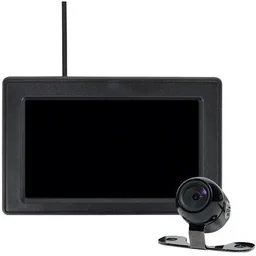
Wireless transmission can be susceptible to interference. In areas with many wireless networks, such as cities, the image may drop out. Be sure to check signal stability before completing the installation.
Advantages of wired reversing cameras
Wired systems provide a reliable, latency-free connection. The image appears immediately without delay. This solution is ideal for permanent installation. Although routing the cable is more time-consuming, the result is a professionally integrated solution. Many reversing cameras in this category are particularly robust.
Features to look out for
Modern reversing cameras offer more than just a live image. Additional features can significantly improve safety and ease of use.
Dynamic and static parking guidelines
Most cameras project guidelines onto the image. Static lines show a fixed area. Dynamic lines, often found on higher-end models, move with the steering angle. This lets you see exactly where your vehicle will go based on the current steering angle. It makes parking in tight spaces much easier.
Integrated sensors and multi-camera systems
Some systems combine the camera with ultrasonic sensors. This means you receive not only an image but also audible warning signals when approaching obstacles. Other solutions, known as multi-camera systems, allow several cameras to be connected. For example, you can install an additional camera at the front or on the trailer.
If you frequently tow a trailer, it is worth considering a multi-camera system. You can connect the camera on the trailer and always have a perfect overview without needing someone to guide you.
Installation and fitting: what you need to know
Installation affects the longevity and functionality of your camera. Plan this step carefully.
The ideal mounting location
The camera should be mounted as centrally and as high as possible at the rear. This gives you the best overview. Common locations include above the number plate, integrated into the tailgate handle or in the bumper. Make sure the lens is not obscured by the number plate frame and is protected from splashing water.
Power supply and wiring
The camera needs a power supply. This is usually provided via the reversing light. When you select reverse gear, the camera receives power automatically and the image appears on the monitor. When routing the cables, watch out for sharp edges. Use cable ties and run the cable along existing wiring looms.
There are various monitor solutions available. You can place a separate screen on the dashboard or use a car stereo with a camera input. Some systems, such as the , are specifically designed for integration into 7" radio systems.
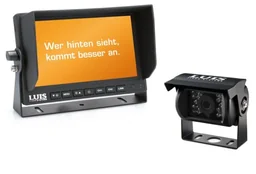
Backup Cameras Compared Directly 2026
The following table gives you a quick overview of selected models and their key features. This allows you to compare the systems directly.
The most-reviewed backup cameras in our range compared directly:
| Model | Customer rating | Availability |
|---|---|---|
| 276336 Stripe Cam 112 | – | Currently unavailable |
| 7" Basic Camera System - black | – | Currently unavailable |
| Dashboard 412GW | – | Currently unavailable |
| WIFI Backup Camera System | – | Currently unavailable |
| Wireless Backup Camera + Monitor | – | Currently unavailable |
How to Properly Maintain Your Backup Camera
To ensure your camera delivers a clear image over the long term, it requires minimal maintenance. The lens can become dirty just like your windshield.
Regularly Cleaning the Lens
Clean the camera lens regularly with a soft, lint-free cloth. A special microfiber cloth for eyeglasses works particularly well. For heavy dirt, apply a small amount of glass cleaner to the cloth only; never spray it directly onto the lens. A clean lens is especially important in winter and rainy conditions.
Checking the Mount and Connections
Check at regular intervals that the camera is still securely mounted. Vibrations can loosen the mount. For wireless systems, you should also replace the batteries in the camera unit in good time before they become weak. For wired systems, it is worth checking the plug connections for signs of corrosion.
Conclusion: How to Find Your Ideal Backup Camera
Choosing the right backup camera depends heavily on your individual needs and your vehicle. For a straightforward, temporary solution, wireless systems such as the are an excellent choice. You can install them in minutes and immediately improve your safety.
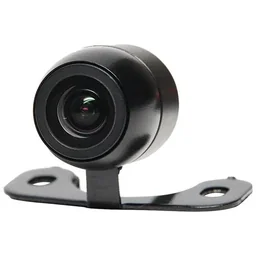
If you value maximum reliability and permanent integration, there is no getting around a wired system. The investment in installation time or fitting costs is worthwhile. Look for good resolution and useful additional features such as dynamic parking guidelines.
Whatever system you choose, a backup camera is one of the most useful upgrades for improved vehicle safety. It protects not only your car, but above all other road users, while saving you stress and potential repair costs in the long run. Make your decision based on our comparison criteria and enjoy greater convenience when maneuvering.
Frequently Asked Questions
- Is a backup camera suitable for every car?
- Basically, yes. You can find systems for almost every type of vehicle, from compact cars to vans. The key decision is between universal aftermarket solutions and vehicle-specific models. Universal cameras can often be mounted more flexibly, while dedicated models integrate perfectly into the existing tailgate or handle.
- What is better: a wireless or wired backup camera?
- Wireless cameras are much easier to install because you do not have to run cables through the vehicle. They are ideal for anyone who does not need a permanent solution. Wired systems, on the other hand, provide more reliable, uninterrupted signal transmission, but require more installation work.
- What resolution does a good backup camera need?
- For a clear, detailed image, you should aim for at least 720p (HD) resolution. Full HD (1080p) systems are even better. They provide sharp contours and make it much easier to spot small obstacles or edges. In poor lighting conditions, however, resolution alone is not the deciding factor.
- Can I install the backup camera myself?
- With some practical skill and detailed instructions, you can often install a wireless backup camera yourself. Wired systems are more challenging because you need to run cables through the interior. If you are unsure, we recommend having it installed by a professional workshop.
- Which additional features are useful in backup cameras?
- Useful additional features include dynamic parking guidelines that move with the steering angle and a night vision mode for good visibility in the dark. A waterproof housing is essential for permanent outdoor use. Integrated sensors that provide audible warnings offer an additional layer of safety.
You may also be interested in
- Dash Cams Test & Comparison 2026
- Car Multimedia Test & Comparison 2026: The Best Systems for Your Vehicle
- Security Systems Test & Comparison 2026
- Bike Rack Test & Comparison 2026
- Monitor Test & Comparison 2026: The Best Models Reviewed
- Car Diagnostic Tools Test & Comparison 2026: The Best Devices in Practical Testing