
In brief: Grilling works best when you divide the heat into direct and indirect zones, place dry and prepared food on the grill and measure the internal temperature. Sear meat over high heat and then finish cooking it gently. Grill vegetables in evenly sized pieces. Clean grates, suitable grilling methods and safe handling all make a difference to flavor and juiciness.
Grilling works best when you divide the heat into direct and indirect zones, place dry and prepared food on the grill and measure the internal temperature. Sear meat over high heat and then finish cooking it gently. Grill vegetables in evenly sized pieces. Clean grates, suitable grilling methods and safe handling all make a difference to flavor and juiciness.
Grilling properly starts with a plan, not with lighting the grill. Decide which food goes on the grate first, which zone provides the heat and when the food can rest. This helps you avoid burnt exteriors, unnecessary waiting times and dry side dishes.
Whether you use a charcoal, gas or electric grill, the basic rules remain the same. Cleanliness, controlled heat and a clear order of steps make grilling more relaxed. Find inspiration for meat, vegetables and smoking ideas in the BBQ + Smoking section.
How do you grill properly from preparation to serving?
Check the grate, fuel and accessories before you start. An empty, clean grill is much easier to control than an overcrowded cooking surface covered in old grease. Also plan a zone for finishing the cooking process, so you can move delicate food away from direct heat at any time.
What do you need at the grill?
Set up the grill securely on a level, nonflammable surface. Leave enough space around the appliance for a prep area, a dish of raw food and a plate for cooked dishes. A good work surface is also important in a small outdoor kitchen, as it keeps marinades, tongs and plates within easy reach.
- heat-resistant tongs and a spatula instead of a fork
- a clean tray for cooked food
- a thermometer with a thin probe
- two separate plates for raw and cooked meat
- paper towels for drying the food
- fire-resistant gloves and a sturdy prep area
Check the grate before every grilling session. Brush off baked-on residue and lightly oil the grate if food sticks easily. When buying or setting up your grill, the information in the Grills + Fire Pits section can help, especially when choosing between a gas grill, charcoal grill and fire pit.
How should you prepare meat and vegetables?
Take meat out of the refrigerator shortly before grilling and pat the surface dry. Moisture slows browning and makes the food steam rather than grill. Do not cut into larger pieces immediately after cooking; give them time to rest.
Salt steaks immediately before placing them on the grill or several hours in advance. In between, salt draws water to the surface. Marinades with oil, herbs and spices add flavor but can drip quickly into the coals. Therefore, brush off excess marinade before placing the meat on the grate.
Cut vegetables into evenly sized pieces. Zucchini, bell peppers and mushrooms can go directly on the grate, while potatoes, corn and thick carrots benefit from brief pre-cooking. This keeps the surface nicely browned without leaving the inside hard.
If you want to better judge charcoal and cooking times, the provides practical fundamentals for grilling with briquettes and charcoal. This knowledge is especially useful when planning several courses in succession.

Pro tip
Only place meat on the grill once the grate is fully preheated. Pat the surface dry and do not move the piece during the first few minutes. This creates a firm crust that makes the food easier to release from the grate.
What grill temperature does different food need?
The right grill temperature depends on thickness, moisture and the desired level of doneness. Thin steaks need high direct heat, while thick cuts benefit from indirect heat. The temperature shown on the lid only indicates the air temperature inside the cooking chamber. The actual heat at the grate may be significantly higher or lower.
| Food | Grilling method | Guide temperature at grate | Internal temperature |
|---|---|---|---|
| Steak | direct, then indirect | 230 to 300 °C for searing | 48 to 60 °C depending on doneness |
| Ground meat and burgers | direct, indirect if needed | 200 to 230 °C | 70 to 71 °C |
| Poultry | mostly indirect | 180 to 200 °C | at least 74 °C |
| Fish fillet | direct or on a grilling plank | 160 to 190 °C | about 63 °C |
| Vegetables | combination of direct and indirect | 180 to 220 °C | depending on the desired texture |
These values are guidelines. Thick pieces cook more slowly than thin ones, and a grill with the lid closed retains more heat. A safe internal temperature is especially important for poultry and ground meat because their structure can bring the inside into greater contact with germs.
How do you measure the heat?
Insert the thermometer probe into the thickest part of the food. With poultry, make sure the tip is not touching the bone; with thin steaks, it should be positioned in the center. Measure in several places if the piece is unevenly thick.
With a gas grill, you generally preheat the grate for ten to fifteen minutes. With a charcoal grill, wait until the briquettes are covered with a layer of gray ash. Red flames do not indicate stable grilling heat yet; they usually signal an unsettled starting phase.
How do you set up direct and indirect heat correctly?
Direct heat is created when food is placed directly over the flame or coals. It is suitable for steaks, sausages, thin chops and vegetables with a short cooking time. Indirect heat is created next to the heat source and slowly cooks thick pieces through without burning the surface.
“The only reliable method for determining whether meat is safely cooked is to measure it with a food thermometer.”
Which grilling methods are suitable for meat, vegetables and fish?
The best grilling method depends on the thickness of the food and the desired surface. A thin vegetable slice needs only brief contact with the grill grate. A whole chicken or roast needs time, a lid and even indirect heat.
Direct heat for deeply browned crusts
With direct heat, the food is placed directly over the coals or burner. The intense radiant heat quickly browns the surface and develops roasted flavors. Only turn meat when it releases easily from the grate and shows clear grill marks.
Direct heat is suitable for steaks, burgers, sausages, shrimp, fish fillets and thin vegetable slices. Stay by the grill while cooking. Fat can flare up, and small pieces can burn within just a few minutes.
Indirect heat for thick cuts
With the indirect method, the food is placed beside the coals or lit burner. Close the lid so the heat can circulate. This method is suitable for whole chickens, ribs, large roasts, corn on the cob and stuffed vegetables.
A drip tray beneath the food catches fat and escaping juices. It reduces smoke and makes cleaning easier. Do not fill the tray with beer or wine if you simply want to maintain a stable temperature. Water is enough as a heat buffer, but it is not essential.
When is the two-zone method worthwhile?
With the two-zone method, you concentrate the charcoal on one side of the grill. The other side remains free of direct coals and is used to finish cooking. On a gas grill, turn one burner up high and the other down low or off.
Sear a thick steak over direct heat first, then finish cooking it over indirect heat until it reaches the desired internal temperature. This combination is often called reverse searing when the meat is cooked slowly first and seared at high heat at the end. It produces more even cooking and a deep, crisp crust.
Important safety notice
Use only firelighters intended for this purpose. Methylated spirits, gasoline and other liquid accelerants can cause sudden flare-ups and dangerous fumes. If grease catches fire, close the lid if it is safe to do so, turn off the burners on a gas grill and never pour water onto burning fat.
How do you grill meat and vegetables to perfection?
Good food on the grill does not require complicated techniques, but it does require a clear sequence. Start with the pieces that take the longest to cook and add delicate ingredients later. Keep cooked components warm in a covered dish, but do not leave them directly over the coals.
Grilling meat: crust, juiciness and resting time
For a steak two to three centimetres thick, a short blast of high heat is usually enough to start. Sear both sides, then move the steak to the indirect zone. Turn it only as often as necessary so the surface remains in contact with the grate.
- Steak: sear directly, then cook indirectly until it reaches the desired internal temperature.
- Burger: cook thoroughly and measure the internal temperature in the center.
- Poultry: briefly brown the skin or surface directly, then cook slowly over indirect heat.
- Fish: cook on an oiled grate, a grill plate or a thin cedar plank.
Do not pierce the meat with a fork. Every puncture lets juices escape and makes it harder to control the cooking process. Use tongs and check the internal temperature with a probe thermometer.
After grilling, a steak should rest for three to ten minutes, depending on its size. Large roasts need longer. Cover the meat loosely so the crust does not become soft from trapped steam.
Grilling vegetables: cut evenly and turn at the right time
Vegetables are best grilled with a little oil and cut into evenly sized pieces. Too much oil drips into the coals and creates smoke, while too little oil makes delicate pieces stick to the grate. Do not turn vegetables constantly; wait until one side is browned.
Zucchini and eggplant cook quickly over direct heat. Peppers can stay on the grate a little longer and then develop a sweet, smoky flavor. Place mushrooms with the cut side facing up so the juices they release stay inside.
Potatoes, sweet potatoes, corn and thick carrots cook more evenly if you parboil them or grill them over indirect heat first. Then move them briefly to the direct-heat zone. Find a selection of suitable varieties and ideas in the Vegetables category.
Skewers, side dishes and large cuts
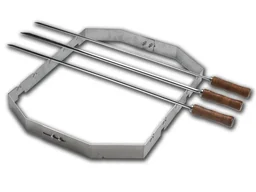
For skewers, cut meat and vegetables into similarly sized pieces. Do not combine ingredients with very different cooking times on the same skewer. Onions and peppers may need several minutes longer than small cubes of meat.
The is suitable for South American skewer grilling on the matching 57 cm Smokin Pizzaring. Before assembling, check that the ring, grill and accessories are compatible. Turn skewers slowly and regularly so the surface browns evenly.
Bread, flatbreads and pre-cooked side dishes should go on the grill at the very end. They usually need only a few minutes and burn quickly. Do not place cooked side dishes on the same plate as raw meat.
“Dripping fat can contribute to the formation of polycyclic aromatic hydrocarbons; therefore, avoid direct contact between fat and coals.”
How can you grill safely in an outdoor kitchen?
Safe grilling starts with choosing the right location. Never use a grill in an enclosed space, beneath low-hanging flammable coverings or directly next to dry plants. Even in a well-equipped outdoor kitchen, leave enough clearance, keep the work surface clear and set aside a safe spot for hot tools.
What does a safe grilling area look like?
- Place the grill on a stable, level, nonflammable surface.
- Keep children and pets outside a clearly marked safety zone.
- Store gas cylinders upright and keep the connections easy to reach.
- Keep a suitable fire extinguisher or bucket of sand close by.
- Never set hot grates, lids or tongs on plastic or wood.
Check gas hoses and connections regularly. Test for leaks with soapy water, never with an open flame. Do not move a hot grill, even if wind or rain makes you want to change its location.
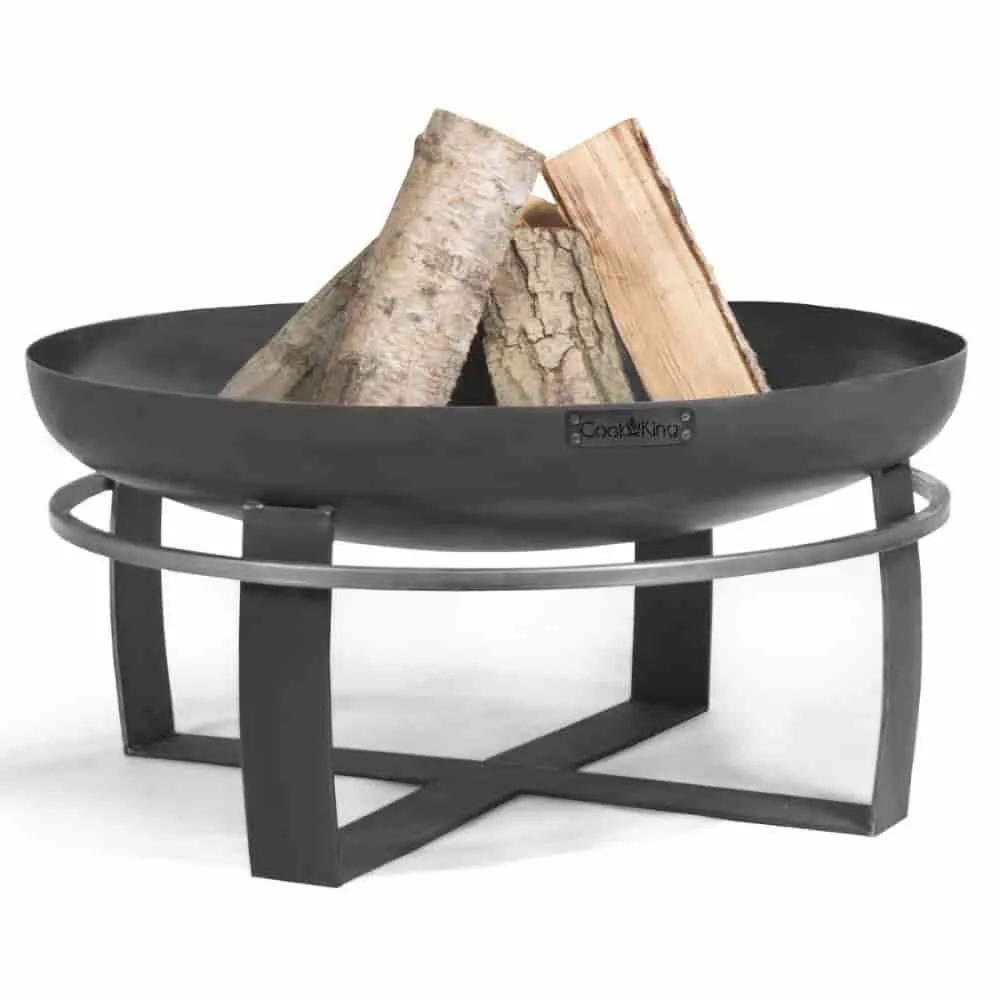
A large fire pit such as offers plenty of room to grill with friends and family, but it needs extra clearance from buildings and plants. Set it on a suitable surface and check local regulations on open fires before using it. Find more ideas for a safe location in Garden + Outdoor.
How can you prevent smoke and cross-contamination?
Keep raw meat, cooked meat and vegetables separate at all times. Use separate plates and tongs, or clean your tools thoroughly before handling cooked food. Never serve marinade that has touched raw meat unless you cook it first.
Heavy smoke is often caused by fat, damp charcoal or too much oil. Pat marinated food dry, and move it to the indirect-heat zone right away if flames flare up. Don't leave perishable food in the sun for long after eating; refrigerate leftovers promptly.
How do you clean a grill?
Clean the grates while they're still warm to the touch. Remove baked-on grease with a suitable brush, then check for loose bristles. Wipe down the shelves and empty the grease tray once it has cooled.
With a charcoal grill, wait until the ash is completely cool before disposing of it. Until then, store it in a lidded, nonflammable metal container. With a gas grill, turn off the burners after cooking, then shut off the gas supply.
How can grilling beginners get started without stress?
For your first few cookouts, plan a manageable menu: one meat dish, one vegetable and a simple side. Avoid cooking several thick cuts with different cook times at once. Note the grill temperature, cooking time and internal temperature so you can make targeted adjustments next time.
Start with the two-zone method and keep the lid closed as much as possible. Checking the food too often lets heat escape and extends the cooking time. Set out your tongs, plate and thermometer before lighting the grill so you won't need to step away while cooking.
Additional tips
After each cookout, make a quick note of the grill type, fuel, outdoor temperature, cooking time and internal temperature. After just a few uses, you'll know your grill's quirks and choose the right grilling method much more quickly.
Great grilling combines a flavorful sear with controlled heat. Use dry surfaces, separate heat zones and a thermometer to cook meat, fish and vegetables reliably. This keeps the grilling area clean, the outdoor kitchen organized and cookouts relaxed.
Frequently Asked Questions
- What grill temperature is best for meat?
- For steaks, you'll usually need 230 to 300 °C of direct heat for searing, followed by 120 to 160 °C of indirect heat. Cook poultry safely at a grill temperature of around 180 to 200 °C. Internal temperature matters most, so use a thermometer instead of relying on color or the touch test.
- How do I grill meat so it stays juicy?
- Pat the meat dry, lightly coat it with oil and preheat the grates thoroughly. Start by grilling the meat over direct heat to create a crust, then move it to the indirect-heat zone. Let it rest for a few minutes after cooking so the juices can redistribute.
- How do I grill vegetables without burning them?
- Cut vegetables into evenly sized pieces and lightly coat them with oil. Cook dense vegetables such as potatoes or corn in advance, or start them in the indirect-heat zone. Then grill zucchini, bell peppers and mushrooms briefly over direct heat. Turn them once grill marks have formed.
- Which fire starters are safe to use for grilling?
- Use only approved solid grill starters or electric fire starters, and follow the manufacturer's instructions. Never use flammable liquids such as alcohol or gasoline near the grill. Keep children, pets and flammable objects away. Make sure the coals are completely out, and dispose of the ash only when it's cold.
- Which grilling method is best for beginners?
- The two-zone method is ideal for beginners: place the charcoal on just one side of the grill to create direct and indirect heat. Start thin cuts over direct heat, while thick cuts finish cooking next to the coals. A lid and thermometer make it much easier to control the temperature than frequent turning.