
In brief: Robins are popular, beneficial garden birds that you can attract with a wildlife-friendly garden, open patches of soil and the right food. Effective bird protection mainly means keeping natural predators such as cats away and avoiding chemical pesticides. Special nest boxes and providing soft food in winter are practical protective measures.
Robins in the Garden: Facts & Protection
With its orange breast and curious gaze, the robin is a welcome visitor. It is more than just a beautiful songbird. This insect-eater helps keep pests under control and brings life to the garden. We show you how to attract robins and protect them all year round.
How do robins live?
Robins are solitary birds that vigorously defend their territory. They often remain in the same area all year round. You can hear their song even in autumn and winter. They are ground feeders, searching for food mainly on the ground or in low vegetation.
There, they pick through leaves for worms, spiders and insects. This preference makes them vulnerable to disturbances and dangers at ground level. A wildlife-friendly garden is therefore the key to their wellbeing.
Additional advice
Feel free to leave piles of leaves in place during autumn. They provide robins and other garden birds with a rich buffet of overwintering insects and spiders. This saves work and benefits nature.
What do robins eat and how should I feed them?
Robins are soft-food eaters. They usually ignore hard seed food such as sunflower seeds. In summer, their diet consists almost entirely of animal food.
The ideal winter feeding
When there is frost and snow, they can hardly find any insects. They will then accept special soft food. Fat-food mixes with berries, dried mealworms or ant pupae are ideal. Offer this food in low, sheltered feeders or on a feeding table.
“Winter feeding should supplement the natural food supply, not replace it. An insect-friendly garden is the best year-round source of food.”
Cleanliness is important. Clean feeding areas regularly to prevent the spread of disease. You can find suitable mixes in our bird food range.
What you can offer in summer
Additional feeding is not necessary in summer. If you still want to do something good for the birds, offer live mealworms. These are a valuable source of protein, especially while the young are being raised. Always provide fresh water in a shallow bird bath.
Important note
Never offer salty or seasoned leftovers. Bread swells in the stomach and is unsuitable. Use only special, high-quality wild bird food.
How can I create the perfect habitat?
A tidy, sterile garden offers robins nothing. They need structure and natural hiding places.
Essential garden features
- Dense hedges and shrubs: They provide nesting sites and protection from predators. Native species such as hawthorn or hazel are ideal.
- Low-level hiding places: Woodpiles, exposed roots or dense perennial beds are often accepted as nesting sites.
- Open patches of soil: Leave small areas free of mulch so the birds can reach the soil.
- Water source: A shallow bowl or basin provides a place to drink and bathe.
With the right plant care accessories and a little planning, you can easily create these areas.
The greatest dangers in the garden
Free-roaming cats are the main danger. Ground-level nests are extremely vulnerable. Glass surfaces on windows and conservatories become invisible death traps. Chemical pesticides directly poison the robins’ food chain.
“Gardens are now often the most important refuges for many bird species. Even the smallest wildlife-friendly feature helps robins and increases biodiversity.”
What type of nest box do robins need?
The classic enclosed nest box with a small entrance hole is designed for tits. Robins nest in semi-open cavities.
The ideal nest box
A suitable box has a large, side-facing opening that takes up about one third of the front. It should be made from breathable wood and have a roof that slopes slightly forwards to protect against rain. The inside should be left natural, as the robin builds its own nest.
Our
has been specially designed for the needs of robins and other semi-cavity nesting birds. It provides the perfect conditions for successful breeding.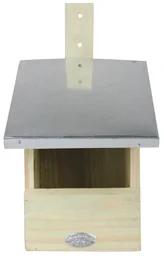
Where should I hang the nest box?
The ideal mounting height is 1.5 to 2 metres. Choose a quiet, partially shaded location. The opening should not face the prevailing weather direction (west) and should be as free as possible from direct sunlight. Securely attach the box so it is protected from cats and martens.
Expert tip
Only clean the nest box in late autumn or winter, after the breeding season. Use only hot water and a brush, never chemicals. This removes parasites without harming the new occupants.
Practical bird protection measures for your garden
Protection requires active measures. Here are the most effective methods.
Protection from ground predators
A
protects more than just ponds. Stretched over low nesting sites in hedges or around roots, it keeps cats and other nuisances at a distance. The robust net is easy to handle and also protects against falling leaves.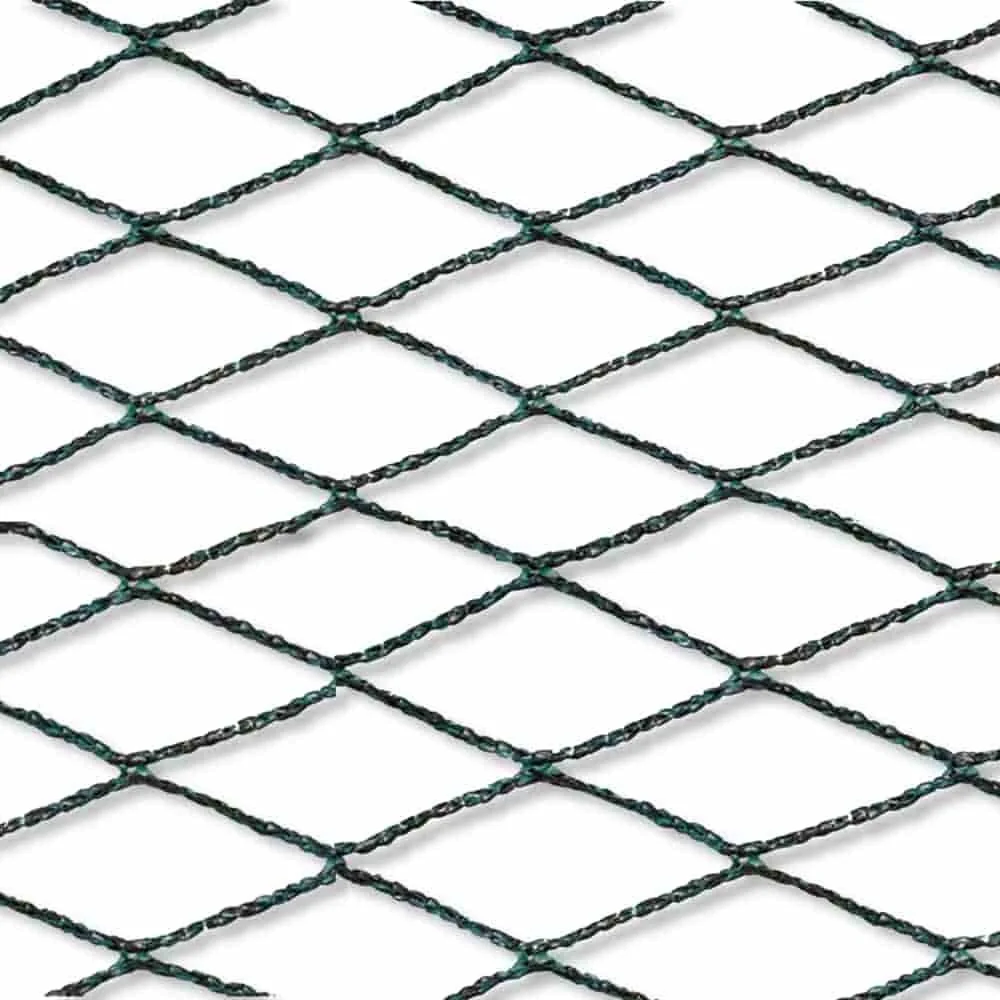
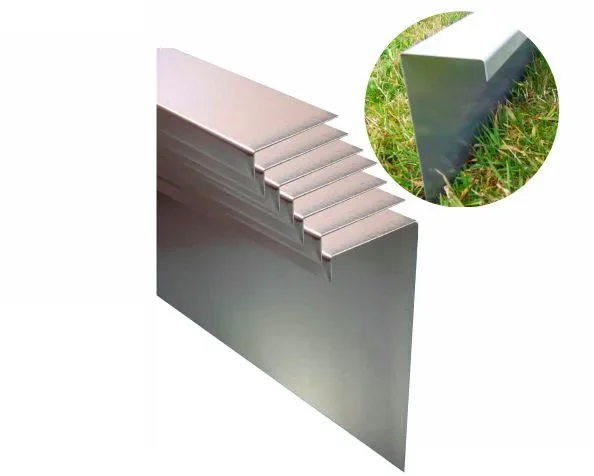
For beds and specific areas, a
Make windows safer
Cover large glass surfaces on the outside with patterns, stickers or special bird protection film. Do not place potential hazards such as houseplants directly in the flight path near windows.
Avoid chemicals
Every insecticide kills the robins' food supply. Use natural pest control methods instead. Beneficial insects, mechanical barriers and the targeted use of biological plant protection products are the better choice.
Support robins throughout the year
Your efforts are worthwhile all year round.
Spring: Provide nesting materials such as short wool threads, animal hair or moss. Do not disturb potential nesting sites.
Summer: Provide water. Avoid gardening work near occupied nests.
Autumn: Stop cutting hedges back drastically. Leave windfall fruit and berries hanging for the winter.
Winter: Feed soft food. Provide drinking water that will not freeze.
With these measures, you can transform your garden into a safe haven for robins. They will reward you with lively song and natural pest control. Start creating your bird-friendly garden refuge today.
Frequently asked questions
- What do robins like to eat most?
- Robins eat soft food. They prefer live or dried insects, mealworms, ant pupae and soft fat-based mixes with berries. They rarely eat seed food such as sunflower seeds. In summer, they feed almost exclusively on spiders, worms and insects found on the ground.
- When and how do robins breed?
- Robins breed from April to July, often raising two broods per season. They build their cup-shaped nests well hidden close to the ground, in hedges, among roots or in semi-open nest boxes. The female lays 5-7 eggs and incubates them for around 14 days. After a further 14 days in the nest, the young leave the nesting site.
- How can I make my garden robin-friendly?
- Avoid using chemicals in the garden. Leave piles of leaves and dead wood in place to attract insects. Dense hedges and low hiding places provide nesting opportunities. Keep some areas of soil open and free of mulch so the birds can probe for worms. A bird bath is essential in summer.
- Do robins need special nest boxes?
- Yes, traditional tit nest boxes are unsuitable. Robins need semi-open nest boxes or so-called “robin boxes” with a large opening at the side. These should be mounted at a height of about 1.5 metres, protected from rain and cats, in a quiet, partially shaded spot. PRODUCT_73881
- How can I protect robins from cats?
- Secure low nesting sites with a PRODUCT_5684 or thorny branches. A PRODUCT_38727 around beds protects not only plants but can also shield nests. The most important protection is to keep your cat indoors during dawn and dusk throughout the main breeding season (April-July).
You might also be interested in
- Birds in the garden: How to create a paradise for feathered friends
- Watch garden birds in winter and feed them correctly
- Cats in the garden? How to protect your birds effectively
- Attract birds: How to turn your suet ball feeder into a hotspot
- Keeping chickens in the garden: Everything you need to know
- Identify garden birds: Which species visit your garden?