
In brief: Low-maintenance plants are characterised by high adaptability, drought tolerance and minimal care requirements. Sedum, lavender and prairie grasses are ideal for sunny locations. Hostas and barrenwort thrive in the shade. They create a beautiful garden or balcony with minimal effort and are ideal for beginner gardeners.
Contents
- What really makes a plant low-maintenance?
- The best hardy plants for sunny locations
- Which low-maintenance plants thrive in the shade?
- Hardy plants for balconies and containers
- How do I create a low-maintenance flower bed properly?
A green thumb is not an inborn talent but the result of smart planning. Would you like a flowering garden or lush balcony but have little time for demanding maintenance? The solution lies in choosing the right plants. Hardy and adaptable plants can transform any space into a green oasis that brings more enjoyment than work. Forget constant watering, fertilising and pruning. Focus on plants that are naturally strong.
This guide shows you which varieties are suitable for a low-maintenance garden and how to make the right choices from the outset. This way, you can create a little paradise that gives you time to enjoy it. Discover the world of undemanding heroes for your entire Garden + Outdoor experience.
What really makes a plant low-maintenance?
Not every plant sold as "low-maintenance" lives up to that promise in every garden. True survivors combine several characteristics. By considering these criteria when choosing plants, you lay the foundation for a beautiful garden that stays easy to maintain over the long term.
Anyone who wants to garden in harmony with nature must make the right choices when selecting plants.
A low-maintenance plant forgives your mistakes. It copes with the conditions your garden offers without needing constant attention. The most important characteristics are:
- Adaptability: The plant thrives in both full sun and partial shade and is not fussy about soil conditions.
- Drought tolerance: Once established, the plant can withstand longer dry periods without daily watering.
- Hardiness: It needs no elaborate winter protection and reliably regrows the following spring.
- Low nutrient requirements: The plant does not need regular fertilising and grows well even in poor soil.
- Resistance to diseases and pests: It is naturally resistant to common fungal diseases and pests such as aphids.
- Minimal pruning: One cutback per year is enough, or pruning is not necessary at all. Spent flowers drop away naturally, or the plant remains attractive throughout winter.
The art lies in finding plants that perfectly match the light, water and soil conditions at your location. A sun-loving prairie plant will always struggle in damp shade, no matter how hardy it is in itself.
The best hardy plants for sunny locations
Sunny, dry spots are a challenge for many plants. However, some specialists love precisely these conditions. They develop deep roots, store water in their leaves and protect themselves from evaporation with silvery or hairy foliage. With these plants, you can create beds that look magnificent even in midsummer without much effort.

Perennials: Long-lasting flowering wonders
Perennials are the backbone of a low-maintenance garden. Once planted, they return every year and become more beautiful with each season.
- Sedum (Sedum): Tall sedum, especially the 'Herbstfreude' variety, is unbeatable. Its thick, water-storing leaves make it extremely drought-tolerant. In late summer and autumn, its pink to deep-red flower heads provide valuable food for bees and butterflies. The seed heads are an attractive feature in the winter garden.
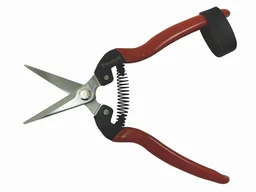
- Lavender (Lavandula angustifolia): The classic choice for a Mediterranean feel. Lavender loves full sun and alkaline, well-drained soil. Its fragrance keeps mosquitoes away, while its flowers attract bumblebees. Pruning after flowering with sharp shears such as the "Wonder Shears" keeps it compact.
- Gaura (Gaura lindheimeri): With its delicate white or pink flowers dancing like tiny butterflies on long stems, gaura brings a light, airy feel to the bed. It flowers tirelessly from June until the first frost and gently self-seeds.
- Catmint (Nepeta): A fantastic alternative to lavender, especially in heavier soils. Catmint forms dense, grey-green clumps and flowers for weeks with violet-blue flower spikes. Cut it back after the first flowering, and it will reward you with a second flush in late summer.
Pro tip
Combine different flowering periods. Plant early-flowering cushion perennials such as rock cress (Aubrieta) alongside summer bloomers such as yarrow (Achillea) and autumn bloomers such as sedum. This gives you continuous colour in the bed from spring to autumn without having to plant new flowers constantly.
Grasses: Dynamic structural plants
Ornamental grasses bring movement and a natural aesthetic to the garden. They are extremely low-maintenance, need very little water or fertiliser and look fantastic even in winter when covered with frost.
- Blue fescue (Festuca glauca): This small, clump-forming grass stands out with its intense steel-blue foliage. It is perfect for flower bed edges or rock gardens and stays green—or rather blue—even in winter.
- Fountain grass (Pennisetum alopecuroides): With its soft, bottlebrush-like flower heads in late summer, it is a real eye-catcher. It needs a sunny spot and is only cut back in spring, shortly before new growth begins.
Which low-maintenance plants thrive in the shade?
Shady corners in the garden are often considered problem areas. But with the right choice of plants, they can become calm, mysterious retreats. Shade plants have adapted to cope with little light. They often impress more with the structure and colour of their leaves than with lavish blooms.
Foliage perennials: green variety instead of colourful blooms
Where sunshine is lacking, foliage takes centre stage. Foliage perennials create year-round interest with a range of different shapes, sizes and colours.
- Hostas (Hosta): The queens of the shade. They come in countless varieties with blue, green, yellow or variegated leaves, ranging from tiny to huge. They prefer moist, humus-rich soil. Beware: slugs love hostas. Slug pellets or robust varieties such as 'Sum and Substance' can help.
- Coral bells (Heuchera): These plants are true colour artists. Their foliage glows in shades ranging from lime green through orange and red to deep violet. They are evergreen and produce delicate flower spikes in summer. Perfect for the front of a border.
Important note
Always find out how tall and wide a plant will eventually grow. A cute little perennial can develop into a huge bush within a few years, crowding out its neighbours. Good planning will save you a lot of work later when it comes to moving or dividing plants.
Flowering shade specialists
You do not have to go without flowers in the shade. Some specialists reveal their full beauty דווקא here.
- Barrenwort (Epimedium): An indestructible ground cover for dry shade, for example beneath trees. In spring, its delicate, fairy-like flowers float above the heart-shaped foliage. The dense leaves suppress weeds extremely effectively.
- Astilbe (Astilbe): With its bright, feathery flower plumes in white, pink or red, astilbe adds colour to moist shade borders. It does need more water than barrenwort, but is otherwise very undemanding and long-lived.
Hardy plants for balconies and containers
Balconies and patios have their own particular conditions. Soil in pots and planters dries out more quickly, and nutrients are limited. This is where especially tough and adaptable plants are needed—ones that will not immediately suffer if you forget to water or fertilise them. The right garden and plant accessories, such as high-quality soil and sufficiently large containers, are essential here.

Additional advice
Group plants with similar watering needs together. Place thirsty plants such as hydrangeas in their own container and group drought-tolerant plants such as rosemary and sedum together. This makes watering much easier and ensures that each plant has the conditions it needs.
Flowering favourites for planters and containers
Some balcony classics have earned their good reputation. They flower throughout the summer and are incredibly robust.
- Geraniums (Pelargonium): The ultimate low-maintenance balcony flower. Whether upright or trailing, geraniums flower tirelessly in full sun and store water in their thick stems. Remove faded flowers regularly to encourage new blooms.
- Diamond Frost (Euphorbia hypericifolia 'Diamond Frost'): This plant is a real wonder. It forms a cloud of countless small, white flowers and keeps growing throughout the summer. Best of all, it is self-cleaning, so faded flowers simply drop off. Perfect as a filler plant between other plants.
Evergreen structure plants and tasty herbs
Evergreen plants are important if you want your balcony to avoid looking bare in winter. Herbs are not only easy to care for, but useful too.
- Dwarf mountain pine (Pinus mugo): A small pine in a pot adds an alpine feel and stays green all year round. It is completely winter-hardy and copes extremely well with dry conditions.
- Mediterranean herbs: Rosemary, thyme and sage love sunny, hot locations and need little water. Plant them in free-draining herb compost and harvest them throughout the summer for your kitchen.
How do I create a low-maintenance flower bed properly?
Careful bed preparation is the most important investment in a low-maintenance garden. Take your time with it—it will pay off. With the right garden tools and a well-thought-out plan, you can save yourself years of work dealing with weeds and struggling plants.
Step 1: Analyse the location and soil
Observe the future flower bed location for a day. How many hours of sunlight does it receive? Is the soil sandy and dry, or loamy and damp? Your plant selection must suit these conditions.
Step 2: Prepare the soil thoroughly
Remove all weeds as thoroughly as possible, especially deep-rooted weeds such as ground elder and couch grass. Loosen the soil deeply with a digging fork. If the clay soil is heavily compacted, work in sand and compost to improve drainage. For poor sandy soil, mature compost improves its ability to retain water and nutrients.
The right location is half the battle. A sun-loving plant will never reach its full potential in the shade, while a shade-loving plant will scorch in the intense midday sun.
Step 3: Plant wisely
Before planting, arrange the plants on the bed in their pots to check the spacing. Plan tall perennials and grasses for the background, with low-growing ground cover plants along the edge. Plant in small groups of three or five of the same variety. This looks more natural than individual specimens. Put on sturdy gloves while working, such as the


Step 4: Mulch to prevent weeds and retain moisture
After planting, applying a 5-7 cm layer of bark compost or wood chippings is the best way to give your low-maintenance garden a good start. The mulch layer prevents weed seeds from germinating, retains moisture in the soil and improves soil structure over time. Leave a small area clear around the plant stems.
Step 5: Water correctly
Water new plantings thoroughly. During the first few weeks, they need regular watering to establish strong roots. After that, water less often but more deeply. This encourages the plants to develop deep roots and makes them less dependent on you.
A garden that almost grows by itself is not an impossible dream. By choosing robust plants suited to their location and designing the garden thoughtfully, you can create an oasis that offers more relaxation than work. Take the plunge and get started.
Frequently asked questions
- Which plant needs the least water?
- Succulents such as stonecrop (Sedum) and houseleek (Sempervivum) need very little water. Mediterranean herbs such as lavender, thyme and rosemary also thrive with very little water once they are well established. They are ideal for dry, sunny spots in the garden or on a balcony.
- What are the best hardy, low-maintenance plants?
- Some of the hardiest plants include perennials such as gaura (Gaura), catmint (Nepeta) and grasses such as fountain grass (Pennisetum). In shady areas, hostas (Hosta) and barrenwort (Epimedium) are highly reliable and return every year without needing winter protection.
- Are there flowering plants that need no maintenance?
- No plant is completely maintenance-free, but some are extremely undemanding. Cranesbill (Geranium) flowers for months and suppresses weeds. Yarrow (Achillea) is a long-flowering plant for sunny, dry spots. Once established, both only need watering during extreme drought and do not require regular pruning.
- How do I mulch a flower bed properly to prevent weeds?
- First, remove all weeds from the bed. Then apply a 5 to 7 centimetre layer of mulch, such as bark compost, wood chippings or grass clippings. Leave a small gap around the plant stems to prevent rot. The mulch layer suppresses weed seeds and retains moisture in the soil.
- Which herbs are best for beginners?
- Chives, parsley and mint are very easy to grow, but they need regular moisture. For sunny, drier locations, Mediterranean herbs such as thyme, rosemary and sage are ideal. They are extremely hardy, tolerate watering mistakes and need very little fertiliser. Start with these herbs to achieve your first successes.
You may also be interested in
- Ground cover plants: The best plants for low-maintenance flower beds
- Garden plants for beginners: An easy introduction to gardening
- Low-maintenance summer flowers for months of colourful blooms
- Low-maintenance trees: Less work, more greenery in the garden
- Low-maintenance vegetable garden: Little effort, great harvests
- Sunny balcony plants: Ideal for south-facing balconies and full sun