
In brief: Roof replacement is a complex building project that requires careful planning. Start with a thorough assessment of the existing roof and choose the right material. Next, remove the old roof, make any necessary repairs to the substructure and professionally install the new roof covering. Finish by checking that the roof is watertight and looks right.
Roof replacement: How to approach the project step by step
A new roof protects your home for decades and shapes its appearance. The project calls for a clear plan. Start by assessing the roof, setting a budget and choosing the material. Then remove the old covering, make any necessary repairs to the substructure and install the new roof covering. We’ll guide you through each stage.
Phase 1: A thorough assessment
Before replacing your roof, you need to know its exact condition. Start in the attic. In daylight, look for beams of light that could indicate leaks. Check the rafters and battens for moisture, dry rot or woodworm.
From outside, inspect the roof with binoculars. Look for broken or displaced tiles, heavy moss growth and flaking surfaces. This inspection will help you decide whether a partial repair will do or a complete roof renovation is needed.
Pro tip
Plan your inspection for a rainy day. Active leaks are easiest to spot then. Dry marks on the underside of the roof battens are a clear sign of past leaks.
How can I estimate roof replacement costs?
Roof replacement costs include many items. The basic cost of materials such as tiles or concrete roof tiles is only part of the total. Be sure to account for the full scope of work: scaffolding rental, construction waste disposal, any new substructure (counter battens, roof battens), accessories such as ridge and verge tiles, and labor.
Doing some roof work yourself can save money. You can remove the old covering and arrange to have it hauled away. Practical helpers such as a workshop trolley or a sturdy material stand are essential for storing materials and tools safely on the jobsite.
“Always set aside 15-20% of your total budget for unexpected damage to the substructure. You often won’t know what’s hidden beneath the old tiles until they’re removed.”
Roof replacement costs in detail
Roofing materials are the largest variable cost. Basic interlocking concrete tiles start at around 30€ per square metre. High-quality clay tiles or specialty styles can cost more than 100€. Metal roofing such as zinc-titanium costs more, but offers an extremely long service life and low weight.
Don’t forget the accessories. Gutters, downspouts and snow guards are part of a complete roof replacement. A new roofing underlayment or insulation above the rafters can also improve energy efficiency, although both add to the total cost.
Which material should I choose for my new roof?
Your choice affects the roof’s appearance, durability and price. Traditional clay tiles have a natural look and are very durable. Concrete roof tiles are often more affordable and come in many colors. Cement-bound sand roof tiles are impact-resistant and colorfast.
Metal roofing systems made from aluminum, copper or zinc-titanium suit modern architecture. They are lightweight, work with lower roof pitches and create a uniform surface. The right choice depends on your home’s style, local conditions and budget.
Important note
Your choice of material affects the structural requirements. Heavy natural slate or clay tiles need a stronger substructure than lightweight metal profiles. Before deciding, ask a structural engineer or roofer to check whether your existing roof structure can support the material you have chosen.
Materials for specific requirements
In areas with heavy snowfall, choose tiles or roof stones with high load-bearing capacity. For exposed, windy locations, look for models with secure fixing systems. If you plan to add solar panels later, the substructure will need suitable reinforcement. Think ahead when choosing materials.
Sturdy equipment is important for moving and handling the often heavy packs on the roof. A garden tool such as a sturdy wheelbarrow helps at ground level, while a (2-piece set of rolling roof carts) makes work on the roof itself much easier and safer.

What roof work can I do myself?
How much work you can do yourself depends on your practical skills, the height and complexity of the roof, and your comfort level. Preparation is generally a good place to start: you can coordinate scaffolding with the contractor, clear out the attic and create access routes.
You can remove the old roof covering yourself if you feel confident working on scaffolding and the roof. Sort materials properly for disposal. Old tiles often go in a container for mineral construction waste, while wooden battens may need to be sent for energy recovery.
“Most serious renovation accidents happen while removing the old covering, often because of falls or improper handling of old, rotten components. If you’re unsure, leave this stage to the professionals. Your health is worth it.”
Know the limits of DIY roof work
Leave installation of the new roof covering to qualified contractors. Proper installation, watertight connections around chimneys, dormers and the ridge, and adequate ventilation beneath the roof covering are complex tasks. Mistakes can lead to costly moisture damage.
You can still help by passing up materials and keeping the work area clean. A practical (sun lounger with sun canopy) gives the roofing crew a comfortable, shaded place to rest during breaks—a small way to support good teamwork.
Additional advice
Before work begins, agree in writing with the roofing contractor which tasks you’ll handle and which they’ll perform. Set clear handoff points (e.g. “up to the watertight roofing underlay”). This helps prevent misunderstandings and liability issues if defects arise.
When is roof repair enough?
Not every type of damage requires a complete roof renovation. Replace individual broken tiles. Repair localized leaks around connections or nail penetrations with special roof sealing tape or liquid plastic.
If algae and moss growth is widespread, professional roof cleaning followed by impregnation is often enough. After cleaning, check that the roof tiles are secure. Reposition and clip any loose tiles in place.
Deciding whether to repair or replace your roof
Repair the roof if most of the covering is intact and the damage is limited to specific areas. Replace it if damaged areas are becoming more frequent, the supporting structure is deteriorating or the roof covering is generally worn out. A spot repair on a 40-year-old roof is often only a short-term fix.
For maintenance and small repairs around your home, find the tools and materials you need in our shop. From the right ladder to a protective cover for your garden, we have what you need.
The final step: inspection and attention to detail
Once the roofing work is complete, inspect the roof thoroughly. Check all connections, the gutters and the ridge to make sure everything has been installed correctly. In the attic, check again for any daylight coming through.
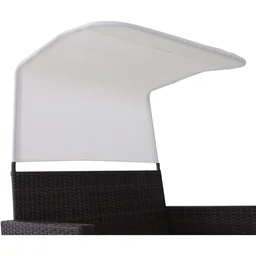
The overall appearance matters, too. Do the roof tile colors match across the entire surface? Are the rows straight? A well-finished roof is the crown of your home. Paired with attractive patio furniture such as a (a patio sofa set with a sun canopy), it creates an inviting outdoor space you can now admire from your new roof.
Finally, schedule regular maintenance. Clear leaves from the gutters, inspect the roof after storms, and trim back any tree branches near the roof. This will help protect your investment for years to come.
Frequently Asked Questions
- How much does a complete roof replacement cost?
- Roof replacement costs vary considerably, but typically range from 15,000 to 50,000 euros for a single-family home. Key factors include the roof size, the materials you choose (such as concrete or clay tiles), the condition of the supporting structure, and whether you do any of the work yourself. Getting a detailed estimate from a professional beforehand is essential.
- What is the best material for a roof replacement?
- The right roofing material depends on your budget, your home's architecture and regional preferences. Classic options include durable clay tiles and more affordable concrete tiles. Metal roofing, such as titanium zinc, is modern and lightweight but requires professional installation. Concrete roof tiles are a durable alternative that often holds its color well. Ask for samples to help you decide.
- Can I replace my roof myself?
- Yes, but only to a certain extent. As a DIYer, you can remove the old roof, dispose of the materials and prepare the roof surface. However, installing the new roofing, working at height and ensuring the roof is watertight are best left to a professional roofing contractor. Safety must come first.
- When should I repair my roof, and when should I replace it?
- Repair your roof if individual tiles are damaged or you have a leak. A full replacement may be needed if there is widespread algae growth, many broken tiles, a rotten supporting structure or the roofing has reached the end of its service life (often 30-50 years). An inspection by a professional can help you decide.
- What is the first step in replacing a roof?
- Start with a detailed assessment of the roof's current condition. Inspect the attic and the roof covering from inside and outside for moisture, damage and signs of wear. Then ask two to three experienced roofing contractors for detailed quotes that include cost estimates and material recommendations. This information will help you plan the project.
You may also be interested in
- Roof construction for DIYers: Your complete renovation guide
- Renovating made easy: Your path to a modern home
- Build your own porch canopy: Effective weather protection for your entrance
- Renovating a garden shed: A fresh look for your garden retreat
- Renovating a house: Your complete guide from planning to completion
- External wall insulation systems: A complete guide for your home