
In brief: Standard drain cleaners cannot break down the woody structure of roots. They dissolve grease and hair, but not lignin and cellulose. A specialist root killer such as Wurzel-Weg chemically breaks down roots and prevents regrowth without harming the tree. It is an effective DIY solution.
A gurgling drain or a slow-flushing toilet can be easy to dismiss at first. But underground, hidden in your house drainage system, a serious problem may be developing: root intrusion. Trees and shrubs send their roots in search of water and nutrients, and wastewater pipes can provide both. Many people reach for a standard drain cleaner, but it often cannot tackle the problem. So what really works against roots growing into your pipes?
The answer is targeted treatment of these woody intruders, not a product that dissolves grease and hair. A conventional drain cleaner is the wrong tool for the job. You need a specialist solution that tackles roots at their source without damaging the pipe or the tree. That is where a dedicated root killer comes in.
The effective solution: targeted root control instead of general drain cleaning
When roots are the problem, you need more than a standard drain unblocker. You need a product designed to break down cellulose and lignin, the main components of wood. That is exactly what is designed to do. It chemically breaks down roots that have grown into the pipe system and helps prevent regrowth.
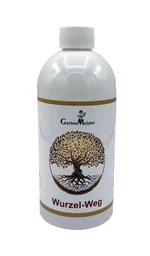
Unlike aggressive acid-based drain cleaners, which can also damage seals and pipe materials, Wurzel-Weg targets organic root matter. It foams inside the pipe, coats the inner walls and reaches roots that have grown into the pipe from above. Its active ingredients kill the root tips, allowing them to slowly decompose and wash away. The treatment stays inside the pipe, so the tree itself is not harmed.
How can I tell if roots have grown into the pipe?
Roots grow out of sight, so the damage may already be advanced by the time you notice a problem. Look for a combination of signs of root intrusion in your drainage system.
Gradual symptoms inside the house
The first clues may appear inside your home. If several or all of the ground-floor drains are slower than usual, take notice. Gurgling pipes after flushing the toilet or taking a shower can indicate trapped air caused by a partial blockage. Unpleasant, sewage-like smells from the drains may also point to standing water and the early stages of decomposition caused by roots.
Clear signs in the garden
Your garden can also reveal the condition of your underground pipes. A particularly green, lush strip of grass directly above the wastewater pipe is a strong clue. Roots may have reached the pipe and be feeding the plants above with extra water and nutrients. In advanced cases, damp patches or small depressions may appear in the ground as water leaks from the pipe and washes away the soil beneath it.
A single root hair that finds a leaking pipe joint can build up enough pressure as it grows over the years to rival reinforced concrete. Never underestimate the quiet power of nature.
Why do roots grow into drain pipes in the first place?
Root intrusion is a striking example of nature's determination. Plant roots can detect even tiny traces of moisture over considerable distances. To a root, a wastewater pipe is like an oasis in the desert: it offers a steady supply of water and valuable nutrients.
Older pipe systems, especially those made of clay, concrete or cast iron, are particularly vulnerable. Over time, push-fit joints can develop tiny cracks or lose their watertight seal because of ground movement or material fatigue. Water vapour and fine droplets escape through these small leaks, giving roots the signal they are waiting for. A fine root hair finds its way into the opening and begins to grow and branch out. As the roots expand, they force the joints further apart, eventually causing major blockages or broken pipes.
Pro tip
Inspect your inspection chambers once a year. Look for fine, thread-like growths on the walls or floor. If you spot roots early, preventive treatment can often help you avoid an expensive repair.
Drain cleaner vs. root killer: the crucial difference
Using the wrong product can make the problem worse or have no effect at all. It helps to understand the difference between a standard drain cleaner and a specialist root killer.
What a conventional drain cleaner does (and does not do)
Commercial drain cleaners are usually based on a strong alkaline solution (sodium hydroxide) or, less commonly, acid. Their formula is designed to break down common household blockages such as hair, soap residue, grease and food scraps. They work by saponifying grease and breaking down the proteins in hair.
These chemicals are powerless against the stable, woody structure of a plant root. Cellulose and lignin barely react with the alkaline solution. At best, the cleaner may slightly etch the root's outer layer, while the blockage remains. The cleaner simply flows past the mass of roots.
Important note
Using large amounts of aggressive drain cleaner in pipes already damaged by roots can be dangerous. Chemicals may seep into the soil through cracks or further damage old pipes, making the problem worse.
How a root killer works
A root killer such as works in a completely different way. It contains specialist active ingredients that act as herbicides and target plant growth. These products are often applied as a foam or as granules that swell on contact with water. This helps the active ingredient coat the inner walls of the pipe and cling to the roots, rather than simply flowing along the bottom.
The roots absorb the active ingredient and die. The process is gradual but long-lasting. Over the following weeks and months, the dead roots become brittle and break down before being flushed away by the normal flow of wastewater. The active ingredient also forms a barrier that helps inhibit new root growth for a certain period. A key advantage is its selectivity: the tree's health is not affected.
How do I use root killer correctly?
Wurzel-Weg is easy to use, and you can apply it yourself. For the best results, follow a few simple steps.
1. Choose the right time: Apply the product when as little water as possible will flow through the pipe for several hours. Late evening, just before bedtime, is ideal. This gives the product the whole night to work undisturbed.
2. Choose the application point: Pour the product into the drain closest to the suspected problem. If the problem is in the main sewer line, the ground-floor toilet is the best access point.
3. Measure and activate: Dissolve the recommended amount of granules or liquid in the specified amount of water, as directed on the packaging. Quickly pour the mixture into the toilet and flush once immediately to move the product into the main sewer line. Avoid flushing again for at least 6-8 hours.
4. Be patient: Killing and decomposing roots takes time. Unlike a conventional drain cleaner, root killer will not provide immediate results. You may not notice an improvement in drainage for several days or weeks.
Additional advice
In stubborn cases, or if the pipe is already almost completely blocked, consider having a professional clean it mechanically first. Applied afterwards, root killer can effectively prevent regrowth and significantly extend the time between costly professional cleanings.
How can I prevent roots from growing into pipes in the future?
The best repair is the one you never need. With careful planning and regular maintenance, you can minimize the risk of root damage to your pipes.
Choosing and positioning the right plants
Before planting trees and large shrubs, find out about their root systems. Some species have deep roots, while others have shallow roots. Poplars, willows, and maples, for example, are known for their particularly aggressive roots. Keep these trees a generous distance (at least 10-15 metres) from your sewer pipes. If space is limited, choose trees with more compact root systems.
Mechanical barriers and modern pipe systems
When installing new pipes or renovating existing ones, you can install root barriers in the ground. These sturdy membranes guide roots away from the pipes. Modern plastic pipe systems with welded or permanently watertight push-fit connections, such as PP PE pipe fittings, give roots no entry point in the first place.
The right tree in the right place is the best and most affordable insurance for your sewer pipes. Every minute you spend planning saves days of frustration and high costs later on.
Regular maintenance and above-ground control
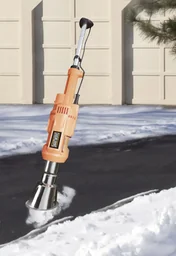
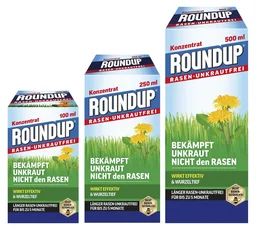
An annual preventive application of in at-risk pipes can stop new fine roots from taking hold. It is a small investment that can protect you from enormous follow-up costs. Above ground, you can control unwanted growth and stubborn weeds with other methods. A kills weeds with targeted heat, while a targets lawn weeds without damaging the grass. Comprehensive garden care protects not only the look of your yard, but also your home's hidden infrastructure.
So the next time you hear a drain gurgling, do not reach for the first drain cleaner you see. Consider the real cause, which may be lurking deep beneath your yard, and choose a smart, specialized solution that tackles the problem at its root.
Frequently asked questions
- Can I remove roots from a drain pipe myself?
- Yes. If roots have only just started growing into the pipe, you can apply special products such as root killers yourself. They dissolve fine roots and prevent regrowth. However, a complete blockage often requires professional help and mechanical equipment such as a pipe-cutting machine.
- Will root killer harm the tree?
- No. When used correctly, root killer works only inside the pipe. It kills the root sections that have grown into the pipe and are causing the damage, but does not harm the main roots or the health of the tree or surrounding garden plants.
- How long does root killer take to work?
- The exposure time varies by product. In most cases, the product must remain in the pipe system for several hours, ideally overnight, to achieve its full effect. The roots may then take several days or weeks to die and decompose inside the pipe.
- How often should I apply root killer as a preventive measure?
- For prevention in at-risk areas, such as around older pipes or near large trees, annual application is recommended. This helps prevent new fine roots from taking hold in the pipe and developing into a bigger problem.
- Is chemical root killer harmful to the environment?
- Modern root killers are designed to break down in the pipe system after they have done their job. When used as directed, they pose no danger to sewage treatment plants or the environment. Always read the manufacturer's instructions on the product label.
You may also be interested in
- Roots in drain pipes? Our in-depth Wurzel-Weg test
- 5 common mistakes when removing roots from pipes
- Wurzel-Weg: Seasonal pipe protection – when should you apply it?
- Wurzel-Weg test: An effective and safe way to remove tree stumps?
- Stop roots in the garden: 5 effective methods and instructions
- Blocked drain? Effective tips for cleaning pipes