
In brief: No, rose chafer grubs pose no danger to your roses. Unlike the harmful grubs of garden chafers or June beetles, the thick, white larvae of the rose chafer (Cetonia aurata) feed only on dead organic matter. In compost or humus-rich soil, they help form humus and do not damage living plant roots.
Rose Chafer Grubs: Are They Harmful to Roses?
You’re digging in your flower bed or compost pile and find thick, white grubs. It’s understandable to worry: are they eating the roots of your prized roses? The answer is often a relief. Rose chafer larvae (Cetonia aurata) are not rose pests. They’re beneficial insects.
The problem is mistaken identity. Several types of beetle have larval stages called grubs, and only some cause damage. Knowing how to tell them apart is essential for protecting your plants.
How can I tell beneficial grubs from harmful ones?
A close look at their shape, color, and behavior can help you identify them. Rose chafer larvae have distinctive characteristics.
What rose chafer larvae look like
Rose chafer grubs are thick and stocky, with a creamy white color. They characteristically move on their backs, with their legs pointing upward. Their legs are relatively short.
The rose chafer grub is the “compost worm” among beetle larvae. Finding one in humus-rich soil is a sign of a healthy, living ecosystem, not a threat to your plants.
Harmful grubs, such as garden chafer larvae, look different. They are slimmer, often yellowish white, with a clearly defined brown head capsule. When touched, they typically curl into a C or O shape.
Pro tip
Where you find them is a reliable clue. If thick, white grubs turn up only in your compost, beneath a layer of mulch, or in very humus-rich garden soil, they are very likely rose chafer larvae. They do not live in short, nutrient-poor lawns.
Harmful relatives: garden chafers and more
Real problems are caused by the larvae of the garden chafer (Phyllopertha horticola), the June beetle (Amphimallon solstitiale), and, in some regions, the common cockchafer (Melolontha melolontha). These grubs actively feed on living roots.
Infested lawns develop brown, dried-out patches in late summer that lift easily because the roots are gone. Roses and other ornamental plants may also suddenly wilt or grow poorly. These inconspicuous pests are often to blame.
Why are rose chafer larvae beneficial in the garden?
Rose chafer larvae play a valuable role in the nutrient cycle. They are decomposers.
What they eat: dead organic matter
Rose chafer grubs feed only on dead plant material, including rotting wood, fallen leaves, straw, and other organic matter. They break it down and prepare it for further decomposition by microorganisms.
This speeds up humus formation. A compost pile containing many of these larvae breaks down material faster and more efficiently. They do not compete with earthworms; they complement their work.
Important note
Rose chafer beetles and their larvae are protected! You must not kill them or deliberately disrupt their development. If you find larvae while digging, carefully return them to the compost or another humus-rich spot.
The life cycle from grub to beetle
The larva develops in the soil for two years before pupating. The newly emerged beetle, with its metallic green-gold sheen, flies from May to August. It feeds on pollen and flower parts and also pollinates plants.
The beetles are often found on rose blossoms, elderberry, or plants in the carrot family. They fly with their wing cases closed because their hindwings extend sideways. This sets them apart from similar beetles.
How can I protect my roses from genuine pests?
Focus on prevention and biological control. Chemical treatments are rarely necessary.
Encourage natural predators
Birds, hedgehogs, moles, and shrews eat grubs. Encourage these beneficial animals. A wildlife-friendly garden with hedges, leaf piles, and pollinator-friendly plants provides suitable habitat.
Attract birds with natural food. High-quality wild bird food with protein-rich ingredients such as
(dried black soldier fly larvae, 800 g) or (5kg black soldier fly larvae) can attract birds to your garden. They’ll eat pests, too.
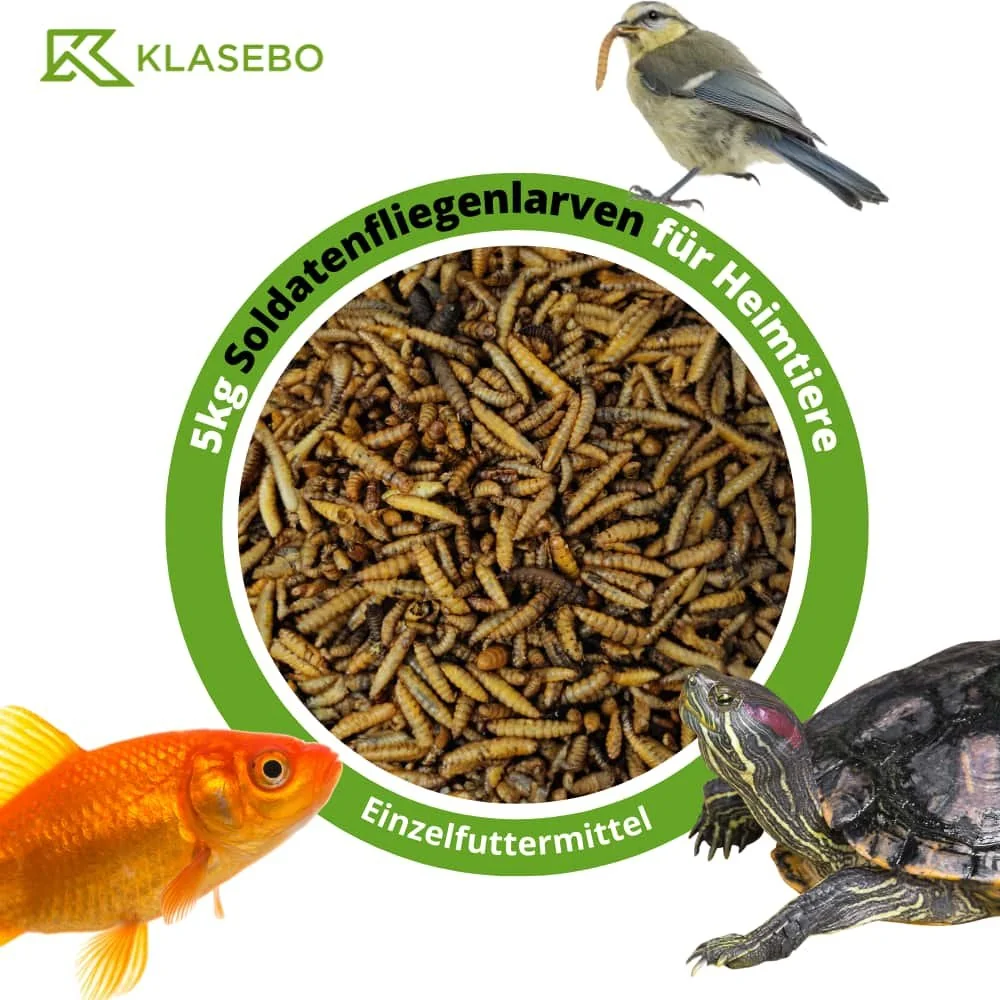
A garden is a network. Support the beneficial insects and animals in it, and pests will be regulated naturally. Birds are among the most effective natural predators of grubs.
Biological control with nematodes
If harmful grubs are confirmed and the infestation is severe, nematodes may help. These are microscopic roundworms of the species Heterorhabditis bacteriophora.
They enter the grubs and kill them within a few days. Apply them by watering a suspension onto the affected lawn or flower beds. The soil must be warm and moist. Nematodes are available from specialist retailers for plant protection.
Additional advice
Before treating with nematodes, make sure you’ve correctly identified the grubs. Cut a spade-sized section from several spots in a brown patch of lawn and inspect the top 10 cm of soil. If you find more than 10 larvae per square meter, control measures may be worthwhile.
Mechanical measures and maintenance
Regularly dethatching and aerating your lawn disrupts grub development. It also gives grass roots more air and encourages them to grow. Use suitable garden tools for the job.
A healthy rose is more resilient. Give it the right growing conditions, enough nutrients, and suitable garden watering. Avoid waterlogged soil, which weakens the roots.
What should I do if I find rose chafer larvae in my compost?
Be glad you found them. They’re valuable helpers.
Leave the larvae in the compost
The larvae are a sign of healthy, well-aerated compost that isn’t too wet. Leave them there. Their work speeds up decomposition and improves the quality of your compost.
Disturb the compost pile as little as possible. Turning it once a year is enough. Aim for a balanced mix of coarse, structural material (e.g. shredded yard waste) and soft material (grass clippings).
Only relocate them in exceptional cases
If you need to turn the compost and find lots of larvae, simply move them to the newly rebuilt pile or another sheltered, humus-rich spot. You could use a yard waste bag for the coarse material.
Handle them gently. They are protected and beneficial to your garden.
Conclusion: No need to panic about large white grubs
Rose chafer larvae are friends, not foes. They help break down compost and do not harm your roses. Learn to distinguish them from the harmful grubs of garden chafers.
Focus your plant protection measures on the real culprits. Encourage natural predators such as birds with high-quality food like the

A healthy garden depends on balance. Beneficial creatures such as rose chafers are part of that balance. With the right care and suitable gardening accessories, create an environment where your roses can thrive—with or without white helpers in the soil.
Frequently Asked Questions
- How can I tell the difference between rose chafer and June beetle grubs?
- Rose chafer larvae are noticeably thicker, creamy white, and move around on their backs. Harmful grubs of June beetles or garden chafers are slimmer, yellowish white with a brown head, and curl into a C shape when touched. Their habitat provides a clue: rose chafer grubs are found only in very humus-rich soil or compost.
- What do rose chafer larvae really eat?
- Rose chafer larvae feed exclusively on dead organic matter such as rotting wood, leaves, and plant residues. They break down this material, speeding up composting. In contrast, harmful grubs actively eat the living roots of your lawn, roses, and other plants, causing plants to wilt and bare patches to appear.
- Are rose chafers protected by law?
- Yes, the golden rose chafer (Cetonia aurata) is protected under Germany's general species protection laws. This means you must not kill or capture adult beetles or their larvae, or interfere with their development. If you find the larvae while digging, simply move them to the compost or another humus-rich spot.
- Which grubs are genuinely harmful to my garden?
- The grubs of garden chafers, June beetles, and cockchafers cause real damage. These species eat the living roots of lawn grasses, roses, strawberries, and many ornamental plants. A severe infestation leads to brown, dying lawns and wilted plants that can be pulled easily from the soil.
- How can I protect my roses from genuine pests?
- Support beneficial creatures such as birds and hedgehogs with natural food sources. Attract birds with dried soldier fly larvae, which feed on grubs. In the event of a severe infestation, use nematodes of the species Heterorhabditis bacteriophora, which specifically parasitize harmful grubs. You can find them at specialist retailers of plant protection products.
You might also be interested in
- How to identify and effectively treat rose diseases
- Caterpillars in the garden: How to identify and control them—a guide
- Small black beetles on plants: How to identify and control them
- Overwintering roses: How to protect your roses from frost
- Control aphids naturally with lacewing larvae
- Rose care in spring: How to get the perfect blooms