
In brief: You can successfully transplant a rose by choosing the right time in late fall or early spring. Dig up a generous root ball, prune the plant, and place it directly into a prepared, deep planting hole at its new location. Thorough watering and a rose-specific fertilizer support recovery.
Transplanting Roses: How to Move Them
A rose planted in the wrong spot does not have to struggle. You can move it, but the job takes care. The right technique and timing can make all the difference.
Follow these steps to move your rose safely, from preparation and digging it up to aftercare.
Why should you transplant roses?
A rose may be growing in too much shade and producing only weak shoots. It might be competing with tree roots for water and nutrients. Or the layout of the flower bed may have changed over the years.
A new, sunny location with loose soil can help the rose bloom more vigorously. Even if you move house, you do not have to leave your favorite rose behind.
Important note
Transplanting always puts stress on a rose. Very old, large roses and hybrid tea roses grafted onto sensitive rootstock may be more likely to fail. Think carefully before moving a historic rose.
When is the right time to transplant?
The rose should be dormant. Late fall is ideal, after the leaves have fallen. The soil is still warm enough for the rose to grow fine roots before frost arrives.
Early spring is another option, before the buds break. Wait until the soil has thawed, and avoid periods of severe frost or prolonged wet weather.
Why not transplant in summer?
When roses are in full leaf, they lose a lot of water through their leaves. If you dig up the roots at this time, the plant cannot make up for the loss. It may wilt beyond recovery. The stress is too great.
“The dormant period is key. The plant can cope with losing roots only when sap flow is at its lowest. In fall, it also has time to settle into its new location.”
How do you prepare the rose and the new planting hole?
Start at the new location. Dig a planting hole twice as wide and deep as the expected root ball. Loosen the bottom of the hole thoroughly.
Mix sand into heavy clay soil. Improve sandy soil with mature compost. This gives new roots the conditions they need to grow.
Before digging up the rose, loosely tie its shoots together. This protects the plant and makes the job easier. Have all the tools you need ready.
How do you dig up a rose correctly?
Use a spade to cut a circle around the main stem, leaving enough space. Keep at least 30 cm from the stem, or 50 cm or more for larger roses.
Then dig straight down along this line to a depth of at least 40 cm. Cleanly cut through any roots growing outward.
Pro tip
Water the rose's root zone thoroughly one to two days before digging it up. Moist soil stays together better around the root ball and makes digging easier. Dry soil crumbles easily.
Carefully work the spade underneath the root ball and lever it up. Work your way around it. Place the rose on a sturdy sheet of plastic or in a sack, then carry it to the new hole.
What should you do with a very large root ball?
The root ball of a mature shrub rose can become very heavy. Use a wheelbarrow to move it. A tarp or burlap keeps the fine roots from drying out during transport.
Do not pull or carry the rose by its shoots. This can damage the graft union. Support the root ball from underneath.
How do you prune the rose before moving it?
Cut all the main shoots back by about two-thirds. Remove weak, diseased, or dead wood completely. Always cut just above an outward-facing bud.
This pruning is essential. It reduces the amount of foliage the damaged roots need to support. The rose can then put its energy into growing new roots.
For clean cuts, use sharp
. Dull tools crush the tissue and create an entry point for pathogens.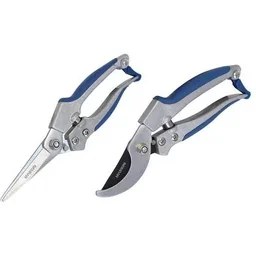
“Pruning firmly after transplanting gives the plant a fresh start. It directs its energy toward the base. Strong, pruned shoots produce the best flowering branches the following year.”
How do you plant the rose in its new location?
Place the root ball in the center of the prepared hole. The graft union—the swollen area where the shoots meet the rootstock—should sit about five centimeters below the soil surface once planting is complete.
Gradually fill the hole with the improved soil. Carefully firm the soil as you go to prevent large air pockets, which could cause the roots to dry out later.
Finally, shape a watering basin out of soil. This directs water to the roots instead of letting it run off to the sides.
How do you water and fertilize after transplanting?
Water the newly planted rose immediately and thoroughly. Moisten the entire root zone. Water regularly over the next few weeks, especially during dry weather.
Do not use mineral fertilizer during the first four weeks. The freshly injured roots could be “burned.” After that, you can lightly work a rose-specific fertilizer from our range of fertilizers into the soil.
Additional advice
Mulch the soil around the rose with bark compost or chopped straw. This helps the soil retain moisture, suppresses weeds, and protects the new, shallow fine roots from temperature fluctuations.
How do you protect a transplanted rose from disease?
Weakened plants are more susceptible to disease. Watch for the first signs of fungal diseases such as powdery mildew or rose rust. Acting early is crucial.
For prevention and treatment, you’ll find suitable products in our plant protection category. A ready-to-use fungicide such as
targets fungi effectively.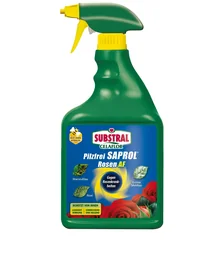
A combination pack such as
offers comprehensive protection against various diseases and pests. Always follow the instructions on the product label.
What mistakes should you avoid?
Do not plant the rose deeper than it was growing before. Planting it too deeply can cause rot at the graft union and encourage suckers.
Avoid waterlogged soil. Overwatering in heavy soil can suffocate the roots. Check the soil moisture with your finger before watering.
Do not plant the rose in freshly fertilized soil. The high salt concentration can damage the roots. Use only well-rotted compost.
How do you care for a rose during its first season after transplanting?
During the first year, the focus is on establishing roots, not producing abundant blooms. Remove any early buds. This may seem harsh, but it reduces stress on the plant.
Keep an eye on its growth. New, healthy shoots are a good sign. Weak growth or wilted leaves can indicate a problem.
The following spring, you can resume your usual rose care routine. This includes the main pruning and regular fertilizing.
When will the rose bloom normally again?
With a little luck and good care, the rose may produce a few flowers during its first season after transplanting. However, you should not expect a full, abundant display until its second growing season in the new location.
Give the plant time to recover. It has been through a major shock and needs to develop an entirely new root system in unfamiliar soil.
With patience and proper aftercare, your rose will adapt well to the move. It will bring you joy in its new location for many years.
Frequently Asked Questions
- When is the best time to transplant roses?
- The best times are late fall, after the first frost and while the rose is dormant, or early spring before new growth begins. The ground should be thawed and not too wet. In fall, the rose has time to develop new fine roots before winter.
- How large should the root ball be when digging up a rose?
- Make the root ball as large as possible. As a rule of thumb, its diameter should be about the same as the rose’s height. For an 80 cm tall shrub rose, that means a root ball at least 60-80 cm in diameter. Digging deep helps protect the important fine roots.
- Should I prune a rose before transplanting it?
- Yes, heavy pruning is essential. Cut all shoots back by about two thirds. This reduces the surface area for evaporation and compensates for root loss. Remove weak, diseased, and crossing shoots. Make the cuts with sharp rose pruning shears.
- How should I prepare the new planting hole?
- The hole should be much larger than the root ball, ideally twice as wide and deep. Loosen the soil thoroughly and mix in sand if the soil is heavy or compost if it is sandy. A drainage layer of gravel helps prevent waterlogging. After planting, the graft union should be 5 cm below the soil surface.
- How should I care for a transplanted rose at first?
- Water the rose thoroughly after planting. For the next few weeks, keep the soil evenly moist but not soggy. Avoid heavy pruning during the first year. A special rose fertilizer supports new root growth. Watch for signs of stress.
You may also be interested in
- Moving established plants: How to give them a new home
- Transplanting pampas grass: Best time and instructions
- How to winterize roses and protect them from frost
- Transplanting cherry laurel: Step-by-step instructions
- Transplanting lavender: Step-by-step instructions
- Spring rose care: How to get the perfect blooms