
In brief: Proper construction debris disposal starts with strictly separating clean concrete and masonry from mixed construction waste. You can take small amounts to a recycling center in debris bags. For larger projects, rent a dumpster. Costs vary considerably by region and waste type, with clean concrete and masonry costing much less to dispose of than mixed construction waste.
What counts as construction debris, and what doesn't?
Whether you're remodeling a bathroom or tearing down a garden wall, construction work creates waste. The key to saving on disposal costs and complying with regulations is sorting it properly from the start. The most important distinction is between clean concrete and masonry and mixed construction waste.
Clean concrete and masonry: The mineral materials
Clean concrete and masonry consist exclusively of mineral materials. They can be recycled extensively, making them the least expensive type of waste to dispose of. This includes:
- Concrete (without steel reinforcement)
- Bricks and brickwork
- Masonry
- Tiles and ceramics (e.g. toilet bowls and sinks)
- Mortar and plaster residue
- Natural stone such as sandstone or granite
- Screed
Mixed construction waste: The costly mix
As soon as non-mineral materials are added, waste disposal companies classify the load as mixed construction waste. Processing it is more complex, so disposal costs rise sharply. Typical materials include:
- Drywall
- Wallpaper scraps
- Wood (treated and untreated)
- Plastic pipes and window frames
- Cables and conduit
- Metal
- Insulation and insulating materials
- Doors and windows with glass remnants
Important note
Putting the wrong materials in your dumpster can be expensive. If the disposal company finds mixed construction waste in a dumpster intended for clean concrete and masonry, the entire load will be charged at the considerably higher rate for mixed construction waste. This can double or even triple the cost.
How do you dispose of small amounts of construction debris?
Not every project requires a large dumpster. For smaller remodeling jobs or repairs, there are more practical and affordable options. Proper on-site waste sorting is crucial here, too.
Take it to a recycling center
For small to medium amounts, your local recycling center is a good place to start. You can take the debris there yourself. Check the facility's rules in advance, as quantity limits (e.g. 1 cubic meter) and fees often apply. Transporting it in your own utility trailer or van is the most common option.
Practical helpers: Debris bags and bulk bags
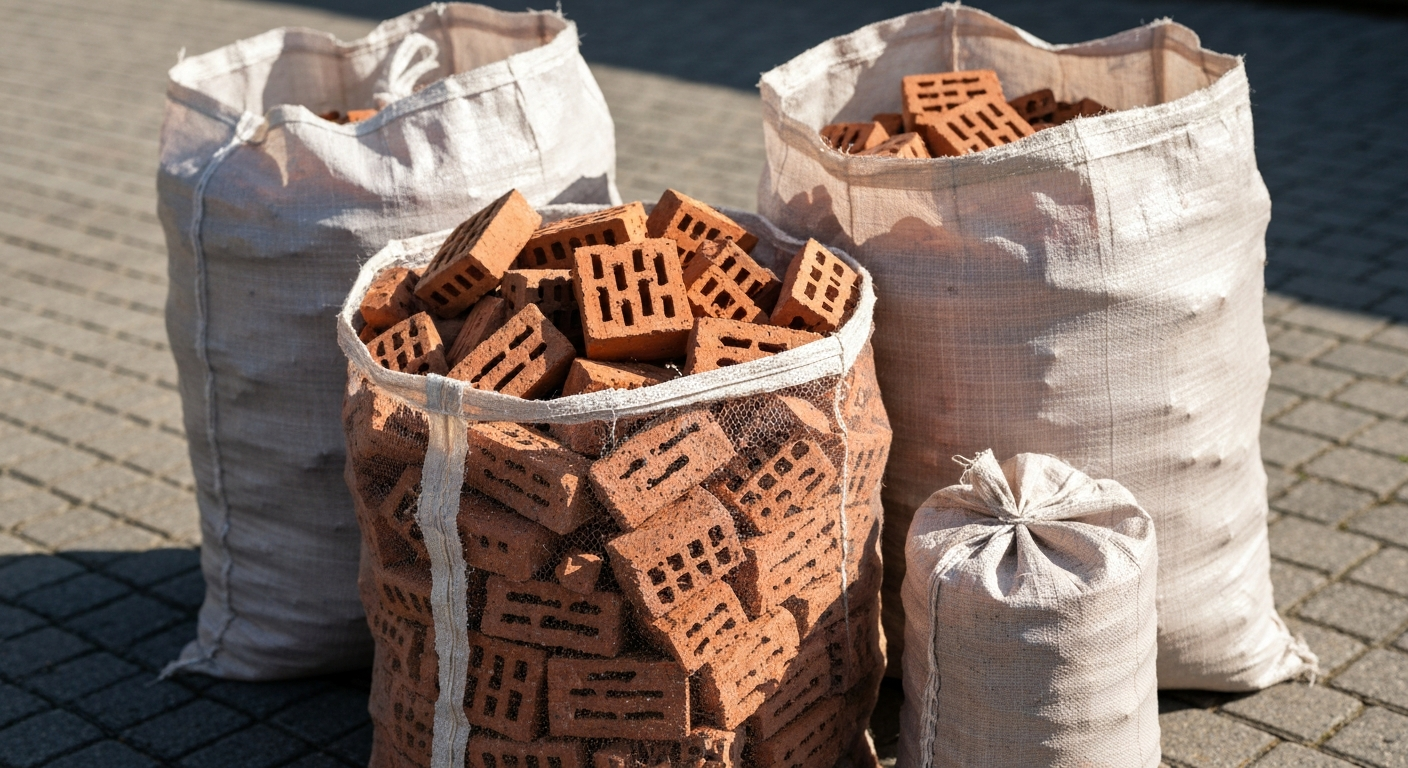
Heavy-duty bags are essential for transporting construction debris safely and cleanly. Special woven polypropylene debris bags can handle the weight and sharp edges of broken bricks or tiles. Depending on their size, they hold between 40 and 100 liters and make loading much easier.
For amounts of up to one cubic meter, so-called bulk bags are a good alternative. You can often buy these large, sturdy bags from a building supply store or waste disposal company and arrange pickup once they're full. This gives you more flexibility than renting a dumpster for a set period.
- For smaller amounts of construction debris:
- An all-purpose option for medium-sized projects:
- For large amounts and bulky materials:



High-quality recycling of construction and demolition waste conserves increasingly scarce natural resources such as sand, gravel, and natural stone, and reduces the land needed for extraction and landfills.
When is renting a dumpster worthwhile, and how do you choose the right one?
For larger projects such as gutting a building, demolishing a garage, or building a home addition, a construction dumpster is essential. It saves time and countless trips to the recycling center.
Choosing the right dumpster size
Dumpsters are measured in cubic meters (m³). Choosing the right size is crucial to avoid unnecessary costs for a container that's too large or the need for a second pickup. Common sizes for home projects are:
- 3 m³: Ideal for a complete remodel of a small bathroom.
- 5 m³: Well suited to medium-sized remodeling projects or removing a non-load-bearing wall.
- 7 m³: A common size for larger gut renovations or demolishing smaller additions.
- 10 m³ and more: Usually needed for very large construction or demolition projects.
Expert tip
To estimate the dumpster capacity you need, multiply the floor area of the material being demolished by its height. Then add a buffer of around 30%, since loose material takes up more space. Example: A 10 m² concrete slab that is 15 cm thick produces 1.5 m³ of solid material but requires a dumpster with a capacity of at least 2 m³.
Front-load or roll-off dumpster?
For home projects, a front-load dumpster is usually used. The truck places it on the ground, and it requires relatively little space. Roll-off dumpsters are considerably larger (from 10 m³) and are rolled off the truck toward the rear. They're suited to very large amounts of waste and require a correspondingly large access area.
What to check when renting
Confirm the following details with the dumpster rental company in advance:
- Price: Is it a flat rate, or will you be charged by weight? Are delivery, pickup, and a set rental period included?
- Placement: Do you need a permit to place the dumpster on public property? The rental company can often advise you.
- Loading: Exactly what can and can't go in the dumpster? Can it only be filled to the top edge?
How much does rubble disposal cost?
The cost of rubble disposal can vary significantly. There is no standard price across the country. Several factors have a major impact on the final bill.
Key cost factors at a glance
- Type of waste: The biggest cost driver. Clean rubble is the cheapest option at around 80-250 € per cubic metre. Mixed construction waste costs 200-500 € per cubic metre.
- Dumpster size: Larger dumpsters have a higher base price, but often a lower price per cubic metre.
- Regional differences: Prices are often higher in urban areas than in rural areas because landfill and recycling facilities may be further away.
- Service provider: Prices vary between waste disposal companies. It is always worth comparing two or three local providers.
- Rental period and additional services: Longer rental periods or applying for a dumpster permit can incur extra costs.
Additional advice
Ask your local waste disposal company whether it offers special rates for uncontaminated rubble. You may sometimes get a lower price if you deliver concrete and bricks separately, for example. Careful waste separation on the construction site can therefore save you real money.
How can you recycle rubble and act in an environmentally friendly way?
Rubble is not worthless waste; it is an important resource. Professional rubble recycling produces new building materials, conserving primary raw materials such as gravel and sand. This process is a key part of the circular economy.
From demolition waste to new building materials
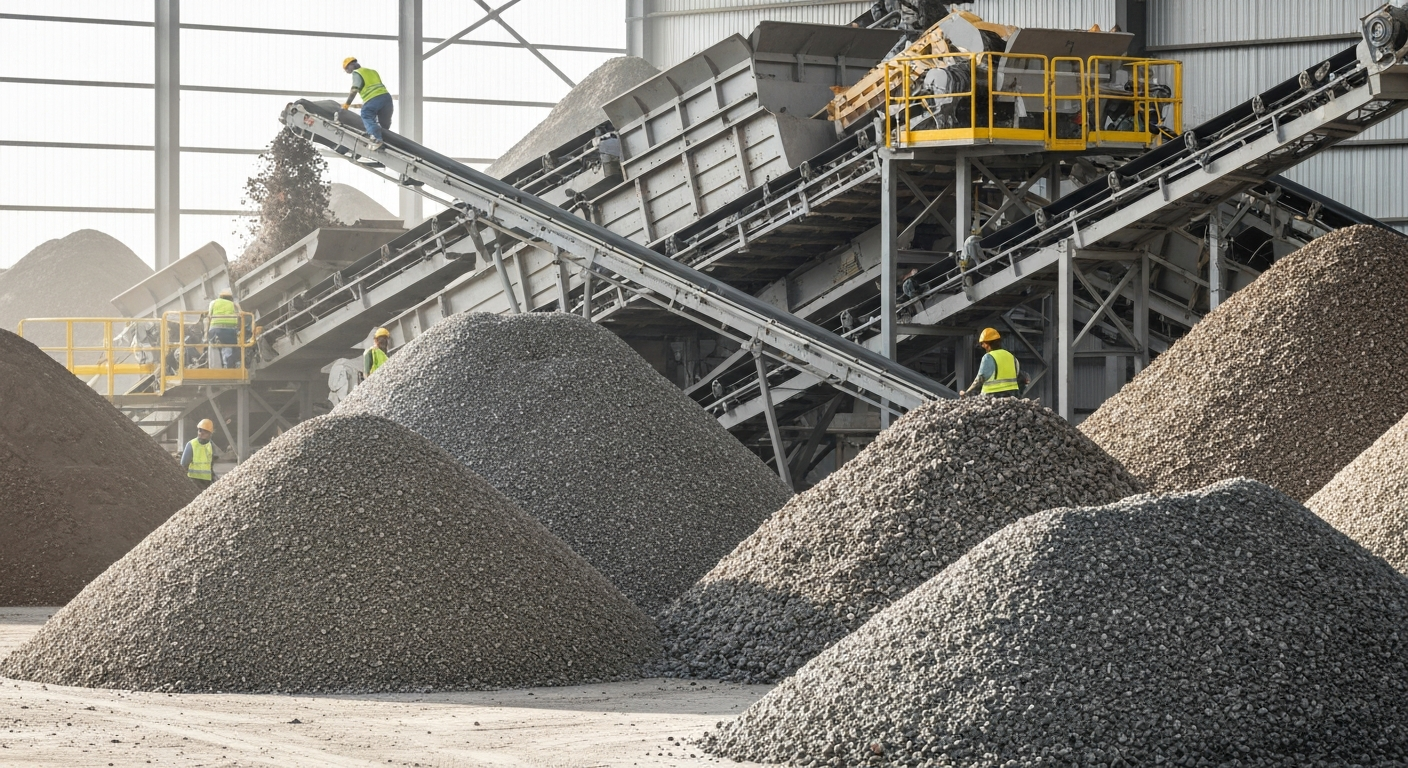
At recycling facilities, rubble is first separated from contaminants such as wood and metal. Crushing plants then reduce the material to a defined particle size. The resulting recycled material (RC building material) is used for various purposes:
- As a sub-base for road and path construction.
- As fill material for landscaping and ground modelling.
- As an aggregate in the production of new concrete.
Producers or holders of waste are obliged to recover their waste. Recovery takes precedence over disposal.
Waste prevention: the best form of environmental protection
The most sustainable approach is to prevent waste from being created in the first place. Before demolition, consider whether materials can be reused. Old, well-preserved bricks can add new charm to a garden wall. Wooden beams can often be reused. Functional building components such as doors, windows or washbasins often find grateful new owners through classified ad websites.
Organising proper waste separation on the construction site
Good organisation is the basis for efficient and cost-effective waste disposal. Set up separate collection points for the different types of waste from the outset. Clearly label each area. This prevents laborious sorting at a later stage.
Cover the individual waste piles to prevent rain or wind from mixing the materials. Sturdy tarpaulins and nets from our range are ideal for this. Make sure you have the right building tools to hand for demolition and clearance work.
Warning: hazardous waste!
Certain materials must never be placed in rubble or mixed construction waste. They are classified as hazardous waste and must be disposed of by specialist companies. These include:
- Asbestos-containing building materials (e.g. old fibre cement sheets)
- Old mineral wool (insulation wool from before 2000)
- Tar- and bitumen-containing materials (e.g. roofing felt)
- Paints, varnishes and solvents
- Wood treated with wood preservatives (e.g. old railway sleepers)
If you come across these materials, be sure to consult a professional. Improper handling can endanger your health and the environment.
A well-planned construction site is half the battle. Having everything you need for operating supplies, from gloves to labels, makes the work easier and ensures greater safety.
Frequently Asked Questions
- What is the difference between rubble and mixed construction waste?
- Rubble consists exclusively of mineral materials such as concrete, bricks, tiles or ceramics. Mixed construction waste is a mixture that also contains non-mineral materials such as wood, plasterboard, plastics, wallpaper or metals. Disposing of mixed construction waste is considerably more expensive.
- How much does it cost to dispose of 1 m³ of rubble?
- Depending on the region and provider, disposing of 1 m³ of clean rubble costs between 80 and 250 euros. For mixed construction waste, expect to pay 200 to 500 euros per cubic metre. Always get several quotes to compare prices.
- Can Ytong (autoclaved aerated concrete) go in a rubble dumpster?
- No, Ytong and other autoclaved aerated concrete blocks do not belong in a clean rubble dumpster. They must be disposed of separately as autoclaved aerated concrete or in a mixed construction waste dumpster. Check your local waste disposal company's acceptance conditions, as regulations may vary.
- Can I take rubble to the recycling center myself?
- Yes, you can usually take smaller quantities of rubble, often referred to as “household quantities” (usually up to 1 m³), to your local recycling center yourself. A small fee often applies. Use sturdy rubble bags for safe transport.
- Do I need a permit for a rubble dumpster?
- If the dumpster is placed on your private property, you do not need a permit. However, if it is to be placed on public land such as a pavement or road, you must apply to your local council for a special use permit (dumpster permit).
You may also be interested in
- How to dispose of electronic waste properly: A practical guide
- Recycling center: How to dispose of waste properly
- How to dispose of bulky waste: What belongs in it and how does it work?
- Waste separation: Sustainable household waste disposal
- Build on a budget: Saving money when building your own home
- Building materials at a glance: Choosing the right option for your project