
In a nutshell: A country-style garden fence gets its charm from wood, narrow pickets, visible grain and simple, open lines. Choose a height and posts to suit your property and the fence's purpose, set the wood on durable post supports, and complete the look with perennials, climbing plants or a matching gate.
A fence frames your garden and shapes the first impression of your home. Country style lets the wood grain show, gives the construction a handcrafted feel and brings planting close to the fence line. The result is a calm transition between your home, garden and surroundings.
For a classic look, choose a picket fence, a slat fence or a simple fence panel with horizontal rails. The key is getting the proportions right, choosing durable posts and matching the design to your home and the fence's purpose. Carefully planned landscaping along the fence brings function and natural appeal together.
What makes a country-style fence distinctive?
A country-style garden fence pairs natural materials with a simple, easy-to-read design. It often has narrow, evenly spaced pickets attached to two horizontal rails. Split wooden stakes have a more rustic look, while sawn pickets suit a neat front yard. Rounded or uneven tops add a handcrafted touch.
Wood brings warmth to your garden design. Larch and Douglas fir have a pronounced grain and are easy to work with. Oak, black locust and chestnut are durable choices for outdoor use. Untreated wood changes color and weathers to a silvery gray over time. A wood stain preserves its original color for longer, while an opaque finish ties the fence in more closely with shutters, the front door or garden furniture.
Country style can accommodate slight irregularities, but the overall look should feel cohesive. Stick to two or three materials, such as wood, dark metal and natural stone. Skip shiny hardware and ornate post caps if your home has a simple design. A clean, consistent line looks more settled than a mix of fence styles.
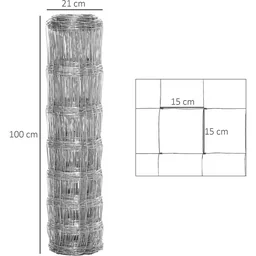
- Split-wood fence: Split stakes and galvanized wire suit natural-looking properties.
- Picket fence: Vertical pickets on horizontal rails neatly frame a front yard or patio.
- Crossed picket fence: Crossed slats create a distinctive pattern that suits country gardens.
“He leaped the fence, and saw that all nature was a garden.”
Which fence suits your garden?
First, decide what you need the fence to do. A low border marks flower beds and the front yard without blocking the view. A taller fence keeps dogs or children in the garden and gives your property a clear boundary. Privacy fencing takes up more space and catches much more wind. Choose the materials and posts with those needs in mind, as well as the appearance.
Consider your home's architecture and any existing features. A white picket fence echoes light-colored window frames or a painted porch. Natural wood goes well with brick, natural stone and lush perennial beds. Dark metal hardware adds a subtle accent, especially on gates and posts. Keep the fence height and spacing between pickets consistent throughout the front yard.
Wood or wire infill?
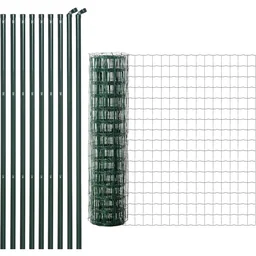
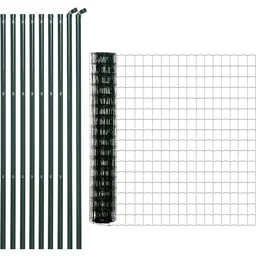
A wood fence is the natural choice for a classic country look. Wire infill is better suited to utility areas, trellises or sections where you need an open, practical boundary. You can pair wire with wooden posts and partly conceal it with plants. On its own, chain-link looks less traditional than a row of split stakes or pickets.
For practical sections like these, options include
For more ideas for your outdoor space, explore Garden + Outdoor and Garden Equipment. For flower beds and planters along the fence, browse Garden + Plant Accessories.
Pro tip
Hold a sample of the fence wood next to your front door, exterior and garden furniture. Check how it looks in daylight and in the shade before ordering or staining the entire fence.
How do you plan a garden fence?
Mark the fence line with string and stakes. Measure the corners, changes in ground level, gate width and distance from paths carefully. Divide the length by your preferred panel width, then adjust the post positions so you don't end up with a narrow leftover section. If you're using pre-made panels, space the posts according to the panels' actual dimensions.
Check the property boundary against reliable records and resolve any uncertainties before you start building. Ask your local authority about rules for fence height, materials and setbacks. This is especially important for fences along roads, paths and property boundaries. It helps you avoid having to move a finished fence panel later.
Plan for how you'll move around the garden, too. Where do you walk every day? Will a wheelbarrow or lawn mower need to fit through the gate? A wide entrance in the right place is more useful day to day than a highly decorative but narrow garden gate. Decide which way the gate will open and check that it can swing freely.
Choosing wood, posts and fixings
Choose wood suited to outdoor use. Posts support the weight of the panels and withstand wind forces. Use suitable post supports or another design that protects the wood from prolonged contact with damp soil. For pre-made fence panels, follow the manufacturer's guidance on post size and fixings.
Choose screws and fixings to suit the type of wood. Galvanised or stainless steel screws are suitable for outdoor use; some types of wood contain substances that can corrode ordinary steel. Pilot holes help prevent narrow boards from splitting at the ends. Mark the screw positions on the back, or fasten every board in the same way.
Factor maintenance into your choice of materials. Durable, untreated wood can weather naturally, but you'll still need to check for cracks and loose screws. A pigmented wood stain protects the wood from strong UV exposure and lets you choose the colour. An opaque finish needs regular checks, especially on horizontal surfaces where water can collect.
Extra tip
Order a little more fence timber than the total length alone suggests. A few spare boards make repairs easier, and the grain and colour of natural wood can vary noticeably between deliveries.
How do you build a garden fence yourself?
When building a garden fence, follow a set order: posts first, then rails, and boards last. Work in dry weather and store the wood off the ground, protected from the elements, until you're ready to install it. A helper can hold long pieces in position while you set and screw the posts in place. Check each side of the fence with a spirit level and taut string.
- Mark out the fence line: Mark the corners, posts and gate. Before digging, check for buried cables, pipes or other installations.
- Set the posts: Make sure each post is vertical and secure it in a suitable post support or foundation. The right design and depth depend on the soil, fence height and local conditions.
- Fit the rails: Attach two or three rails, depending on the fence height and the weight of the boards. Stretch a string line to keep the rails level.
- Position the boards: Use a spacer of consistent thickness. Measure the gap across the first and last panels rather than positioning each board by eye.
- Fit the gate: Secure the hinges to the gate post, leave enough clearance at the bottom and test the swing before tightening everything fully.
Even spacing gives the fence a clean, balanced look. Use a guide when cutting boards so the top edges stay straight. For a softer finish, round off each board or cut a gentle pattern. Repeat the same shape on every panel instead of mixing different finishes.
On sloping ground, install the fence panels in steps or follow the contours of the land. Stepped installation is easier if you want to control the height precisely. If the rails follow the slope, the boards should still be vertical. Leave enough clearance at the bottom to keep the wood from constantly touching the soil and to make it easier to clear leaves from beneath the fence.
Important
Don't dig until you've checked the location of underground electricity, water or data lines. Also confirm the boundary and local requirements before installation. A fence built on the wrong side of the boundary takes extra work to put right.
Building a fence yourself won't save money on every project: factor in the cost of timber, post supports, screws, concrete or gravel, tools and your time. For a long fence line, pre-made panels can speed up installation. Building your own picket fence gives you more choice over the type of wood, height and spacing. Choose the approach that suits your skills and your property.
A selection of garden tools can help with measuring, drilling and cutting. Depending on the design, you'll need a tape measure, spirit level, string, cordless drill, wood drill bits and a saw. Before you start, check that you have the right screw lengths and fixings to hand.
How do you style and maintain your fence?
A beautiful fence needs a little breathing room around it. Plant perennials and low shrubs so you can reach the bottom edge and the wood can dry after rain. A narrow strip for maintenance makes mowing and clearing leaves easier. Avoid letting dense plants grow right against the fence and stay wet for long periods.
Roses, clematis and honeysuckle add height and flowers along the fence line. Give heavy climbers their own trellis rather than relying on the boards and rails to support their weight. Perennials such as delphiniums, lady's mantle and catmint fill the foreground without hiding the fence. Choose plants with different flowering times to keep the garden lively from spring through autumn.
Repeat a few plant varieties along the length of the fence. This creates a calm, cohesive look, even if some of the boards and flowers are handmade. Add a simple gate, a rose arch or a pair of matching planters at the entrance. Wrought iron details work well as long as they stay simple and don't compete with the wood grain.
Check the posts, screws and rails at least once a year. Look for soft spots at the base of posts, loose connections, peeling paint and sharp splinters. Replace damaged boards promptly before moisture spreads to the surrounding parts. Clean the fence with a brush and water; a powerful jet of water can roughen the wood fibres.
Refresh the wood stain as needed and follow the manufacturer's instructions. Remove any loose old finish, let damp wood dry completely and treat cut ends with a product suited to the finish you're using. Letting the wood weather to a natural silver-grey is another design choice. It looks especially cohesive when the colour is echoed in the wood, stone and plants around it.
„No occupation is so delightful to me as the culture of the earth, and no culture comparable to that of the garden.“ (No occupation is as dear to me as tending the earth; no kind of cultivation compares with gardening.)
A country-style garden fence combines simple craftsmanship with a lively setting. Choose wood and a fence style that work well together, plan the posts and gate carefully, and give your plants enough room. The result is a lasting frame for a front garden, kitchen garden or seating area.
Frequently asked questions
- What type of wood works well for a country-style garden fence?
- Larch, Douglas fir, oak, black locust, and chestnut are good choices because they have a natural grain and age with a rustic look. Chestnut paling fences have a particularly traditional appearance. Whichever wood you choose, make sure it is suitable for outdoor use and protect the posts from constant contact with the ground.
- How tall should a country-style garden fence be?
- The right height depends on whether the fence is edging flower beds, marking the front yard, or providing privacy. Low picket fences keep the garden feeling open. Check local requirements and agreements with your neighbors before building, especially for fences on property lines.
- How far apart should fence posts be?
- Choose the post spacing based on the fence panels, wood thickness, and expected load. For DIY picket fences, posts are often about 1.5 to 2 meters apart. Follow the manufacturer's guidelines for ready-made panels, and use especially sturdy posts in areas with strong winds.
- Do I need to paint a country-style wood fence?
- No. Many types of wood can be left to weather naturally and turn gray if you like the patina. A wood stain or suitable exterior paint will preserve the color longer. Clean the fence first, and treat cut ends according to the manufacturer's instructions to help keep moisture from penetrating the wood.
- What plants look good along a rustic garden fence?
- Perennials, old-fashioned roses, clematis, honeysuckle, and low-growing herbs complement a picket fence. Leave space between the plants and the wood so the fence can dry after rain. Climbing roses and other heavy plants need a sturdy trellis to keep them from weighing down the pickets.
You might also be interested in
- Garden Fence Design: 5 Creative Ideas for Your Yard
- How to Build a Garden Fence: Materials, Tips, and Instructions
- Garden Fences: Neighbor Disputes and Design Tips
- Plants for a Garden Fence: Privacy and Design Ideas
- Garden Fence Ideas: Choosing the Right Wood, Metal, or Stone Fence
- Country Kitchen Design: Rustic Charm for Your Home