
In brief: For safe electrical installation in a garden shed, use only tested, weather-resistant connectors. Brass screw terminals with washers are suitable for fixed connections. Spring-loaded terminals are ideal for quick, detachable connections for lighting. Do not use terminal blocks outdoors. Choosing the correct cross-section prevents overheating.
How do I plan the wiring for my garden shed?
Start with a clear list of all planned electrical loads. Count permanently installed lights, sockets for power tools and possibly a heater or pump for garden irrigation. Note the power rating of each appliance in watts.
Add these values together to determine the maximum total power demand. This value determines the cross-section of the supply cable from the house and the protection provided by the fuse box. Plan separate circuits for lighting and sockets.
Sketch the route of the cable ducts. Avoid sharp edges and never run cables under direct pressure, such as beneath heavy garden structures. A well-thought-out plan saves you from time-consuming changes later.
Expert tip
Install at least one more socket than you currently need. Retrofitting is more time-consuming than installing it initially. For your plan, use terminals and connectors from the Terminals and Adhesives section.
What types of connectors are available for outdoor use?
The choice of connector depends on the application and environmental conditions. Brass or galvanised steel screw terminals provide a very stable, durable connection. They are suitable for main cables and fixed connections.
Spring-loaded terminals, also called quick-connect terminals, can be opened and closed without tools. They are perfect for lighting connections or temporary connections, such as for greenhouse lighting. Make sure they have an adequate IP rating.
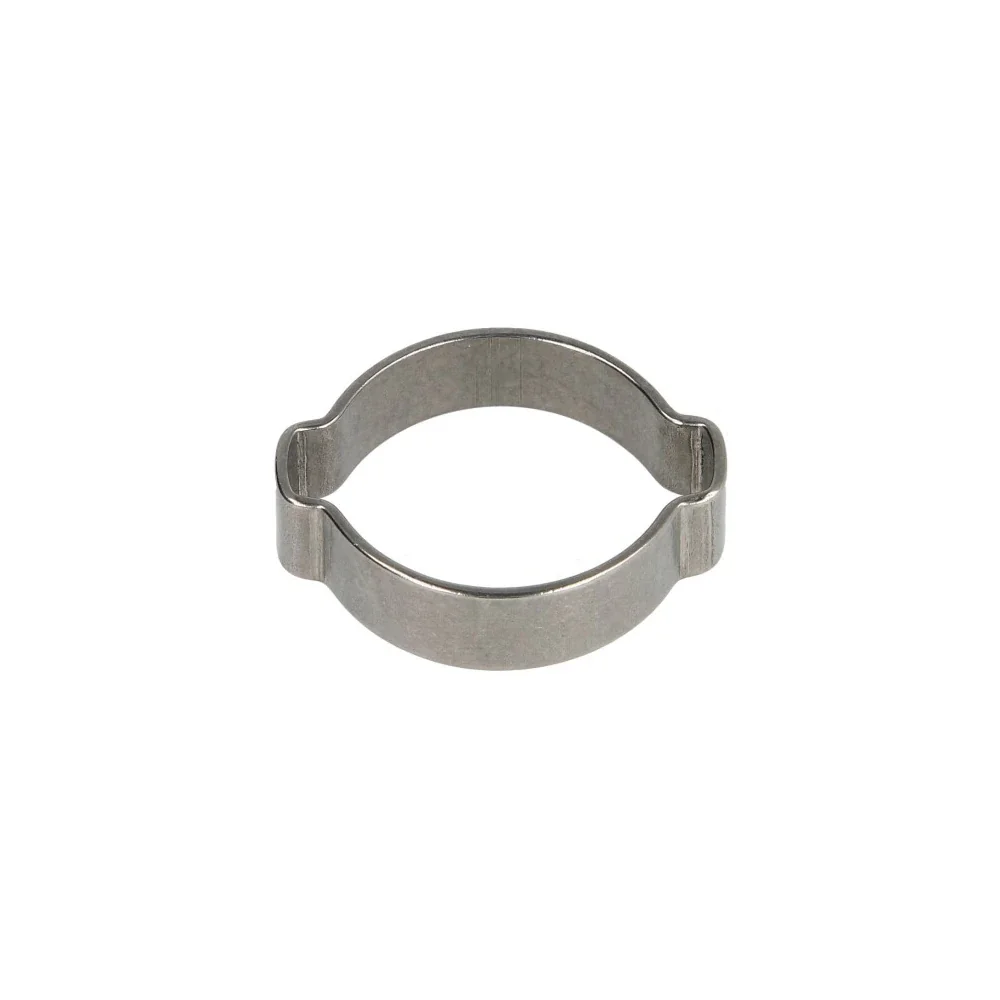
Connector sleeves are permanently crimped using a crimping tool and then insulated. They are completely watertight and cannot move, but require the right tool. For hose connections to the pump, you will find suitable accessories such as
.
“Outdoors, only connectors with a specified IP rating should be used. The usual minimum requirement is IP44; for permanently damp areas or underground, IP67 should be selected.”
Screw terminals: The classic choice for fixed connections
Screw terminals apply pressure to the conductor using a metal screw. Choose terminals with strain relief to protect the cable from kinking. Always use washers to prevent the screw from slipping.
The cable cross-section must match the terminal specification exactly. A wire that is too thin has too little contact area, while one that is too thick will be crushed and damaged. After tightening the screw, gently pull the cable to check that it is secure.
Spring-loaded terminals: Fast and practical
An integrated spring holds the conductor under constant pressure. This prevents loose contacts caused by material fatigue or vibrations, such as those that can occur when using power tools.
To release the connection, you usually press a lever with a screwdriver. Before buying, check whether the terminal is designed for solid or stranded conductors. Not all models reliably support both types.
Important note
Never connect aluminium and copper cables directly in a standard terminal. Their different expansion coefficients lead to loose contacts and significant heat generation. Use special AlCu terminals or connectors for these connections.
How do I connect cables correctly?
Strip the insulation cleanly using a wire stripper. The length of the exposed conductor should match the depth of the terminal exactly. No bare copper may be visible outside the terminal, but no insulation should be caught in the clamping jaw either.
For stranded conductors, gently twist the fine individual wires together before inserting them into the terminal. This prevents individual strands from sticking out and causing a short circuit. A wire ferrule can help keep everything tidy.
Tighten screws firmly with the correct screwdriver, but do not apply excessive force. Crumbled insulation or a sheared-off screw makes the terminal unusable. With spring terminals, you will hear a clear click when the conductor is correctly seated.
“The most common cause of faults in electrical installations is not the cables themselves, but defective contact points. A correctly made connection lasts for decades; a poor one can become a problem within just a few months.”
Which mistakes should I avoid at all costs?
The biggest mistake is using terminal blocks or simple screw connectors without a housing outdoors. They offer no protection against moisture and are the most common cause of fires in garden sheds.
Avoid running power cables parallel to water pipes. If this cannot be avoided, always run the power cable above the water pipe. This prevents condensation or a leak from dripping onto the electrical connection.
Do not rely on electrical tape as the sole protective measure. It quickly loses its adhesive strength outdoors and comes loose. Electrical tape should only be used as additional protection over an already watertight terminal or heat-shrink sleeve.
Additional advice
Clearly label every circuit at the junction box and on the wiring diagram. Do not simply write “left-hand light”; also note the terminal types and cable cross-sections used. This documentation is invaluable if you make an extension or need to troubleshoot a fault years later.
Choosing the wrong cable cross-section
A cable that is too thin heats up considerably under load. This heat transfers to the terminal, causing the metal parts to expand and reducing the contact pressure. A vicious cycle of increasing resistance and even more heat begins.
Always follow the requirements of the DIN standards for minimum cross-sections. For a 230V socket circuit in a garden shed, 1,5 mm² is the absolute minimum; for longer runs or high loads such as a heater, 2,5 mm² is recommended.
Careless tightening and lack of maintenance
Metal parts expand and contract, particularly with temperature changes in the garden. Screws can loosen slightly. Plan to retighten all screw connections in your electrical installation after one year and then every few years.
After winter, visually inspect the installation for frost damage, gnaw marks or moisture in the boxes. Regular visual checks with the power switched off help prevent serious problems.
How do I protect the installation from the weather?
All connection points must be housed in suitable, securely sealed junction boxes. Choose plastic boxes with silicone seals and a locking lid. Cable entries should be sealed with cable glands or strain-relief cable glands.
Never run cables directly from the ground into a box. Use a weatherproof transition with a downward-facing loop (drip loop) to prevent rainwater from running into the cable. Special underground-rated cables are required for permanently installed cables in the ground.
Protect the entire installation from direct sunlight. UV radiation makes many plastics brittle over time. Run cables and position junction boxes beneath roof overhangs or in shaded areas.
With the right planning, suitable terminals and careful workmanship, you can create an electrical installation in your garden shed that is safe, reliable and long-lasting. Investing in high-quality materials such as pays off for many years.
Frequently Asked Questions
- Which terminals are suitable for outdoor electrical installations?
- Only use terminals with an IP rating (e.g. IP44 or higher) that are protected against water splashes and dust. Screw terminals made of galvanised steel or brass with a corrosion-resistant coating are suitable. Look for the label 'suitable for outdoor use'. Insulating sleeves must be UV-resistant.
- Can I use terminal blocks in a garden shed?
- No. Terminal blocks are designed for indoor use and offer no protection against moisture, condensation or temperature fluctuations. In a garden shed, they quickly lead to corrosion and loose connections, creating a significant risk of fire and electric shock. Use suitable outdoor-rated terminals instead.
- How can I safely connect more than two cables?
- Use special distribution terminals or terminal blocks with multiple connection points. Each cable should be inserted into a separate terminal. Never wrap several wires with insulating tape or force them into a terminal that is too small. For larger projects, cable ties are useful for keeping cables neatly organised.
- Why do terminals sometimes overheat?
- Overheating is usually caused by excessive resistance at the contact point. Possible causes include loose screws, corroded contact surfaces, terminals designed for a smaller cross-section, or connecting cables made from different materials (e.g. aluminium and copper without a special sleeve). Check and retighten screw connections regularly.
- Do I need special terminals for LED garden lighting?
- Yes. Although the current is lower, the terminals must still be permanently weather-resistant. Small, waterproof connectors (e.g. IP67) are ideal for connecting low-voltage LED lights. Check the terminal's voltage and cross-section specifications, including for 12V or 24V systems.
You may also be interested in
- Electrical Installation in the Home: Safe DIY Tips for Homeowners
- Wago Terminals and Electrical Installation Materials Explained
- What Do the Metal Pins in a Socket Mean?
- Which Cable for House Wiring? How to Choose the Right One
- Clamp Meter Review & Comparison 2026: Best Models Tested in Practice
- Choosing the Right Pliers: Buying Tips