
In brief: Sharpen your chainsaw chain as soon as it produces fine sawdust instead of coarse chips or you have to apply more pressure. Use a suitable round file at the correct angle. Regular maintenance with chain oil and the correct chain tension extend its service life, especially for coated Titan chains.
A chainsaw is only as good as its chain. A sharp chain cuts through wood effortlessly, produces clean chips and helps you work safely. A dull chain, on the other hand, struggles, produces fine sawdust and increases the risk of dangerous kickback. Proper maintenance determines the performance, safety and service life of your equipment. Careful maintenance pays off particularly with modern chains featuring a special coating.
This guide explains how to sharpen your chainsaw chain, what to look out for when maintaining it and why a specialized chain can make all the difference.
An excellent choice for durability and edge retention is the Forstmeister Titan chainsaw chain (). Its special Titan hard-chrome coating gives the cutting teeth a significantly longer service life. This means you can keep cutting efficiently for longer, sharpen less often and work more productively overall. This chain is ideal for anyone who regularly works with hardwood or simply values maximum performance and minimal maintenance.

How can I tell if a chainsaw chain is dull?
You do not have to be an expert to identify a dull chain. The chainsaw itself gives you clear signals. Pay attention to how it behaves while cutting and to the appearance of the chain. This helps you recognize the right time to sharpen it before performance and safety suffer.
Visual signs
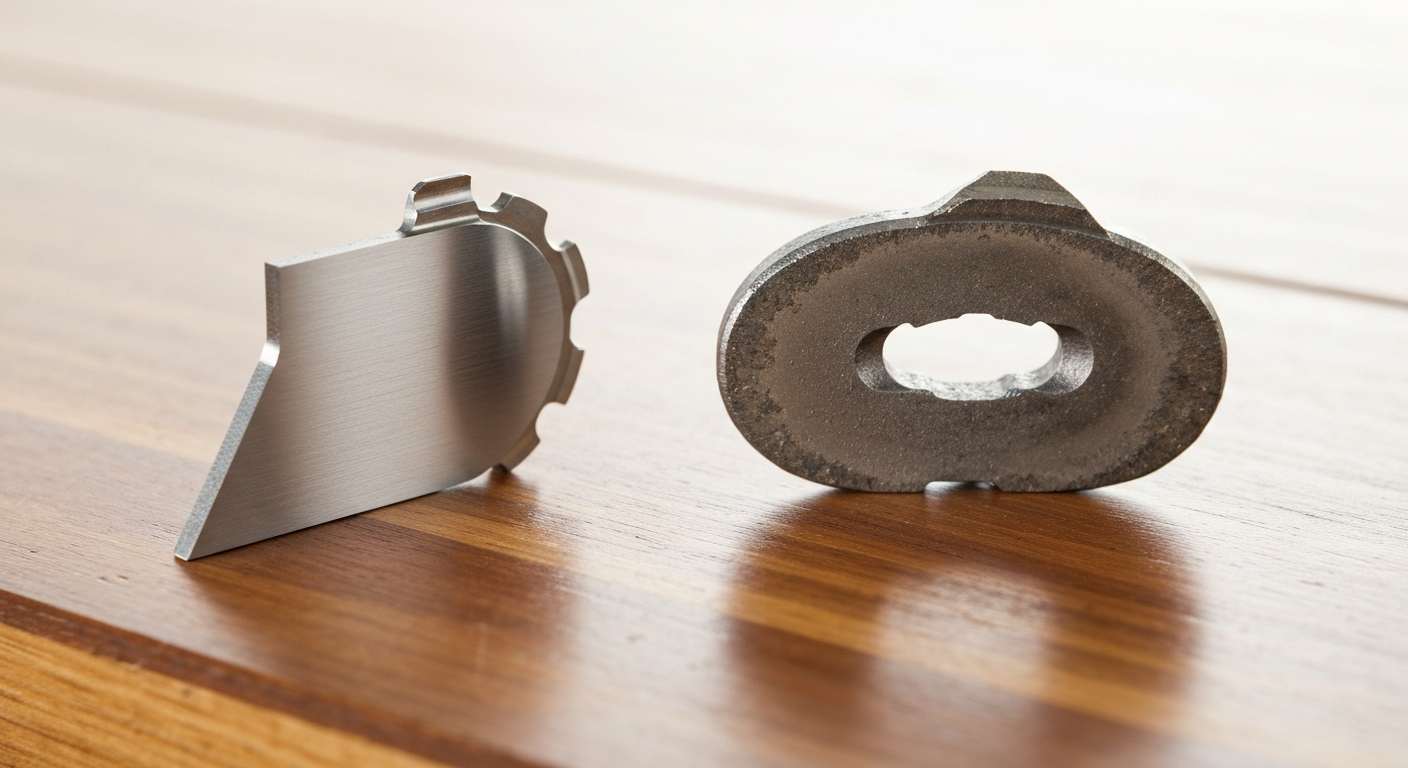
Inspect the chain closely. A sharp cutting tooth has a clearly defined, sharp edge and the chrome surface shines. On a dull chain, this edge is rounded. Instead of reflecting light as a fine line, it reflects it as a wider, duller strip. If you see small areas of damage or the cutting edge is no longer straight all the way along, it is time to reach for the file.
How it cuts
The clearest indications appear while you are working. A sharp chain pulls itself into the wood almost by itself. You only need to guide the saw. If you instead have to apply considerable pressure for the saw to cut at all, the chain is dull. Other signs include:
- Fine sawdust instead of coarse chips: A sharp chain planes the wood and ejects defined, coarse chips. A dull chain only tears and scrapes, producing fine, dusty sawdust.
- Smoke: If the chain starts to smoke despite adequate lubrication, this is a clear sign of excessive friction caused by dull teeth.
- Angled cut: If the saw pulls to one side while cutting, the teeth on one side are duller than those on the other. A precise, straight cut is no longer possible.
- Increased vibration and rattling: A dull chain runs less smoothly and may start to rattle in the cut. This makes the work tiring and inaccurate.
A sharp chain is essential. It saves energy and time, and it is the most important factor for safety. A dull chain encourages you to use force, and that is exactly when most accidents happen.
Why is a sharp chainsaw chain so important?
Sharpening the chain is not an annoying chore, but a key part of maintaining your chainsaw. It is about much more than simply working faster. A sharp chain affects the safety, efficiency and service life of the entire machine.
Safety comes first
The most dangerous moment when working with a chainsaw is kickback. It occurs when the tip of the guide bar touches an obstacle and the saw is thrown uncontrollably upwards and backwards towards the operator. A dull chain dramatically increases this risk because it catches in the wood instead of cutting through it cleanly. A sharp chain cuts aggressively and reduces the likelihood of this kind of snagging.
Efficiency and performance
With a sharp chain, you can complete your work in a fraction of the time. The saw operates at maximum efficiency, reducing strain on the motor and lowering fuel or battery consumption. You need to apply less pressure, which reduces physical effort and allows you to work with less fatigue. Every cut is productive and precise.
Important note
Never work with a damaged chain. If a cutting tooth has broken off or the chain has cracks, replace it immediately. It cannot be repaired, and a chain breaking at full speed can cause the most serious injuries.
Longer service life for the saw and chain
A dull chain forces the motor to work harder. This leads to increased wear on the clutch, sprocket and guide bar. The additional friction generates more heat, which can damage the guide bar and the chain itself. By sharpening regularly and properly maintaining your chainsaw chain, you reduce the strain on all components and significantly extend the service life of your entire equipment.
Sharpening a Chainsaw Chain: A Step-by-Step Guide
Sharpening by hand takes some practice, but it’s a skill every chainsaw owner should learn. Alternatively, an electric chainsaw sharpener offers a fast, precise solution. Whichever method you choose, proper preparation and the right technique are essential for great results.
Proper Preparation
Make sure you have a safe, stable workspace. Ideally, clamp the guide bar in a vise so it can’t wobble. Engage the chain brake. Thoroughly clean the chain to remove oil, resin and dirt. Find the shortest cutting tooth, which may have been shortened by damage. Use this tooth as your reference; all the other teeth must be filed to the same length. Mark the first tooth with a waterproof pen.
Choosing the Right Tools
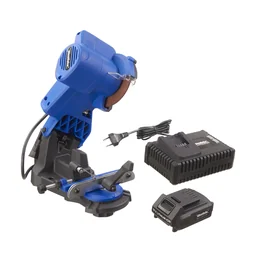
For manual sharpening, you’ll need a round file with a diameter that exactly matches your chain’s pitch, a flat file for the depth gauge and a filing guide that specifies the correct angle and height. An electric sharpener delivers consistent, precise results. The Cordless Chainsaw Sharpener, 18 Volt, SKSG 18 ( ) makes sharpening precise and effortless. Its cordless design lets you work flexibly and sharpen the chain right where you need to.
Pro tip
Always file forward over the cutting tooth, applying light pressure. Lift the file as you pull it back to protect both the file and the tooth. Three to five even strokes per tooth are usually enough.
The Sharpening Process in Detail
Place the filing guide on the chain. Position the round file at the angle marked on the guide or tooth, usually 30°. File from the inside of the tooth outward, using even pressure. Count your strokes and use the same number for every other tooth on that side. Then turn the saw around and sharpen the teeth on the other side. After about three to five sharpening sessions, you’ll also need to adjust the depth gauges with a flat file. The filing guide shows the correct height.
Proper Chainsaw Chain Maintenance for Maximum Service Life
Sharpening is only one part of maintenance. Consistent, thorough care helps your chain run smoothly, work safely and last as long as possible. Three things are especially important: tension, lubrication and cleanliness.
Adjusting the Tension Correctly
An improperly tensioned chain is a safety risk and causes excessive wear. If the chain is too loose, it can come off the guide bar. If it’s too tight, it puts excessive strain on the crankshaft bearings and the bar tip. Check the tension before every use: the chain should sit against the underside of the guide bar but still be easy to pull by hand (wear gloves!). When the chain is cold, it should rest against the underside of the bar and lift about 3-4 mm at the center of the top.
Good lubrication is like life insurance for your chain and guide bar. If you skimp on it, you’ll pay two or three times over in material costs in the end.
Lubrication Is Essential
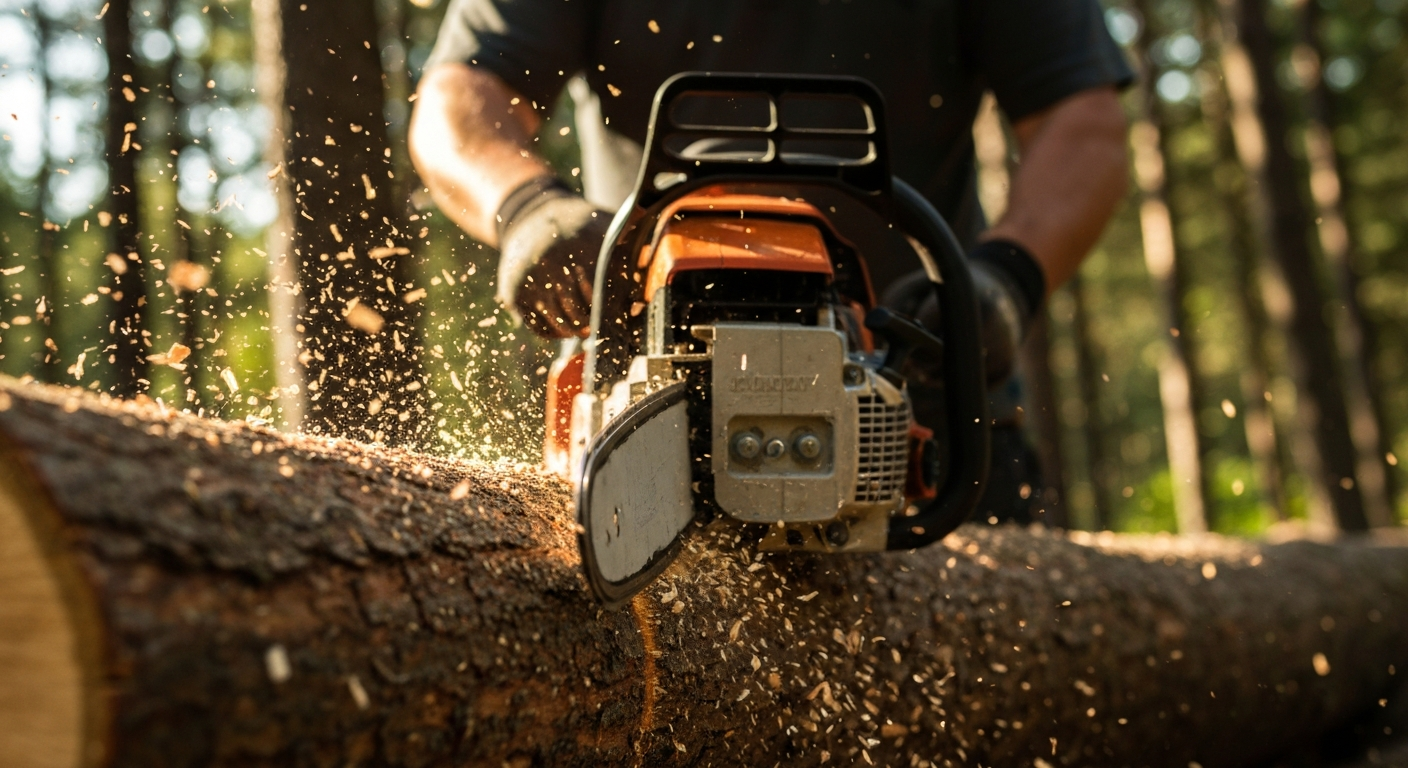
Without enough lubrication, intense friction heat can build up in seconds and irreparably damage the chain and guide bar. Check the oil level regularly and top it off whenever you refuel or change the battery. Use high-quality chainsaw bar and chain oil. The Organic Chainsaw Chain Oil 5000 ml ( ) clings to the chain, provides reliable lubrication and is biodegradable. Also check that the oil pump is working by holding the running saw over a light-colored surface, such as a tree stump. You should see a fine trail of oil.

Regular Cleaning
After use, remove resin and sawdust from the chain and guide bar. The groove in the guide bar must be especially clean so oil can reach the chain without obstruction. A small screwdriver or a special groove cleaner can help. A clean chain picks up less dirt, reducing wear on the cutting teeth.
Additional Advice
Turn your guide bar regularly. This helps both running surfaces wear evenly, significantly extends the bar’s service life and promotes a straight cut.
Titan Chainsaw Chains: An Upgrade for Your Saw?
Materials technology is constantly evolving. In chainsaw chains, titanium coating is a good example of a noticeable improvement. But what does it mean, and who can benefit from making the switch?
A chain such as the Forstmeister chainsaw chain "Titan" () isn’t made of solid titanium. Instead, its cutting teeth are coated with an extremely hard titanium hard-chrome alloy. This layer is significantly harder than the standard chrome plating used on conventional chains. As a result, the cutting edge resists wear for much longer. It stays sharp longer, even in demanding conditions such as cutting dry hardwood or slightly dirty wood.
The main advantage is that you can go longer between sharpening sessions. You can work longer with optimal cutting performance before reaching for the file. This saves valuable time and boosts productivity. Whether you’re cutting firewood for winter, tackling projects in your garden or looking for a reliable chain for occasional jobs, a longer service life is always a benefit. Use the time you save for more creative projects, such as building furniture for the kids’ room or hanging atmospheric string lights for your next garden party.
A Titan chain will eventually get dull and need sharpening, too. The process is the same as for a standard chain, and you don’t need any special tools. A high-performance chain like this pays off through efficiency, durability and, ultimately, greater enjoyment of your work.
By spotting the signs of a dull chain early, using the right sharpening technique and maintaining it consistently, you can get the most out of your chainsaw while working safely. A high-quality chain is the best foundation for getting the job done.
Frequently Asked Questions
- How often do I need to sharpen a chainsaw chain?
- Sharpen your chain as needed, not at fixed intervals. As soon as cutting performance declines, smoke appears or you have to apply more force, it is time to sharpen it. With intensive use, this may be necessary several times a day.
- What angle should you sharpen a chainsaw chain at?
- The most common sharpening angle is 30 degrees. This angle is often marked on the chain's cutting tooth. Follow the manufacturer's specification precisely to achieve the best performance and avoid damaging the chain.
- What are the benefits of a titanium chainsaw chain?
- A titanium chainsaw chain has an extremely hard coating that makes it more resistant to wear. As a result, it stays sharp significantly longer than a standard chain, especially when cutting hardwood or dirty wood.
- Can I sharpen a titanium chainsaw chain myself?
- Yes, absolutely. You sharpen a titanium-coated chain with the same tool as a conventional chain. The process is identical. Because of the harder coating, you may need to make a few more file strokes.
- What happens if the depth gauge is too low?
- If the depth gauge has been filed down too far, the cutting tooth takes too much wood. The saw may then chatter, the cuts become rough and, above all, the risk of kickback increases considerably.
You may also be interested in
- Sharpening & maintaining a chainsaw chain: make it last longer and cut better
- Titan chainsaw chain review: how durable is it really?
- Replacing a chainsaw chain: how to correctly install the Forstmeister Titan
- Buy a gas chainsaw: the ultimate guide to the TITAN model
- Seasonal firewood work: when is it time for a new chainsaw chain?
- Chainsaw safety: 7 professional tips for your chainsaw chain