
In brief: A sand filter system mechanically cleans pool or pond water by forcing it through a bed of sand. Particles such as algae, leaves and dead skin cells are trapped in the filter tank. For clear results, combine the system with a suitable pump and regular chemical water treatment. Maintenance is limited to occasional backwashing and replacing the filter media every few years.
How does a sand filter system work?
A sand filter system cleans water through mechanical filtration. The pool or pond pump draws in the water and forces it through a tank filled with special filter sand. This sand acts as a sieve.
Particles such as algae spores, leaf debris, dead skin cells and fine dirt become trapped between the grains of sand. The cleaned water flows through a collection system at the bottom of the tank and back into the pool or pond. Effectiveness depends on the grain size of the sand and the flow rate.
The process runs automatically for several hours a day. A timer controls the filtration periods. Without this continuous circulation and filtration, cloudiness and algae develop quickly.
Pro tip
Run the filter pump daily for 8-12 hours during the swimming season. Ideally, spread the operating time throughout the day rather than running it only at night. This keeps the water moving and prevents pockets where germs can multiply.
The key components in detail
Every system consists of three main parts: the filter tank, the multiport valve and the pump. The filter tank is a pressure-resistant container made of plastic or fibreglass. It contains the filter sand and internal laterals that collect the filtered water.
The multiport valve sits on top of the tank. It directs the flow of water. Use it to select the operating modes: Filter, Backwash, Rinse, Recirculate and Waste. The pump generates the pressure needed to force the water through the compact sand bed.
Sturdy suction and pressure hoses connect these components to each other and to the body of water. Make sure all connections are tight and high quality.
Why does my pool or pond need a filter at all?
Stagnant garden water goes bad. This is a natural process. Nutrients entering the water through leaves, rain, fish food or sunscreen lead to algae growth and bacterial contamination. A filter system interrupts this cycle.
It continuously removes the particles that serve as food for algae. At the same time, circulation ensures that any added water treatment products are distributed evenly. Without a filter, you are working against nature and constantly battling green, cloudy water.
Reliable filtration is vital for fish in a pond. When the system is filled with special filter media, it biologically breaks down toxic metabolic products such as ammonia. A clear pool is not only more attractive, but above all hygienically safe.
Filtration is the heart of water treatment. Chemicals can only support what mechanical filtration cannot achieve. A correctly sized filter saves you 80 percent of the problems.
How do I choose the right sand filter system?
The choice depends on two factors: water volume and usage. First, calculate the volume of your pool or pond. For rectangular pools, use length x width x average depth.
Filter capacity is specified in litres per hour (l/h). A simple rule of thumb is that the entire volume of water should be circulated once every four to six hours. For a pool holding 30.000 litres, you therefore need a system with a capacity of at least 5.000 to 7.500 l/h.
For fish ponds or heavily shaded, algae-prone bodies of water, choose a larger system. A safety margin of 20-30 percent above the calculated capacity is advisable. An undersized system works at its limit, clogs quickly and filters inefficiently.
Important note
The stated maximum capacity often refers to ideal laboratory conditions. In practice, reduce this figure by around 15 percent to account for losses caused by hose lengths, changes in height and dirt. It is better to buy one size larger.
Sand filters vs. other systems
Besides sand filters, there are cartridge and diatomaceous earth filters. Sand filters stand out for their long service life and low running costs. The sand lasts for several years. Backwashing regenerates the filter media.
Cartridge filters are cheaper to buy and more compact. However, the filter cartridges must be cleaned regularly and replaced about once a year. They are an option for small pools or paddling pools. For permanent, large installations, a sand filter system is the more economical and powerful choice.
You can find matching hoses and connectors in our range to connect your system correctly.
How do I carry out maintenance correctly?
Regular maintenance ensures the performance and service life of your system. The most important process is backwashing. This reverses the direction of the water flow. The agitated sand bed releases the collected dirt, which is then flushed down the drain.
Switch off the pump. Set the multiport valve to "Backwash". Switch the pump on again for about 2-3 minutes, until the water in the sight glass runs clear. Then set it to "Rinse" for 30 seconds to resettle the sand. Finally, switch it back to "Filter".
Replace the filter sand every three to five years. It becomes exhausted, the grains become rounded and smooth, and filtration becomes less effective. Dispose of the old sand in general waste and fill the system with new quartz sand with a grain size of 0,4-0,8 mm. Follow the manufacturer's specified fill quantity.
Many filter problems are caused by backwashing too infrequently. The sand becomes clogged, pressure rises and the pump works against resistance that shortens its service life. Checking the pressure gauge weekly is essential.
Preparing for winter
Before the first frost, you must winterise the sand filter system. Switch off the power. Completely drain the filter tank using the "Waste" setting on the valve. Open the air relief screw on the lid.
Remove water from the pump and all pipes and hoses. Store the multiport valve in a frost-free place if possible. A wet filter tank that freezes will burst. An expensive repair is then inevitable.
Additional advice
Record the pressure shown on the pressure gauge when the filter is new and clean. This "clean-filter pressure" is your reference value. Always backwash when the pressure is 0,3 to 0,5 bar above this value. This lets you act proactively rather than reactively.
Which accessories are essential?
The filter system does not work in isolation. A skimmer or overflow channel removes coarse dirt such as leaves from the water surface before it reaches the filter. This significantly reduces strain on the sand bed.
A pond protection net such as the
is a preventative measure. It keeps leaves out in autumn and significantly reduces the load on the filter. Fitted pool covers are ideal for pools.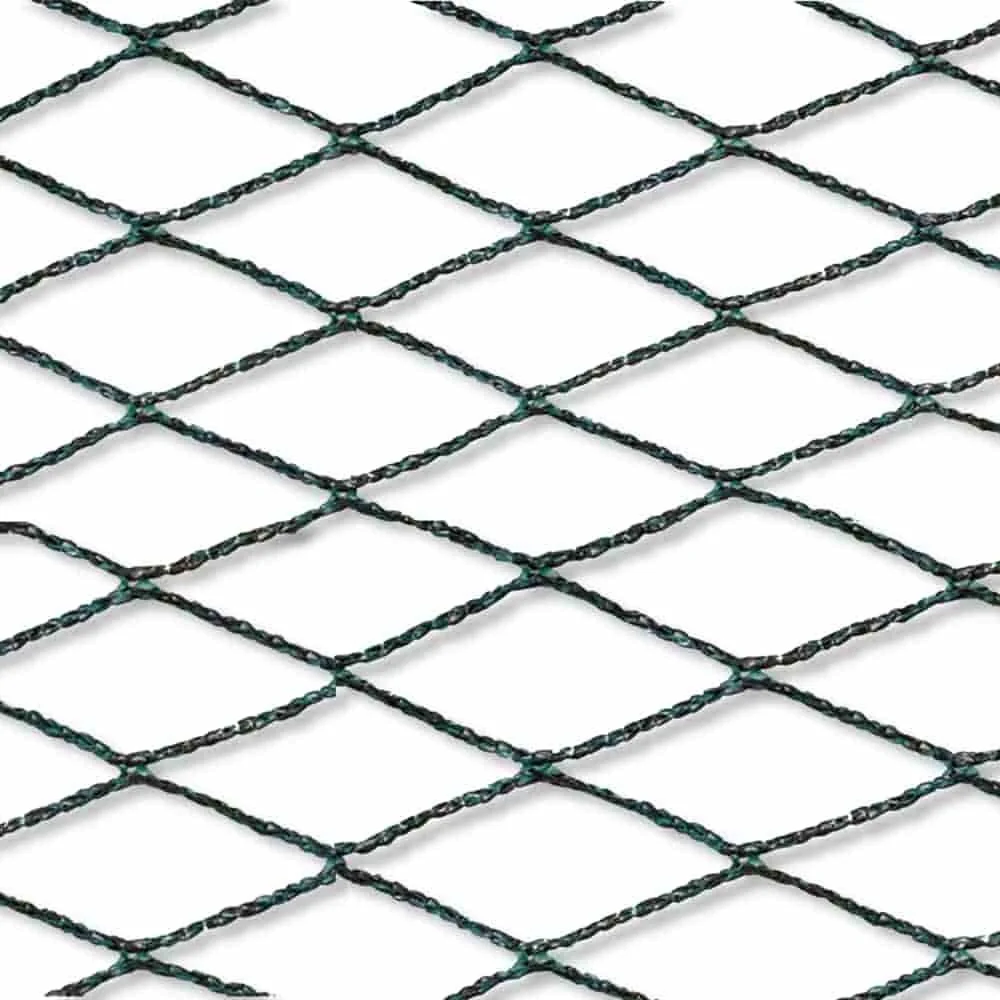
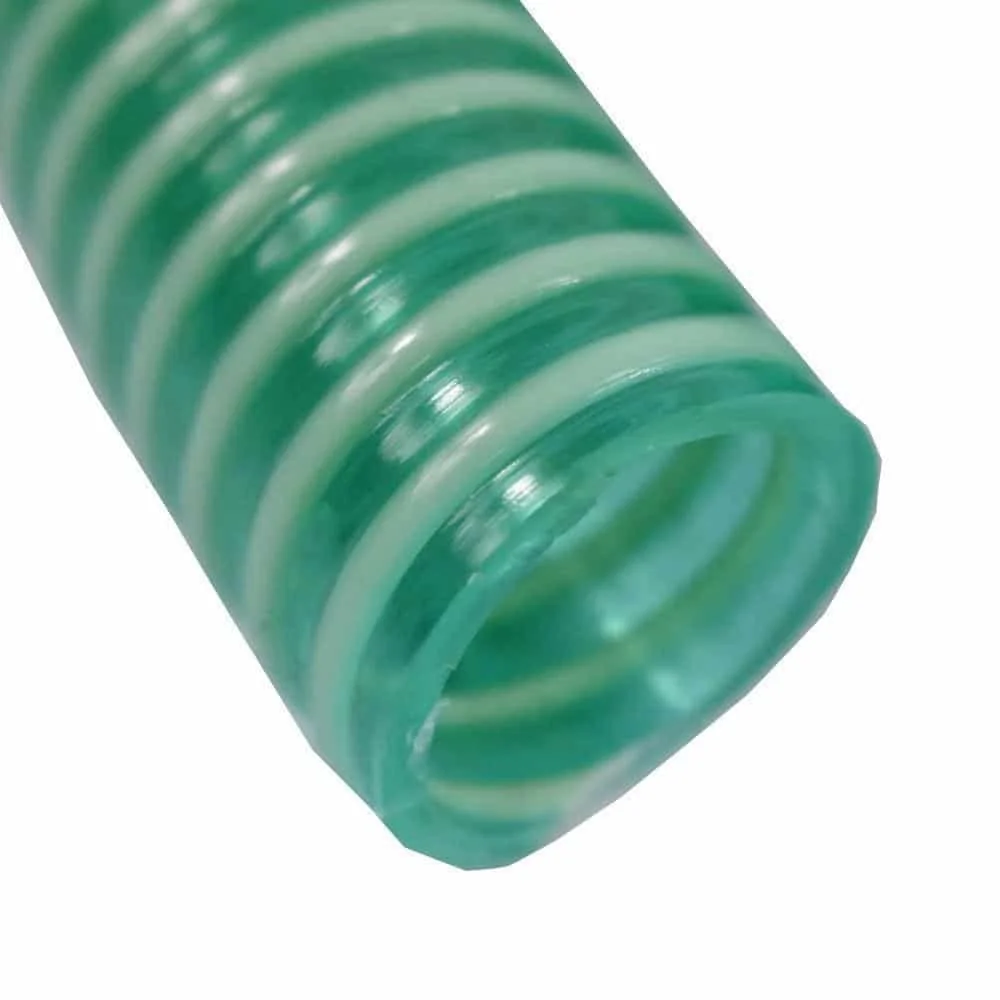
Durable hose connections are critical. A leaking suction hose draws in air and can cause the pump to run dry. High-quality pressure hoses can withstand the operating pressure.
,

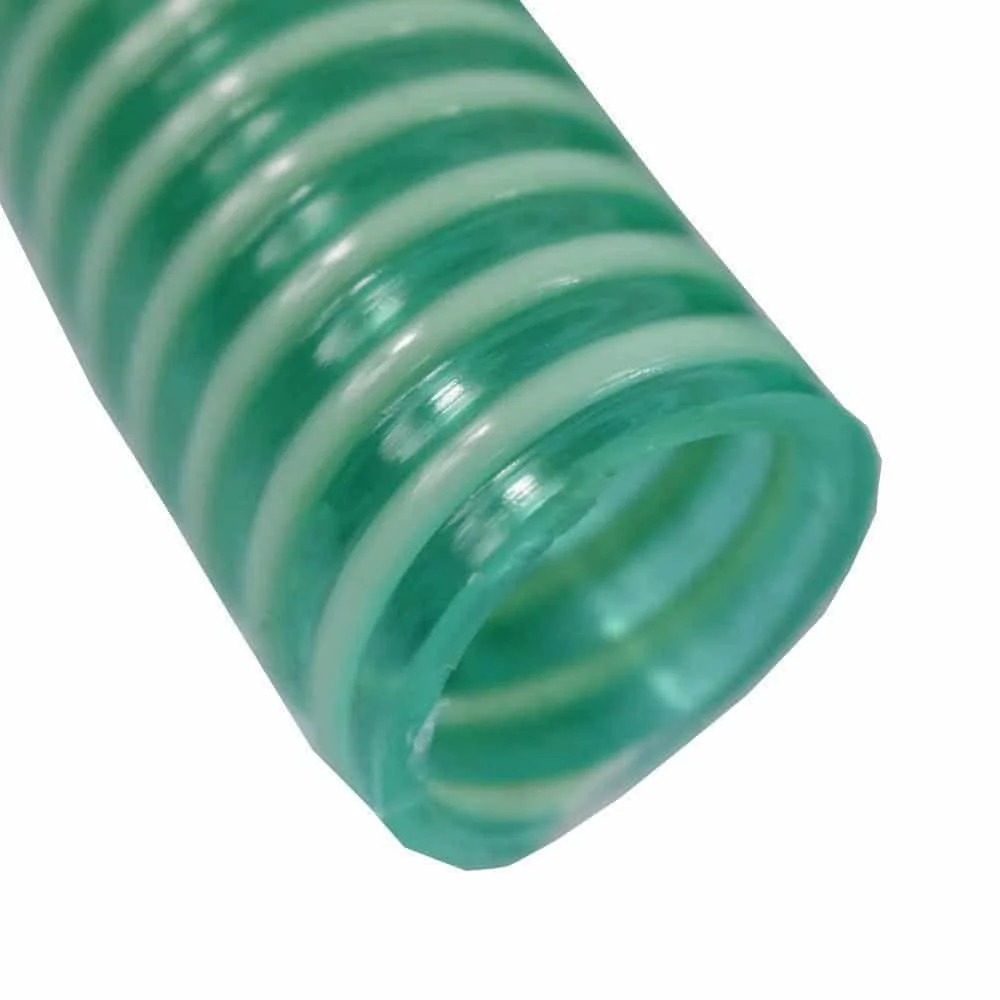
The role of water chemistry
A sand filter only filters mechanically. It does not kill bacteria or algae spores. Supplementary water treatment with chlorine, oxygen or UV-C clarifiers is therefore necessary. The filter keeps the water physically clear, while the chemicals keep it hygienic.
Test the pH value and disinfectant level regularly. An ideal pH value between 7,0 and 7,4 ensures that the chemicals work effectively while being gentle on skin and materials. The filter system distributes the added treatments evenly throughout the pool.
Think about garden irrigation. Once the chlorine level has subsided, nutrient-rich pool water is suitable for watering the garden after the season. This is a sensible way to close the cycle.
Buying guide: What should you look for?
Check the material quality of the filter tank. UV-stable, glass-fibre-reinforced plastic (GFRP) is durable and corrosion-resistant. Look for an easily accessible, clearly labelled multiport valve with tight O-rings.
The pump should provide sufficient flow while also offering good energy efficiency. Motors with thermal protection switches turn off when they overheat, preventing damage. Compare the decibel ratings if the system is to be installed nearby.
Ideally, buy the filter system and pump as a matching set from the same manufacturer. This ensures that the performance and connections are compatible. Our Garden + Outdoor range offers the right components for your water circulation system.
Plan the location carefully. The system should be installed on a level, stable surface close to the water. You will need a power supply and a wastewater connection nearby for the backwash water. A utility room or cabinet protects the system from the weather.
With the right sand filter system, regular maintenance and supplementary water care, you can enjoy crystal-clear water in your private garden retreat for many years. The investment pays off in comfort, hygiene and enjoyment.
Frequently Asked Questions
- How often do I need to backwash my sand filter?
- Backwash your sand filter system when the pressure on the pressure gauge is about 0,3 to 0,5 bar higher than when new, or when the water flow noticeably decreases. With normal use, this is generally necessary once a week. The process takes just a few minutes and flushes dirt from the filter bed into the wastewater.
- Can I also use a sand filter system for my garden pond?
- Yes, sand filter systems are suitable for swimming and fish ponds. Correct sizing is crucial: the filter output in litres per hour must match the pond volume. Fish-heavy ponds often require a larger system. Combine the sand filter with a pre-filter for coarse dirt.
- What is the right sand grain size for my pool filter?
- Use special filter sand with a grain size of 0,4 to 0,8 mm. This provides the optimum balance between filtration fineness and flow rate. Sharp-edged quartz sand filters better than rounded sand. Only fill the filter tank up to the marked line to leave room for expansion during backwashing.
- What is the difference between a sand filter system and a cartridge filter?
- Sand filters offer higher performance and require less maintenance for medium-sized to large pools. They filter mechanically through a sand bed, which only needs to be replaced every 3-5 years. Cartridge filters with paper or fabric cartridges are more compact, but the cartridges need to be cleaned or replaced frequently. Sand filters generally provide finer filtration.
- How do I size a sand filter system for my pool?
- First calculate the pool volume in cubic metres. The pump should be able to circulate the entire pool volume within a maximum of 4-6 hours. For a 30 m³ pool, you therefore need a pump with an output of at least 5.000 l/h (30.000 l / 6 h). The system's filter area must match the pump output – manufacturers provide combination recommendations.