
In brief: Choosing the right sandblasting equipment depends on how you plan to use it. For light cleaning and mattifying work on smaller objects, a handy compressed-air sandblasting gun kit is often sufficient. To remove rust, old paint or work on larger surfaces, you need more powerful equipment with a higher flow rate and a suitable compressor. Key factors include pressure vessel capacity, abrasive flow rate and the required air volume. In our comparison, we present the decisive criteria.
Do you need to remove rust, roughen a surface or strip away old material? Sandblasting equipment is the tool of choice. However, choosing the right option can be difficult given the range of types and performance classes available. Our 2026 review and comparison provides clarity. We show you what matters when choosing and which equipment is suitable for different applications.
Table of contents
What types of sandblasting equipment are available?
There are two basic designs: pressure-pot blasters and suction or compressed-air blasters. Pressure-pot blasters have an integrated container that is pressurised. They are powerful and portable, but require more effort to fill.
Suction blasters, on the other hand, use compressed air from a separate compressor. The air creates suction, drawing the abrasive media from a storage container and propelling it through the nozzle at high speed. This option is easier to handle, but requires a powerful compressor.
For hobby use and smaller projects, compact kits with a gun and small container are often sufficient. Professional users opt for stationary sandblasting equipment with a large capacity or even sandblasting cabinets.
Compressed-air sandblasting guns
These simple tools connect directly to your compressor. They are affordable and ideal for light-duty work. Their performance depends entirely on the compressed-air supply.
Sandblasting cabinets
Cabinets are the best choice for a clean, dust-controlled working environment. They operate as a closed system, protect the surroundings from dust and allow smaller parts to be handled comfortably.
These buying criteria make the difference
Before choosing a piece of equipment, you should clarify the following points.
Application and frequency: Are you planning occasional small jobs or regular, intensive use? The answer determines the required durability and performance.
Compressed-air requirement (CFM/lmin): This is the most important factor for suction or compressed-air equipment. Your compressor must be able to provide the specified air flow continuously. A compressor that is too weak makes sandblasting impossible. Equipment such as the
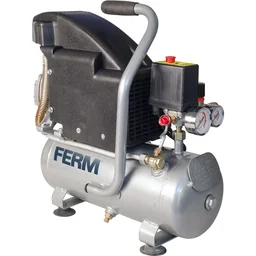
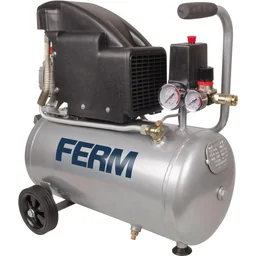
Container capacity: A larger container allows you to work for longer without interruption. A smaller capacity is sufficient for a bicycle frame. For a garage door, you need significantly more abrasive media per unit of time.
Maximum working pressure: The higher the pressure, the more aggressively and quickly material is removed. However, make sure it is suitable for the material being worked on.
Tip: Ideally, buy your sandblasting equipment and compressor as a compatible system, or check the performance specifications carefully to ensure compatibility. The air consumption of the sandblasting equipment should be lower than the continuous output of your compressor.
Comparison table of the best sandblasting equipment
The following direct comparison provides an overview of the key features of selected equipment and components. Please note that performance depends heavily on the abrasive media used and the compressed-air source.
The highest-rated sandblasting equipment in our range compared directly:
| Model | Customer rating | Availability |
|---|---|---|
| Aesculap GT 505 Replacement cutter comb for NOVA CL Gt684 clipper | – | Currently unavailable |
| Aesculap GT 779 Carbon steel clipper head - Long-lasting sharpness | – | Currently unavailable |
| Abrasive media 0,2 - 0,5 mm, 1,5 kg | – | Currently unavailable |
| Abrasive media 0,2 - 0,5 mm, 25 kg | – | Currently unavailable |
| Abrasive media 0,2 - 1,4 mm, 1,5 kg | – | Currently unavailable |
Choosing the Right Blasting Media
The blasting media is your actual working tool. There is a wide range to choose from, including sand, glass beads, plastic granules and crushed walnut shells.
For general rust removal and cleaning work on metal, mineral blasting media such as corundum or specialised steel grit are a good choice. They are very hard and offer good reusability.
For gentler work, such as on aluminium or wood, or for cleaning, softer media such as glass beads or plastic granules are suitable. Soda blasting is extremely gentle and dissolves in water, leaving no residue, but it requires special equipment.
Grit size is also important. Finer grits (such as
) produce a smoother surface, while coarse grits (such as ) work more aggressively. Always follow the grit sizes recommended by the equipment manufacturer to prevent blockages.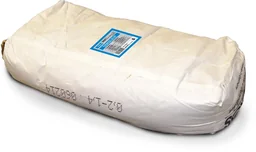
Warning: Never use ordinary quartz sand from a home improvement store! On impact, it can release crystalline silica dust, which can cause the serious lung disease silicosis if inhaled. Use only tested, safe alternative blasting media.
Storing and Handling Blasting Media
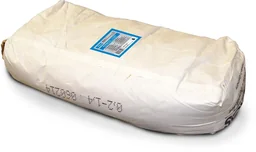
Always store blasting media in a dry place and in sealed bags. Moisture causes the material to clump and makes it unusable. Larger quantities such as or are more economical in the long term, but require suitable storage space.
Sandblasting Safety
This work involves serious hazards from dust, noise and rebound. Your personal protective equipment (PPE) is non-negotiable.
A compressed-air tool such as a sandblaster produces extremely high noise levels. Hearing protection is essential. Fine dust penetrates every textile. Wear a fully enclosed protective suit and always use a suitable sandblasting helmet with its own fresh-air supply or a filtration unit. Gloves and steel-toe safety footwear complete your protective equipment.
Whenever possible, work in a ventilated cabinet or outdoors at a sufficient distance from other people. Familiarise yourself with the specific hazards of the blasting media you have chosen.
Note: Investing in a high-quality sandblasting helmet with climate-controlled air supply is one of the most important investments alongside the equipment itself. It protects not only your lungs, but also your eyes and hearing, while significantly improving comfort.
Maintaining and Caring for Your Equipment
A sandblasting machine is exposed to considerable wear and tear. Regular maintenance significantly extends its service life.
Thoroughly clean the outside of the equipment after every use. Empty the container completely, especially when you want to change the blasting media. Regularly check the blasting nozzle for wear. A worn nozzle reduces efficiency and increases air consumption.
Check all hoses and connections for cracks or leaks. Store the equipment in a dry, protected place. For compressors such as the or , follow the respective manufacturer's instructions for oil and air filter maintenance.
Common Problems and Solutions
Blockage: Often caused by damp blasting media or grit that is too coarse. Dry or sieve the media. Weak blast: Check your compressor pressure, the nozzle for wear and the lines for leaks. Excessive consumption: The nozzle may be too large for your project or the pressure may be set too high.
Conclusion: How to Find the Best Sandblasting Machine for You
Choosing the right sandblasting machine involves balancing your requirements, budget and existing infrastructure. For occasional hobby use on small parts, a simple blasting gun with a powerful compressor is often sufficient. For demanding and frequent work, you should invest in a robust machine with a larger tank capacity and a suitable, powerful compressor.
Do not forget to include the required blasting media and essential safety equipment in your calculations. A high-quality piece of tooling is a long-term investment that will serve you well for years with proper care.
Make sure that all components – the machine, compressor, blasting media and protective clothing – work together to create a safe and efficient system. With the information provided here, you can now make an informed decision and approach your next project with the right tools.
Frequently Asked Questions
- Which blasting media is best suited to my project?
- Choosing the right blasting media depends on the surface and the desired result. Fine glass bead media is suitable for gentle cleaning and matting glass or stainless steel. For removing rust from steel, aluminium oxide or steel grit is effective. For very hard surfaces or aggressive stripping, use hard blasting media such as aluminium oxide. Always check that the media is compatible with your equipment.
- Do I absolutely need a compressor for a sandblasting machine?
- Most conventional sandblasting machines work with compressed air and therefore require a compressor. The compressor's performance is crucial. A compressor that is too weak will result in inefficient operation. There are also pressure pot systems with their own pressure generation, as well as electric blasting cabinets. For professional use, however, a powerful compressor such as PRODUCT_106666 or PRODUCT_96392 is often essential.
- Can I also treat wood with a sandblasting machine?
- Yes, sandblasting wood is a popular surface treatment method. It gently removes the soft annual rings and highlights the grain. Be sure to use a very soft blasting medium such as walnut shells or soda, and work at low pressure to avoid damaging the wood. This application requires a great deal of care and experience.
- How important is the capacity of the pressure tank?
- The capacity of the pressure tank determines how long you can work without refilling it. Small tanks (under 10 litres) are easy to handle but require frequent breaks. For larger surfaces or continuous work, tanks with a capacity of 25 litres or more are recommended. A larger tank significantly improves your workflow, but also makes the equipment heavier and less portable.
- Which safety precautions are absolutely necessary when sandblasting?
- Safety is the top priority. Always wear complete protective equipment: a sealed sandblasting helmet with an air supply, protective clothing, sturdy gloves and safety footwear. Work in a well-ventilated area or cabinet. Make sure the compressed-air hose and all connections are airtight. The noise level is considerable, so hearing protection is mandatory.