
In brief: Timers save electricity by switching devices on exactly when you need them. They prevent unnecessary run time, such as watering the garden during the cool morning hours or leaving outdoor lights on all night. This automation can lower your electricity bill.
Contents
- Why timers can save you money
- How can you use timers effectively in the garden?
- What benefits do timers offer at home?
- How do you choose the right timer?
- How do you install and program a timer?
- Take the next step toward a smart home
Why timers can save you money
Timers are not new, but their impact is still impressive. They let devices run on a schedule without needing you to switch them on and off manually.
This saves energy in two ways. First, timers prevent devices from running longer than necessary. A pump does not run all day, and a light does not stay on all night. Second, timers help you choose the best time to run appliances.
Water the lawn at 5 am instead of 2 pm. Less water evaporates, so more reaches the roots. Run the washing machine during off-peak hours for lower electricity rates. Turn down the heat when the house is empty.
“The simplest forms of automation often have the biggest impact. A timer costs just a few dollars, but it can pay for itself in one season through savings on water and electricity.”
You can measure the savings. Note how long your devices run without a timer, then compare that with their scheduled run times. Multiply the difference by the power rating in watts to estimate your savings in kilowatt-hours.
How can you use timers effectively in the garden?
The garden offers plenty of opportunities to save energy. Devices often run for hours, sometimes longer than necessary.
Automate watering
This is the classic use for a timer. Set your garden irrigation system to run in the early morning. The soil is cool, and water has time to soak in before the sun gets strong.
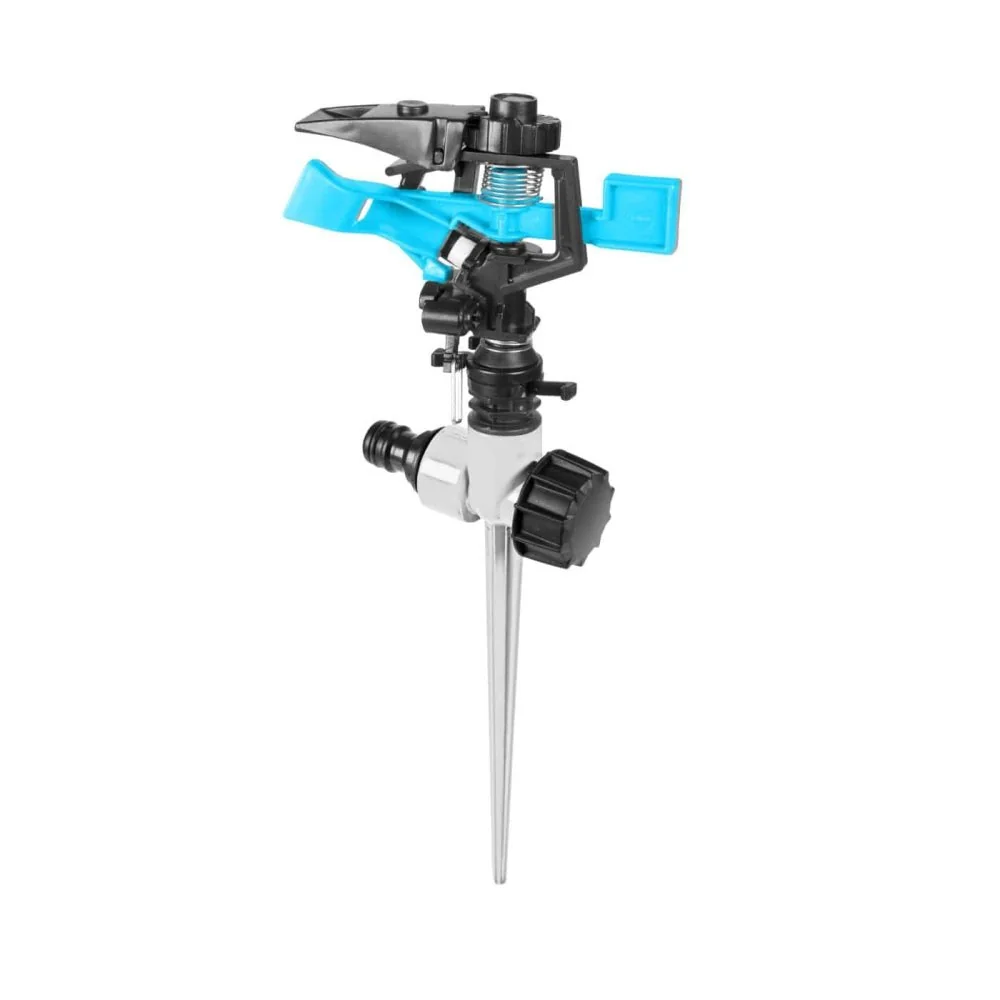
You can use up to 30% less water. Your plants also benefit from regular watering without the stress of dry spells. Connect the timer to a garden hose and a sprinkler such as the .
Expert tip
Pair the timer with a soil moisture sensor (sold separately). The timer only turns on when the sensor detects dry soil. This adds another layer of efficiency.
Control outdoor lighting
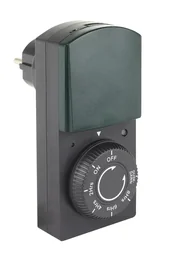
Solar lights do not need a timer. For outdoor lights powered by an outlet, such as path or patio lights, a timer is ideal. Set them to turn on at dusk and off at midnight instead of staying on until dawn.
Modern models such as the have a built-in dusk sensor. They turn on automatically as it gets dark, saving electricity and helping bulbs last longer.
Pond and pool equipment
Pond pumps and filters do not need to run 24 hours a day. Set them to run at intervals to keep the water clean while using less energy. You can optimize pool pumps in the same way.
Important note
Only use timers outdoors if they have a suitable protection rating. IP44 is the minimum for splash-resistant devices. Even then, place them under a roof or cover.
What benefits do timers offer at home?
At home, timers act like a helpful housekeeper, switching devices off when you forget.
Heating and hot water
Heating is one of the biggest expenses on an energy bill. Use a timer to control your central heating circulation pump. Many pumps run continuously at a high setting.
A timer lets you limit run time to the hours when heat is actually needed. The same goes for electric tankless water heaters and boilers. Set them to turn on shortly before you usually need hot water.
“Simply lowering the heating temperature by two degrees at night can reduce heating costs by around six per cent. A timer implements this setback reliably every day.”
Eliminate standby power
TVs, stereo systems, and computer peripherals can keep drawing power even when they are switched off. A timer can cut power to the entire power strip.
Set it to turn off when you go to bed and back on in the morning. You keep the convenience while avoiding unnecessary standby power use.
Schedule energy-hungry appliances
Washing machines and dishwashers often have a delay-start button. Use it to run them during periods when electricity rates are lower.
If your appliance does not have this feature, plug it into a timer and set the start time. The machine will begin its cycle automatically.
Additional advice
Review your settings regularly. Adjust watering times as the seasons change and heating schedules to match the weather. A timer is not a “set it and forget it” device.
How do you choose the right timer?
Not every timer suits every task. Choose a model based on these criteria.
Analog vs. digital: Analog timers (such as ) are simple. Set switching times mechanically with pins. They work well for the same schedule every day. Digital timers offer more complex weekly schedules and precise minute-by-minute settings.
Switching capacity (watts): This is the most important rating. The timer must handle the power draw of the connected appliance. 1000 watts is enough for LED lighting. A heating pump or boiler may need 3000 watts or more. Check the appliance's rating plate.
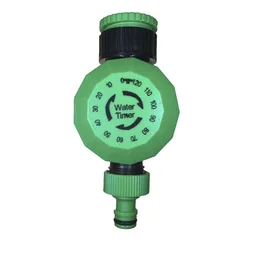
IP rating: For indoor use, choose IP20. For a sheltered outdoor area under a roof, choose IP44. For direct exposure to the weather, choose at least IP65. The is a specialized irrigation timer for the garden.
Number of switching channels: Basic models control one outlet. Multi-channel timers control several devices independently, which is useful for an entire patio lighting system.
How do you install and program your timer?
Installation is usually very straightforward. Plug the timer into a wall outlet, then plug the appliance you want to control into the timer.
You’ll need an electrician for permanently wired appliances such as pumps. This also applies to connections at the electrical panel. Safety comes first.
When programming the timer, work systematically. Have a sheet of paper ready and write down the desired on and off times for each day of the week.
Then enter this schedule in the timer. With digital models, follow the menu prompts. With analog models, press down the appropriate pins on the dial.
Test the system by letting it run for one day. Check that it switches on and off exactly when you want it to.
Take the next step toward a smart home
A traditional timer is a reliable starting point. The next step is smart plugs and smart home systems.
They offer all the functions of a timer, plus remote control through an app. You can change programs while you’re away and check your energy use.
You can connect watering schedules to weather apps. The system pauses automatically when rain is forecast, helping you use water efficiently.
Start with a specific problem. “My watering runs for too long.” Solve it with a durable garden timer. Save money and resources.
Then expand your system. Automation becomes second nature, and you’ll see the results on your electricity bill.
Frequently Asked Questions
- Why does a timer save electricity in the garden?
- It schedules watering for the early morning, when less water evaporates. This reduces the amount of water needed and how long the pump runs. It also means you won’t have to turn the watering on manually and risk forgetting to turn it off.
- Can I use a basic analog timer outdoors?
- Yes, as long as it has the appropriate IP rating. Check the IP marking. IP44 is suitable for outdoor use because it protects against splashing water. Even so, place the device somewhere sheltered from rain whenever possible.
- How do I program a timer for heating in winter?
- Set the on and off times to match when you get up and when you get home. Lower the temperature automatically at night and while you’re away. Modern digital models often offer weekly programs to suit different routines.
- Is a timer useful for aquarium or pond pumps?
- Absolutely. It can simulate a natural day-night cycle for lighting and run the filter only at set times. This protects the equipment, saves energy, and benefits aquatic life. Choose a model rated for continuous operation.
- Which appliances in the home benefit most from a timer?
- High-power appliances and those that spend a lot of time in standby mode are ideal. These include water heaters, tankless water heaters, washing machines (set to start overnight), and circulation pumps. The savings can be greatest with these appliances.