
In brief: A sustainable household saves money where you regularly use energy, water, food, and disposable products. Plan your shopping, cook with leftovers, cut unnecessary energy and water use, and make things last longer. Start with a few changes you can measure, then compare your expenses each month.
You don’t need to make major changes to start running a more sustainable household. You can often save money simply by throwing away less food, switching off appliances consistently, and putting off new purchases. The key is to choose changes that fit your daily routine and track their impact through your usage and expenses.
The household tips below can help you use energy, water, and materials more thoughtfully. You don’t need any special equipment. Start with one area, review your habits, and add more changes once the first ones become routine.
How can you find the biggest savings?
Don’t start with a long wish list. Look at your regular expenses and usage. Your electricity and water bills can show you where it’s worth taking a closer look. A household budget or a simple note on your phone can help you spot recurring purchases and unnecessary expenses.
For a week, keep track of what happens in your home: How often does the washing machine run? Which foods end up in the trash? Which appliances stay on all the time? Where do you leave lights on when no one is in the room? These observations point to specific ways to save instead of vague resolutions.
Sort your ideas by effort. Switching off an unused charger takes no adjustment. A more efficient appliance may require a bigger investment, so the savings should justify its cost over its useful life. Before replacing anything that still works, check how much energy it uses.
- Easy to do right away: Turn off lights, make a shopping list, and plan meals around leftovers.
- Takes a little planning: Combine laundry and dishwasher loads, and review your heating schedule.
- Before buying new: Compare energy use, repair options, spare parts, and expected lifespan.
Sustainable development meets the needs of the present without compromising the ability of future generations to meet their own needs.
Pro tip
Start by changing one habit and recording your starting point. For example, if you switch off devices instead of leaving them on standby, compare your next electricity meter reading with the previous period. This helps you keep track and see which changes make a difference in your home.
How can you save on food and shopping?
Food costs money, water, energy, and farmland. Buying only what you expect to use helps you save in several ways. Plan meals for the next few days, then check your refrigerator, freezer, and pantry. Add only the ingredients you’re missing to your shopping list.
Use up what you have first
Move products that need to be used soon to the front. Store fruit, vegetables, bread, and dairy products according to the instructions on the package. Some foods belong in the refrigerator, while others lose quality faster there. Set aside a spot for opened packages so you can see what to use first.
Plan ways to use leftovers. Cooked vegetables can go into soup or a stir-fry, while stale bread can be toasted or made into breadcrumbs. Freeze suitable portions if you won’t eat them soon. Label containers with their contents and date so they don’t get forgotten in the freezer.
Shop with a plan
Whenever possible, take a list to the store and don’t buy more of something you already have. Larger packages are only a good deal if you can use everything in time. Compare the unit price, but also consider the amount and how long the food will keep. A lower price per pound won’t save you money if some of the food ends up in the trash.
In many areas, tap water is an inexpensive drink straight from the faucet. When you’re out, bring a reusable water bottle. For coffee, tea, and other drinks, heat only as much water as you need. This helps avoid wasting energy.
More advice
Don’t rely on the “best if used by” date alone to decide whether to throw food away. It isn’t a blanket discard date. Check the food’s appearance, smell, and taste if the package is intact and you’ve followed the storage instructions. Take extra care with perishable foods such as raw meat, and follow the use-by dates on the package.
How can you use less electricity, heating, and water?
Reviewing your energy costs can show you which appliances and routines to check first. Turn off TVs, computers, and other electronics completely when you won’t be using them for a while. Power strips with switches can disconnect several devices at once. Only unplug devices if doing so won’t affect the manufacturer’s instructions or their settings.
Combine laundry and dishwasher loads
Run the washing machine and dishwasher with full loads when possible, but don’t overload them. Use lower temperatures when they’ll get your clothes and dishes clean and the manufacturer’s instructions allow it. You often don’t need a prewash for normally soiled laundry. Clean the screens and filters regularly so your appliances run efficiently.
A clothes dryer is convenient, but it uses energy. Air-dry laundry when the weather and your living situation allow. Don’t spin delicate fabrics faster than their care labels allow. Good ventilation when drying clothes indoors helps remove moisture.
Use heating and water thoughtfully
Heat rooms according to how you use them, and keep doors closed between warmer and cooler rooms. Turn down the heat while airing out your home, and open windows wide for a short time instead of leaving them tilted open for longer. Curtains or furniture in front of a radiator can prevent heat from spreading through the room. Also check that thermostat valves are easy to reach.
You can save hot water in the shower by spending less time under the water and turning it off while you lather up. Fix dripping faucets promptly. You don’t need to leave the faucet running while you brush your teeth. In the garden, water plants at the roots and, when possible, do it in the morning or evening when less water evaporates right away. Find suitable equipment in our garden irrigation section.
Important note
Don’t turn down the heat so much that the walls and rooms stay cold for extended periods. Air out your home regularly and keep an eye on humidity, especially in the bathroom, kitchen, and bedroom. Damp rooms need fresh air to help prevent mold.
The waste hierarchy gives priority to preventing waste, followed by reuse and recycling.
How can you reduce waste and use fewer cleaning products?
Reusable items can help you avoid single-use packaging when you use them regularly. Bring a cloth bag, lunch box, and water bottle instead of buying disposable items on the go. Choose refill packs when they use less packaging and suit how much you need. Avoid buying reusable items you’ll rarely use and may need to replace later.
Sort recyclables according to your local recycling guidelines. Sorting them correctly makes recycling easier. You can reduce waste even more by avoiding it while shopping: choose unpackaged goods when it’s hygienic and practical, and skip disposable items you already have at home.
The same goes for cleaning: use cleaning products sparingly and follow the dosage instructions. Using more won’t automatically get surfaces cleaner. A microfiber cloth or reusable cotton cloth is enough for many everyday jobs. Wash cloths together at the lowest temperature that gets them clean. Never mix cleaning products, especially bleach-based products with acids or other cleaners.
How can you make more durable purchasing and home choices?
Often, the most resource-friendly purchase is the one you can put off. Before buying something, consider whether you could borrow it, buy it secondhand, repair something you already own, or make do with a product you have. For tools and garden equipment, a sturdy model is especially worthwhile if you use it regularly and can get replacement parts.
Look after furniture and garden equipment before small problems turn into major damage. Clean and store outdoor furniture according to its material. A suitable cover can protect it from the weather and help it last longer. Find suitable options in our patio furniture covers category. You can also browse garden tools for repairs and regular maintenance.
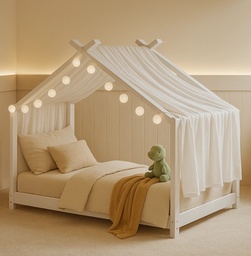
When you need to replace a product, compare its materials, construction, care requirements, and expected lifespan. GOTS-certified cotton fabric could be an option for a child’s room if you’re already planning to buy a bed canopy. Find the 3-piece Alavya Home set made from GOTS-certified organic cotton under

A bookcase should suit the things you already own and remain useful if you move or your needs change. Alavya Home’s wooden COMET bookcase is listed as
. A material alone doesn’t make a purchase sustainable. What matters is whether you can use the furniture for a long time, care for it, and repair it when needed. Find more styles under bookcases for kids’ rooms.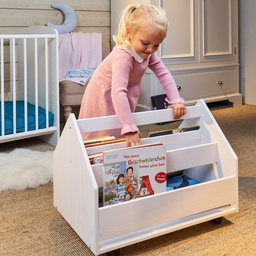
In the garden, you can save water and materials by mulching beds, using rainwater, and maintaining durable tools. Keep using the pots and planters you already have instead of replacing them too soon. Find ideas and outdoor essentials in Garden + Outdoor.
How can you put these money-saving tips into practice step by step?
A simple starter plan spreads the changes over several weeks. This gives you time to fit each step into your routine and see which ones work for you.
- Week 1: Keep a note of your shopping, food you throw away, and your electricity or water meter readings.
- Week 2: Plan meals, use up what you already have first, and freeze suitable leftovers.
- Week 3: Run full loads of laundry and dishes, switch off appliances you’re not using, and check your heating.
- Week 4: Repair one damaged item or skip a planned purchase if you don’t really need it.
Then compare your usage and spending with your starting point. A single month can vary a lot because of the weather, visitors, or a vacation. Look at several billing periods before deciding whether a change is working. Keep the easy habits and adjust anything that makes everyday life unnecessarily complicated.
Running a more sustainable household doesn’t mean optimizing every expense and every task. You’ll save most reliably by using less, making things you already own last longer, and shopping according to what you actually need. Small, repeatable choices can lower costs while reducing material and energy use.
Frequently Asked Questions
- How can I save money sustainably at home?
- Start with regular expenses: plan meals, use leftovers, turn appliances off completely, and only run full loads of laundry. Check your electricity and water bills after a few weeks to see which changes are actually reducing costs in your home.
- What are the best ways to save energy at home?
- It depends on your home, heating system, and appliances. Start by checking your energy use, then focus on heating, hot water, refrigeration, and appliances you use often. Air out rooms quickly by opening windows wide, avoid setting the thermostat unnecessarily high, and switch off appliances that stay in standby mode.
- How can I prevent food waste in my everyday life?
- Make a shopping list of what you really need, and check your fridge and pantry before you go. Store food properly, move items you need to use soon to the front, and freeze suitable leftovers before they go bad. For many foods, use your senses and follow storage instructions.
- Can a low-flow showerhead help make my household more sustainable?
- A low-flow showerhead can reduce the amount of water you use when showering. How much you save depends on the model, your current showerhead, and how long you shower. Compare the manufacturer's specifications and check that the water pressure still feels comfortable. Taking shorter showers also saves hot water and energy.
- How can I shop more sustainably without spending more?
- Start by buying less and using what you already own for longer. Consider secondhand items, repair options, and replacement parts before buying something new. When you do need to buy new, compare durability, materials, care requirements, and what you actually need. This helps you avoid spending money on products that go unused.
You might also like
- How to Stop Food Waste: 15 Practical Tips for Your Home
- Zero Waste at Home: Simple Everyday Tips
- Save Energy at Home: Sustainable Tips to Cut Costs
- Save on Electricity and Bills: Live Sustainably Without Giving Anything Up
- Reduce Household Electricity Use: Money-Saving Tips for Every Day
- Recycling at Home: Effective Waste Sorting for a More Sustainable Life