
In brief: You need scaffold sheeting to protect your building site from weather conditions such as rain, snow, wind and strong sunlight all year round. It enables uninterrupted work, protects the building structure from moisture damage and prevents dirt and dust from affecting the surrounding area. It is essential for facade work and new builds.
Contents
Every building or renovation project carried out outdoors is exposed to the weather. A sudden downpour, strong wind or intense sunlight can disrupt the schedule and affect the quality of the work. Scaffold sheeting is much more than a simple cover. It is an active protective shield that enables uninterrupted work and protects the building from damage. It keeps the project moving, protects materials and improves safety on the building site.
For most standard scaffolding, the scaffold sheeting 2,60 x 10 m with 150 g/m² () offers the perfect balance of durability and ease of handling. Its dimensions are ideal for common scaffold bay heights and lengths. The 150 g/m² material weight provides high tear resistance and durability, so the sheeting can reliably accompany you through several projects. The white colour reflects sunlight and creates a bright working area behind the sheeting.
Why is scaffold sheeting essential all year round?
The weather does not follow your building schedule. That is why you need protection that adapts to every season. High-quality scaffold sheeting is an investment that pays off from the first to the last day of your project, whether in midsummer or the depths of winter.
Scaffold sheeting in spring and summer: protection from sun and rain
The warmer months bring their own challenges. Strong UV radiation can fade or damage sensitive building materials, while also putting a strain on workers on the scaffolding. Scaffold sheeting acts like a large sunshade. It provides shade, reduces heat at the facade and creates a more comfortable working environment.
At the same time, it protects against unexpected summer storms. Fresh plaster, new insulation or exposed brickwork are protected from penetrating moisture. The sheeting also acts as a dust barrier, preventing sanding dust or paint splashes from dirtying the surrounding area and neighbouring properties.
Good scaffold sheeting is like insurance for your building site. It protects not only the building, but also the morale and efficiency of tradespeople who can work in any weather.
Scaffold sheeting in autumn: protection from wind and leaves
Autumn often brings strong winds and persistent rain. Securely tensioned scaffold sheeting acts as an effective windbreak. It significantly reduces draughts around the scaffolding, making work safer and more comfortable. This is particularly important when working at height.
It also keeps falling leaves and fine dirt away from the facade. Freshly painted surfaces stay clean, and gutters do not become blocked by leaves blown against the house. The sheeting channels rain away in a controlled manner and prevents the wind from driving precipitation directly into open joints or onto sensitive building components.
Scaffold sheeting in winter: ultimate protection from cold and snow
Scaffold sheeting reaches its full potential in winter. It allows building projects to continue even in sub-zero temperatures. Using scaffold sheeting in winter is crucial for meeting deadlines. The sheeting creates an enclosed working area that retains heat. In this microclimate, construction heaters can maintain a constant temperature, which is essential for applying many materials, such as plaster or mortar.
It protects the facade from snow and ice. Freezing water can cause major damage in small cracks. The sheeting prevents snow from settling directly on the facade and stops meltwater from penetrating. This allows materials to dry reliably and minimises the risk of frost damage. Year-round scaffold protection is therefore not a luxury, but a necessity for professional results.
Additional tip
Old but still intact scaffold sheeting makes an excellent durable ground cover for gardening or for covering firewood stacks. This gives it a useful purpose even after its time on the building site.
How do I identify the right scaffold sheeting for my project?
Choosing the right sheeting is crucial for its effectiveness and durability. Pay attention to three key criteria: the material weight, the correct size and high-quality workmanship at the fastening points. These factors determine how well the construction weather protection really works.
The material: tear resistance and UV stability
The quality of sheeting is often specified in grams per square metre (g/m²). This value describes the weight of the material and is a direct indicator of its robustness. Sheeting under 100 g/m² is usually only suitable for short-term, light-duty covering. For demanding use on scaffolding, 150 g/m², as used in our main product, is an excellent choice. This material is tear-resistant enough to withstand wind, yet flexible enough for easy handling.
You should also look for UV stabilisation. Without this protection, the plastic fabric (usually HDPE tape fabric with an LDPE coating) quickly becomes brittle and breaks down when exposed to sunlight. Good UV stabilisation ensures that the sheeting lasts for several seasons.
Investing in high-quality, UV-stabilised sheeting with 150 g/m² quickly pays off. It lasts for several seasons, while cheaper versions often become brittle after just one winter.
The size: correct dimensions for your scaffolding
The sheeting must fit the scaffolding. Measure the area to be covered precisely. Standard scaffolding usually has a bay height of 2 metres and a bay length of 2,50 m or 3,00 m. Sheeting such as the scaffold sheeting 2,60 x 10 m () therefore perfectly covers several bays in length and one level in height. The slight overlap in width ensures secure fastening.
Other formats are also available for narrower areas, individual scaffold bays or as an extension. The scaffold sheeting 0,80 x 10 m () is ideal, for example, for covering the gable ends or smaller scaffolding structures. The right size prevents unnecessary folding and ensures a taut, secure surface. In the Tarpaulins and nets section, you will find various sizes for every requirement.
Fastening: eyelets and accessories
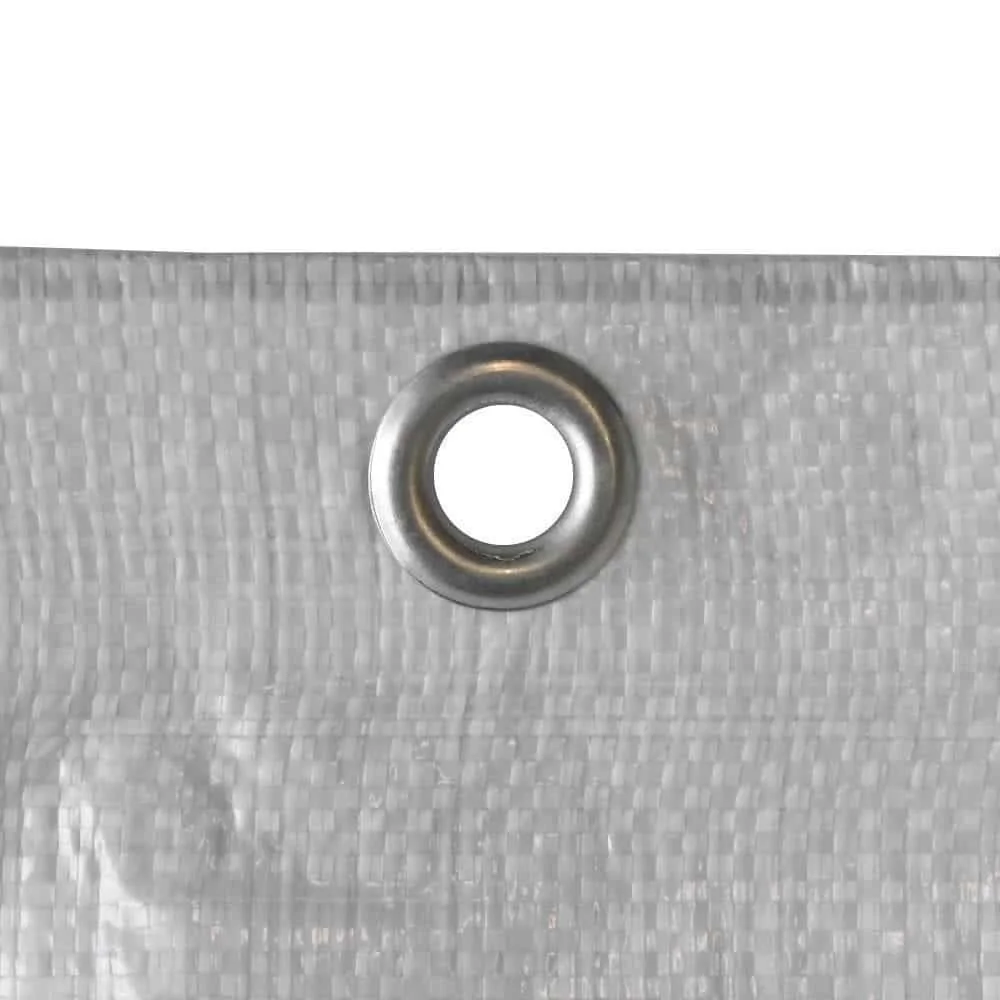
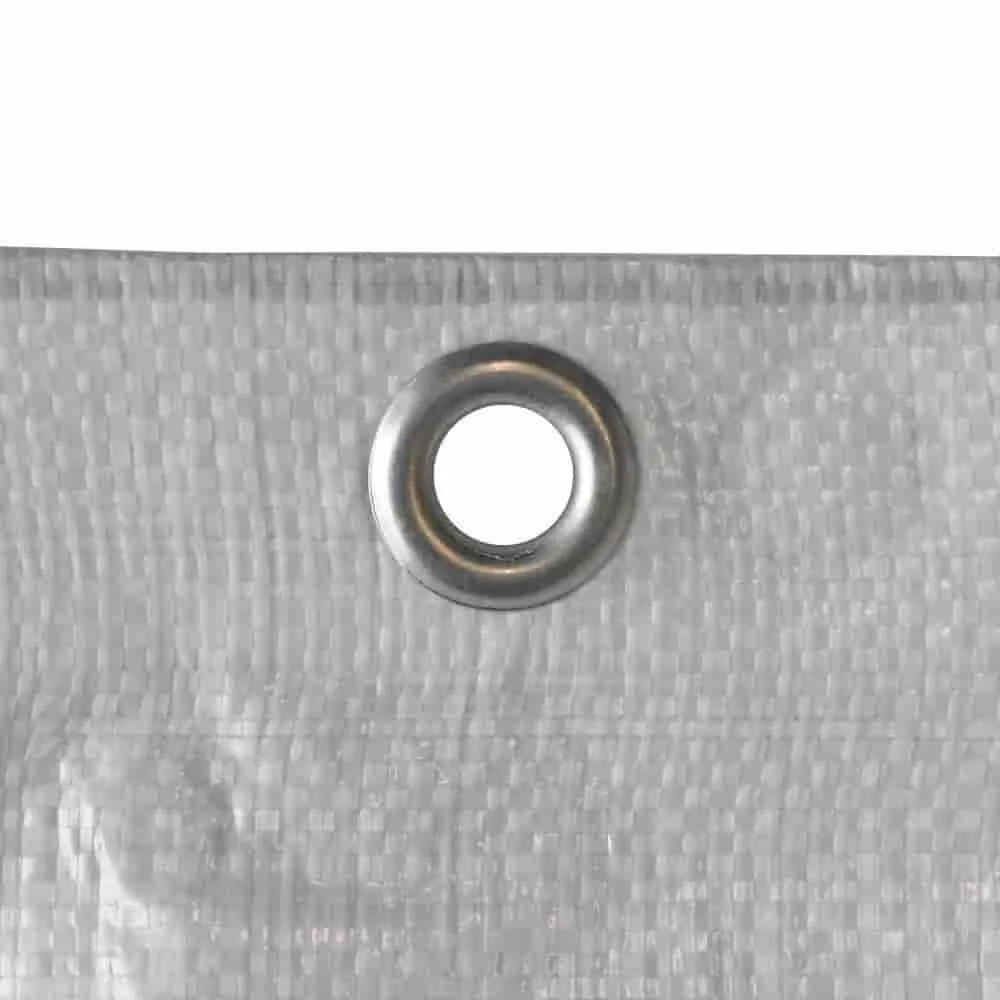
Even the strongest sheeting is useless if the fastening points fail. Look for a reinforced edge and sturdy metal eyelets at regular intervals (usually every 50 to 100 cm). These eyelets are the critical points where the wind load is transferred to the fastening materials.
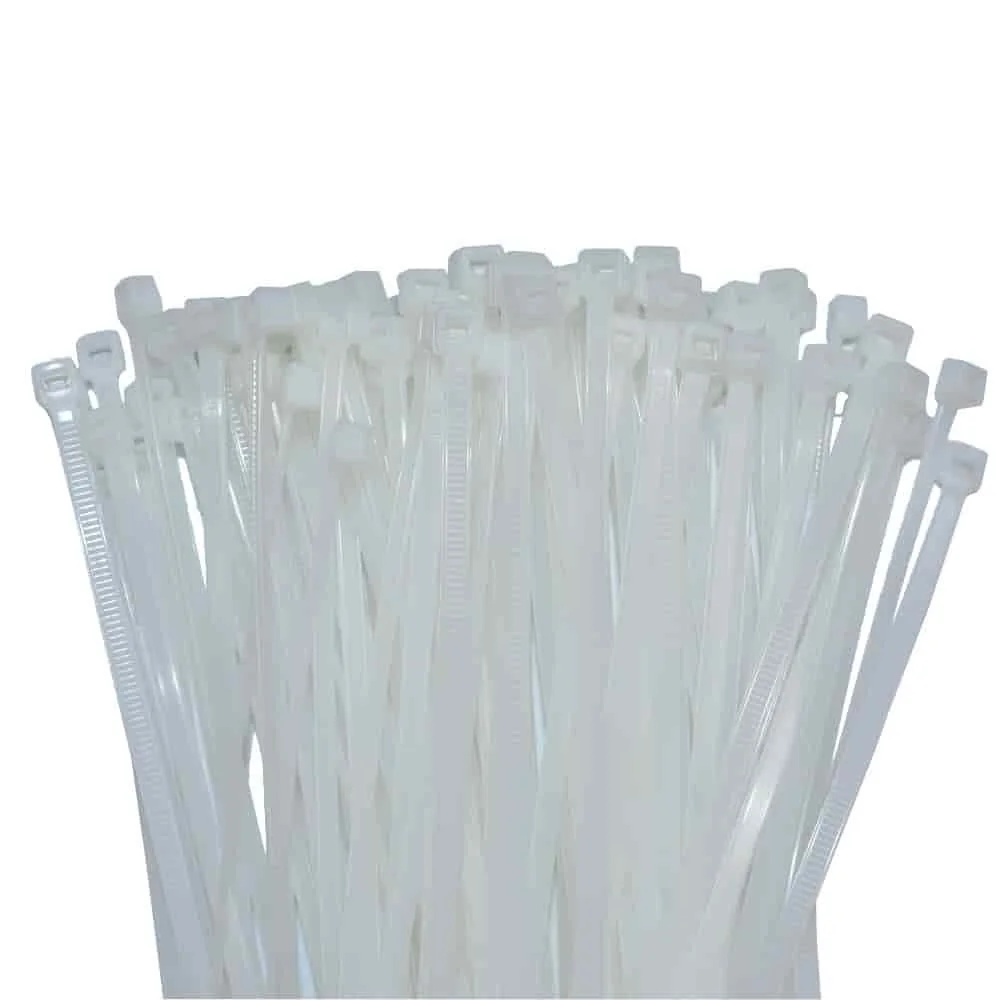
Special tarpaulin tensioners or high-quality cable ties are best suited for fastening. The 100 cable ties 100x2,5mm () are a simple and highly effective solution. They can be fitted quickly, hold securely and can be cut through again if necessary. Always use enough fastening points to distribute the load evenly.
Expert tip
Fasten the sheeting when there is as little wind as possible and always start at an upper corner facing away from the wind. Work from top to bottom and tension the sheeting evenly to prevent folds and ‘pockets’ where the wind can get trapped.
How do I install scaffold sheeting safely and effectively?
Correct installation is crucial for the safety and performance of scaffold sheeting. Poorly secured sheeting can become a hazard in windy conditions and will not provide optimum protection. Allow enough time for this step.
- Preparation: Lay the sheeting out on the ground and check it for any damage. Make sure you have enough cable ties or tensioners ready to hand. Check the weather forecast; postpone installation in strong winds or if a storm is approaching.
- Set the starting point: Always begin at the highest scaffold level. First secure the sheeting at the upper corners. Work in pairs so that you can handle the large surface area.
- Work from top to bottom: Secure the sheeting along the top scaffold tube, using every eyelet. Then slowly work down the sides. Keep tensioning the sheeting, but do not use excessive force.
- Secure overlaps: If you are using several lengths of sheeting, ensure an overlap of at least 20-30 cm. Fasten both layers together to the scaffold poles to prevent the wind from getting between them.
- Final check: At the end, walk around the entire scaffold and check that the sheeting is properly positioned. All fastening points must be secure, and the sheeting should not hang loose anywhere.
Important note
In the event of an official storm warning, scaffold sheeting may need to be partially or completely removed. Its large surface area significantly increases the wind load on the scaffolding and can compromise its stability. Follow the regulations and the instructions provided by the scaffolding contractor.
What other uses are there for scaffold sheeting?
Robust scaffold sheeting is a versatile helper that goes far beyond simply using scaffold sheeting. Its durability and size make it a valuable tool for many tasks around the home, farm and garden.
- Temporary roof covering: If a roof is leaking or during roofing work, large scaffold sheeting can serve as an emergency roof and protect the inside of the building from rain.
- Covering materials: Protect piles of sand, cement bags, timber or other sensitive construction tools and materials from moisture.
- Privacy and wind protection: Attach the sheeting to a fence or between posts to create a temporary privacy screen or an effective windbreak for your patio or an outdoor work area.
- Covering vehicles and trailers: Use the sheeting to protect your car, boat or trailer from the weather over winter.
- Underlay for renovation work: When laid out indoors, it protects the floor from paint, dirt and scratches.
Unlike finer protective nets, which are primarily used to protect people and catch small items, sheeting provides full-surface protection from the weather and dirt. Its versatility makes it an essential part of any well-equipped workshop.
Frequently asked questions
- What thickness (g/m²) should good scaffold sheeting be?
- For reliable repeated use, scaffold sheeting weighing 150 g/m² is ideal. This thickness offers an excellent compromise between tear resistance and flexibility. Lighter sheeting is suitable for short-term protection, while heavier models are designed for extremely demanding conditions.
- Can I also use scaffold sheeting as privacy screening?
- Yes, absolutely. Most scaffold sheeting, particularly white or opaque versions, provides excellent privacy screening. It shields the construction site from prying eyes and creates a uniform, professional appearance throughout the construction phase. This also improves security against theft.
- How do I secure scaffold sheeting in strong winds?
- Secure fastening is essential in strong winds. Use every eyelet in the sheeting and robust cable ties or special tarpaulin tensioners. The sheeting must be pulled taut to prevent “sailing” and flapping, which increase the wind load and can damage the material.
- Does scaffold sheeting also protect against frost in winter?
- Yes, scaffold sheeting creates a buffer zone between the cold outside air and the façade. This slows the wall’s cooling and protects fresh render or paint from frost damage. Combined with a construction heater, you can continue working even in sub-zero temperatures.
- How long does scaffold sheeting last?
- The lifespan depends on the material quality (g/m²), UV stabilisation and level of use. With proper use and storage, high-quality 150 g/m² sheeting can last for several years and construction projects. Cheaper, thinner sheeting is often designed for one-time use only.
You may also be interested in
- Buy scaffold sheeting: Find the right size & thickness
- Extend the lifespan of scaffold sheeting: Care, cleaning and storage
- Secure scaffold sheeting properly: Avoid common mistakes
- Tarpaulin test & comparison 2026
- Pond cover: Grille, net or sheeting for your pond?
- When ground anchors are indispensable: Your seasonal guide to a secure hold