
Kurz erklärt: Ein Schattengarten bietet eine eigene, faszinierende Welt. Statt auf pralle Sonne setzen Sie hier auf Pflanzen, die mit wenig Licht zurechtkommen. Dazu zählen Elfenblumen, Funkien und Farne. Die Gestaltung lebt von kontrastreichen Blattformen, strukturgebenden Elementen und einer bewussten Farbwahl in Weiß, Blau und Violett.
Wie gestalte ich einen lebendigen Schattengarten?
Viele Gartenbesitzer sehen schattige Ecken als Problem. Dabei bieten sie einzigartige Chancen. Hier herrscht ein kühles, feuchtes Mikroklima. Das schätzen viele Pflanzen, die in der prallen Sonne verbrennen würden.
Die Gestaltung folgt anderen Regeln als im sonnigen Beet. Nicht intensive Blütenfarben stehen im Vordergrund. Stattdessen spielen Blattformen, Strukturen und dezente Farbtöne die Hauptrolle. Ein Schattengarten wirkt ruhig und natürlich.
Sie beginnen mit einer Bestandsaufnahme. Wie viele Stunden Sonne erreichen den Bereich wirklich? Ist es lichter Schatten unter einer Krone oder tiefer Schatten an der Nordseite des Hauses? Diese Frage entscheidet über Ihre Pflanzenwahl.
Profi-Tipp
Beobachten Sie den Lauf der Sonne über einen ganzen Tag. Notieren Sie die Zeiten, in denen Licht auf die Fläche fällt. Selbst eine Stunde Morgen- oder Abendsonne erweitert Ihre Auswahl an Pflanzen erheblich.
Den richtigen Boden vorbereiten
Schattenbereiche liegen oft unter Bäumen oder nahe Gebäuden. Der Boden kann trocken durch Wurzelkonkurrenz oder verdichtet sein. Eine gute Vorbereitung ist entscheidend.
Lockern Sie den Boden tiefgründig mit einer Grabegabel. Arbeiten Sie reifen Kompost oder Laubhumus ein. Das verbessert die Struktur, speichert Feuchtigkeit und liefert Nährstoffe. Vermeiden Sie mineralische, schnell wirkende Dünger.
Eine Schicht Rindenmulch oder gehäckselter Laub nach der Pflanzung hält den Boden feucht und unterdrückt Unkraut. Im Garten + Pflanzenzubehör-Bereich finden Sie praktische Werkzeuge für diese Arbeit.
Welche Pflanzen eignen sich für den Schatten?
Die Auswahl an Schattenpflanzen ist groß. Sie unterteilen sie in Gruppen für lichten Halbschatten und für den vollen Schatten. Achten Sie auch auf die Blütezeit, um über Monate Attraktivität zu schaffen.
Für absonnige bis halbschattige Lagen eignen sich Prachtspieren (Astilben), Tränendes Herz (Dicentra) und Wald-Geißbart. Sie vertragen Morgen- oder Abendsonne gut. Im tiefen Schatten glänzen Blattschmuckstauden.
Funkien (Hosta) bieten unzählige Blattfarben und -formen. Kombinieren Sie sie mit den filigranen Wedeln von Farnen wie dem Frauenfarn oder dem Hirschzungenfarn. Diese Duos sind unschlagbar.
Im Schattengarten sind die Nuancen entscheidend. Das Spiel von Licht und Schatten auf unterschiedlichen Blattoberflächen – glänzend, matt, behaart – schafft mehr Tiefe und Dramatik als jede grelle Sommerblume.
Vergessen Sie nicht die Gehölze. Rhododendron, Hortensien und Schneeball fühlen sich im lichten Schatten wohl. Sie geben dem Beet Struktur und Höhe. Immergrüne wie die Eibe oder Kirschlorbeer sorgen auch im Winter für Grün.
Für blühende Akzente in dunkleren Ecken pflanzen Sie Elfenblumen (Epimedium), Lungenkraut (Pulmonaria) oder das Kleine Immergrün (Vinca minor). Sie sind robust und breiten sich langsam aus.
Wichtiger Hinweis
Pflanzen Sie Schattenstauden nicht zu dicht. Gute Luftzirkulation beugt Pilzkrankheiten wie Mehltau vor. Halten Sie sich an die empfohlenen Pflanzabstände. Die Pflanzen brauchen Raum, um ihre charakteristische Form zu entwickeln.
Farbe in den Schatten bringen
Weiß, Hellgelb, zartes Rosa und Violett sind die Schlüsselfarben. Sie wirken im Halbdunkel wie Lichtflecken. Weiße Blüten der Schaumblüte (Tiarella) oder weiße Astilben hellen jeden Winkel auf.
Blau und Violett wirken geheimnisvoll und tief. Stauden wie Akelei, Wald-Vergissmeinnicht oder Purpurglöckchen (Heuchera) in dunklen Tönen setzen reizvolle Akzente. Heuchera bieten zusätzlich fantastisches Laub in Bronze, Purpur oder Silber.
Mit einer
, einer mehrjährigen Blumensamen-Prachtmischung für absonnige Lagen, können Sie kostengünstig experimentieren. Säen Sie die Mischung in Töpfe oder vorbereitete Beetflächen. Mehr Inspiration für Blütenpracht finden Sie in der Kategorie Blumen + Mischungen.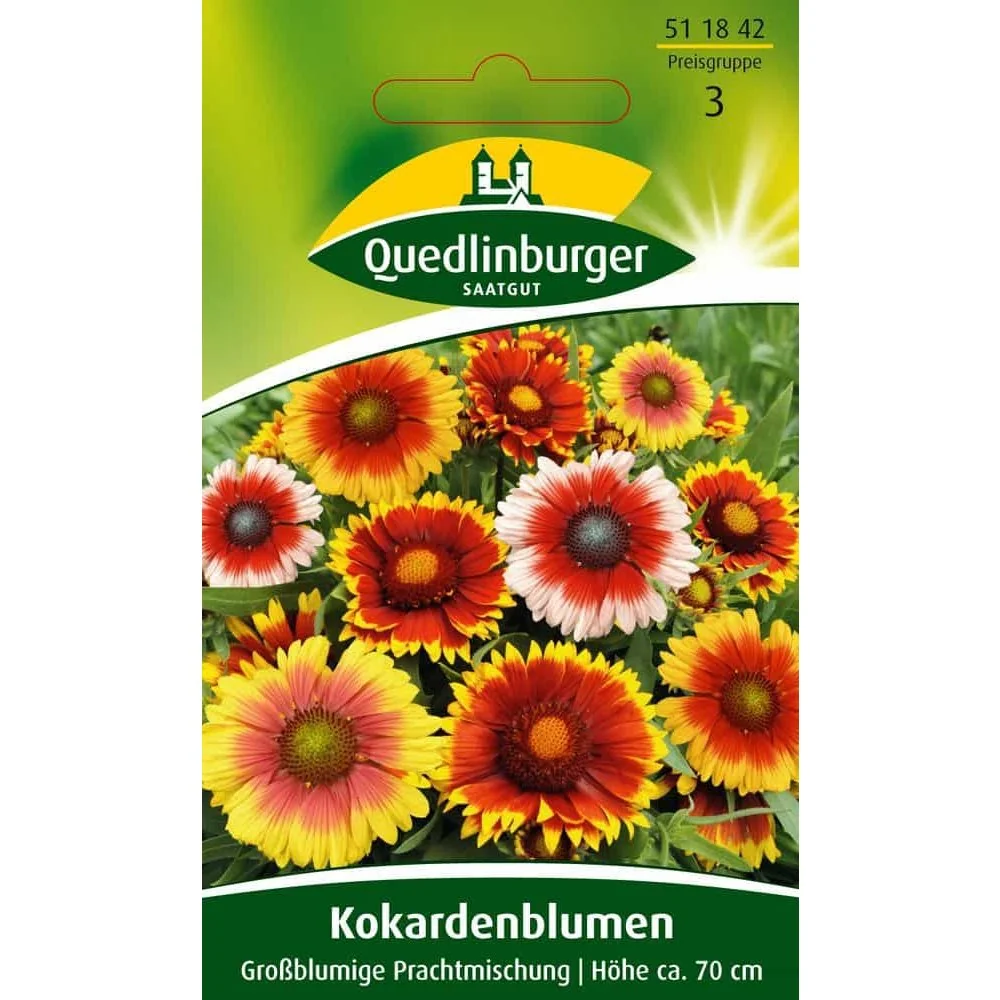
Wie plane ich ein Schattenbeet strukturiert?
Ein gelungenes Beet hat eine klare Struktur. Im Schatten ist diese umso wichtiger, da der Blick nicht von grellen Farben geführt wird. Planen Sie mit Höhen, Texturen und Jahreszeiten.
Setzen Sie höhere Solitärstauden oder kleine Gehölze als Leitpflanzen in den Hintergrund oder Mittelpunkt. Davor staffeln Sie mittelhohe und bodendeckende Arten. So entsteht Tiefe.
Spielen Sie mit Kontrasten. Kombinieren Sie großblättrige, robuste Funkien mit zarten, fein gefiederten Farnen. Setzen Sie glänzende Blätter neben matte, behaarte. Diese Texturen wirken bei jedem Licht.
Zusätzlicher Rat
Zeichnen Sie einen groben Plan. Notieren Sie die Wuchshöhe und Blütezeit Ihrer Wunschpflanzen. So vermeiden Sie Lücken im Beet und stellen sicher, dass zu jeder Jahreszeit etwas Interessantes zu sehen ist – sei es Blüte, Frucht oder Herbstfärbung.
Denken Sie an den Winter. Immergrüne Farne wie der Tüpfelfarn, Gräser wie die Segge (Carex) oder die Samenstände von Stauden wie der Silberkerze bringen Struktur in die kalte Jahreszeit. Lassen Sie verblühte Stängel ruhig stehen.
Für den Beetrand eignen sich niedrige, teppichbildende Arten wie das Kleine Immergrün, Ysander (Pachysandra) oder Golderdbeere (Waldsteinia). Sie bilden einen schönen, sauberen Abschluss und unterdrücken Unkraut.
Pflegeleicht und naturnah
Ein gut geplantes Schattenbeet ist pflegeleicht. Gießen Sie in trockenen Phasen, vor allem im ersten Jahr und unter Bäumen. Eine Mulchschicht reduziert den Aufwand erheblich.
Düngen Sie maßvoll im Frühjahr mit Kompost oder einem organischen Langzeitdünger aus der Kategorie Pflanzendünger & Blumendünger. Schneiden Sie Verblühtes im Frühherbst oder erst im Frühling zurück, je nach Pflanze.
Schattengärten sind oft natürlicher Lebensraum. Sie bieten Nistplätze und Nahrung für Vögel und Insekten. Lassen Sie etwas Laub liegen. Es dient als Winterquartier und wird zu wertvollem Humus.
Die größte Herausforderung im Schattengarten ist die Geduld. Die Pflanzen wachsen oft langsamer, aber nachhaltiger. Geben Sie dem Beet drei Jahre Zeit, bis es sich vollständig eingewachsen hat und sein volles Potenzial entfaltet.
Was sind kreative Gestaltungsideen für Schatten?
Neben dem klassischen Beet gibt es viele Möglichkeiten. Begrünen Sie schattige Mauern oder Zäune mit Kletterpflanzen. Efeu ist extrem robust. Die Kletter-Hortensie (Hydrangea petiolaris) bezaubert mit weißen Blütendolden und schöner Herbstfärbung.
Gestalten Sie einen Moosgarten in feuchten, sauren Bereichen. Moose schaffen einen zeitlosen, meditativen Look. Kombinieren Sie sie mit schattenliebenden Zwergkoniferen und Findlingen.
Setzen Sie Akzente mit Dekoration. Ein großer, moosbewachsener Stein, eine schlichte Bank aus Holz oder eine schmiedeeiserne Laterne lenken den Blick und werden zum Highlight. Für solche Accessoires lohnt ein Blick in den großen Shop-Bereich.
Wasser liebt den Schatten. Ein kleines, stilles Wasserbecken oder ein minimalistischer Brunnenstein reflektiert das spärliche Licht und bringt Bewegung in die Szenerie. Libellen und andere Insekten werden es schnell annehmen.
Schatten auf Balkon und Terrasse
Auch im Kübel gedeihen Schattenpflanzen prächtig. Wählen Sie ausreichend große Gefäße mit gutem Wasserabzug. Eine Drainageschicht aus Blähton ist Pflicht.
Bepflanzen Sie Kästen mit Elfenblume, Purpurglöckchen und niedrigen Farnen. Höhere Kübel bepflanzen Sie mit Hortensien, Rhododendron oder der eleganten Schattenglöckchen (Pieris). Vergessen Sie nicht das regelmäßige Gießen und eine schwache Düngergabe während der Saison.
Schützen Sie Ihre Pflanzen auch im Schatten vor Schädlingen. Informationen und Produkte zum schonenden Pflanzenschutz finden Sie in unserem Sortiment.
Von der Planung zur blühenden Praxis
Starten Sie klein. Legen Sie ein Testbeet an und sammeln Sie Erfahrungen. Welche Pflanzen gedeihen bei Ihnen besonders gut? Welche Kombinationen gefallen Ihnen?
Besuchen Sie Gärten mit Schattenbereichen oder Staudengärtnereien. Dort sehen Sie die Pflanzen in voller Größe und können Inspiration sammeln. Notieren Sie Namen, die Ihnen gefallen.
Ein Schattengarten ist nie statisch. Bäume wachsen, Lichtverhältnisse ändern sich. Seien Sie flexibel und passen Sie die Bepflanzung gelegentlich an. Teilen Sie zu groß gewordene Stauden und verpflanzen Sie sie.
Genießen Sie die besondere Atmosphäre. Ein Schattengarten lädt zur Entspannung ein. Er ist ein kühler Rückzugsort an heißen Tagen und ein Ort der ständigen, subtilen Entdeckung. Ihre Mühe wird mit einer einzigartigen, blühenden Pracht belohnt – ganz ohne pralle Sonne.
Häufige Fragen
- Welche Pflanzen blühen auch im tiefen Schatten?
- Im tiefen Schatten gedeihen vor allem Pflanzen mit dekorativem Laub wie Funkien oder Farne. Für Blüten setzen Sie auf Wald-Storchschnabel, Elfenblume oder das Kleine Immergrün. Diese Stauden kommen mit sehr wenig direktem Sonnenlicht aus und bringen Farbe in dunkle Ecken.
- Wie gestalte ich ein Schattenbeet ansprechend?
- Ein ansprechendes Schattenbeet lebt von Kontrasten. Kombinieren Sie großblättrige Funkien mit feingliedrigen Farnen. Setzen Sie helle Akzente mit weiß blühenden Pflanzen wie Astilben. Wichtig sind auch verschiedene Höhen und Texturen, um Spannung zu erzeugen, selbst ohne intensive Farben.
- Brauchen Schattenpflanzen besonderen Dünger?
- Schattenpflanzen benötigen meist weniger Nährstoffe als Sonnenpflanzen. Verwenden Sie einen organischen, ausgewogenen Dünger im Frühjahr. Überdüngen Sie nicht, da dies zu weichem, anfälligem Wachstum führen kann. Im Pflanzendünger & Blumendünger-Sortiment finden Sie geeignete Produkte.
- Kann ich unter Bäumen einen Schattengarten anlegen?
- Ja, das ist ideal. Wählen Sie robuste, trockenheitsverträgliche Arten wie Lungenkraut oder Balkan-Storchschnabel. Lockern Sie den Boden tiefgründig auf und arbeiten Sie Kompost ein, um die Konkurrenz durch Baumwurzeln auszugleichen. Eine Mulchschicht hält die Feuchtigkeit.
- Welche Fehler sollte ich bei der Gartenplanung im Schatten vermeiden?
- Der größte Fehler ist, falsche, sonnenhungrige Pflanzen zu wählen. Vermeiden Sie zu dichte Pflanzungen. Lassen Sie Luft zwischen den Pflanzen, um Pilzkrankheiten vorzubeugen. Unterschätzen Sie nicht die Wirkung von Blattstrukturen – sie sind im Schatten oft wichtiger als Blüten.
Das könnte Sie auch interessieren
- Pflanzen für Halbschatten: Den Garten optimal nutzen
- Gartenecke gestalten: Ideen für schattige Nischen
- Garten für Artenvielfalt: Insekten und Blütenpracht fördern
- Hängeampeln für den Schatten bepflanzen
- Schmale Gärten gestalten: 6 Prinzipien für kluge Planung
- Lauschige Plätze im Garten gestalten: Ruheoasen schaffen