
In brief: A good screwdriver has a precise fit, high-quality materials and an ergonomic handle. A general-purpose set is usually enough for home use, while professionals may need specialist tools for different screw heads. Store your tools safely and care for them regularly to extend their service life. This comparison will help you choose the right screwdriver.
A reliable screwdriver is a staple of every toolbox. Whether you're tackling a quick household repair or a demanding DIY project, the right tool makes all the difference. Our 2026 comparison will help you find the right screwdriver for your needs. We look at materials, handles and specialist designs.
Table of contents
What types of screwdrivers are available?
There are many types of screwdrivers. The right one depends largely on the screw and the job.
Standard screwdrivers
This category includes slotted and Phillips screwdrivers, found in almost every household. Quality can vary considerably. Look for a precisely shaped tip that fits the screw head snugly. This helps prevent slipping and damage to the screw.
Bit sets and socket systems
Modular systems with interchangeable bits are highly versatile. With one handle and a range of bits, you have a complete set of screwdrivers at your fingertips. The most common drive size is 1/4 inch, which is suitable for most household and hobby workshop tasks.
Specialty screwdrivers for demanding jobs
For special screw heads such as hex socket (Allen), Torx or security Torx, you'll need the right specialty tools. They fit precisely and help protect the screw. A hand tool set with these profiles is a worthwhile investment.
Tip: Magnetic-tip bits are often useful when assembling furniture or working on electrical appliances. They hold screws securely, making them easier to position in tight or hard-to-see spaces.
What should you look for when buying a screwdriver?
Not every screwdriver is right for every job. Keep these criteria in mind when choosing one.
Blade material and hardness
The blade is the heart of the tool. High-quality chrome vanadium steel (CrV) combines excellent hardness with good toughness. It's less likely to break and resists corrosion. Lower-quality tool steel is often softer, wears down faster and can break.
Handle and ergonomics
The handle affects how comfortable the screwdriver is to use. It should fit comfortably in your hand without causing pressure, even when you grip it firmly. Soft plastic or rubber can provide a secure, nonslip grip. Choose an ergonomic shape to reduce strain on your wrists.
Fit and precision
The tip should match the screw head precisely. A poor fit can cause slipping, damage the screw head and lead to injuries. With a bit system, a quality holder is essential for a secure fit without wobble.

Warning: Never use a screwdriver as a chisel, lever or pry bar. The blade isn't designed to withstand impacts or levering forces. It could break and cause serious injury. Always use the right tool for the job.
Screwdriver comparison
The table below gives you a quick overview of selected screwdriver sets we've reviewed, so you can compare their features.
Here are the top-rated screwdrivers in our range:
| Model | Customer rating | Availability |
|---|---|---|
| 7-piece internal wedge screw extractor set (left-hand extractors) 🏆 Top pick | ★ 4,9 (18) | In stock |
| "XXL Master-Wrench-Set" | – | Currently unavailable |
| 1/4" screwdriver set (39-piece) | – | Currently unavailable |
| 1/4" socket set 4 - 13 mm, 12-piece | – | Currently unavailable |
| 11-piece hex screwdriver set - chrome vanadium steel | – | Currently unavailable |
A standout option is the
. This internal wedge screw extractor set is an essential tool for anyone who has ever needed to remove a broken screw. Its seven pieces handle a range of sizes.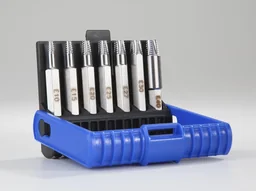
For working with hex socket screws, the
is an excellent choice. The 11-piece chrome vanadium steel set covers the most common sizes and offers durability and a precise fit.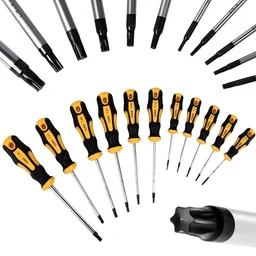
For specialized jobs, the
is a great choice. This 12-piece specialty screwdriver set is ideal for electronics, precision work or bicycles, where you may encounter less common screw profiles.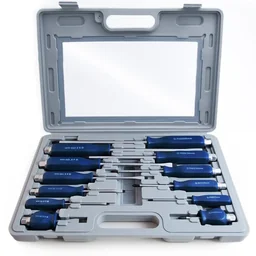
A useful alternative for specific assembly jobs is the
. The 12-piece through-handle screwdrivers let you apply force from either end, which can help with rusty or overtightened screws.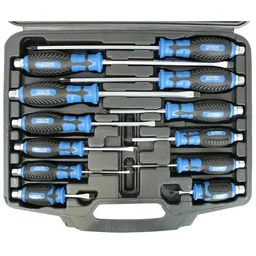
Practical tips
Using the right technique protects your tools and materials and helps you work safely.
The right technique for driving screws
Position the screwdriver vertically on the screw head and apply pressure. Turn it steadily and evenly. Avoid holding it at an angle, as this can damage the tip and screw head. For tight screws, short, controlled turns are often more effective than applying constant pressure.
How to loosen stuck screws
Rust remover or penetrating oil can work wonders. Let it soak in for a few minutes, then tap the screw head gently to loosen the rust. Try tightening the screw slightly before loosening it; this can free the threads.
Safety first
Always use insulated screwdrivers when working on live electrical equipment. Make sure your hands and the handle are clean and dry. Avoid working overhead if loose parts could fall.
Note: Product availability may vary. Check current stock on our website. The statements here are based on general product features and practical experience.
Care and storage
Well-maintained tools last longer and work more reliably.
- Cleaning: Wipe the blades and handles with a dry cloth after each use. Remove grease, oil and dirt to prevent buildup.
- Store in a dry place: Keep your screwdrivers somewhere dry. Moisture can cause rust, especially on the blades.
- Keep things organised: Use a toolbox, magnetic strip or storage set. Clutter can damage tips and waste time when you’re looking for the right tool.
- Check the tips: Regularly check the tips for wear and damage. Replace worn or damaged tips promptly to help prevent accidents.
Conclusion: Choosing the right screwdriver for you
The best screwdriver depends on the projects you have in mind. For occasional DIY jobs, a universal bit set with a 1/4" drive is often the most versatile and space-saving option.
Tradespeople and professionals who regularly work with specialty screws should invest in high-quality individual tools or specialist sets, such as Torx or hex sets. Their precise fit and durability pay off over time.
Don’t forget an emergency tool: A set of screw extractors such as the can be invaluable when a screw is badly damaged. In the long run, investing in quality is worthwhile. A good screwdriver can last for decades and make every job easier and safer.
Frequently asked questions
- What is the best material for screwdrivers?
- Chrome vanadium steel (CrV) offers a good balance of hardness, toughness and corrosion resistance. It is the standard material for high-quality screwdrivers. Special steel options are also available for demanding applications, although they can be more brittle.
- What does a 1/4" drive size mean?
- The 1/4-inch size (approx. 6.35 mm) refers to the square drive on a socket system. It is the smallest and most common size for hand-operated sockets and screwdriver bits, and is ideal for small to medium-sized screws.
- When do I need an internal wedge screw extractor?
- Use this specialist tool when a screw head is rounded off or damaged. The left-hand extractor bites into the remaining metal so you can remove the screw. It can be a lifesaver and is a useful addition to any emergency tool kit.
- Are screwdriver sets better than individual tools?
- A set is a good choice for most users. It gives you a range of bits or screwdrivers for different types of screws, saving money over time and preparing you for a variety of jobs. For intensive professional use, carefully selected individual tools may be a better option.
- How should I care for my screwdrivers?
- Clean the blades after use to remove dirt and grease. Store them in a dry place to prevent rust. If they have magnetic tips, check the magnetic strength occasionally. Replace damaged or worn tips promptly.