
In brief: A good bench vise has a sturdy construction, smooth, precise jaws and plenty of clamping force. In our test, models with forged or steel spindles and solid bodies performed best. Portable bench vises are ideal for DIY projects, while professionals should choose machine vises. The right choice depends largely on the workpieces you handle and how you plan to use the vise.
A bench vise is essential in any workshop. It holds workpieces securely and precisely while you saw, file or drill. Our 2026 test and comparison shows which models stand out for durability, clamping force and ease of use. We looked at portable vises for flexible use as well as professional machine vises.
Table of contents
What types of bench vises are available?
Not every bench vise is right for every job. Its design largely determines how you can use it.
The classic parallel bench vise
With this type of vise, the jaws always move parallel to each other, distributing pressure evenly across the workpiece. Most models for home workshops fall into this category. They are sturdy and versatile.
Machine vises for maximum precision
These models are designed to be mounted permanently on workbenches or machines such as milling machines. They have extremely stable, play-free guides, making them highly resistant to twisting under load. One example is the drill stand and machine vise set, which we tested as a
. It combines precise clamping with a stable drilling aid.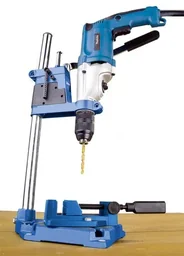
Portable and mobile vises
These vises are all about flexibility. You can quickly set them up in different locations, such as on a jobsite or at a temporary workstation. Our test winner in this category is the
. Its design provides a secure grip even without a permanent workbench.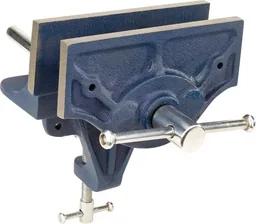
Tip: Think about whether you have a permanent workstation. If you don't, a portable bench vise may be a better fit. It gives you plenty of flexibility with only a small trade-off in stability.
What should you look for when buying a bench vise?
We based our assessment on several practical tests. These features matter most.
Clamping force and stability
Clamping force is measured in kilonewtons (kN). It indicates how much force the vise applies to hold a workpiece. Heavy metalworking requires significantly more force than woodworking. But clamping force alone is not enough: a rigid body keeps the vise from spreading under load and losing its grip.
Material and workmanship
High-quality bench vises are made from forged steel or cast steel. The spindle, the heart of the vise, should be made from hardened steel. Look for clean edges, precisely milled guides and a durable coating to protect against corrosion. Low-quality cast parts are more likely to break.
Jaws and jaw opening
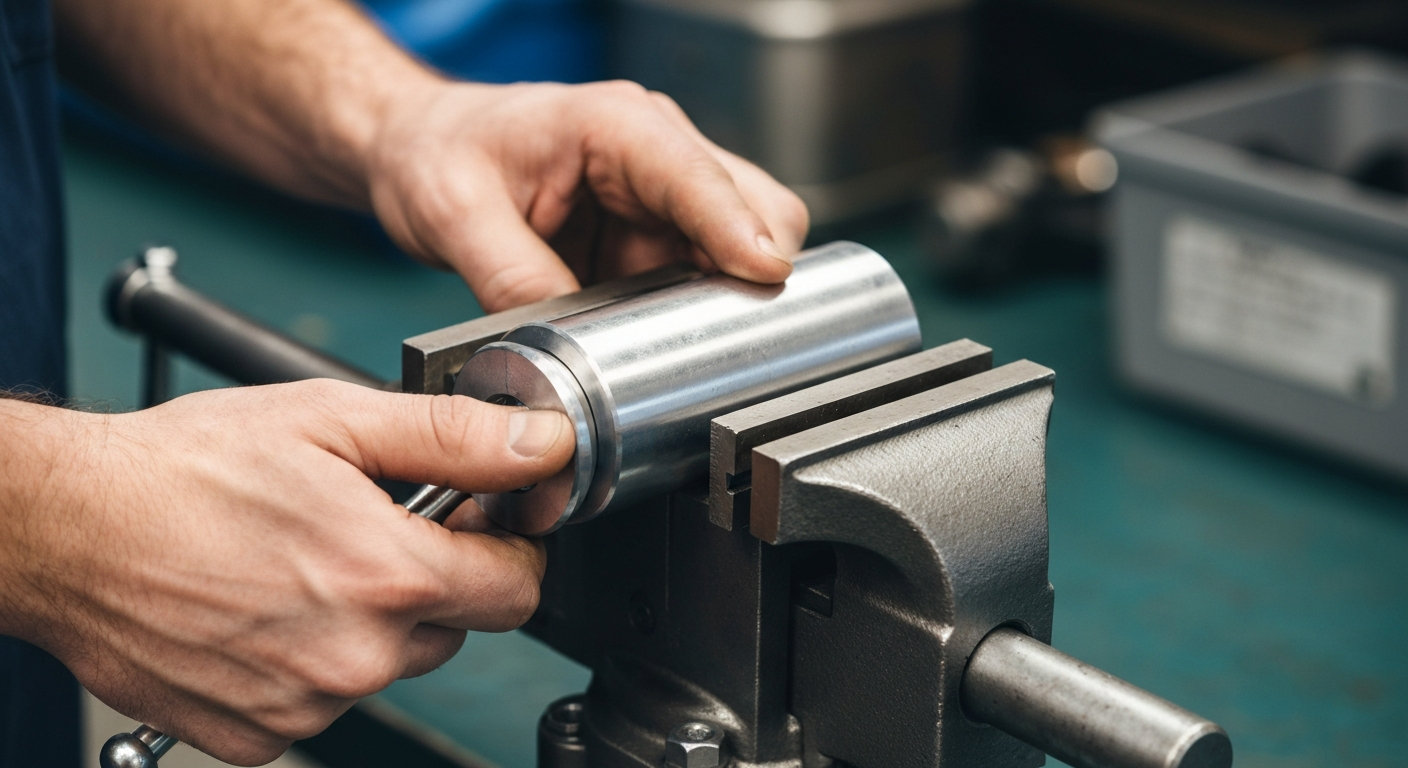
Jaw width determines the maximum size of workpiece the vise can hold. Common sizes range from 100 to 200 mm. The jaws should be replaceable, so you can swap them out when they wear or fit specialty jaws. We'll cover those next.
Best bench vises of 2026 compared
Here’s a side-by-side comparison of the top models we tested. Use the table to see how they differ at a glance.
Our highest-rated bench vises, compared:
| Model | Customer rating | Availability |
|---|---|---|
| Portable bench vise 🏆 Test winner | ★ 4,7 (20) | In stock |
| Drill stand and machine vise set | ★ 4,7 (11) | In stock |
| 100 mm aluminum magnetic vise jaws | – | Currently unavailable |
| 125 mm aluminum magnetic vise jaws | – | Currently unavailable |
| 150 mm aluminum magnetic vise jaws | – | Currently unavailable |
Warning: Always secure a heavy bench vise firmly to a stable workbench. An unstable setup is the most common cause of accidents. The vise’s weight alone does not guarantee a secure mount.
Jaws and accessories: More flexibility
Standard steel jaws can damage workpieces. Check out our tools for specialty accessories.
Protective aluminum jaws
Jaws made from softer aluminum protect delicate surfaces. They help prevent scratches on painted wood or polished metal. We tested the
(100 mm). They feature an integrated magnet that makes them easier to change and keeps them from slipping.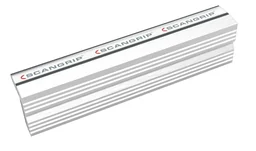
Prism jaws for round workpieces
Prism jaws are ideal for pipes, rods, and round stock. Their V-shaped grooves hold round workpieces securely and keep them from turning. The
(100 mm aluminum magnetic prism jaws) and the larger counterpart, the (125 mm), impressed us in our test.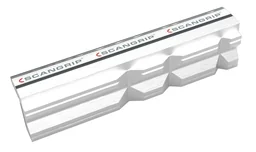

Custom jaws
You can also make your own jaws from wood or plastic to hold uniquely shaped workpieces securely. Make sure your homemade jaws fit evenly against the workpiece.
Proper installation and maintenance
A vise is a long-term investment. With proper care, it can last for decades.
Securely mounting your vise to the workbench
Mounting height is crucial. Position the vise so that when you hold your upper arm against your body, your elbow rests at a right angle on the top edge of the jaws. This helps you work ergonomically and with less effort. Use heavy-duty bolts and washers.
Maintenance and cleaning
Metal chips and dirt are the biggest enemies of precision. Clean the guide rails and spindle regularly with a brush. A thin film of light machine oil on the spindle helps prevent corrosion and keeps it moving smoothly. Check that all bolts are tight regularly.
Note: Play in the guide or a binding thread often indicates wear or contamination. Before replacing the vise, give it a thorough cleaning and check its maintenance needs. This often solves the problem.
The best vise for every application
The right choice depends largely on what you plan to do. Here are our recommendations for common situations.
For the serious DIYer
Do you work with wood, plastic, and the occasional piece of metal? A solid bench vise with 125 mm jaw width and medium clamping force is more than enough. A set with different jaws, such as the aluminum jaws mentioned above, adds versatility. Browse our workshop category for useful additions.
For metalworking shops and professionals
Durability and precision are essential here. A machine vise or heavy-duty blacksmith's vise is the right choice. Look for a clamping force well above 30 kN and a solid forged construction. The (drill press stand set) is an excellent foundation for precise drilling.
For flexible use on the jobsite
If you work in different locations, the is ideal. Its portable design lets you set it up quickly on almost any sturdy table or board. Make sure the clamp can accommodate the thickness of your table.
Buying guide: How to choose the right vise
Answer these three questions before making your decision.
1. What type of workpiece do I handle most often?
Smaller jaws offer more precision for small, delicate parts. Large pipes or plates need larger jaws and a wider opening.
2. Where will I do most of my work?
At a fixed workbench or in different locations? This determines whether you need a stationary bench vise or a portable model.
3. What materials do I work with?
Hard metals require maximum force and stability. For wood and delicate materials, protective jaws and sufficient—but not excessive—clamping force are important.
Choose quality. A good vise is an investment that will serve you for many years. The tested models, such as the for flexibility or the set for precision, offer an excellent balance of performance and durability. Complete your setup with the right jaws so you're ready for any task.
Frequently asked questions
- How much clamping force does a bench vise need?
- For light DIY tasks, 10-20 kN is often enough. Professional metalworking requires 30-50 kN or more. The material of your workpieces is the deciding factor. Excessive force can damage delicate parts.
- Are aluminum jaws a good choice?
- Aluminum jaws protect surfaces from scratches but provide less grip. They're well suited to painted or polished workpieces. Steel jaws are more durable for heavy forging work.
- What is a machine vise?
- Machine vises are mounted on workbenches or machines. They provide extremely stable guidance and high precision, making them ideal for milling or drilling. Their fixed position helps prevent twisting.
- Can I maintain a bench vise myself?
- Yes. Regularly clean metal chips from the lead screw and guides. Lightly oiling the moving parts keeps them working smoothly. Check that the mounting screws are tight. If the guide has play, you may need professional assistance.
- What should I look for when buying vise jaws?
- Make sure they fit your vise model exactly. Magnetic jaws are easier to change. V-shaped jaws hold round workpieces securely. The jaw width should suit the size of the workpieces you typically handle.