
In brief: A secure front door needs three components: a sturdy door leaf, robust hinges and, above all, high-quality locks. Choose certified security cylinders in accordance with DIN EN 1303 and locking components with resistance class RC 2 or higher. Professional installation is just as important as the choice of materials. Regularly checking the mechanism keeps your door secure in the long term.
Why your door lock is the most important point
The front door is the weakest point in your home's outer defence. Burglars look for easy targets first. An outdated or weak lock is practically an invitation.
Modern security cylinders and sturdy strike plates can withstand attacks for several minutes. This is often enough time to alert neighbours or trigger an alarm.
You are not just investing in metal. Above all, you are buying time and deterrence.
What types of locks are available?
Choosing the right lock starts with understanding the different types. Not every lock is suitable for every door or security requirement.
The cylinder: the heart of the lock
The security cylinder holds your key. Its quality determines how well it resists drilling, pulling and snapping attacks. Look for certification in accordance with DIN EN 1303.
High-quality models feature an armoured ring made of hardened steel. This ring-shaped insert protects the cylinder body from attacks.
“The cylinder is the first thing an intruder attacks. An armoured cylinder with anti-drill protection triples the time needed to break in.”
The strike plate: invisible strength
The strike plate sits in the door frame and catches the bolt. Cheap plates made of thin steel break during the first levering attack.
Choose steel that is at least 2 mm thick. The plate should be anchored in the masonry with long screws. This distributes the force across the wall.
Pro tip
Check the strike plate on your existing door. Often, replacing this component alone provides a noticeable security improvement. Use square-head screws at least 80 mm long to secure it in the masonry.
Mechanics vs electronics
Mechanical locks are robust and unaffected by the weather. Electronic locks offer convenient features such as fingerprint or code access. However, they require a power supply.
For the main entrance door, experts recommend a mechanical base with a high-quality cylinder. Electronic add-on systems are suitable for secondary entrances.
How to find the right security cylinder
When changing a door lock, choosing the right cylinder is the key consideration. Three specifications are crucial.
First: the length. Measure the old cylinder from the central screw to both ends. Record both measurements separately.
Second: the resistance class. Look for classification RC 2 N or RC 3. RC 2 withstands tool attacks for five minutes.
Important note
Do not buy cylinders without a tested resistance class. Cheap DIY-store models often only give the appearance of security. Invest the difference in a certified product.
Third: the locking system. When replacing the cylinder, you can switch to a euro profile cylinder system. This allows you to use different keys for different doors with the same core.
For your workshop, garage and garden shed, you will find suitable security products in our Garden + Outdoor category.
Step by step: changing the door lock
You need a Phillips screwdriver, a new cylinder and around 30 minutes. Proceed as follows.
- Remove the old cylinder: Close the door. Turn the key to the open position. Loosen the long fixing screw on the edge of the door. Carefully pull out the cylinder.
- Match the new cylinder: Compare its length and diameter exactly with the old model. If they differ, the cylinder will not fit the strike plate.
- Install the new cylinder: Insert the new security cylinder. The central screw must engage exactly with the cylinder's recess. Tighten the screw by hand.
Test the key on both sides. It must turn without force. The door should now lock and unlock easily.
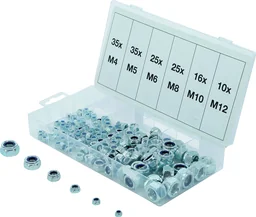
Installation often requires special accessories such as locknuts. Our range for business supplies includes suitable components, such as the
.
“The most common break-in weaknesses are found in the details: strike plate screws that are too short, a multipoint lock that has not engaged or forgotten additional bolts. Careful installation offers better protection than expensive technology.”
When is it worth upgrading a master key system?
You do not only need to upgrade a master key system when building a new property. Existing homes can also benefit from centralised key management.
Do you have a workshop, tool shed and garden shed? A master key system gives you one master key for all doors. If you lose a key, you only need to exclude that key from the system.
This saves money and gives you greater control. Visitors or tradespeople can receive keys with limited validity.
Additional advice
Always plan for future expansion when installing a master key system. Choose a system that can be extended with additional cylinders later. Ask your specialist dealer about the maximum possible number of keys.
Upgrading is a project for a specialist company. Get several quotes. Make sure the system is compatible with your existing doors.
Additional burglary protection around the door
The lock alone is not enough. Strengthen the entire area around the door for comprehensive protection.
A robust front door canopy does more than protect against rain. It makes access to the door more difficult and provides less cover for burglars.
Lighting with a motion sensor acts as a deterrent. Install a lamp that illuminates the entire front of the door when someone approaches. Dark corners invite intruders to linger.
Do not plant tall shrubs directly next to the door. They provide cover for unwanted visitors. Keep the area clear and visible.
For securely storing valuables inside your home, a burglary-resistant safe is a good choice. You can find one in our shop.
Maintenance: how to keep your door secure in the long term
Security is not a one-off task. Regular maintenance keeps your front door working properly.
Check all hinges every six months. They must be firmly attached and operate without play. Oil the moving parts with a light machine oil.
Test the locking mechanism. Close the door and push against it. If it gives way, the strike plate is not positioned correctly.
Check the cylinder for foreign objects. The key should always turn easily and without force. Stiffness indicates dirt or wear.
These measures will protect your home effectively. Correct installation, high-quality materials and regular maintenance make your front door a reliable barrier.
Frequently Asked Questions
- How often should I replace my front door lock?
- Replace your door lock after 10 years at the latest, or immediately if you lose a key. Modern security standards evolve quickly. A check every 2 years helps identify wear and tear. New tenants should always have new locks.
- What is a security cylinder and how can I identify one?
- A security cylinder has special protection mechanisms against drilling, pulling and lock picking. You can identify one by its test mark (e.g. DIN EN 1303) and a resistance class such as RC 2. High-quality cylinders feature a steel armoured ring and complex internal profiles.
- Can I replace a door lock myself?
- Yes, you can replace a standard door lock yourself. You need a set of screwdrivers, the new lock and patience. Measure the old cylinder precisely. For asymmetrical doors or security fittings, it is better to call a professional.
- How much does a secure front door lock with installation cost?
- A high-quality security cylinder costs 60 to 150 euros. Complete locking systems with multipoint locking cost 200 to 500 euros. Professional installation costs 80 to 150 euros. Investing in certifications pays off.
- What are the benefits of a modern master key system?
- Modernising a master key system means convenience and control. You manage all access centrally with a master key. Lost keys can easily be removed from the system. This increases security when staff change or for outbuildings.
You might also be interested in
- Replace a door lock: Step-by-step guide for greater security
- Finding the right door: How to choose front and interior doors
- Buy a lock cylinder set: The guide to size & security
- Improve burglary protection: Greater security with modern cylinders
- Install a front door: Step-by-step guide for DIYers
- Burglary protection for houses and apartments: Effective tips for your security