
In brief: Choosing the right winch depends largely on its pulling capacity, rope type and intended use. In our 2026 test, models with robust construction, reliable safety systems and user-friendly controls stand out. A lightweight winch is often enough for occasional jobs in the garden or on a building site, while professional applications and heavy loads call for powerful models with greater pulling capacity. The best winch for you is the one that suits your specific needs.
A good winch is an indispensable helper in the workshop, garden, on building sites or during off-road adventures. It pulls and moves loads that would be almost impossible to handle with muscle power alone. But with so many models, drive types and pulling capacities available, choosing one can be a challenge. Our 2026 winch test and comparison helps you find your way. We show you which models perform well in practice, what to look for when buying and which features really matter.
What makes a good winch?
You can’t judge a winch’s quality on paper alone. Robust construction, safety and easy operation are essential. A high-quality winch has precisely engineered gears made from hardened steel for efficient power transfer and a long service life. Its housing should be made from sturdy, corrosion-resistant material.
The safety system is the most important factor. A reliable load brake, often an automatic backstop, holds the load securely in any position. A sturdy crank handle with a non-slip grip helps you stay in control, even when applying considerable force. Look for a clear, easy-to-read pulling-capacity scale.
What types of winches are available?
Winches generally fall into three drive types, each suited to different applications.
Hand winches: The classic for portability
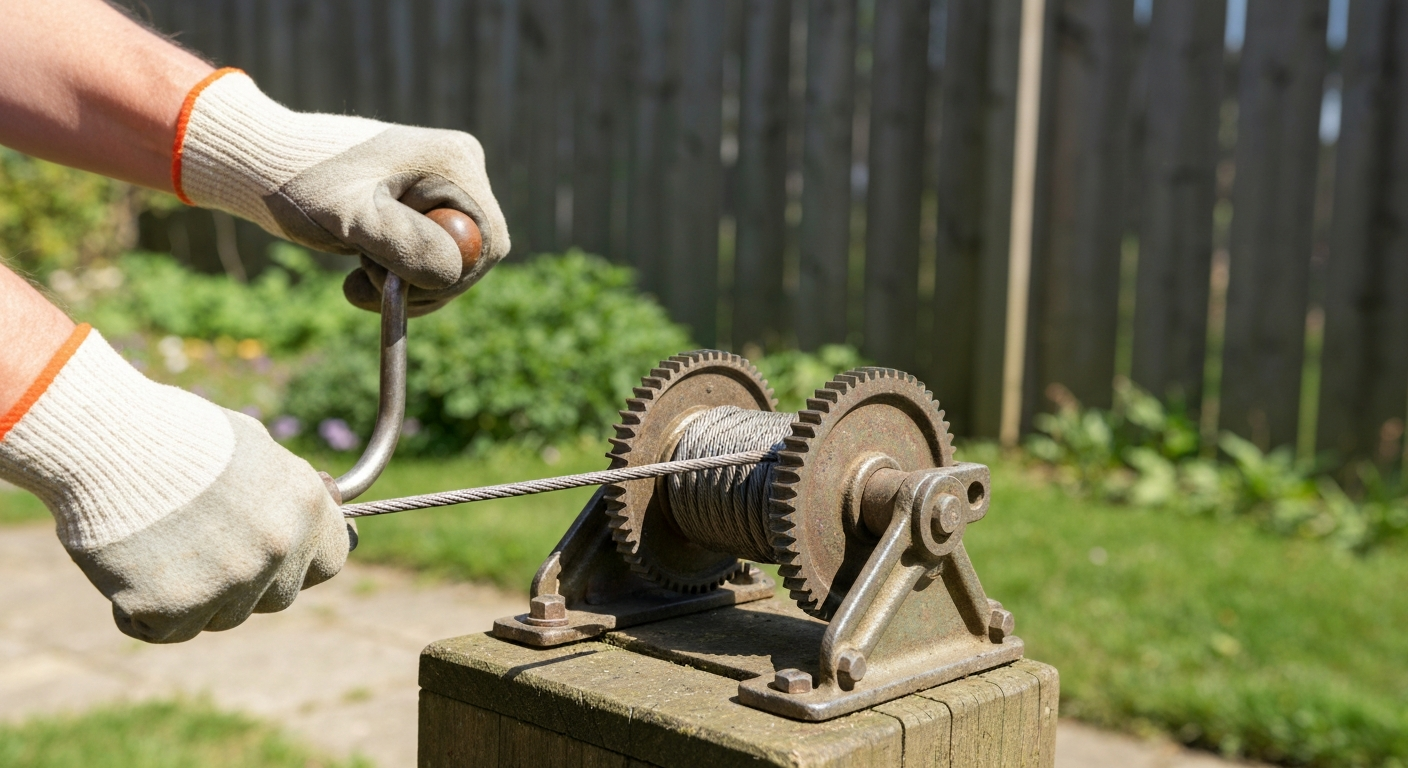
Hand winches are operated manually with a crank. Their main advantage is independence: they need neither electricity nor fuel, so you can use them almost anywhere. Modern models often feature multi-speed gears that reduce the effort required.
They are ideal for occasional jobs such as pulling logs, tensioning fences or recovering lighter vehicles. Maximum pulling capacity is often up to 2.000 kg. Look for an ergonomic crank and a comfortable grip.
Electric winches: Power and convenience
Electric winches make tough jobs easier. Powered by an electric motor (often 12V or 230V), they provide high pulling capacity with minimal effort from the operator. They are a great choice for frequent or especially demanding tasks, such as professional work or challenging off-road driving.
They are usually operated with a wired remote control, letting you keep a safe distance from the load. Key buying considerations include motor power, the length and quality of the power cable, and the speed at which the rope feeds out.
Winches for cars: Off-road workhorses
Designed specifically for off-road vehicles, these winches help free vehicles from difficult terrain. They offer extremely high pulling capacities (often 4.000 kg or more) and are built for rugged use. Waterproof and dustproof construction is standard.
They are permanently mounted on a dedicated mounting bar or bumper. Along with high pulling capacity, a long, robust steel cable is essential. Many models feature a free-spool function for quickly pulling out the cable.
Buying guide: How to find the right winch
Before choosing a model, consider these four points.
Intended use and required pulling capacity
Ask yourself: What do I want to move, and under what conditions? Start by estimating the weight of the load you’ll typically handle. Always add a safety margin of 50-100%, as slopes, friction and unfavorable angles increase the force required.
For light garden work or securing loads, 500-1.000 kg is often enough. For pulling logs or lighter vehicles, choose 1.500-2.500 kg. Heavy off-road recovery work requires 4.000 kg or more.
Choosing the right rope
The rope connects the winch to the load. The main options are steel cable and synthetic rope. Steel cables are extremely robust and resistant to sharp edges, but they are heavier and can fray. Synthetic ropes (e.g. made from Dyneema) are lighter, float on water and are safer if they break because they do not create dangerous snapback. However, they are more vulnerable to sharp edges and UV radiation.
Installation and handling
Consider where and how the winch will be secured. Hand winches may need only a sturdy hook or tree. Electric and vehicle winches require secure, permanent mounting on a suitable plate or mounting bar. Check the winch’s weight, too—a heavy electric winch is difficult to transport.
Operation should feel intuitive. For hand winches, is the crank easy to turn? For electric winches, is the remote control long enough and easy to grip?
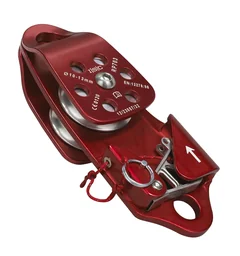
Tip: Pair your winch with a snatch block to increase pulling capacity or change the pulling direction. High-quality pulleys such as the
or the protect the rope and make your work more efficient.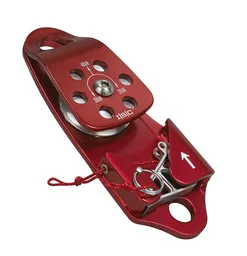
The Best Winches in Our 2026 Test
Our hands-on test reveals which models perform best in the most important categories. We rated them on ease of use, durability, safety and value for money.
Best Hand Winch: Durable and Versatile
Our top-rated manual winch impressed us with its exceptionally sturdy housing and precision gear mechanism, which operates smoothly even under heavy loads. The automatic load brake worked reliably in every test and held the load securely in place. The ergonomic crank handle is comfortable to grip, even during extended use.
The included steel cable is well made and showed no signs of fraying. This winch is ideal for demanding gardening and construction jobs. For greater flexibility when routing the cable, we recommend pairing it with a sturdy pulley such as the
made from stainless steel.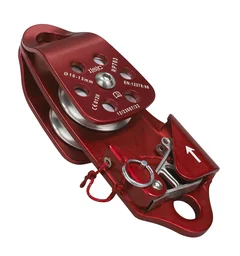
Best Electric Winch for Workshops and Farms
The top electric winch in our test features a powerful 230V motor that stays cool even under continuous load. You can easily control the winding and unwinding speed, while the 5-meter wired remote lets you operate the winch from a safe distance. The housing is protected against dust and splashing water.
The built-in cable limit switch is especially useful, as it prevents the cable from being fully unwound. This winch is a reliable choice for frequent use in workshops, on farms and in commercial settings. Find compatible accessories in our lifting equipment category.
Important: Always use lifting accessories that are suitable for your load. For heavy or delicate items, use special lifting straps or round slings such as the
or the . They distribute the force and help protect the load from damage.

Best Vehicle Winch for Off-Road Adventures
Our award-winning vehicle winch is built for challenging terrain. It delivers powerful pulling capacity and can reliably haul loads through mud or up steep inclines. The remote control is fully waterproof, and the housing has a corrosion-resistant coating. The free-spool feature lets you quickly pull out the long steel cable.
Installing it on the included mounting rail was simple and secure. This winch gives you confidence on remote trips. Find everything you need to prepare in our extensive tools category.
Safety First: How to Use a Winch Correctly
Operating a winch requires your full attention. Even a small mistake can have serious consequences.
Essential Winch Safety Rules
Before each use, check the winch, cable and all attachment points for visible damage. Always wear protective gloves to help prevent cable-related injuries. Keep everyone clear of the line of pull and the area around the load while winching.
The attachment point on the load and the winch anchor point must both be strong and stable. Never attach the winch to weak components such as axles, bumpers or thin branches. Pull steadily without jerking. Avoid overloading the winch. If it starts making loud, strained noises or the gearbox locks up, stop immediately.
Care and Maintenance for Long-Lasting Performance
Clean the winch after every use, especially if it has been exposed to dirt or moisture. Remove sand, mud and water. Regularly apply a drop of suitable lubricating oil to moving parts such as bearings, axles and the gear mechanism. Use products recommended by the manufacturer.
Inspect the cable regularly for broken strands, crushing, corrosion (on steel cables) or excessive wear. Store the winch in a dry, clean place, preferably in a protective cover or case.
Note: A winch is a powerful tool, not a toy. Always treat it with respect. Read the operating instructions carefully and follow all the manufacturer's specifications. For specialized lifting jobs, use suitable winches and lifting equipment.
Compare the most-reviewed winches in our range:
| Model | Customer rating | Availability |
|---|---|---|
| Aluminium pulley with swivelling side cover for 10 mm - 12 mm cables | – | Currently unavailable |
| Construction pulley 700 kg | – | Currently unavailable |
| Aluminium double pulley with swivelling side cover for 10 mm - 12 mm cables | – | Currently unavailable |
| Stainless steel double pulley with swivelling side cover for 6 mm - 13 mm cables | – | Currently unavailable |
| Fritz Göbel lifting strap 2000 kg - 5 m length for safe lifting | – | Currently unavailable |
Conclusion: Find the Right Winch for 2026
The right winch for you depends on how you plan to use it. For flexible operation without electricity, modern hand winches with safety brakes are an excellent choice. If convenience and power are your priorities, electric winches are hard to beat. Off-road enthusiasts can count on specialized vehicle winches with high pulling capacity and a rugged design.
Whichever type you choose, invest in quality, safety and the right accessories. A reliable winch, an undamaged cable and secure lifting accessories are essential for successful, accident-free work. Together, they make heavy pulling and lifting easier while keeping the load under control.
Frequently Asked Questions
- What pulling capacity should my winch have?
- The required pulling capacity depends on the weight of the load and the friction involved. As a rule of thumb, choose a winch with a rated pulling capacity of 1.5 times the weight being moved. For heavy loads or steep pulls, twice the load weight is recommended to provide a safety margin.
- What is the difference between manual and electric winches?
- Manual winches are operated by hand using a crank, do not require electricity and are ideal for occasional, mobile use. Electric winches offer significantly more convenience and power but require a power source (12V or 230V). They are suitable for frequent or heavy-duty work where saving time and effort is a priority.
- What safety features should I look for?
- Be sure to look for a reliable load brake that prevents the load from unwinding unintentionally. An overload protection system protects the winch from damage. Stable mounting points, a secure rope end and a robust design are also essential for safe operation.
- Can I also use a winch for lifting?
- Many winches are primarily designed for pulling and pushing loads horizontally. For lifting loads vertically, you need special hoists or lifting winches designed and certified for this purpose. Never use a standard winch as a substitute for a hoist.
- How do I care for and maintain my winch?
- Clean the winch regularly to remove dirt. Lubricate all moving parts, such as bearings and gears, according to the manufacturer's instructions. Check the rope for wear, crushing or breaks. Store the winch in a dry, protected place to prevent corrosion.
You might also be interested in
- Tool Kit Test & Comparison 2026: The Best Models in Practical Testing
- Hammer Drill Test & Comparison 2026: The Best Models in Practical Testing
- Battery Test & Comparison 2026: The Best Models in Practical Testing
- Band Saw Test & Comparison 2026: The Best Models in Practical Testing
- Workshop Equipment Test & Comparison 2026: The Best Tools in Practical Testing
- Air Compressor Test & Comparison 2026: The Best Tools Reviewed