
In brief: To sew a toiletry bag from an old towel, cut it to size, fold it and sew the sides together. Add a zipper or drawstring to close the bag. This DIY project saves money, reduces plastic waste and gives old textiles a new lease on life. It’s ideal for beginner sewers.
How to Sew a Toiletry Bag from an Old Towel: A Plastic-Free Upcycling DIY
Old towels don’t have to end up in the trash. Turn one into a practical toiletry bag with this simple sewing project. This guide shows you how to upcycle a towel, reduce textile waste and make a plastic-free alternative for your bathroom.
Why upcycle bathroom textiles?
Every year, tons of textiles end up in the trash. Towels wear out, fade or no longer match your decor. Throwing them away may be easy, but it’s a waste. Upcycling gives those materials a new purpose.
In the bathroom, a handmade toiletry bag can replace plastic packaging and disposable plastic bags. You choose the materials and know exactly what comes into contact with your skin. Sustainable choices can start with small projects at home.
A toiletry bag made from terry cloth is especially absorbent. Damp toothbrushes or bars of soap can dry better inside it. The durable fabric also holds up better than thin cotton.
Upcycling is more than a craft project. It’s a conscious choice to move away from throwaway culture. An old towel becomes something new, with a story and sentimental value. That can change how we relate to the things we own.
What materials and tools do you need?
A successful DIY project starts with good preparation. Gather everything you need before you start sewing to avoid interruptions and frustration.
Essential supplies at a glance
- An old towel: Choose a clean terry towel without holes or tears. Its size determines how large your toiletry bag will be. A standard bath towel (approx. 100x150 cm) is ideal.
- A sewing machine or needle and thread: A sewing machine makes neat, sturdy seams. If you’re sewing by hand, use strong thread.
- A zipper or drawstring: Choose one type of closure. A 25-30 cm zipper works for most sizes. For a plastic-free option, use cotton cord.
- Scissors, pins and a measuring tape: These tools help you work accurately.
- Sewing thread: Match the thread to the towel or add a contrasting accent.
Pro tip
Test the fabric first. Sew a test seam in an inconspicuous spot to check the stitch length and thread tension on your machine. Terry cloth can stretch a little as you sew.
Need a few supplies? Browse our bathroom shop for a wide selection of quality textiles. You may also find inspiration for future projects.
How do you cut and prepare the towel?
Careful cutting is key to a good result. Take your time and work precisely. A straight cut makes sewing much easier.
Lay the towel flat on a large table. If it’s very wrinkled, iron it on a low heat setting. Mark the size you want with tailor’s chalk or a washable fabric pen.
For a classic toiletry bag, cut a rectangle 40 cm wide and 30 cm high. These measurements include a 1 cm seam allowance on each side. Cut carefully along the marked lines.
Important
If the towel’s original woven edge (selvedge) is still intact, don’t cut it off. It won’t fray and makes a neat finished top edge for your toiletry bag, so you won’t need to hem it.
Sewing a bag for a child? A smaller size may be more practical. Browse our toiletry bags for children for ready-made ideas.
Which sewing technique works for towel fabric?
Terry cloth is made up of many small loops that can catch in a sewing machine. With the right technique, it’s still easy to sew.
Step-by-step guide to sewing the basic shape
Fold the cut fabric with the right sides facing each other. The soft, fluffy side should face inward. Pin the two long sides and the bottom edge together.
Sew along these three sides with a straight stitch and a 1 cm seam allowance. Reinforce the beginning and end of each seam with a few reverse stitches. Leave the top edge open.
Remove the pins once you’ve finished sewing. Trim the bottom corners diagonally by cutting away a small triangle from the seam allowance. This reduces bulk when you turn the bag right side out.
Turn the toiletry bag right side out. Press the seams flat with your fingers or an iron. The basic shape is now complete.
Terry cloth can stretch as you sew, which is the biggest challenge. Use plenty of pins, or baste the layers together first. This keeps the fabric from shifting under the needle. Take your time for a neat finish.
Getting neat seams takes a little practice. Find more quality fabrics to practise with in our children’s bedroom textiles category.
How do you attach the closure?
A closure makes your toiletry bag practical to use. You can choose between a zipper and a drawstring, and each has its benefits.
Method 1: Sew in a zipper
Sewing in a zipper takes a little precision. For a neat finish, fit it between the bag lining and an extra strip of fabric along the top.
Cut two strips from the leftover towel. Each should be about 4 cm wide and as long as the top edge. Press the long edges of each strip over once.
Pin the strips to the top edge of the bag with the right sides together, then sew them in place. Fold the strips outward and press the seams flat.
Pin the zipper between the folded edges of the strips. It should be hidden from the inside of the bag. Sew it in place from the outside with a zipper foot or a zigzag stitch.
Good to know
Choose a zipper with plastic teeth for bathroom use. Metal teeth can rust when exposed to moisture over time. A water-repellent coating is a good choice.
Method 2: Add a drawstring channel for a plastic-free option
This method is simple and completely plastic-free. Fold the top edge of the toiletry bag about 2 cm inward. Pin and sew the fold in place, leaving a small opening of approx. 1 cm to thread the cord through.
Use a safety pin or cord threader to guide the cotton cord through the channel. Tie the ends securely, then pull them to close the bag.
Your personalized, sustainable toiletry bag is ready. Add appliqués made from other fabric scraps or embroider the owner’s name to make it your own.
How can you customize and care for your DIY toiletry bag?
Personal touches make your upcycled bag unique. With proper care, you can also help it last much longer.
Ideas for personalizing your bag
- Appliqués: Sew shapes cut from old T-shirts or shirts onto the bag. A heart, star or initial adds a personal touch.
- Inside pocket: Use a leftover piece of fabric to add a small pocket for delicate items such as a razor.
- Handle: Sew on a handle made from braided cord or fabric scraps to make the bag easy to carry.
- Color accents: Use contrasting thread for the seams or choose a colorful cord.
For more creative ideas, visit our Fresk brand shop. Find design inspiration from the professionals.
Cleaning and making it last
Your toiletry bag is made from terry cloth and can be washed at 60 degrees to kill bacteria. Close the zipper before washing to protect the teeth and your washing machine.
Use detergent without bleach to help preserve the colors. Air-dry the bag or tumble-dry it on a low setting. Terry cloth doesn’t need ironing, which can flatten its loops.
With frequent use, the seams may come loose at points that take a lot of strain. Check them regularly and repair any loose stitching with a few hand stitches. Your DIY bag can then last for many years.
Ready-Made Travel Toiletry Bags
Don't have time to sew? Prefer a thoughtfully designed, ready-made option? Our range includes sustainable, kid-friendly toiletry bags.
The
stands out with its beautiful butterfly print and linen-like finish. It's a plastic-free alternative to conventional toiletry bags.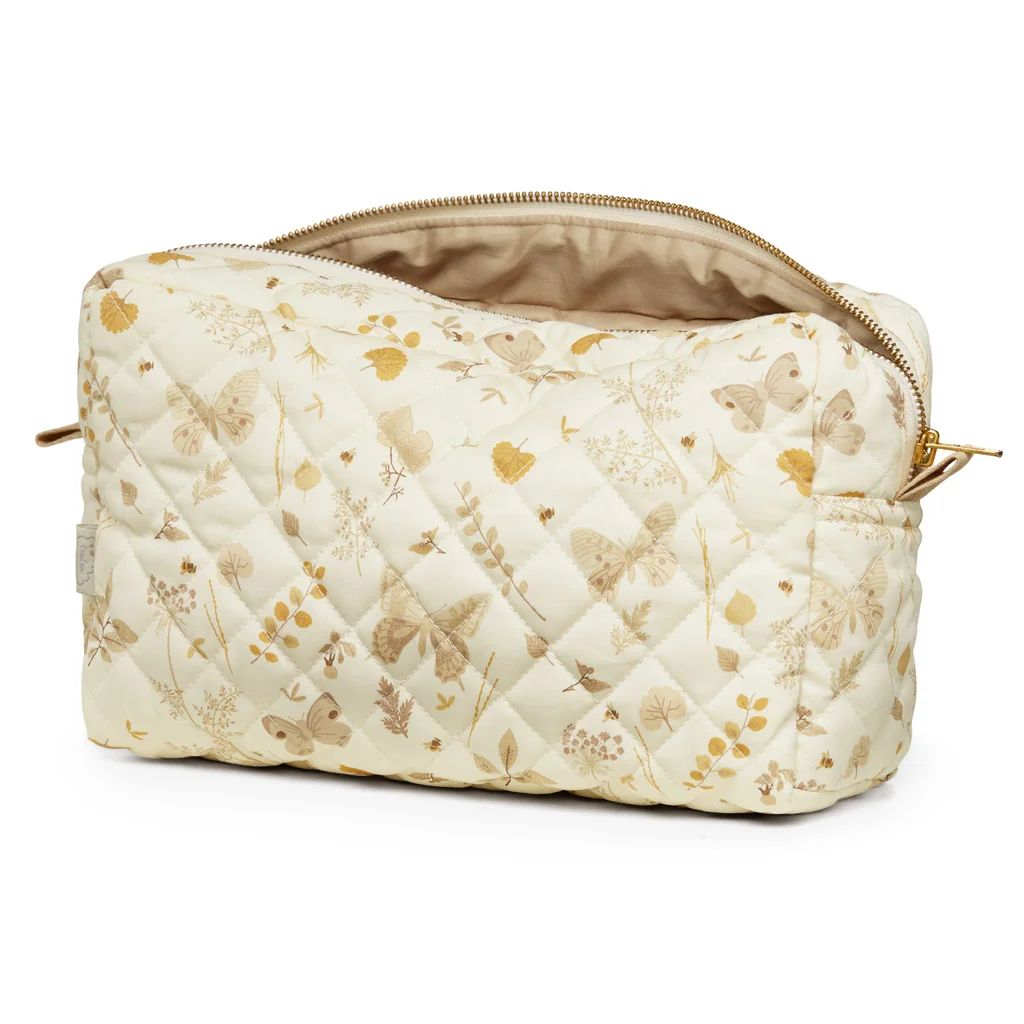
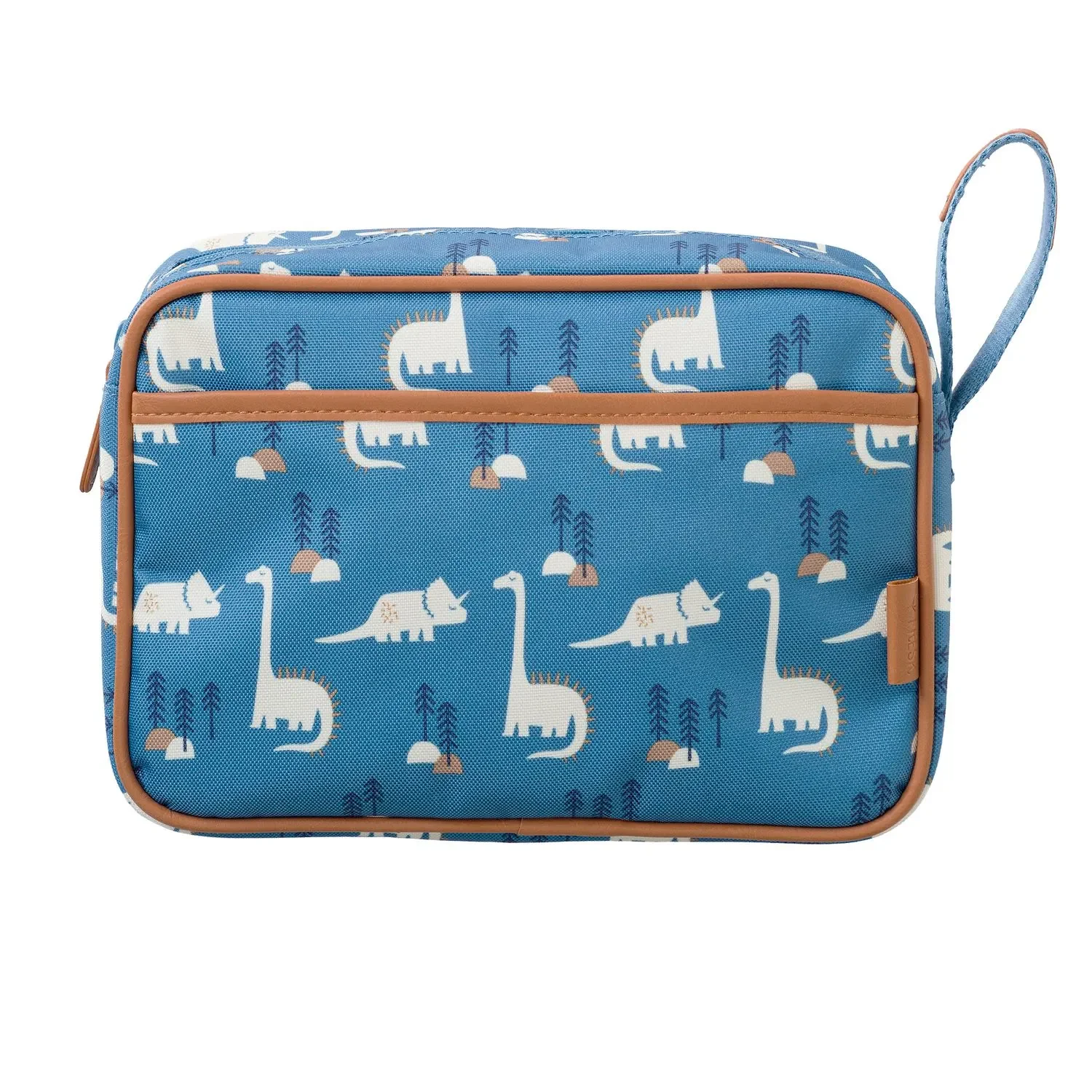
For little ones, the Fresk range features durable, playful designs. The
in a berry print or the with a dinosaur print make packing fun. These roomy bags hold everything kids need for a day out.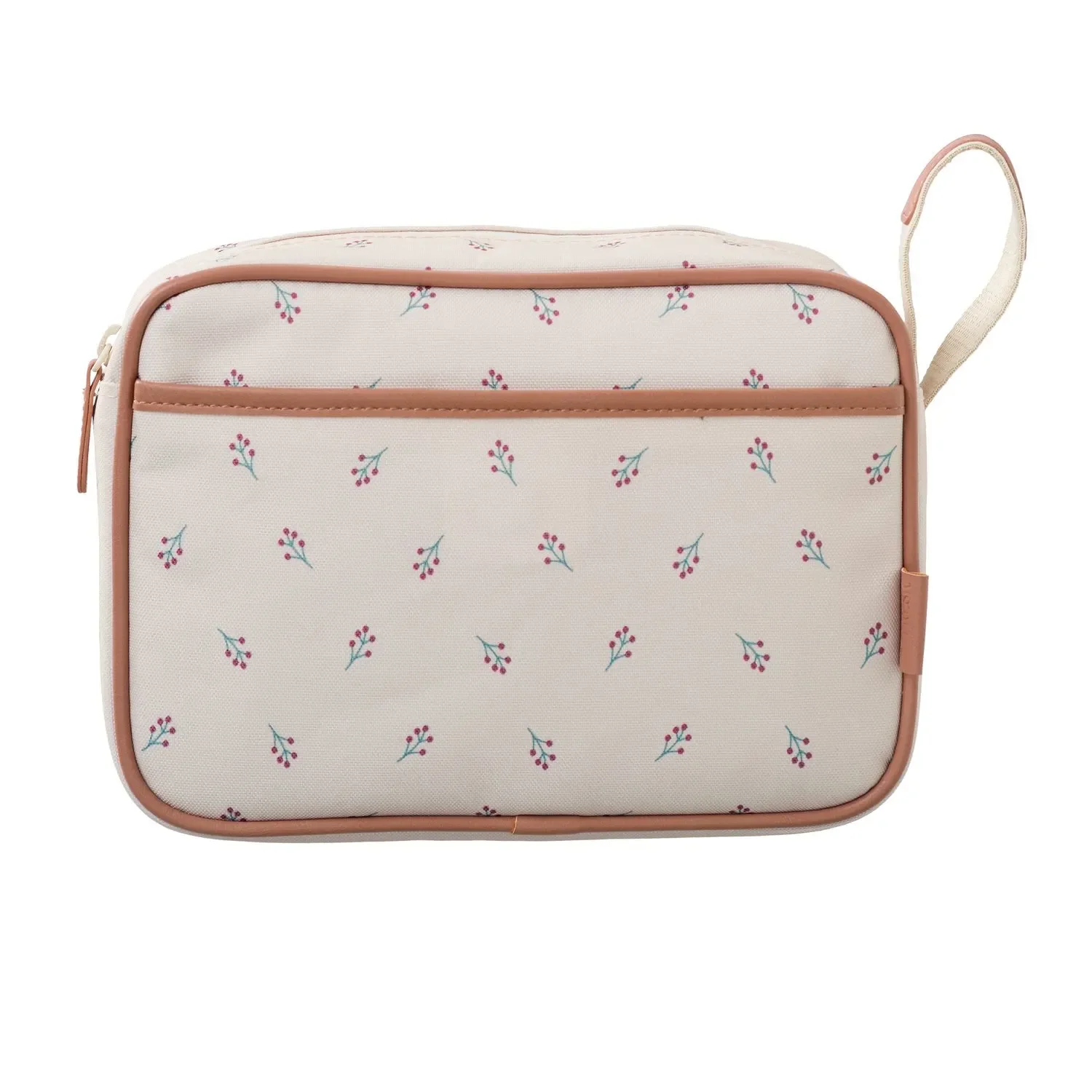
Natural-looking designs like the
in amber brown or the in olive are timeless choices. All Fresk toiletry bags are perfect for day trips and vacations with kids.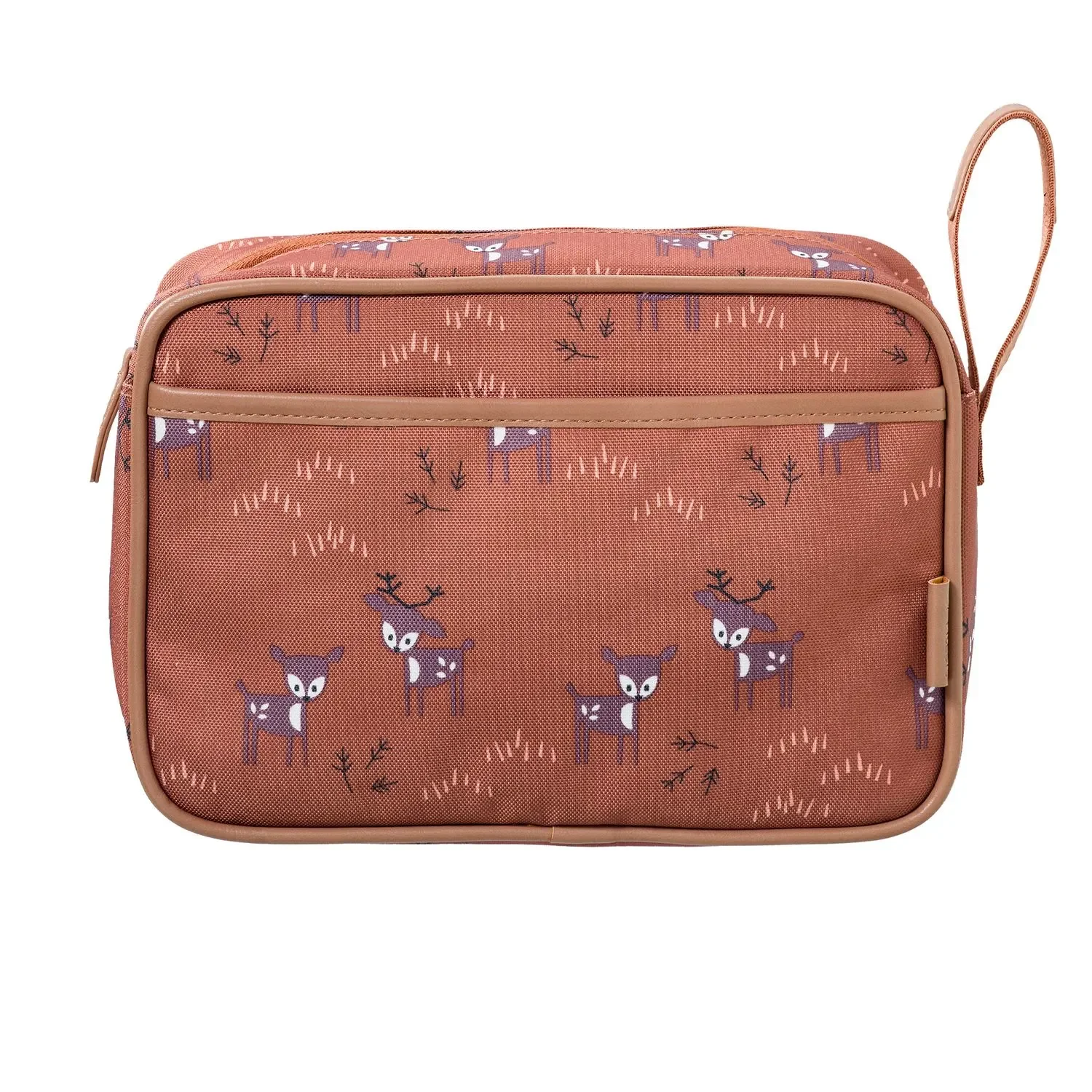
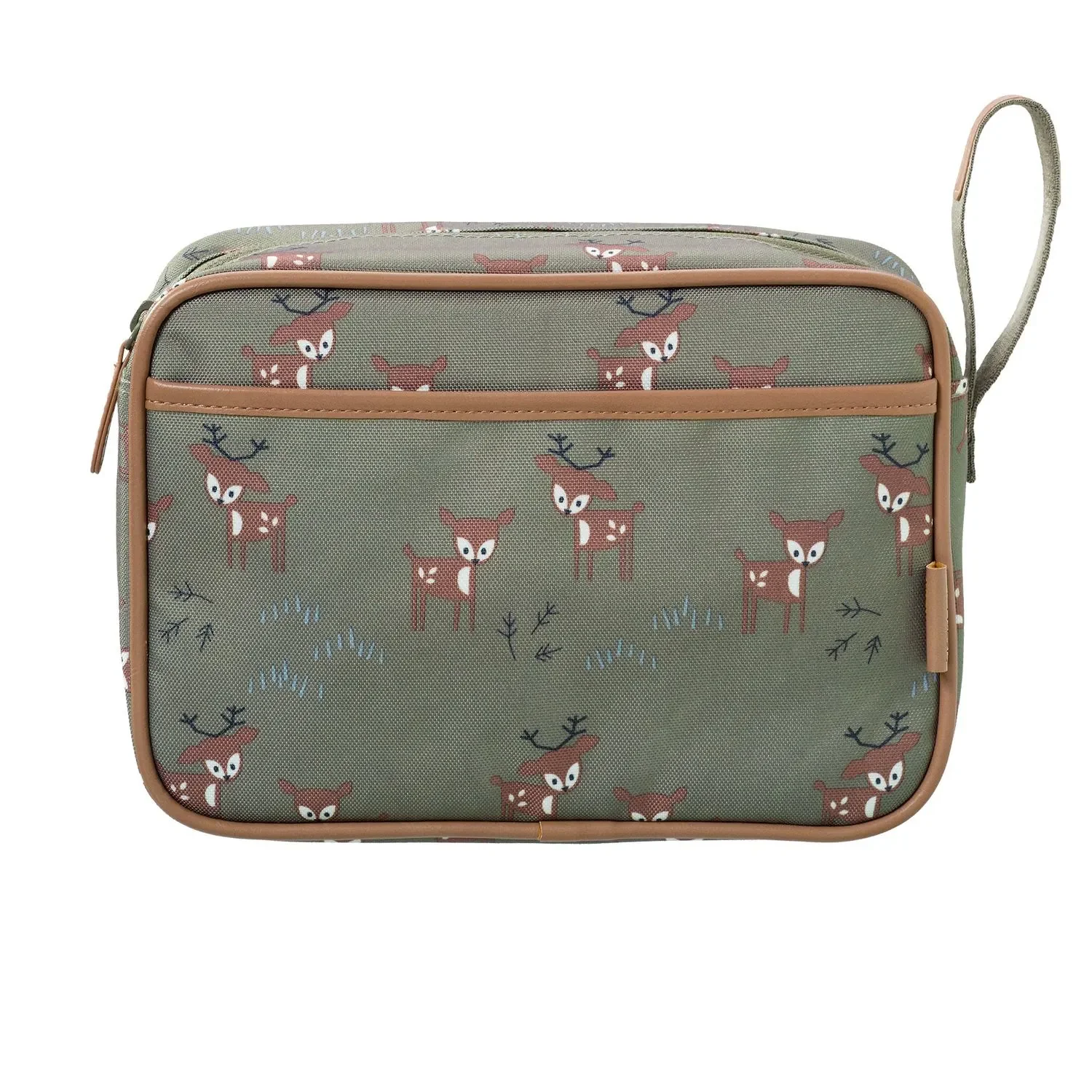
Whether you sew your own toiletry bag or buy one ready-made, it helps keep your bathroom organized and cuts down on plastic. Start your upcycling project today or choose a sustainable, ready-made option.
Frequently Asked Questions
- Which towel is best for making an upcycled toiletry bag?
- Use a medium-weight terry towel. It's durable, absorbent, and easy to sew. Avoid towels that are too thin or frayed. A standard bath towel provides enough fabric for a medium-sized toiletry bag.
- Do I need a sewing machine to make a DIY toiletry bag?
- A sewing machine is recommended for durable seams, especially when attaching a zipper. You can also sew the bag by hand; use strong thread and a sturdy stitch. Hand sewing is easier for drawstring styles.
- How do I wash a handmade terry-cloth toiletry bag?
- Wash the toiletry bag at 60 degrees if the zipper or drawstring can withstand it. Close the zipper before washing to protect its teeth. Air-drying the bag saves energy and helps preserve the material.
- Can I use children's towels to make small toiletry bags?
- Yes, children's towels or hooded towels are perfect for small makeup bags. Their colorful designs work well for kid-friendly styles. Adjust the pattern size as needed.
- What can I use instead of a zipper for a plastic-free toiletry bag?
- Use a cotton or linen drawstring. Sew a channel along the top edge and thread the cord through it. You can also use metal snaps or a simple flap closure with a fabric tab.