
In brief: A she shed turns a basic garden shed into a personal retreat for hobbies, relaxation, or creative work. Success starts with planning how you’ll use the space, building it properly, and furnishing it to suit your needs. With the right tools and materials, you can create your own garden oasis.
She Shed: Create Your Own Garden Retreat
Forget the traditional garden storage shed. A she shed can be so much more: your studio, office, library, or yoga room in the garden. This guide shows you how to turn a garden shed into a space that’s entirely your own.
What is a she shed, and why do you need one?
A she shed is a garden shed repurposed for personal use. It’s not for storage; it’s a space to focus on yourself. You make the rules. Paint, write, build, or simply read in peace.
This retreat creates physical and mental distance from the hustle and bustle of everyday life at home. It gives you a dedicated space for your hobby, so you don’t have to put your supplies away every time. Being close to nature can also boost your well-being.
A room of your own in the garden isn’t a luxury; it’s a tool for mental well-being. It offers a space where you can feel in control, build confidence, and recharge.
Planning: From your idea to a detailed building plan
How will you use your she shed?
Start by answering one question: What exactly do I want to do here? Your answer will shape every decision. A painting studio needs plenty of north-facing light and durable flooring. A reading nook needs comfortable seating and good lighting.
List all the activities you plan to do and the equipment you’ll need. Measure large items such as easels or workbenches. This list will help you determine the size and layout.
Pro tip
Draw your floor plan to a scale of 1:20 on graph paper. Add the furniture and walkways. You’ll quickly see whether everything fits and if there’s enough room to move around. Plan for a walkway at least 60 cm wide.
What size and location work best?
The right size depends on how you plan to use the space. A simple seating area needs 4-6 m². A fully equipped workshop or studio often needs 10 m² or more.
Choose a sunny spot for a welcoming atmosphere, but avoid the intense midday sun. A partially shaded location near an electrical outlet and, if possible, a water connection is ideal. Check local building codes for required setbacks from neighboring properties.
Building: Foundations, framing, and roofing
Which foundation should you choose?
The foundation supports the entire structure. For lightweight prefabricated sheds from a home improvement store, foundation blocks or a compacted gravel base are often enough. For a permanent, custom-built she shed, a frost-proof concrete foundation is standard.
A strip foundation beneath the load-bearing walls uses less material. A full concrete slab offers maximum stability and can also provide a clean finished floor. For a slab, you’ll need form boards, concrete, and a plate compactor.
Important information
Check local building codes before breaking ground. In many jurisdictions, garden sheds that don’t require a building permit are limited to 20-30 m³ of enclosed space. A call to your local building department can help you avoid costly mistakes and additional requirements later.
How do you build a sturdy timber frame?
Use pressure-treated lumber for the frame. It resists moisture. A standard frame consists of a bottom plate, vertical studs, and a top plate.
Connect the lumber with heavy-duty screws and metal brackets. Check that every angle is square. A spirit level is essential. Good tools make it easier to cut and drill accurately.
Heavy-duty tools are essential when fastening large timber beams or installing metal connectors. A
(1-inch socket, 12-point, 75mm) fits a heavy-duty ratchet and provides the torque you need. A (1-inch socket, 50mm socket, 6-point) is suitable for tight spaces.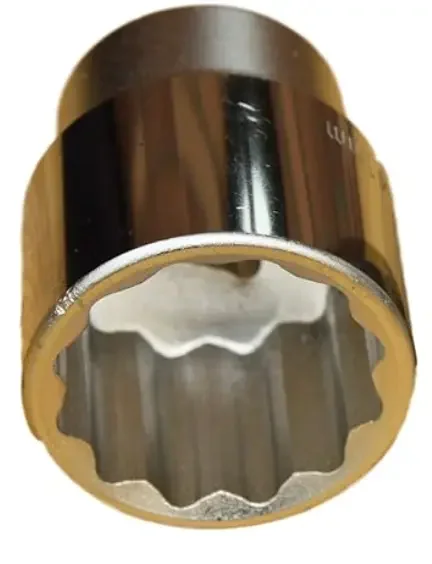
Which roof design is right for your shed?
A shed roof is easy to build and drains rainwater well. A gable roof has a more traditional look and provides more headroom. Both need a sturdy rafter structure.
Asphalt shingles are lightweight and easy to install. Find suitable materials in our Tarps + Nets category. For a natural look, choose wood shingles, though they need more maintenance.
The quality of the roof structure determines how long a garden shed will last. A minimum pitch of 15° and a carefully installed underlayment are essential for preventing water damage.
The Features: From Shell to Cozy Retreat
How do you insulate and finish the interior?
Insulation is essential for year-round use. Cut insulation boards made of polystyrene or mineral wool to fit precisely between the timber studs. Cover the inside with a vapor barrier made of foil.
The interior lining creates atmosphere. OSB boards are sturdy and cost-effective. Wood panels or cladding boards create a warm, cozy feel. For installing the lining, you need reliable tools from our tools range.
Additional advice
Plan enough outlets and light fixtures from the outset. Lay conduits in the floor or walls before installing the insulation. This makes it easy to run additional cables or install extra lighting later.
How do you design the windows, door, and floor?
Large windows make the room bright and connect it with the garden. Choose single-pane uPVC windows or make your own from laminated window timber.
The door should be weatherproof and well insulated. A small porch protects the entrance from rain. Choose flooring to suit how you use the space: durable laminate or vinyl for workshops, and soft carpet for reading or music rooms.
Fitting windows precisely and installing door hinges requires precision tools. A
(18 mm socket, CR-V, 12-point) enables precise work on hinges and adjustment mechanisms.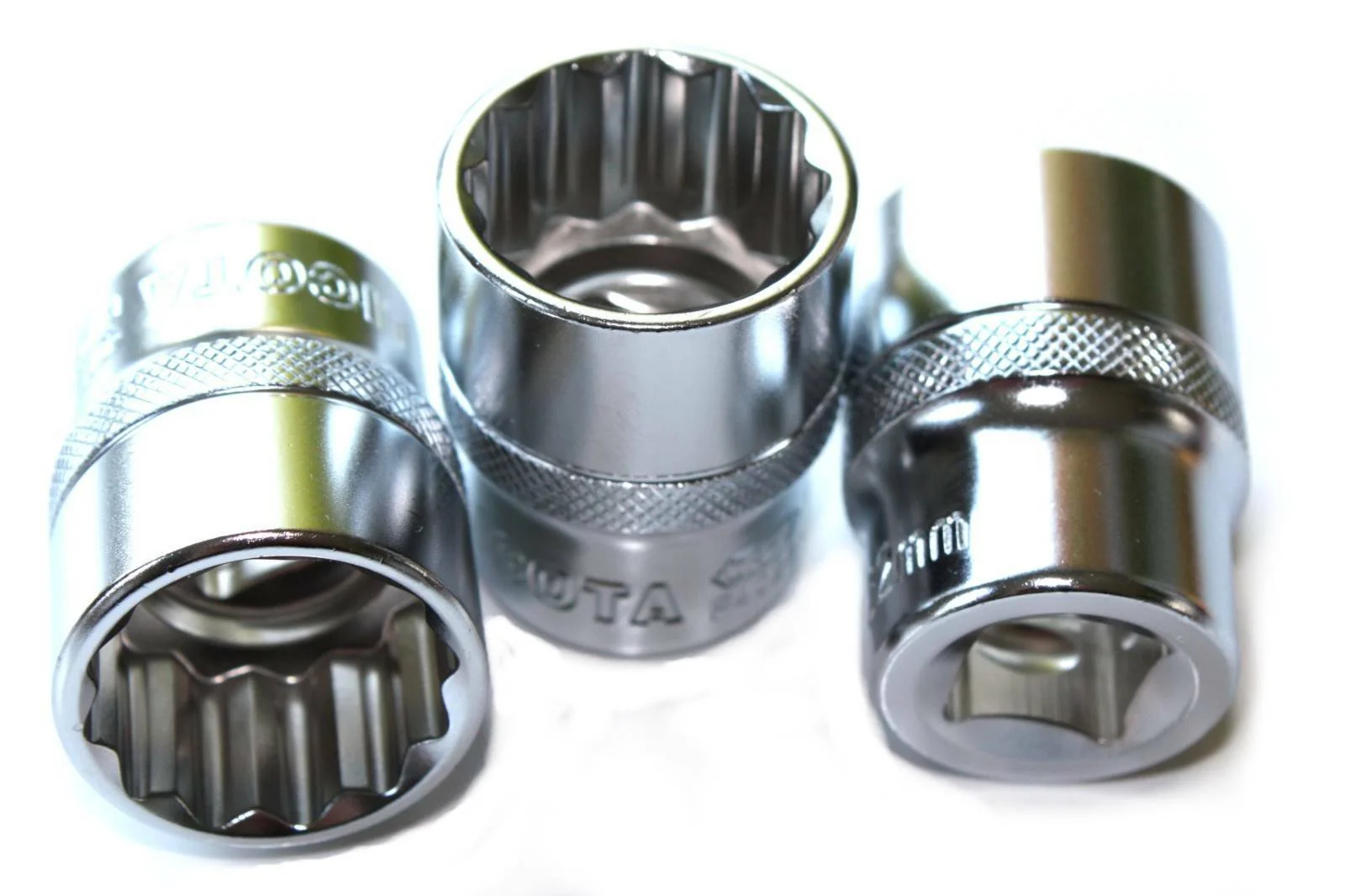
Furnishing: Where Function Meets Personality
How do you create storage space?
Every she shed needs smart storage. Make use of the wall height with shelves reaching up to the ceiling. Build benches with storage compartments underneath. Hanging shelves keep materials close at hand and neatly organized.
Decorative crates and baskets conceal small items. A wall-mounted tool board organizes your garden tools or craft supplies in an attractive, easy-to-see way.
How do you use lighting and colors?
Combine different light sources. Uplights provide general illumination. Floor lamps or pendant lights provide focused light for the work area. Solar-powered outdoor lights show the way at night.
Choose a color palette that supports the mood you want to create. Calming blues and greens encourage concentration. Warm yellows and oranges make the room cozy and inviting. You can also be bold and add an accent wall in a vibrant color.
Finishing and Maintenance
Seal all exterior timber parts with a translucent or opaque weatherproof paint. Regularly check the roof for loose shingles and inspect the joints around windows and doors.
A she shed is a living space. It can change over time. Adapt the furnishings to new hobbies or needs. Your garden shed is your project, your refuge, your creative haven.
With a solid foundation, careful planning, and the right materials from our Garden + Outdoor range, you can create your own personal retreat. Start sketching today.
Frequently Asked Questions
- Do I need a building permit for a she shed?
- This depends on the size and your local building codes. In many cases, garden sheds with a floor area of up to 20-30 m³ and a height of 3-4 metres can be built without a permit. Be sure to check with your local building department before starting construction. A permanent foundation may mean you need a building permit.
- What is the best foundation for a garden shed?
- For lightweight garden sheds, individual foundation blocks or a crushed stone and gravel bed are often sufficient. For heavier structures or a permanent solution, a frost-resistant strip or concrete slab foundation is ideal. It prevents settling and protects against rising damp.
- How do I insulate my she shed for winter use?
- Insulate the walls, roof, and floor with polystyrene or mineral wool boards. Seal windows and doors with weatherstripping tape. A small electric heater or infrared panel provides warmth. Make sure there is adequate ventilation to prevent mold.
- Can I use a she shed as a guest room?
- Yes, with suitable insulation, electrical wiring, and basic amenities, this is possible. You will need a comfortable sleeping area, lighting, and possibly a simple heating solution. Check in advance whether overnight stays are permitted in your area.
- What tools do I need to build a garden shed?
- You need basic tools such as a cordless screwdriver, spirit level, tape measure, hammer, and handsaw. A circular saw and angle grinder are helpful for precise work on timber. Screws, wall plugs, and suitable fasteners are essential. You can find a wide range in our power tools category.
You might also be interested in
- Build your own garden shed: Make your dream retreat a reality
- Build your own storage shed: Step-by-step guide
- Painting a garden shed: How to keep it looking great and protected
- Renovating a garden shed: Give your garden retreat a fresh new look
- Metal garden sheds: Benefits and design ideas for your home
- Garden sheds with flat roofs: Modern design and its benefits