
In brief: A shower squeegee is a simple tool for everyday bathroom care. After showering, you pull it across wet surfaces to remove standing water. This helps prevent hard water stains and water streaks, cuts cleaning time and extends the life of your shower enclosure. Regular use is the best way to prevent stubborn buildup.
Why every home needs a shower squeegee
Water spots on shower glass are no coincidence. They form when water evaporates, leaving behind mineral deposits. Every drop leaves a microscopic trace.
A shower squeegee interrupts this process. It removes mineral-rich water before it can dry. The result is clear glass and clean tile.
The effort is minimal, but the results add up. You save time, cleaning products and frustration. Discover more practical household helpers in our shop.
Standing water is a common cause of cloudy shower doors and mineral buildup on fixtures. Simply removing the water is an effective, environmentally friendly way to help prevent it.
How do you get a streak-free finish?
The physics is simple. A rubber blade moves across the wet surface, breaking the water's surface tension and pushing the water ahead of it.
The angle matters. Hold the squeegee at an angle so the water can drain away. Pull it from top to bottom in even, overlapping strokes.
Start at the wall and work toward the shower drain. This keeps you from getting already-cleaned surfaces wet again.
Pro tip
Rinse the shower enclosure briefly with cold water before using the squeegee. This washes away soap residue and cools the glass. Water dries more evenly on cooler surfaces, leaving fewer visible marks.
Choose the right one: Materials and designs compared
Not all shower squeegees are the same. The material can affect the results.
Stainless steel: A durable classic
A stainless steel handle is sturdy, rust-resistant and hygienic. It holds up well in a damp environment. The
is a classic choice.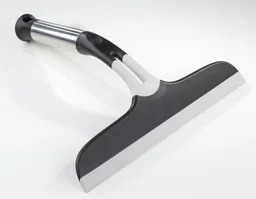
The rubber blade should be soft and flexible. High-quality rubber adjusts to uneven surfaces and removes water without streaks. Look for replaceable blades.
Practical extras: Wall mount and swivel head
A designated spot for your squeegee makes it easier to use regularly. The
comes with a practical stainless steel holder.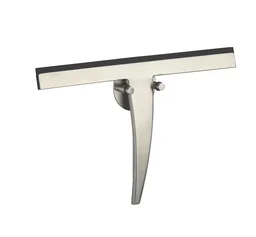
A swivel head, like the one on the “Exklusiv” model, makes it easier to clean corners. It also helps you reach awkward areas without bending the handle into an uncomfortable position.
Important note
Do not store the shower squeegee directly on a radiator or in bright sunlight. Extreme heat makes the rubber blade age faster, turning it hard and brittle. It may stop removing water cleanly and could even scratch surfaces.
Preventing hard water stains: Prevention beats chemicals
Mineral deposits are the natural enemy of shiny bathroom surfaces. They settle into the microscopic irregularities in glass and ceramic.
Chemical hard water stain removers dissolve these deposits, but they can also damage grout and metal surfaces. Using a squeegee every day helps you avoid relying on these products.
The same principle applies in the garden. Proper care helps there, too. For information on balancing pH levels, see lawn lime & garden lime.
In areas with hard water, daily showering can lead to several kilograms of mineral deposits building up in pipes and on surfaces each year. Preventive steps, such as using a squeegee, can save significant repair costs over time.
The ideal bathroom routine
Make using the squeegee part of your shower routine. It takes less than a minute.
Finish your shower and turn off the water. Take the squeegee from its holder and get started right away.
First, squeegee the walls and doors. Then work across the tiled surfaces. Do not forget the fixtures and showerhead. A quick pass is enough.
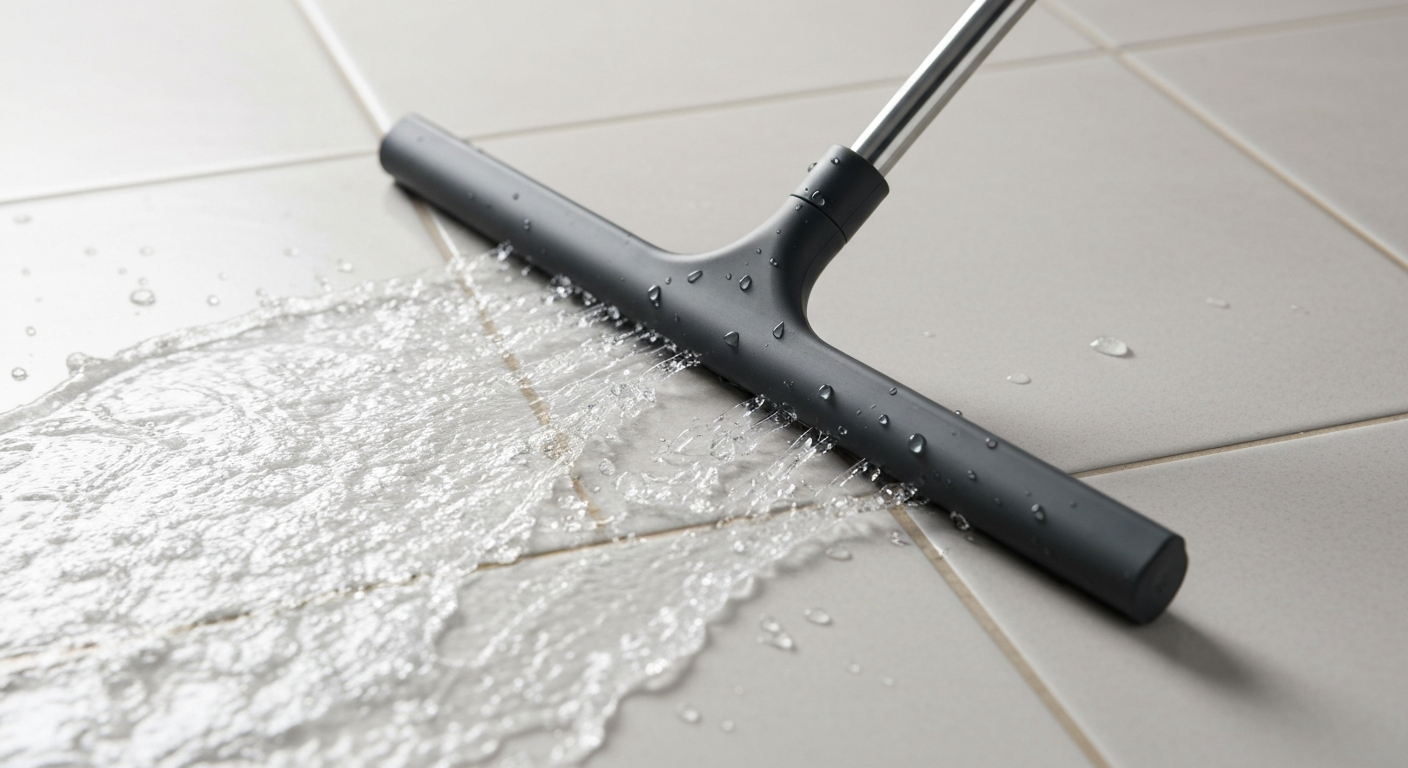
The final step: Floor and drain
Finally, squeegee the shower floor, pushing the water toward the drain. A properly functioning drain is essential.
Products such as the
help ensure water drains properly. A clogged drain can undo even the most thorough cleaning.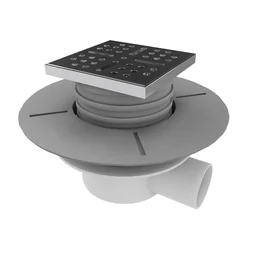
Finally, wipe the squeegee blade dry with a cloth and hang it back in its place. Done.
Additional tip
For stubborn water droplets on soapy surfaces, try this simple trick: Lightly wet the squeegee blade. The damp rubber glides more smoothly and picks up the last drops.
How to care for and clean your shower squeegee
Your tool needs a little care, too. Clean the squeegee every few weeks.
Remove any hair or soap residue from the rubber blade. Rinse the entire squeegee under clean water.
To remove mineral deposits from the stainless steel handle, use a soft sponge with a little lemon juice or diluted household vinegar. Rinse thoroughly afterward.
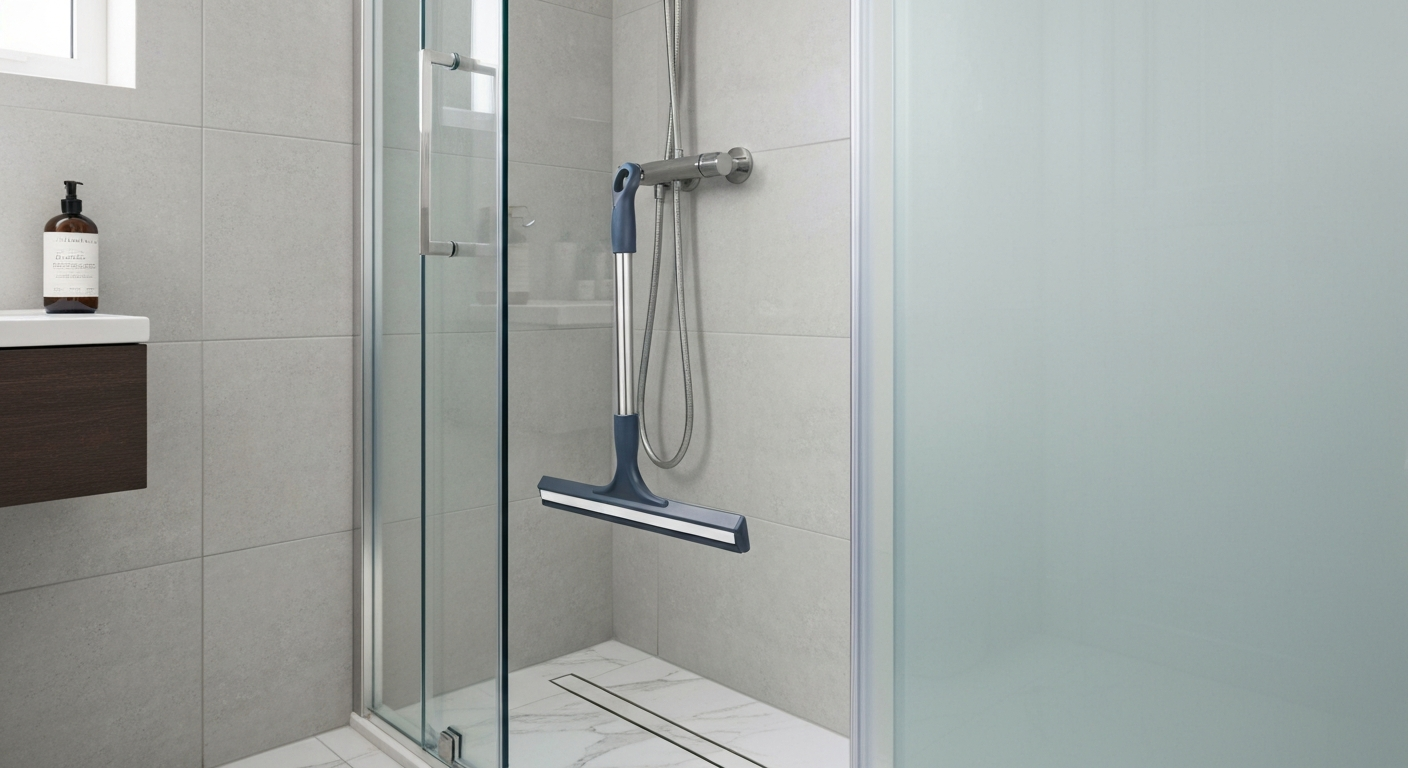
More Than Just the Shower: Other Uses
You can use a shower squeegee anywhere standing water is a problem. After washing your windows, use it to leave the glass streak-free.
It also works on smooth kitchen backsplashes, mirrors and outdoor showers. For everything you need for your outdoor space, take a look at Garden + Outdoor.
It is even useful when washing your car. It quickly removes water from the paint and windows before it dries in the sun and leaves marks.
An Investment in Cleanliness and Long-Term Value
A shower squeegee costs very little, but the savings add up. You’ll use less cleaning product and help protect the environment.
It’s gentler on your shower door seals and bathroom fixtures, helping extend the life of your bathroom.
Ultimately, you’ll save time. Your weekly bathroom deep clean becomes a quick wipe-down, and a streak-free shower is your daily reward. Discover more clever helpers for your home and garden in categories such as Garden Tools and Plumbing + Irrigation.
Frequently Asked Questions
- How often should I use a squeegee in the shower?
- Wipe down the shower doors and tiles after every use. This quick cleanup helps prevent minerals in evaporating water from leaving stubborn spots and buildup. Using a squeegee daily minimizes the need for chemical cleaners.
- What is the best material for a shower squeegee?
- A stainless steel shower squeegee or one with a rubber blade is a great choice. Stainless steel is durable and hygienic, while a soft rubber blade is gentle on delicate surfaces and helps leave them streak-free. Avoid hard or brittle rubber, which can scratch surfaces.
- Can I use a shower squeegee on matte tiles?
- Yes, but choose a soft rubber blade. Test the squeegee on an inconspicuous area first. On very rough or textured surfaces, it will remove most of the water, but you’ll still need to dry the droplets left in the grooves.
- What should I do if the squeegee’s rubber blade becomes hard?
- A hardened blade won’t work well and may leave streaks. Briefly dip it in hot water to soften it. If it has become brittle or cracked, replace it. Many models have replaceable rubber blades. Don’t store the squeegee right next to a heat source.
- Does a shower squeegee remove existing limescale?
- No. A squeegee helps prevent limescale. It removes mineral-rich water before it dries and leaves spots. Use a specialized limescale remover to dissolve existing deposits. Afterward, using a squeegee daily helps keep the spots from coming back so quickly.
You May Also Be Interested In
- Say Goodbye to Smears: How to Clean Your Windows Without Streaks
- Cleaning the Bathroom: Top Tips for a Sparkling Bathroom
- Bad Smell from the Shower Drain: Causes & DIY Solutions for Your Home
- Cleaning Windows with a Window Vacuum: Streak-Free and Fast
- Low Water Pressure? How to Get Your Shower Working Properly Again
- Bathroom Extractor Fans: Fresh Air and Protection Against Mould