
In brief: Slugs and snails in the garden aren’t automatically pests. Most native species feed on dead plant matter and fungi, helping keep the soil healthy. Only a few, such as the Spanish slug, deliberately eat fresh lettuce and vegetable plants. Control them selectively, based on the species.
Surprising facts about slugs and snails in the garden
You spot a shiny slime trail on your lettuce. Your first reaction may be disgust. Yet slugs and snails are fascinating creatures that play a complex role in the garden ecosystem. Not every slug or snail is an enemy. Get to know your garden’s inhabitants before reaching for chemical controls.
A healthy garden thrives on diversity, and mollusks are part of it. The key is to identify them and protect valuable plants selectively. With the right knowledge and products from our Garden + Plant Accessories range, you can manage the situation successfully.
Which slug and snail species live in my garden?
Gardens in Germany are home to dozens of species. The best-known fall into two groups: slugs and snails with shells. Their behavior differs considerably.
The most common slugs
The Spanish slug (Arion vulgaris) is one of the most voracious visitors. You can identify it by its orange-brown to red-and-black coloring and its aggressive feeding habits. The large slug (Arion rufus) is often black and can grow up to 15 cm long. The field slug (Deroceras reticulatum) is smaller and light gray to beige. It leaves characteristic windowpane feeding damage on leaves.
Beneficial snails with shells
The Roman snail (Helix pomatia) is a protected species. It feeds almost exclusively on dead plant matter. Garden banded snails (Cepaea hortensis), with their yellow-striped shells, are also harmless eaters of algae and decaying matter. You should actively encourage these species.
Pro tip
Place a dry, wide strip of sand, sawdust or rock dust around vulnerable beds. Slugs avoid these barriers because they’re difficult to crawl over and cause them to lose moisture. Combine this with physical protection, such as a suitable garden tool for maintaining the surrounding area.
Correct identification saves time and protects beneficial species. In the evening, use a flashlight to see which ones are actually active. Often, just two or three individuals of a pest species are responsible for most of the feeding damage.
Why are some slugs and snails beneficial?
Slugs and snails help keep the soil healthy. Many species break down dead organic matter and speed up composting. They recycle nutrients and slightly loosen the soil as they move. A garden without a single slug or snail would be unnatural.
“Snails with shells aren’t pests; they’re decomposers. They break down organic matter and are an important part of the nutrient cycle. A garden where Roman snails live is a healthy garden.”
Small, translucent field slugs are indispensable in the compost pile. They shred material and make it more accessible to microorganisms. Encourage these helpers by maintaining a loose, moist compost pile. Find the right garden care accessories in our Garden Equipment category.
How can I control harmful slugs effectively?
The most effective control methods are preventive and mechanical. Chemical controls should be a last resort. Use barriers to keep slugs out of sensitive areas.
Slug fencing: a clean, effective solution
A physical barrier made of smooth, folded metal is the most reliable method. Products such as the
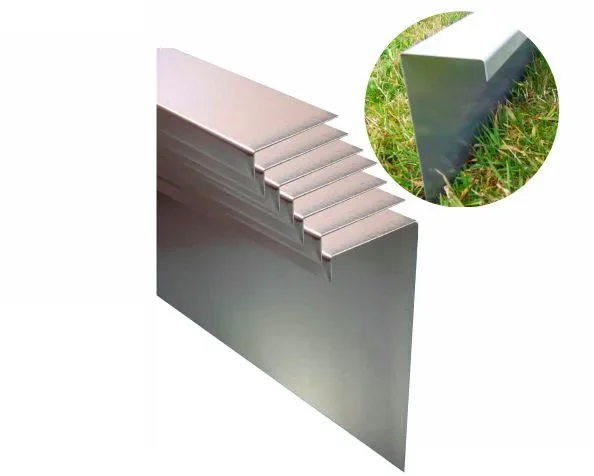
Install the fence without gaps around the bed you want to protect. Use matching
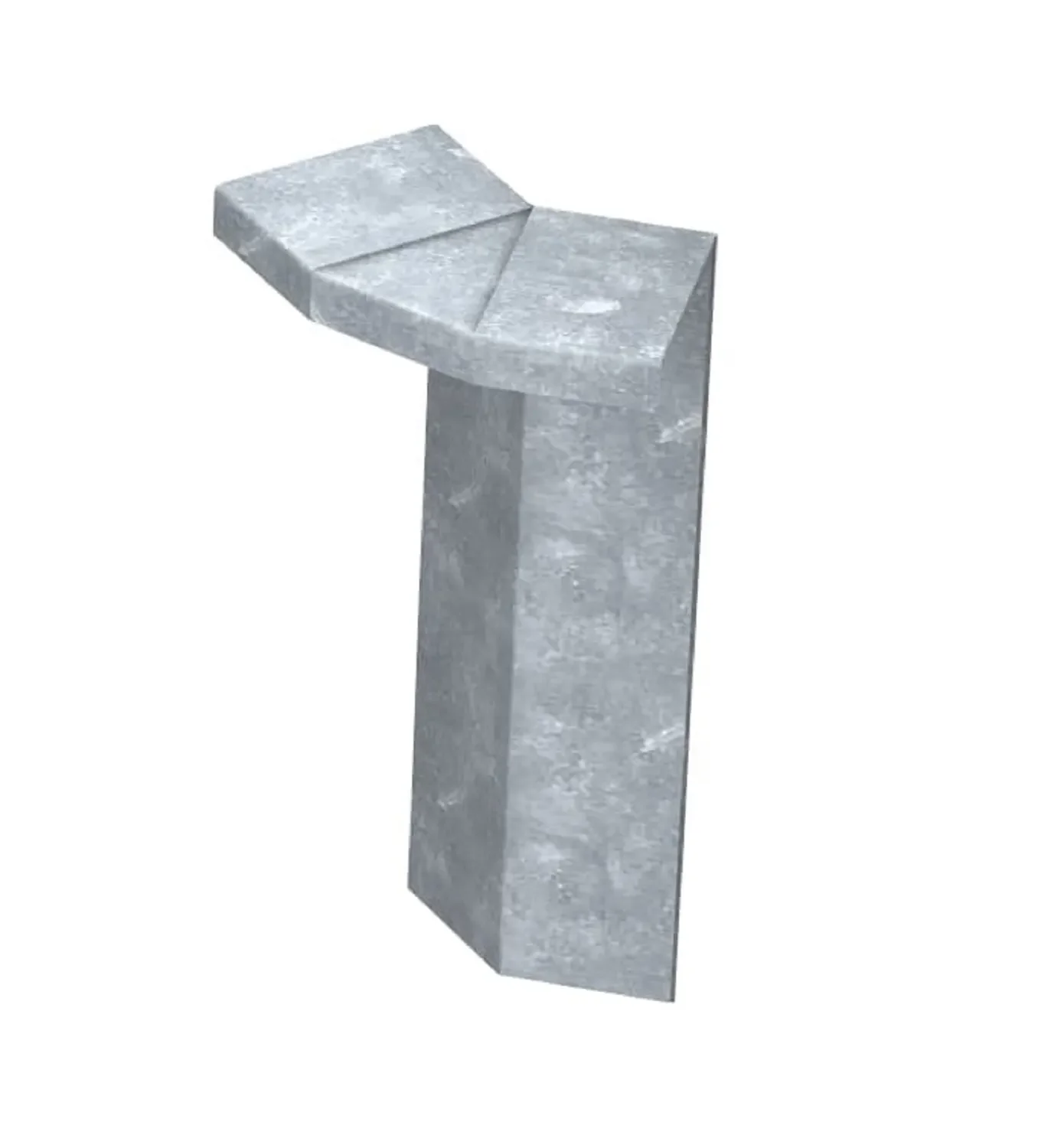
for 90-degree corners or for 135-degree angles. The fence should extend about 10 cm into the ground and 15 cm above it. Keep the area around it clear of plants that could provide a bridge.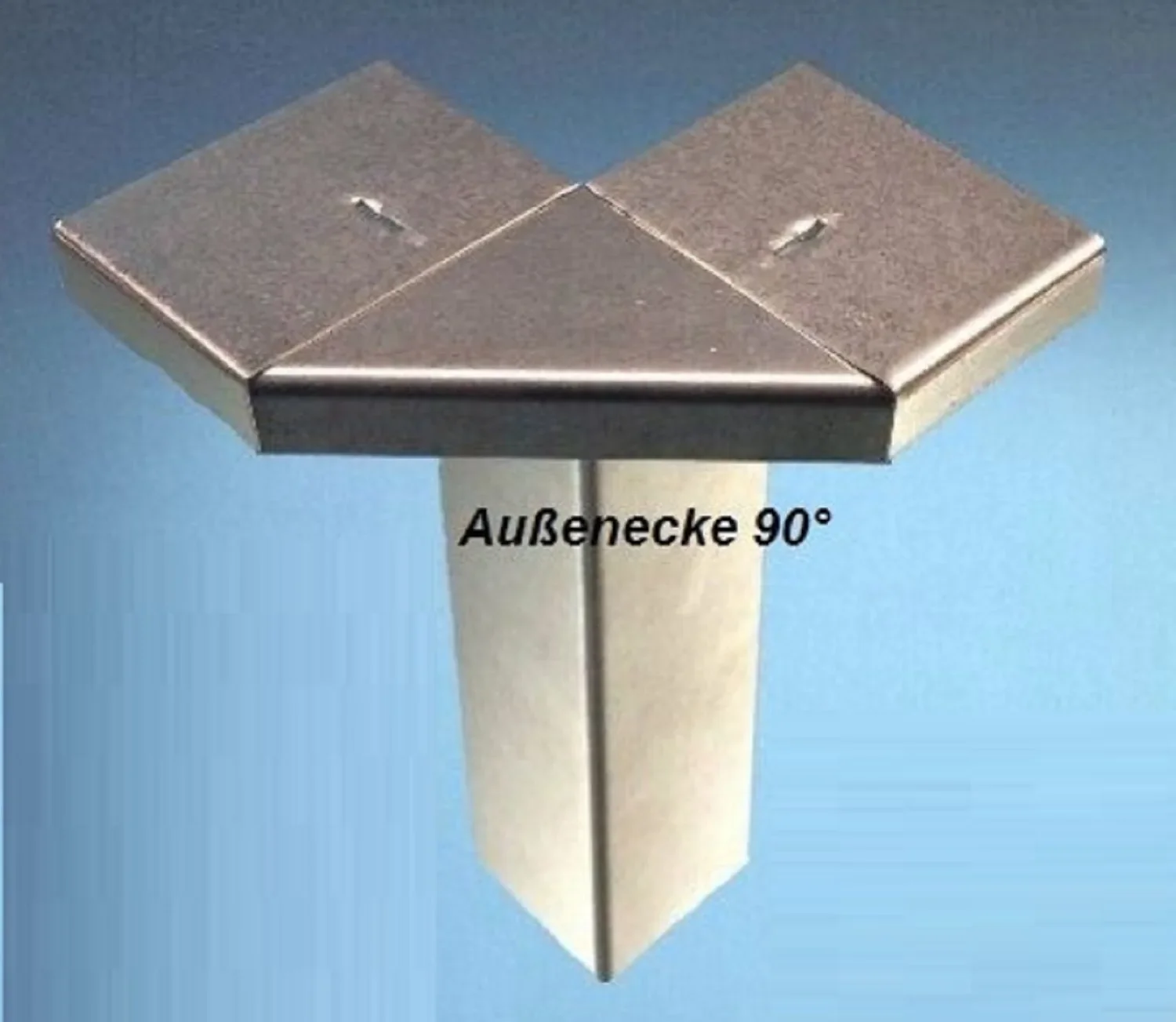
Important note
Slug bait containing metaldehyde is highly toxic to pets, hedgehogs and birds. Never use it without supervision. Choose products containing the active ingredient iron(III) phosphate instead. These are harmless to vertebrates and work specifically against slugs.
Collecting slugs and using traps
Collecting slugs regularly in the evening or after a rain shower works wonders. Use tweezers or special “garden snips” such as the
, which are also useful for other gardening tasks. Set out damp boards or overturned terracotta pots as traps and check them in the morning.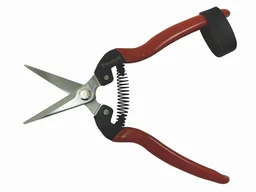
“The best time to collect slugs is two hours after sunset. This is when most harmful slugs are active. Release them in a natural hedge at least 100 meters away from the garden. This breaks their way back.”
Beer traps are controversial. They attract slugs from a considerable distance, too. This can draw more slugs into your garden than you started with. Use them only alongside an impenetrable barrier.
How can I make my garden less attractive to slugs?
Create an environment that slugs avoid. Dry conditions and natural predators are your allies.
Water your garden in the morning, not in the evening. This gives the surface time to dry before nightfall. Mulch with sharp-edged materials such as straw or bark mulch. Avoid dense, damp ground cover right beside vegetable beds. A well-designed garden irrigation system helps you use water precisely.
Additional advice
Plant slug-resistant varieties. Slugs avoid strongly scented herbs such as lavender, rosemary and thyme. Among vegetables, garlic, onions, rhubarb and Swiss chard are usually safe. Choose hardy perennials such as lady’s mantle, foxglove and peonies.
Encourage natural predators. Build hedgehog shelters from leaves and wood. Create a habitat for toads and other amphibians with a small pond. Let runner ducks roam if conditions are suitable. A wildlife-friendly garden often regulates itself.
Which products really help control slugs?
Not every product delivers on its promises. Choose proven physical solutions.
A high-quality slug fence is an investment that will last for years. The is made of sturdy steel sheet and is easy to install. Combine it with the matching corner elements and to create a completely sealed barrier.
For maintaining the area around your beds and trimming overhanging plants, a precise tool such as the is essential. Sharp edges around the bed leave slugs with no last chance to bypass the barrier.
For everyday gardening tasks, you’ll find more useful tools in our extensive Garden + Outdoor category.
Don’t forget to protect your compost. A close-mesh wire basket prevents slugs from breeding there in large numbers. Choose sturdy material from our garden fleece and nets range.
Slugs: a manageable part of the garden
It’s a mistake to demonize all slugs. Welcome beneficial species as helpers in your ecosystem. Focus your control efforts on the few harmful slugs and on the sensitive areas of your garden.
With a combination of knowledge, preventive garden design and targeted mechanical barriers such as slug fences, you can get the upper hand. Your lettuce will be spared, and your garden will remain a lively, diverse place.
Start by identifying the species, then choose long-lasting solutions. A well-installed slug fence gives you lasting peace of mind and lets you enjoy gardening without constantly worrying about damage to your plants.
Frequently Asked Questions
- Which snails are beneficial in the garden?
- Truly beneficial species include shelled snails such as the Roman snail and the banded snail. They mainly feed on dead plant material, algae and fungi. Even the small, translucent field slug plays a valuable role in breaking down organic matter in the compost. These species should definitely be protected.
- Why are there so many slugs in my garden?
- A large slug population often indicates ideal living conditions: damp hiding places under boards, thick mulch or plant debris, regular evening watering, and plenty of food from favorite plants such as lettuce, hostas or young sunflowers.
- How does a slug fence really work?
- A metal slug fence such as PRODUCT_38727 works thanks to its rolled, outward-angled edge. Slugs cannot get over this lip. Correct, gap-free installation is essential, including PRODUCT_26667 at the corners, as is keeping the barrier clear of overhanging plants.
- Are slug pellets harmful to other animals?
- Conventional metaldehyde-based slug pellets are also dangerous for pets, hedgehogs and birds. Iron(III) phosphate products are a better option because they target slugs. The safest method is still a mechanical barrier, such as a fence, or regularly hand-picking slugs early in the morning.
- Can I completely eradicate slugs from my garden?
- No, and there’s no good reason to. The aim is to control harmful slugs. A garden completely free of slugs would be ecologically impoverished. Focus protective measures on vulnerable beds. Hardy perennials and herbs often remain untouched.
You might also be interested in
- How to Get Rid of Slugs in the Garden: Effective Tips & Home Remedies
- How to Make Your Own Slug Trap: Effective Methods for Dealing with a Slug Infestation
- Slug-Resistant Plants: These Varieties Protect Your Garden Bed
- How to Effectively Deal with a Slug Infestation After Rain
- Insects and Spiders: The Best Helpers for Your Garden
- Effective Pest Control in the Garden: Tips & Tricks