
In brief: A cordless sprayer helps with all gardening tasks that require even, low-effort application of liquids. It is ideal for targeted weed control in spring, full-coverage pest control in summer, and applying plant-strengthening products in fall. Constant pressure ensures efficiency and saves your energy.
A well-maintained garden is the result of consistent work. Watering, fertilizing, pulling weeds and keeping pests at bay—the task list is long. Smart garden care means tackling these jobs more intelligently, not more strenuously. The sprayer is a key tool for this. However, constantly pumping manual models takes time and effort. This is where modern technology can transform your gardening.
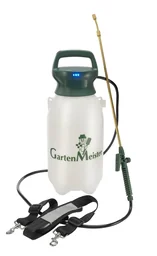
A cordless sprayer takes the most strenuous work off your hands and delivers professional results. Instead of building up pressure manually, a powerful battery handles this task at the touch of a button. The Westfalia cordless sprayer Lithium-Ion 8 Liter "GM ASL 8" () is one such powerhouse. With its 8-Liter tank and constant spray pressure, plant care goes from a strenuous chore to a precise and relaxed task.
Why is a cordless sprayer the smart choice for your garden?
You know the situation: holding a manual pump sprayer in one hand and the spray wand in the other, you try to keep the pressure constant. After a few minutes, your strength starts to fade, the spray becomes uneven and the job drags on. A cordless sprayer solves this problem at its source.
Consistent pressure for perfect results
The key advantage is consistent working pressure. An integrated pump powered by the lithium-ion battery maintains a constant flow from the first drop to the last. The result is even coverage of your plants. You can apply nutrients, plant protection products or weed killer evenly, without over-application in certain areas. This saves product and protects the environment.
Ergonomics and working comfort
Model comes with a comfortable shoulder strap. You can carry the weight of the 8-Liter tank comfortably on your back and guide the lightweight spray wand effortlessly with one hand. This allows hours of fatigue-free work, even over large areas or when treating tall shrubs and trees. No pumping, no bending, no sore arms.
A uniform spray mist that also reaches the undersides of leaves is the key to successful pest control. Battery-powered devices make this professional standard accessible to every home gardener.
Investing in a cordless sprayer pays off through time savings, comfort and, above all, visibly better results in your garden. You work more efficiently and get more enjoyment from caring for your plants.
Spraying weeds in spring: How do you target them effectively?
Spring is prime season for weed control. As soon as temperatures rise, dandelions, ground elder and other weeds sprout and spread through lawns and beds. Now is the right time to take targeted action, before weeds get out of hand and set seed.
The right time and the right product
Treat weeds while they are young and actively growing. This is when they absorb active ingredients most effectively. Choose a dry, windless day so the product does not drift onto nearby cultivated plants. Precision is important when selecting the product. In lawns, you need a selective herbicide that targets broadleaf weeds while leaving the grass unharmed. You can find suitable products in the lawn fertilizer with weed killer category.
Application technique with a cordless sprayer
When applying herbicides, set a coarse droplet size on the nozzle. A coarse spray pattern significantly reduces wind drift. Guide the wand over the areas being treated, maintaining an even distance. The cordless sprayer's constant pressure ensures that every spot receives exactly the same amount. This helps you avoid unsightly yellow patches caused by over-application or gaps where weeds continue to grow.
Important note
Protect your ornamental and edible plants when controlling weeds. Use a spray shield or hold a piece of cardboard between the weed and the cultivated plant. Always wear gloves and safety goggles when working with plant protection products.
Effective pest control: How can you tell when it is time to act?
Aphids on roses, spider mites on cucumbers or fungal disease on tomatoes—pests and diseases can quickly ruin your harvest and floral display. A fast response is essential. The right pest control tips can help you keep your plants healthy.
Early detection is everything
Inspect your plants regularly, especially the undersides of the leaves. Look for sticky residue (honeydew from aphids), fine webs (spider mites), feeding damage or powdery coatings (powdery mildew). The earlier you detect an infestation, the more easily and gently you can control it. In the early stages, biological products such as neem oil or potassium soap solution are often enough.
The best time to apply
It is best to spray plant protection products early in the morning or late in the evening. Strong sunlight can burn the leaves. Bees and other beneficial insects are also less active at these times. A cordless sprayer lets you treat plants quickly and efficiently. Its fine spray mist coats the plants from all sides, which is especially important when pests are hiding on the undersides of leaves.
Additional advice
Keep a garden journal. Note when different pests appear. This allows you to take preventive action next year and be better prepared before an infestation can spread widely.
Garden sprayer in autumn: What tasks need to be done now?
Even though the gardening season is drawing to a close, there are important autumn tasks where a sprayer can help. Now is the time to lay the foundations for healthy plant growth next year. The motto is: strengthen and protect.
Strengthening plants before winter
Autumn is the ideal time to prepare your plants for winter. Use a sprayer to apply liquid plant-strengthening products such as horsetail extract or algae lime. These strengthen cell walls and make plants more resistant to frost and winter diseases. A liquid autumn lawn fertiliser can also be applied and dosed perfectly with a sprayer.
Winter protection for fruit trees and roses
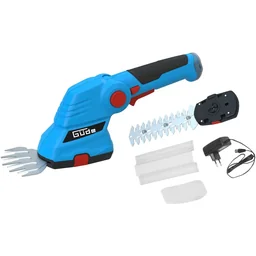
In autumn, you can carry out a preventative spray treatment on fruit trees against fungal diseases such as leaf curl. Roses also benefit from a final fungicide treatment to prevent fungal spores from overwintering on the leaves and in the soil. A cordless sprayer helps you reach even high branches effortlessly. Complement your autumn garden care with other helpers, such as the cordless garden care set () for the final shaping of shrubs.
Expert tip
Clean your sprayer thoroughly after every use, especially when switching between different products. Using a separate tank exclusively for herbicides is a safe way to prevent cross-contamination of your ornamental plants.
Beyond weeds and pests: What else can you use a sprayer for?
A cordless sprayer is far more than just a tool for plant protection. Its versatility makes it one of the most useful garden tools in your shed. Think beyond the classic applications.
Other applications at a glance:
- Liquid fertilising: Apply liquid fertiliser to lawns, vegetables or balcony plants quickly and evenly.
- Watering seedlings: A fine nozzle setting creates a gentle mist, ideal for watering delicate young plants.
- Moss removal: Treat patios, paths or roofs specifically with moss remover.
- Cleaning and disinfecting: Use the device with clean water to clean garden furniture or disinfect greenhouses and tools.
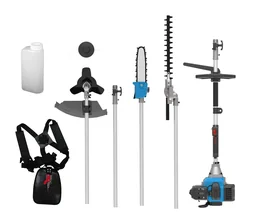
The flexibility of a sprayer shows how smart tools can take on several tasks. The 4-in-1 garden care set "GPS 1001" () is similarly versatile, combining various gardening tasks with a single drive unit.
How do you properly care for and maintain your cordless sprayer?
To keep your cordless sprayer as a reliable partner for many years, proper care is essential. A few simple steps after each use will maintain its performance and significantly extend its service life.
Clean after every use
Empty the tank completely and rinse it with clean water. Then add a little clean water, pressurise the device briefly and spray the water through the lance and nozzle until only clear water comes out. This prevents residue from building up and clogging the nozzle.
Caring for the battery and seals
Store the battery in a dry, frost-free place. Fully charge it before storing the device for the winter. Regularly check the seals on the tank cap and connections for cracks and signs of porosity. A little silicone grease keeps them supple.
The most common cause of sprayer defects is inadequate cleaning. Five minutes of care after work can save you expensive repairs and ensure that the device is ready for immediate use in spring.
A cordless sprayer such as the is a worthwhile investment for any gardener who values efficiency, comfort and perfect results. It supports you throughout the entire gardening year, from the first weed control in spring to the final plant strengthening in autumn, and makes gardening noticeably easier.
Frequently Asked Questions
- How often do I need to charge the battery in a cordless sprayer?
- Modern lithium-ion batteries have a long runtime, often lasting for several hours of continuous use. For most gardens, a full charge is enough for the entire application. Fully charge the battery after use and before storing it for longer periods to maximise its service life.
- Can I use any product in a cordless sprayer?
- Most liquid plant protection products, fertilisers and herbicides are suitable. However, always check the manufacturer's instructions for the product you are spraying. Aggressive, solvent-based or viscous substances can damage the seals and pump. Only use approved products.
- Is a cordless sprayer worthwhile for a small garden?
- Yes, even in small gardens, a cordless sprayer saves time and effort. Its effortless operation and precise, even application significantly improve results compared with hand spray bottles or manual pressure sprayers, especially when treating roses or vegetable beds.
- How do I clean a sprayer after using weed killer?
- Rinse the tank, hose and nozzle thoroughly with clean water three times. Then fill the tank with a mild soapy solution, run the device briefly and rinse it again with clean water. This prevents herbicide residues from accidentally reaching your crops.
- What pressure should I use for spraying?
- For weed control, use low pressure to create large droplets and minimise spray drift. When treating pests on leaves, higher pressure is useful for creating a fine mist that also thoroughly wets the undersides of leaves. Cordless devices maintain a consistent pressure.
You may also be interested in
- Cordless Lawn Mower: The Smart Choice for Your Garden
- Efficient Gardening: 10 Expert Tips for Cordless Grass Shears & X-Cultivator
- Your Gardening Calendar for Cordless Grass & Shrub Shears
- Battery Flat? How to Start the Gardening Season Without a Hitch
- Cordless Garden Tool Underperforming? 5 Common Problems & Solutions
- 4-in-1 Cordless Shears: Precise Edges, Neat Shrubs