
In brief: Smart heating controls the temperature automatically and according to your needs. It saves energy by keeping rooms warm only when they are in use and optimising heating times. Smart thermostats learn your habits and adjust the heating curve. This can reduce heating costs by up to 30 percent while increasing comfort at the same time.
Smart Heating: Save Energy and Boost Comfort
Heating costs are rising. At the same time, we want a warm and comfortable home. Smart heating solves this dilemma. It combines comfort with efficient energy management. Modern systems control the temperature automatically and learn your habits. The result is noticeably lower bills and a perfect indoor climate.
How does smart heating control work?
The core of smart heating is demand-based control. Instead of heating continuously, it adjusts the temperature to your actual usage. Smart thermostats replace the manual dials on your radiators. They are equipped with sensors, processors and a wireless connection.
These devices communicate with a central hub or directly with one another. They receive data from window contacts, outdoor temperature sensors or motion detectors. You control them via an app on your smartphone. You can programme schedules, or the heating can learn them automatically.
Pro tip
Start with smart individual thermostats in the rooms you use most, such as the living room and bathroom. Measure the temperature in the centre of the room at head height. This calibrates the sensors for the most accurate control.
A central heating controller also optimises the flow temperature of your boiler. It uses the outdoor temperature and desired room temperature for the calculation. This adaptive heating curve saves particularly large amounts of energy during transitional periods such as spring and autumn.
The role of smart thermostats
Smart thermostats are the actuators. They sit directly on the radiator valve. Their job is precise: they measure the room temperature and open or close the valve accordingly. High-quality models feature presence detection and open-window detection.
Installation is usually simple. Unscrew the old thermostat head and fit the smart one. Power is supplied by batteries or an energy-harvesting generator. You can then programme it conveniently from the sofa.
Why does home automation reduce heating costs?
The biggest energy drain in a household is heating empty rooms. Traditional heating systems run according to fixed schedules or remain at one setting. Smart systems put an end to this waste. They respond in real time to your presence and needs.
The savings are tangible. Lower the room temperature by just one degree Celsius at night or when you are away. This already reduces energy consumption by around six percent. Smart heating does this automatically without sacrificing comfort. It raises the temperature again in time before you wake up or return home.
Important note
You achieve the greatest savings in poorly insulated or uninsulated buildings. Smart control optimises operation but cannot compensate for structural deficiencies. Always combine it with basic measures such as insulating heating pipes.
Another factor is reducing overheating. Many households heat rooms more than necessary. Smart thermostats maintain exactly the target temperature you select. They also balance differences between rooms and prevent already warm rooms from heating up further due to sunlight.
Save energy with precise schedules and geofencing
Schedules are the classic option. You specify when each room should be at which temperature. Smart systems go further by using geofencing. Your smartphone's location acts as a signal. When you leave a defined area around your home, the heating automatically turns down.
When you return, the heating starts warming up in good time. This feature is ideal for irregular working hours or spontaneous trips. You do not have to think about anything. The heating responds to your life, not the other way around. You can find suitable products for the basic equipment of your smart home in our shop.
The most efficient energy is the energy that is never used. Smart heating systems switch off consumption precisely when it provides no benefit. This is the foundation of modern household energy management.
What comfort benefits do smart thermostats offer?
Comfort means more than just warmth. It is the feeling that everything works perfectly without any effort on your part. Smart thermostats deliver exactly that. They eliminate the hassle of adjusting every radiator manually. Control all rooms centrally from one device.
The increase in comfort can be seen in the details. You wake up in a perfectly heated bedroom. The bathroom is already pleasantly warm when you enter. Your home office is at the ideal temperature during your working hours. In the evening, a lower base temperature in the sleeping area helps you enjoy restful sleep.
Additional advice
Use the remote diagnostics features. Many apps warn you if a window has been left ajar for an extended period or if the heating does not reach the target temperature. This helps you identify draughty windows or radiators that need bleeding at an early stage.
Transparency is another often underestimated benefit. Smart heating systems record consumption. You can see in real time how much energy each room requires. This data helps you optimise your heating habits further. You can identify weak points and take targeted action.
Integration with your entire smart home
Smart heating is rarely a standalone system. It integrates seamlessly into your existing home automation. Control the temperature with voice commands via Alexa, Google Assistant or Siri. Connect it to blind controls.
When the sun is shining, the blinds open and the heating turns down. At night, the shutters close and the heating benefits from the improved insulation. This connected system maximises efficiency and comfort. It creates a cohesive ecosystem for your home.
How do I get started with smart heating control?
Getting started is easier than many people think. You do not have to convert your entire home at once. Begin with a starter set for two or three rooms. Choose rooms that are used most often and offer the greatest potential for savings. These are often the living room, bathroom and hallway.
Check whether your radiator valves are compatible. Measure the thread diameter or consult the manufacturer's specifications. Choose a system that meets your needs. Do you mainly want to use schedules, or would you also like geofencing and voice control?
Installation only takes a few steps. Fit the thermostat heads. Connect the bridge to your router. Install the app and pair the devices. Take time to set up schedules or teach the system your heating habits. The first few days are used for calibration.
User acceptance is crucial. A system that is too complicated will simply be switched off. The best smart heating system is one that runs in the background and gives residents a feeling of complete control without requiring daily effort.
Important preparations before installation
Before installing smart thermostats, you should have your heating system serviced. Bleed all radiators thoroughly. Only a properly bled radiator can heat efficiently and evenly. Check the hydraulic balancing settings, if available.
Another important step is securing your Wi-Fi connection. The bridge requires a stable signal. Place it as centrally in the house as possible. Wi-Fi repeaters may be necessary for very large living spaces or thick walls. Also remember to protect your outdoor equipment, for example with a robust tarpaulin for garden furniture that is stored over winter.
Which products support energy efficiency in the home?
In addition to heating control, other products can help you save energy. Good insulation is fundamental. Seal windows and doors. Insulate heating pipes in unheated rooms such as cellars or lofts. This prevents heat loss on the way from the boiler to the radiator.
Smart sockets completely switch off devices that consume power in standby mode. They combine energy monitoring with timers. Weatherproof covers are essential for outdoor use. They protect sensitive technology and furniture. This helps you avoid repairs and premature replacement purchases.
We recommend these in-stock products for your project:
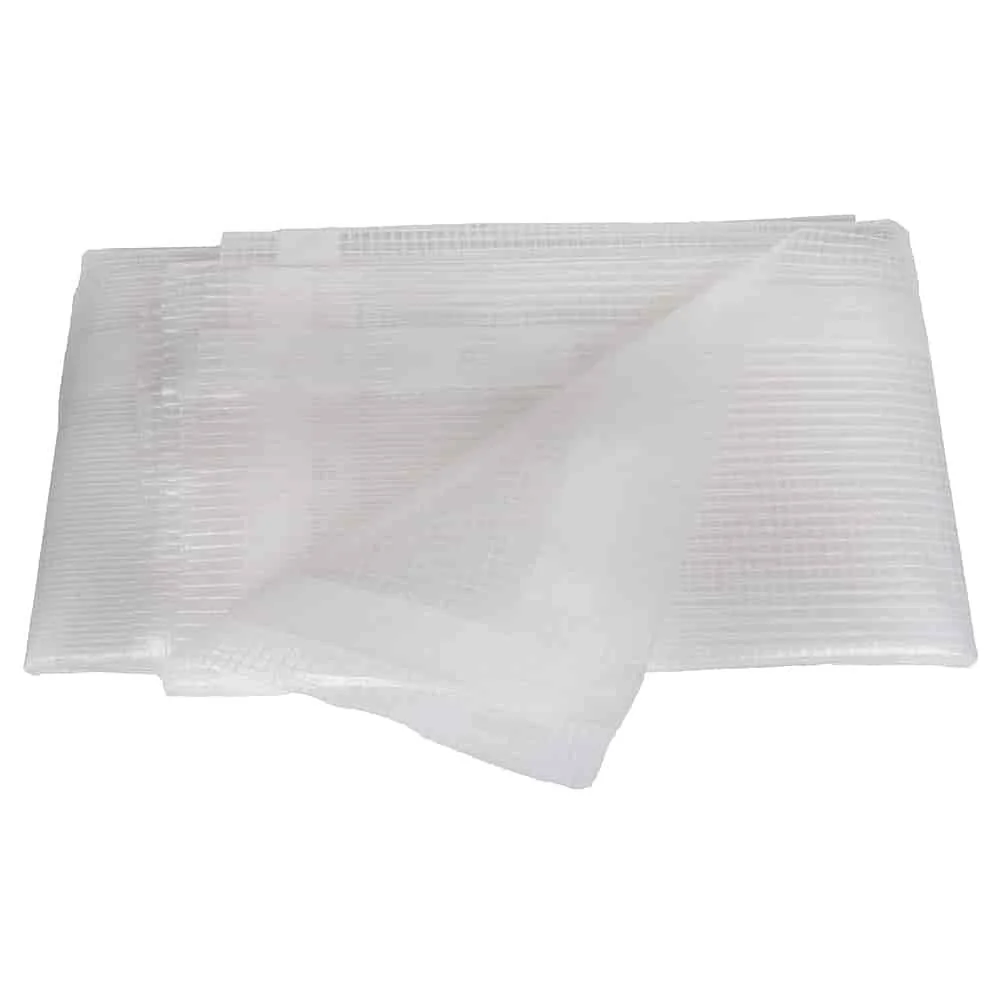
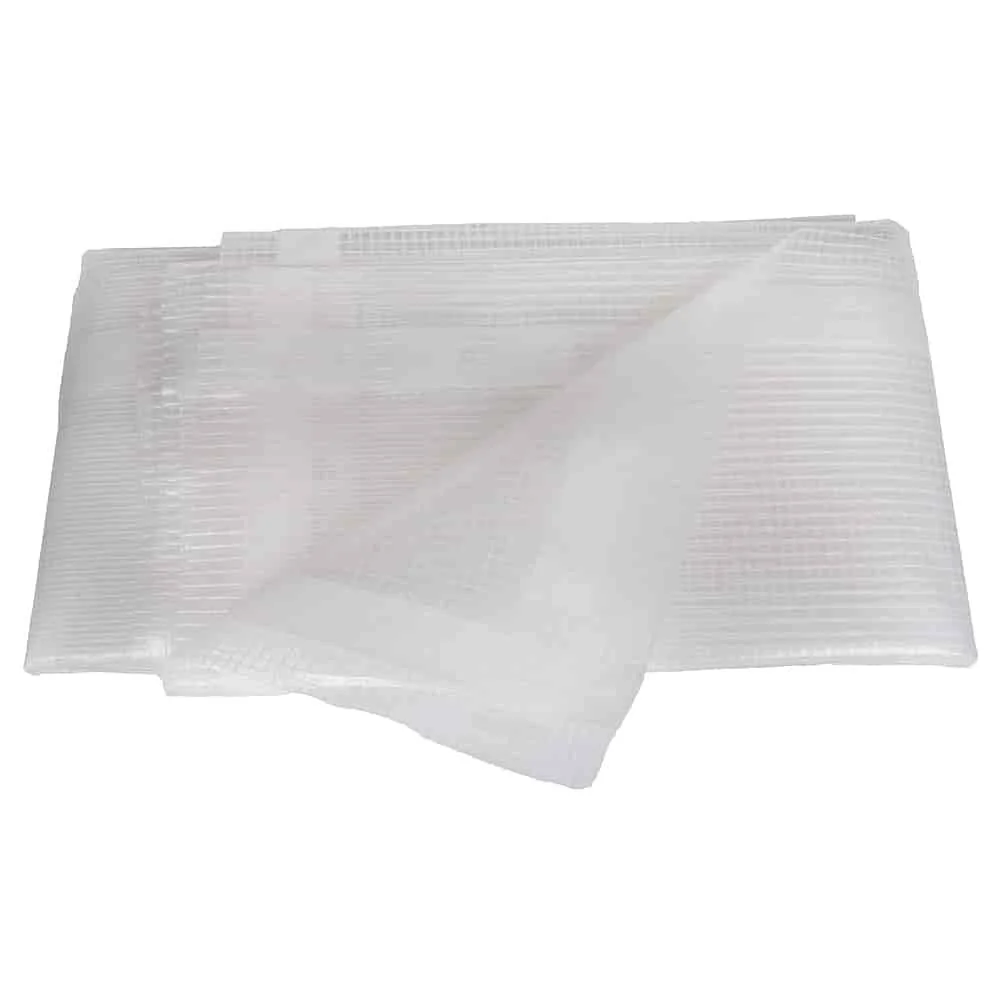
: This transparent tarpaulin made from tear-resistant mesh covers an area of 12m². It is UV-resistant and suitable for long-term protection of garden furniture, firewood or equipment.: This larger protective tarpaulin (20m²) is waterproof and robust. Use it to cover barbecues, garden tools or as a protective layer during renovation work.: With 24m² of coverage, this tarpaulin offers maximum flexibility. The waterproof mesh sheet withstands severe weather and is ideal for securing leaves or compost.
Think holistically. Smart heating is a powerful way to improve efficiency. Combine it with other energy-saving measures from the areas of plumbing and irrigation and business supplies. This allows you to reduce your overall energy costs sustainably.
The importance of maintenance and monitoring
Technology needs care. This also applies to your smart heating system. Replace the batteries in the thermostats in good time, before they run out. Many apps send an alert. Clean the thermostats regularly to remove dust. This ensures accurate temperature measurement.
Use your app's monitoring features. Analyse your consumption data every month. Have you noticed any unusual patterns? Perhaps one room is suddenly heating more than usual. This could indicate an open window, a faulty window contact or a problem with the radiator. Detecting issues early saves money.
Smart heating is an investment in comfort and lower costs. It gives you back control and automates one of the biggest household tasks. Start small, expand step by step and enjoy cosy warmth and lower bills.
Frequently asked questions
- How much can I save with smart heating?
- The savings depend on your building and usage habits. Realistically, you can reduce heating costs by 10 to 30 percent. The biggest savings are achieved in poorly insulated homes and when you are regularly away, thanks to automatic temperature reduction.
- Can I connect smart thermostats to my old heating system?
- Yes, in most cases. Many smart thermostats are designed for standard radiator valves (M30x1,5). Check the valve type before buying. An adapter often solves compatibility problems. The system can then be controlled via radio or an app.
- Do I always need an internet connection for smart heating?
- No. Basic functions such as schedules run locally on the thermostat. Wi-Fi is required for remote control via an app, voice commands or integration with other smart home systems. Some systems also work via Bluetooth, but with a limited range.
- Are window sensors useful with smart heating?
- Very much so. Window sensors notify the heating system as soon as a window is opened. It then immediately lowers the temperature or switches the radiator off completely. This prevents you from wasting heat while letting in cold air and helps save additional energy.
- What is the difference between smart individual thermostats and central control?
- Smart individual thermostats control each radiator separately. Central control often regulates the boiler or heat pump based on the outdoor temperature and room temperature. Combining both—individual room control and an optimized heating curve—delivers the greatest results.
You may also be interested in
- Heat your home efficiently & save energy: tips for your home
- Smart home heating & lighting: efficient & comfortable
- Modernize your gas heating system: improve efficiency & reduce costs
- Wi-Fi heating thermostats: smart heating & lower costs
- Heat pumps: optimize electricity consumption and save money
- Save on heating costs in winter: heat efficiently without getting cold