
In brief: A smelly shower drain is usually caused by grease, soap residue and hair decomposing in the trap. Bacteria break down these organic deposits and release foul-smelling sulfur gases. You can often get rid of the smell yourself by cleaning the drain mechanically, flushing the trap or using household remedies such as baking soda and vinegar. For stubborn clogs, specialist drain cleaners or professional drain cleaning can help.
Smelly Shower Drain: Causes & DIY Fixes
A musty, foul smell coming from your shower drain can ruin a relaxing shower. You don't have to put up with it. The cause is often simple and can be dealt with using household remedies and a little elbow grease. We'll show you where the smell comes from and how to get rid of it.
What are the most common causes of drain odors?
Unpleasant drain odors are almost always caused by biological buildup. Organic matter collects in the drain and breaks down.
Hair, soap residue and dead skin
Every shower washes hair, skin particles and soap residue down the drain. These materials get caught in the trap or along the pipe walls. Over time, they form a sticky biofilm that provides an ideal breeding ground for bacteria. These bacteria are the real cause of the foul smell.
Conventional soaps and shower gels in particular leave behind a film of grease. This film traps more particles and adds to the buildup. The smell often starts gradually and gets stronger over time.
“A dry trap is the most common single cause of intermittent drain odors in guest bathrooms or second showers that see little use. The water seal has simply evaporated and needs to be replenished.”
A dry trap or water seal
The trap, the U-shaped pipe beneath your drain, plays an important role. The water sitting in the bend creates a barrier that keeps sewer odors out. If the shower isn't used for a long time, this water seal evaporates.
Once the barrier is gone, sewer gases can rise freely. The smell is often sulfur-like and hard to miss. This problem typically occurs in second bathrooms, vacation homes or after a trip away.
Pro tip
Check the trap before doing any intensive cleaning. Run cold water down the drain for two minutes. If the smell goes away, the water seal had simply dried out. This simple fix saves time and cleaning products.
Clogs and standing water
A developing clog doesn't just slow down the drainage. Water trapped behind the clog starts to stagnate and rot. Organic particles break down right in front of your drain.
This smell is usually musty and persistent. You can often clear a minor clog with mechanical tools such as a suitable drain snake or our
(drain snake). It reliably pulls hair and larger debris out of the drain.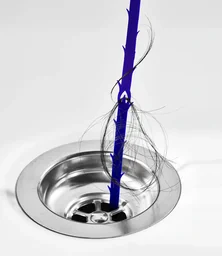
How can you get rid of drain odors yourself?
You don't need to call a plumber straight away. Many methods are simple, affordable and effective.
Mechanical cleaning: the first step
Start by removing any visible debris. Take out the drain cover or strainer. Clean it thoroughly under running water. Then use the drain snake or a bent wire coat hanger.
Carefully feed the tool into the drain and twist it. Pull it out and dispose of any hair and gunk you remove. Repeat until nothing else comes out. This method tackles the main cause of many drain odors.
Household remedies: baking soda, vinegar and hot water
This combination is a classic household cleaning remedy. It helps clean and neutralize odors. Pour half a cup of baking soda into the dry drain. Then pour in half a cup of white vinegar.
The chemical reaction loosens deposits and kills bacteria. Leave the mixture to work for about 30 minutes. Then flush the drain with a kettle full of boiling water. Repeat the treatment after a week if needed.
Important note
Don't use boiling water if your drain pipes are made of PVC. Extreme heat can warp or damage plastic pipes. In that case, use very hot tap water, but not boiling water.
Use chemical and enzymatic cleaners as needed
Specialist cleaners can help with stubborn grease and biofilm. Enzymatic cleaners break down organic matter biologically, without harsh chemicals. They're more environmentally friendly and gentler on pipes.
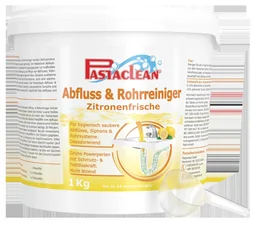
For a deeper clean, try products such as our
(lavender-scented drain cleaner powder) or (lemon-scented). Always follow the directions on the packaging. Wear gloves when using the product.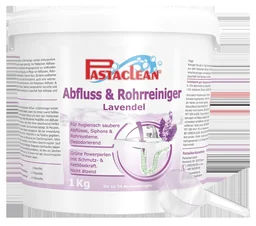
“Regular use of enzymatic cleaners helps prevent odors by continuously breaking down biofilm. They work like a miniature wastewater treatment plant right inside your drain.”
When Should You Remove the Trap or Drain?
If all surface-level methods fail, the problem may be in the trap itself. Removing it is often easier than you might think.
Accessing and Opening the Shower Trap
Many shower drains, especially in shower trays, have an accessible trap. Place a bucket under the U-bend. Use a pipe wrench to loosen the slip nut holding the trap in place. Be careful, as some water may still drain out.
Remove the trap and clean it thoroughly with a brush and hot water. Check for any solid buildup inside. Refit the clean trap and hand-tighten the nut.
Extra tip
While the trap is open, take the opportunity to flush the pipe behind it with water from a garden hose or shower head. This removes buildup just beyond the trap.
For Built-In Shower Units
In walk-in showers or shower enclosures that are permanently sealed in place, the trap is often not directly accessible. In these cases, you may need to replace the entire drain assembly. Products such as our
(horizontal shower drain for shower units) are designed for these installations.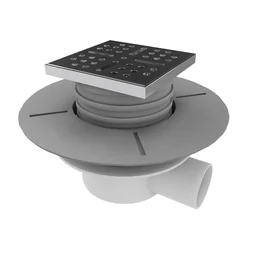
Installation requires DIY skills and knowledge of plumbing and irrigation. If in doubt, hire a professional to avoid water damage caused by leaks.
How Can You Prevent Future Odors?
Regular care is the key to a fresh-smelling drain. A few simple habits can make all the difference.
Regular Flushing and Care
After each shower, let cold water run briefly. This flushes loose particles into the trap and cools any grease residue, making it less sticky. Remove hair from the drain cover every week.
Once a month, give the drain a thorough clean with hot water and a little dish soap. For a pleasant scent and subtle lighting, you could also consider an
(LED drain stopper). It gives your drain an attractive cover.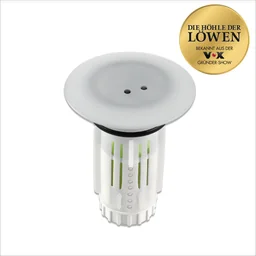
Choose the Right Products for Lasting Freshness
Along with mechanical cleaning, special care products can help. Scented stones such as the
(Abfluss-Fee 4-piece scented stone set) release a fresh scent for weeks without affecting drainage. They’re a hands-off way to keep your drain smelling fresh.
It’s worth keeping enzymatic cleaner or a drain snake on hand for household maintenance. That way, you’re ready for the next clean without an extra trip to the store.
When Should You Call a Professional?
Not every problem can be fixed with a DIY approach. Know when it’s time to call in an expert.
Signs of a Deeper Blockage or Pipe Damage
If the water still won’t drain properly after cleaning, or the smell returns despite your efforts, the problem may be deeper in the pipes. A musty smell from several connected drains can point to an issue with the shared soil stack.
Visible dampness on walls or ceilings below the shower is another warning sign. It could mean there’s a leaking pipe in the house drainage system. Contact a plumber if you notice these signs.
What a Professional Does: Drain Cleaning and Inspection
A professional has tools such as motorized drain augers and high-pressure cleaners. They can clear blockages several meters from the drain. They can also use a camera to inspect the condition of your pipes.
This is a worthwhile investment if problems keep coming back. It saves time, money and hassle in the long run. A properly functioning drainage system protects your home from water damage and hygiene risks.
A smelly shower drain is annoying, but it’s usually manageable. Start with mechanical cleaning and simple home remedies. Get practical tools such as a drain snake or enzymatic cleaners. With regular care, you can keep your drain fresh and working properly. For anything beyond that, Westfalia has a wide range of products for your home and garden.
Frequently Asked Questions
- Why does my shower drain smell sometimes?
- An intermittent smell often points to a dry P-trap. If the shower hasn’t been used for a while, the water in the trap can evaporate. This lets sewer gases enter the room. Simply run some water to refill the trap and restore the seal that blocks odours.
- Can I use chemical drain cleaners in the shower?
- Yes, but use them with caution. Harsh chemical cleaners can damage old pipes, especially plastic ones. Enzyme-based cleaners or mechanical methods, such as a plunger or drain snake, are a better choice. Always wear protective gloves and ensure good ventilation when using chemicals.
- How often should I clean my shower drain to prevent odours?
- A monthly deep clean with hot water and dish soap helps prevent grease and grime from building up. Remove visible hair from the drain cover weekly. If the shower gets frequent use, a more thorough clean with household ingredients like baking soda and vinegar every three months can help break down biofilm.
- What should I do if household remedies don’t get rid of the drain smell?
- If baking soda, vinegar, or mechanical cleaning doesn’t work, the problem may be deeper in the pipe system. Check the P-trap beneath the shower drain for clogs. If you suspect a partially blocked drain stack or a problem with the home drainage system, call a professional.
- Can hair alone cause a bad smell like this?
- Yes. Hair breaks down slowly and, together with soap residue, creates an ideal breeding ground for bacteria. As these anaerobic bacteria break down the buildup, they produce foul-smelling gases such as hydrogen sulfide. Regularly removing hair is therefore the most effective way to prevent odours.
You might also be interested in
- Smelly drain? Find the cause and get rid of odours
- How to clear a clogged drain: Home remedies and tips
- Low water pressure? Get your shower working like new
- How to clean a drain with household ingredients: The baking soda and vinegar method
- How to clean a bathroom: Top tips for a sparkling space
- Tree roots in sewer pipes: How to spot and fix the problem