
In brief: The best snow shovel depends on how much snow you get and the area you need to clear. Lightweight plastic shovels work well for powder, while models with an aluminum blade and steel edge are better for wet, heavy snow. For large areas, an ergonomic wheeled snow shovel can reduce lifting and help protect your back.
Winter is on its way. Along with cozy evenings, it brings the task of clearing snow from sidewalks and driveways. A reliable snow shovel is essential, but there are many models to choose from and their differences matter. The wrong shovel can mean extra effort and, in the worst case, back pain. This guide will help you find the right model for your needs and clear snow efficiently and safely.
Which snow shovel is right for me?
There is no single perfect snow shovel. The best choice depends on several factors: the type of snow you typically get, the size of the area you need to clear, and your physical condition. A lightweight snow shovel may be enough for a small front step covered in powder, while a large driveway with wet, heavy snow calls for a sturdier tool. Consider your needs before you decide.
Material check: plastic, aluminum, or steel?
The material of the shovel blade affects the snow shovel’s weight, durability, and ideal use.
Plastic: Plastic snow shovels, such as the simple , are lightweight and affordable. They work well for loose powder, and their low weight helps conserve energy. However, plastic can become brittle and break in very low temperatures. Plastic shovels also struggle with compacted or icy snow.

Aluminum: Aluminum models offer an excellent compromise. They are much sturdier than plastic while remaining relatively lightweight. Aluminum shovels glide well through wet, heavy snow and resist rust. Many have a steel edge to help tackle light layers of ice.
Steel: For the toughest jobs, steel snow shovels are a great choice. They are extremely durable and can break through even compacted, icy snow with ease. The tradeoff is their weight, which makes the work more strenuous. Steel edges can also scratch delicate surfaces such as wooden decks or soft paving stones.
Shovel blade shape: wide, narrow, high-sided, or curved?
The blade’s shape affects how much snow you can collect with each pass and how easily you can control it. Wide blades over 50 cm clear large areas quickly, but take more effort when fully loaded. Narrower blades are easier to maneuver on narrow sidewalks and in tight spaces.
Tall sides on the shovel blade are a useful feature. They keep snow from spilling over the edges as you push, so you can move more snow with each pass. A slight curve in the blade also helps guide and control the snow.
The handle: ergonomics matter
An often-overlooked part is the handle. Its length, material, and grip affect comfort and back health. It should be long enough for you to stand upright while working without bending too far. An ergonomically shaped, S-style handle can further reduce back strain by giving you better leverage.
D-shaped grips are the most common design. They provide secure control with both hands and make it easier to tip the shovel when unloading. An insulated grip is more comfortable to hold in freezing temperatures.
Shoveling snow places particular strain on the lower back. To help prevent injuries, work with a straight back and slightly bent knees. Keep the snow shovel close to your body so the load is distributed more effectively.
How can I clear snow efficiently and protect my back?
Even the best tool is of little use if your technique is wrong. Poor shoveling technique is a common cause of winter injuries, especially muscle strains and back problems. With the right approach, you can work more safely and much faster.
Use proper posture and technique
Good posture is key to protecting your back. Bend your knees slightly and keep your back as straight as possible. Push the snow instead of lifting it. Lift only when necessary, using your legs rather than your lower back. Fill the shovel only halfway, especially when dealing with wet snow.
Avoid twisting your upper body when unloading the snow. Instead, turn your whole body with your feet. Hold the handle with one hand close to the blade and the other on the grip for maximum leverage. Short, regular breaks help loosen your muscles and prevent overexertion.
Pro tip
Warm up briefly before shoveling snow. A few minutes of arm circles, bodyweight squats, and gentle core stretches prepare your muscles for the effort and can help prevent injuries.
Plan your snow-clearing strategy
Planning makes all the difference. During heavy snowfall, start clearing early and repeat as needed. It is easier to push a few centimeters of snow several times than to deal with a thick, compacted layer later. Decide in advance where you will pile the snow. Be careful not to block drains, fire hydrants, neighbors’ driveways, or access to trash cans.
For large areas, a clear strategy works well: first clear a path down the middle. From there, you can push the snow toward the sides. This is much more efficient than moving snow across the entire area.
Important note
Shoveling snow is strenuous physical activity that puts significant strain on your cardiovascular system. People with existing health conditions, high blood pressure, or low fitness levels should take care and, if in doubt, consult their doctor before winter. Listen to your body and take a break right away if you experience pain or shortness of breath.
Specialized Snow Removal Tools: More Than Just a Snow Shovel
For specific needs, specialized garden tools can make snow removal much easier. If you regularly need to clear large areas, one of these tools may be a worthwhile investment.
The Wheeled Snow Pusher for Large Areas
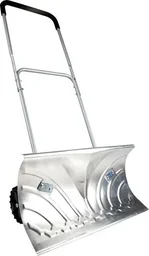
A real time-saver for driveways, yards, and parking lots is the wheeled snow pusher. It has a wide, often adjustable blade and large wheels. Instead of lifting snow, you push it ahead of you like a snowplow. This eases the strain on your back and lets you clear level surfaces quickly, with minimal effort.
Snow Sleds and Push Scrapers
A snow sled, also called a snow scoop, is an oversized shovel without a long handle. It holds several times more snow than a standard snow shovel and slides along the ground. Load it up, then pull or push it to where you want to pile the snow. It’s ideal for moving large amounts of snow over longer distances.
A push scraper, or ice scraper, is made for tough jobs. Its solid, sharp steel blade can break through thick layers of ice and packed snow that a standard snow shovel can’t handle.
Snow Pushers with Wheels
An updated take on the classic model is the hand snow pusher with wheels. Similar to a wheeled snow pusher but often more compact, it’s easier to push thanks to the wheels attached to the blade. The wheels reduce resistance, making it easier to clear sidewalks and driveways. These models combine the maneuverability of a hand snow shovel with the effort-saving benefits of a wheeled pusher.

Extra tip
Take care of your winter tools. After use, remove salt residue and dirt from your snow pusher and store it in a dry place. This helps prevent metal parts from corroding and protects plastic from becoming brittle after prolonged UV exposure in summer. Proper care can significantly extend the tool’s service life.
Why Is the Edge on a Snow Pusher So Important?
The front edge of the blade comes into direct contact with the ground and snow. Its design affects how cleanly you can clear snow and whether the surface might get damaged.
The Durable Steel or Aluminum Edge
A metal edge is standard on high-quality snow pushers. It’s highly durable and resistant to wear. You can use it to scrape packed snow off the ground and even break through thin layers of ice. The downside: on delicate surfaces such as a wooden deck, natural stone pavers, or painted floors, a metal edge can leave unsightly scratches.
The Gentle Plastic or Rubber Edge
For scratch-sensitive surfaces, choose a snow shovel with a plastic or rubber edge. It glides gently over the ground and is much quieter than a metal edge. However, these edges wear down faster, especially on rough concrete. On some models, you can replace the edge when it wears out.
The Legal Side: Your Snow Removal Responsibilities
Clearing snow isn’t just a matter of convenience; it’s also a legal responsibility. As a property owner, you’re responsible for keeping the sidewalks adjoining your property safe. This so-called snow and ice removal obligation is governed by local ordinances.
As a rule, sidewalks must be kept clear of snow and ice from 7 a.m. to 8 p.m. on weekdays, and from 9 a.m. on Sundays and public holidays. If snow continues to fall, you may need to clear the area several times a day. The cleared path should be wide enough for two pedestrians to pass each other. Check with your local municipality for the exact requirements, as they can vary. Reliable tools for all your Garden + Outdoor needs are essential. For commercial users, these are part of their business supplies.
Property owners are required to clear snow and ice from the sidewalks in front of their property. If they fail to do so and a passerby falls, they may be held liable for the consequences. This can be expensive.
With the right snow pusher and proper technique, clearing snow becomes a manageable task rather than a tiresome chore. Invest in a quality tool that suits your needs. Your back—and your schedule—will thank you. You’ll be ready when the first snowflakes fall.
Frequently Asked Questions
- Which material is best for a snow shovel: plastic, aluminum, or steel?
- Plastic is lightweight and works well for powdery snow. Aluminum is a good all-around choice: durable yet lightweight. Steel is exceptionally strong and ideal for breaking up ice and compacted snow, but it’s also the heaviest option. The right choice depends on the typical snow conditions in your area and your strength.
- How can I prevent back pain when shoveling snow?
- Bend your knees and keep your back straight. Push the snow instead of lifting it. Use small, controlled movements and avoid twisting your upper body. An ergonomically shaped handle can provide extra support. Warm up before you start.
- When am I required to clear the sidewalk?
- As a rule, the obligation to clear snow applies from 7 a.m. to 8 p.m. on weekdays and from 9 a.m. to 8 p.m. on Sundays and public holidays. If it continues to snow, you may need to clear the sidewalk several times a day. Check your local requirements, as they may vary.
- Is a snow pusher with wheels better?
- For large, level areas such as driveways or courtyards, a wheeled snow pusher can make the job much easier. You can push snow to the side without lifting heavy loads. For narrow paths or stairs, a traditional, easy-to-handle snow shovel is more suitable.
- What is the edge on a snow pusher for?
- A metal edge (steel or aluminum) helps loosen compacted snow and ice. It’s highly durable, but it can scratch delicate surfaces. A plastic or rubber edge is gentler on surfaces such as wooden decks or high-quality pavers, but it wears down faster.