
In brief: Snow gets under roof tiles mainly because of strong winds, storms, or tiles that have shifted, been damaged, or worn out. As the snow melts, it can cause serious moisture damage to the roof structure and lead to mold in the attic. The best protection is a well-maintained roof: replace loose tiles right away and repair damaged underlayment. A professional inspection before winter can identify weak spots early.
What should you do if you find snow under your roof tiles?
Have you spotted snow or damp patches directly beneath the roof covering in your attic? That’s a clear warning sign. Snow belongs on the roof, not underneath it. Moisture intrusion can damage your home and cost you energy and money over time. Here’s what causes it, the risks to look out for, and how to protect your roof.
Why does snow get under the tiles in the first place?
Wind is the main culprit. During a storm, snow is driven against the roof not just from above, but especially from the side. If it finds a weak spot in the roof covering, strong gusts can blow it inside.
Common entry points and weak spots
These areas are especially vulnerable to snow getting in:
- Damaged or missing roof tiles: A cracked or shifted tile creates a direct opening.
- Damaged underlayment or roof membrane: This second water-shedding layer is essential. Tears or leaking seams can let water through.
- Joints and roof openings: Snow often gets in around chimneys, skylights, dormers, and eaves, where sealing is more complex.
- Aging sealants: Over time, roofing felt, membranes, and sealants can become brittle and lose their effectiveness.
Important note
Never try to walk on a snow-covered or visibly damaged roof. The risk of falling is extremely high, and you could make the damage worse without realizing it. Always hire a professional roofing contractor for inspections and repairs.
The hidden dangers: What snow under the roof can cause
The problem isn’t the snow itself, but the meltwater. It seeps into insulation and wood, causing damage over time.
Moisture in the insulation
Once fiberglass or other insulation materials get wet, they lose much of their insulating ability. That can mean higher heating bills and cold rooms on the upper floor. Insulation that stays damp must be replaced completely.
Mold and wood rot
Moisture trapped in rafters and roof battens creates ideal conditions for mold. Wood-destroying fungi, such as dry rot, can weaken the roof structure. Repairs can then be time-consuming and expensive.
Snow beneath the roof covering is often the first visible sign of a bigger sealing problem. Water that gets in as rain during summer usually goes unnoticed, but causes the same damage.
How to protect your roof from snow penetration: Measures
The best protection is a well-maintained, functional roof. These steps can help prevent problems or address them when they arise.
Regular maintenance and inspection
Check your attic regularly from the inside. In daylight, look for bright spots or shafts of light that could indicate gaps. This is especially important after heavy snowfall or storms.
Pro tip
Use a rainy day to inspect the roof from inside. Listen for drips and look for damp patches or dark discoloration on the wood. These are often the same spots where problems show up when it snows.
Repairing and replacing roof tiles correctly
You can replace individual damaged or shifted tiles yourself if you have the right experience and safety equipment. For larger areas or leaking joints, contact a professional roofer. They have the materials, tools, and expertise to provide a watertight, long-lasting repair.
The importance of the second water-shedding layer
The roof underlayment or membrane is your safety net. If it’s intact, it can safely channel water or melting snow that gets past the tiles down to the eaves. Check its condition, or invest in a high-quality replacement when it’s time to renovate your roof. You can also find suitable materials for temporary roof protection in our protective tarpaulins section.
Products for roof care and temporary protection
Along with traditional building materials such as tiles and membranes, these products can help care for and protect your roof.
Cleaning and prevention
Moss, algae, and debris on roof tiles can interfere with water runoff and contribute to moisture getting in. Regular cleaning with a specialist concentrate helps keep your roof working properly.
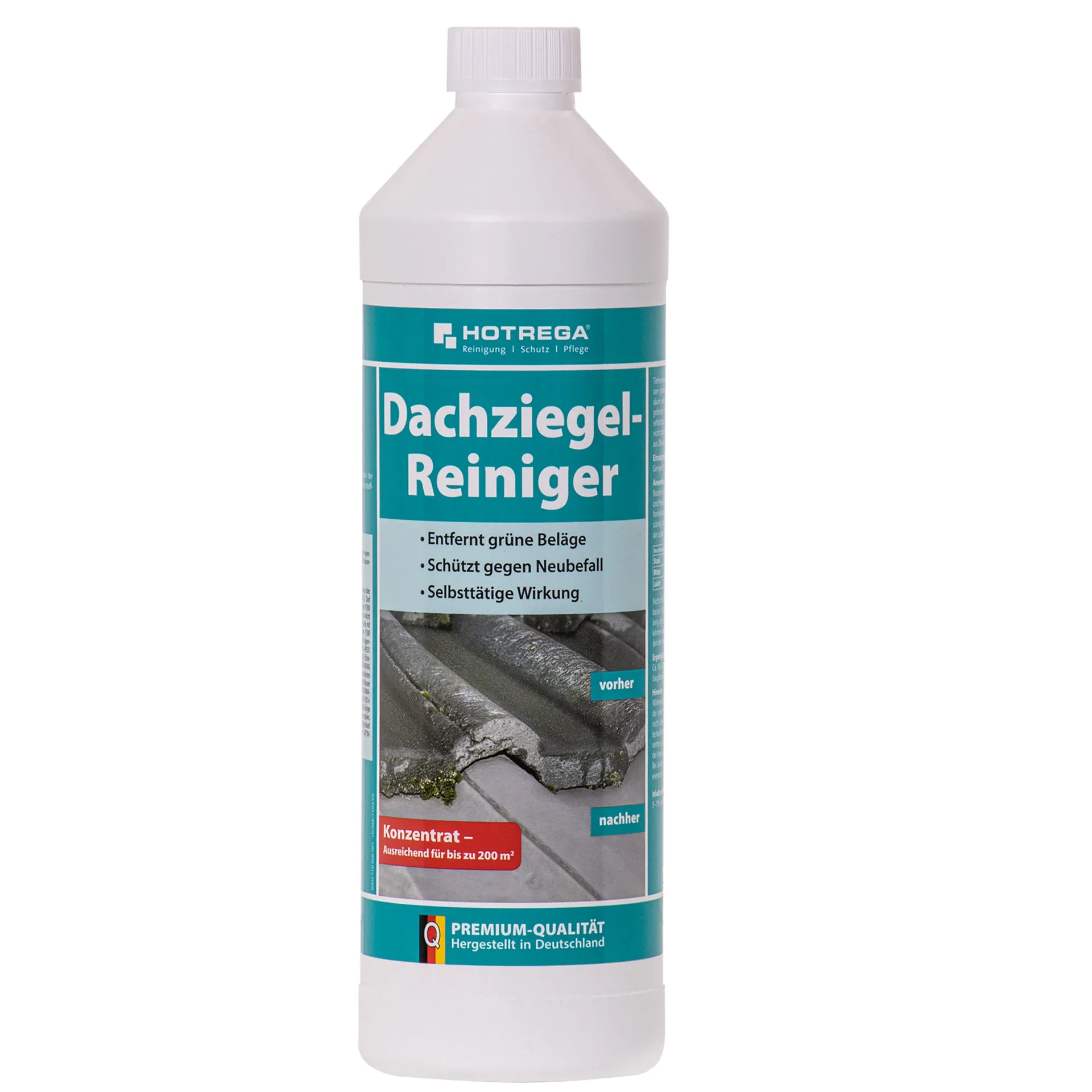
A clean roof lets water and snow slide off more easily, reducing how long they stay on the surface and lowering the risk of water getting in.
Additional advice
Before winter, make sure gutters and downspouts are clear of leaves. Clogged drains can cause water to back up and force water or melting snow beneath the roof covering. Find the right tools for the job in our Garden + Outdoor category.
Immediate action if you discover snow penetration
If you find snow under the tiles, act right away to prevent more serious moisture damage.
- Remove moisture: Thoroughly dry the affected area in the attic. Ventilate well to reduce humidity.
- Find the cause: From inside, try to identify the exact entry point. Look for drafts or damp, cold spots.
- Arrange professional repairs: Contact a roofer to properly repair the weak spot. Simply covering it from the outside is rarely enough.
Proper safety equipment is essential when working at heights. Remember to wear head protection and secure access points.
Many homeowners wait too long. A small, localized problem like a single loose tile is quick and inexpensive to fix. If you wait until moisture reaches the insulation, repair costs can skyrocket.
Long-term strategy for a safe roof
Your roof is your home’s most important protective layer. Keep it in good condition with regular care.
- Schedule regular professional inspections.
- Look after nearby trees: Trim large trees near the roof regularly to prevent damage from branches. Find ideas for low-maintenance planting with flower seeds.
- Budget for maintenance: Setting aside a little each year for roof care can help you avoid unexpected major repairs.
A watertight roof protects your home from snow and helps preserve its value and comfort through many winters.
Frequently Asked Questions
- How does snow get under roof shingles?
- During storms or high winds, snow can blow sideways against the roof. Wind can push fine snow crystals through even small gaps, such as beneath loose or damaged shingles or through a faulty roofing underlayment. Improper installation or normal wear and tear can also create weak spots.
- What damage can snow under the shingles cause?
- Meltwater can seep into the insulation and wooden roof structure. This can leave insulation damp and much less effective, cause mold on the underside of the roof and rafters, and, in the worst cases, lead to wood rot. Moisture also raises the risk of freeze-thaw damage to masonry.
- Can I repair or seal roof shingles myself?
- If you’re an experienced DIYer with the right safety equipment, you can fix minor damage, such as replacing a single loose shingle. However, hire a roofing professional to inspect the roof’s waterproofing, replace multiple shingles, or repair larger damaged areas. Working at heights is dangerous and requires specialized knowledge.
- How often should I check my roof for weak spots?
- Inspect your roof visually from inside the attic and outside at least twice a year, ideally in spring and fall. Check it again after any severe storm or heavy snowfall. A professional roof inspection every five to eight years can also uncover hidden problems.
- Are there products that help keep snow from getting under the roof?
- Yes. Replacement shingles and roofing underlayment are especially important. Roof cleaners can help maintain and clean the roof by removing moss and debris that can block water drainage. Protective covers or tarps can provide temporary protection if the roof starts leaking.