
In brief: In our 2026 sock comparison, we compare different models for everyday wear, sports and special requirements. The intended use is key: for everyday wear, cotton or cotton-blend socks such as the Klassik series offer ample comfort. Athletes need specialist performance socks with moisture management, while people with sensitive skin benefit from soft natural materials. Choose the right size and a good fit to prevent pressure points.
Socks Test & Comparison 2026: The Best Models Compared Directly
Are you looking for new socks and faced with a confusing choice? Our 2026 sock test and comparison brings clarity. We analyse different models for a range of needs and show you what really matters. Whether for everyday wear, sports or special requirements, the right choice depends on several factors.
In this comprehensive comparison, we look at materials, workmanship, fit and special features. You will learn which properties matter for your intended use and how to identify durable, comfortable socks. We focus on practical aspects that directly affect your wearing comfort.
Table of contents
- Materials compared: What are your socks made of?
- Fit and sizes: How to find the perfect sock
- Use cases tested: From everyday wear to sports
- Workmanship and durability: What to look out for
- Special requirements: Specialist socks reviewed
- Care and washing: How to keep your socks fresh for longer
- Buying advice: How to make the right choice
Materials compared: What are your socks made of?
The material has a major impact on the comfort and functionality of your socks. Cotton is a classic and offers good breathability. However, it absorbs moisture and dries slowly. For everyday wear, cotton blends with synthetic fibres such as elastane or polyamide are a better choice.
Merino wool is an excellent alternative. It regulates temperature, efficiently wicks moisture away from the skin and naturally resists odours. Athletes appreciate performance materials such as polyester or specialist blends that quickly wick away sweat and reduce blistering.
Take a closer look at different sock materials:
Tip: For everyday socks, look for a cotton content of at least 70% for good breathability. Around 5% elastane provides an optimal fit without feeling restrictive.
Natural vs. synthetic fibres
Natural fibres such as cotton, wool and bamboo feel pleasant against the skin. They are biodegradable and often gentler on sensitive skin. Synthetic fibres such as polyamide and polyester are durable and offer special performance properties. Smart blends that combine the benefits of both types are ideal.
Bamboo viscose is becoming increasingly popular. It is soft, naturally antibacterial and environmentally sustainable. However, it is less hard-wearing than cotton. Choose based on your intended use and comfort needs.
Fit and sizes: How to find the perfect sock
The right size is essential for wearing comfort. Socks that are too small pinch, restrict circulation and cause pressure points. Socks that are too large slip, crease and can cause blisters. Measure your foot length carefully and compare it with the manufacturer's size chart.
Most manufacturers use size ranges such as 39-42 or 43-46. If you are between sizes, it is better to choose the larger option. Pay particular attention to the fit around the heel and instep. A well-fitting sock has no excess material at the heel and does not feel tight across the top of the foot.
Warning: Do not wear socks with tight cuffs. They can impair circulation and leave uncomfortable marks. Modern socks use flat-knitted or specially woven cuffs for a secure fit without pressure.
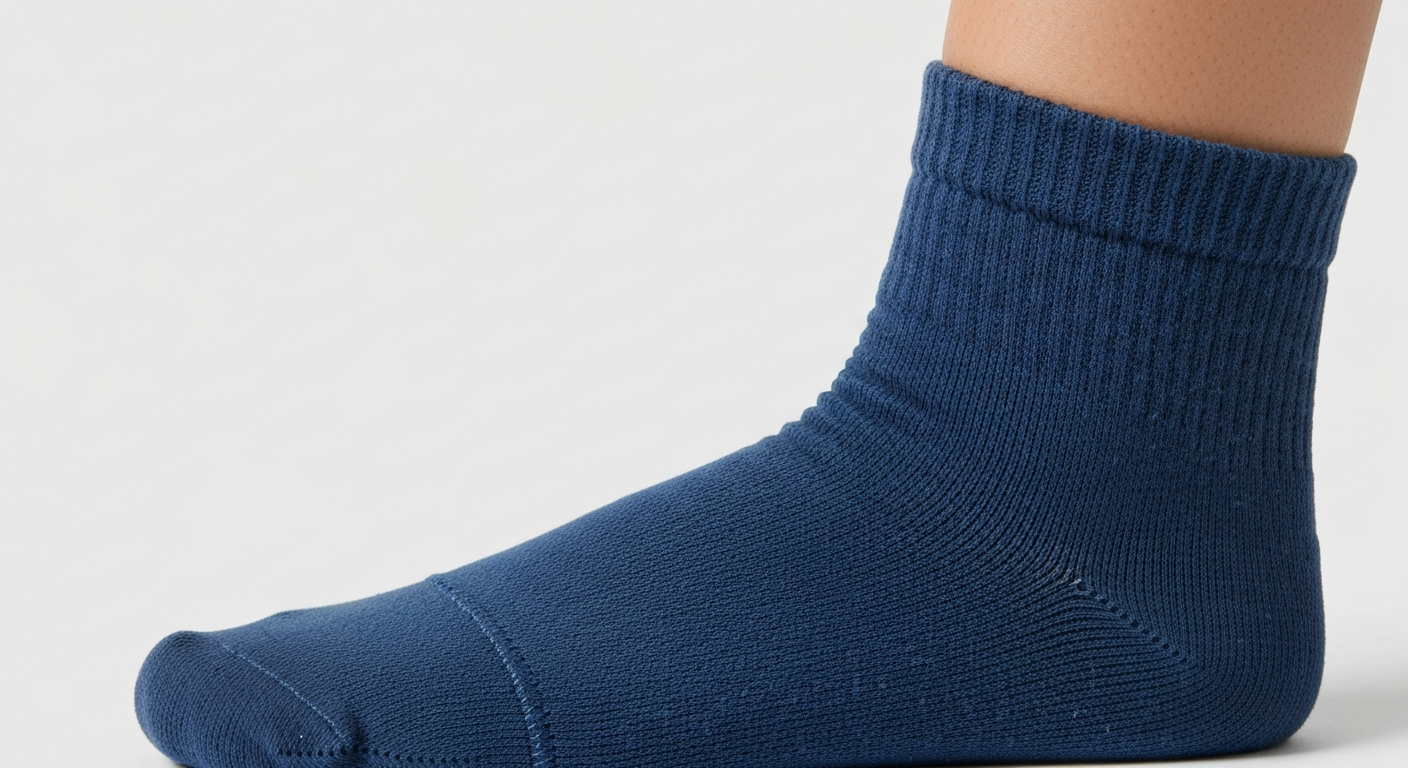
Size charts and measuring methods
Place a sheet of paper against a wall. Stand on it barefoot and mark the tip of your longest toe. Measure the distance from the wall to the mark. This value in centimetres is your foot length. Compare it with the manufacturer's chart, as sizing can vary.
Also consider the width of your foot. If your feet are particularly narrow or wide, it is worth looking for specialist fits. Some manufacturers offer models for different foot types. Always try socks on both feet, as they can often differ.
Use cases tested: From everyday wear to sports
Everyday socks such as the
or should above all be comfortable and durable. They see you through the working day, while shopping or at home. Important criteria include breathability, shape retention and a comfortable foot climate. The socks should not be too thick so they fit in different shoes.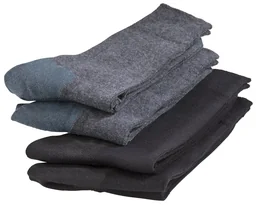
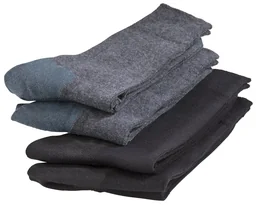
Sports socks have different requirements. They need reinforced cushioning zones at the heel and ball of the foot, fewer seams in critical areas and improved moisture management. Running socks are particularly thin and lightweight, while hiking socks offer more cushioning and stability. The fit must be completely slip-free during movement.
Business and casual socks
Thin, seamless socks in subtle colours are suitable for business shoes. They should not slip below the shoe edge and should be as discreet as possible. Casual socks can be slightly thicker and cosier. Design and colour play a greater role here, while performance features are somewhat less important.
Discover our selection of socks for different occasions. For special comfort requirements, the
is a good solution thanks to its soft material blend and comfortable fit.
Quality and durability: What to look for
High-quality workmanship can be recognised by clean, flat seams. The toe seam in particular should not press or chafe. Some models eliminate this seam completely using seamless technology. Reinforcements at the heel and ball of the foot significantly extend the socks' lifespan.
The quality of the cuffs is crucial. They should be elastic without losing their shape. Even after many washes, they should not become loose or dig into your skin. Look for double-woven or reinforced cuffs that last longer. The quality of the yarn also affects durability – high-quality yarns are less likely to tear.
Note: Turn socks inside out before washing. This protects the surface and reduces pilling. This simple measure is particularly effective at preserving the appearance of dark socks.
Quality features in detail
Check new socks systematically: Are all the seams neat and free of loose threads? How elastic are they – does the material immediately return to its original shape after stretching? Do the socks smell neutral or chemical? Does the material feel comfortable, even when worn for longer periods?
Test the socks in everyday use. Wear them for a full day and look out for pressure points, chafing or unpleasant moisture build-up. High-quality socks should still smell fresh and retain their shape after a day. You can tell good socks by how little you notice them.
Special requirements: A closer look at specialist socks
For sensitive skin or allergies, materials without chemical treatments are important. Untreated cotton, merino wool or silk are the best choices. Look for eco-certifications such as GOTS or Oeko-Tex Standard 100. These guarantee that the materials have been tested for harmful substances.
Hiking socks need specific properties: They must wick away moisture even on long hikes, stay in place and provide targeted cushioning without adding too much bulk. Ski socks are particularly high-cut and offer warmth while still providing good moisture regulation.
Compression and support socks
Compression socks apply measured pressure to the legs and feet. They can be useful during long journeys, for sports or for medical conditions. Seek specialist medical advice, as the level of compression must be carefully tailored. If used incorrectly, they can do more harm than good.
Everyday support socks are a lighter option. They provide gentle compression for greater comfort during activities that involve standing. The differences between regular socks, support stockings and medical compression stockings are fluid. Clarify your exact requirements before buying.
Care and washing: How to keep your socks fresh for longer
Wash socks at 40-60°C to effectively remove bacteria and fungi. Use a mild detergent for coloured laundry and avoid fabric softener. It coats the fibres like a film and reduces their absorbency. For white socks, you can occasionally use detergents containing bleach.
It is best to air-dry socks rather than using a tumble dryer. High heat damages the elastic fibres and causes socks to lose their shape more quickly. If you use a tumble dryer, select a low temperature setting. Most socks do not need ironing, and ironing can damage synthetic fibres.
Storage and organisation
Store socks sorted by type or colour. This makes it easy to find matching pairs. Avoid storing them in damp rooms such as bathrooms. A dry, well-ventilated wardrobe is ideal. Sock clips or special organisers prevent individual socks from getting lost.
Remove socks from your shoes immediately after wearing them. Air them briefly before putting them in the laundry basket. This reduces odour and keeps them fresher between washes. Change your socks every day, even if they appear clean.
Buying guide: How to make the right choice
First, define your main purpose. Do you need everyday socks, sports socks or specialist socks? For everyday use, cotton blends with around 5-10% elastane are recommended. Athletes should choose performance socks with moisture management and specialised cushioning.
Make sure you choose the right size. Measure your feet and compare the measurements with the manufacturer's size charts. If you are unsure, choose the larger option. Check the workmanship – flat seams, neat cuffs and no loose threads. You can recognise high-quality socks by the details.
The highest-rated socks in our range compared directly:
| Model | Customer rating | Availability |
|---|---|---|
| Classic Socks 2-Pack, anthracite, size 39/42 | – | Currently unavailable |
| Classic Socks 2-Pack, anthracite, size 47/50 | – | Currently unavailable |
| Classic Socks 2-Pack, black, size 39/42 | – | Currently unavailable |
| Classic Socks 2-Pack, anthracite, size 43/46 | – | Currently unavailable |
| Classic Socks 2-Pack, black, size 43/46 | – | Currently unavailable |
Take special requirements such as skin sensitivities or medical needs into account. You can find more suitable products in our Clothing section. You can also visit the Household category for complementary items.
Sustainability and environmental aspects
More and more manufacturers are focusing on sustainable materials and fair production. Organic cotton, recycled fibres and water-saving manufacturing processes are becoming increasingly important. Look for relevant certifications and transparent supply chains.
Durability is the best form of environmental protection. High-quality socks that last a long time create less waste and require fewer resources for replacement products. Invest in quality rather than quantity. Repair small holes early to extend their lifespan.
With this information, you can find the ideal socks for your needs. Consider the intended use, the right size and high-quality workmanship. Good socks are an investment in your everyday comfort and foot health.
Frequently Asked Questions
- How do I find the right sock size?
- Measure the length of your foot from the heel to your longest toe. Compare this measurement with the manufacturer's size chart. Socks should never be too small, as they can pinch and restrict circulation. Socks that are too large will bunch up and can cause blisters. If you are between sizes, choose the larger option.
- What is the best material for everyday socks?
- For everyday use, cotton blends containing around 5-10% elastane or polyamide are the best choice. This combination provides breathability, moisture absorption and the necessary stretch for a good fit. Pure cotton can stretch significantly and lose its shape. Merino wool is a premium alternative offering excellent temperature regulation.
- What is the difference between sports socks and regular socks?
- Sports socks feature specially designed zones with different levels of cushioning at the heel and ball of the foot, reduced seams in critical areas and improved moisture management thanks to technical fabrics. They provide targeted support and help prevent blisters during intense activity. The fit is usually closer to prevent the socks from slipping.
- How often should you wash socks?
- Wear socks only once before washing them. Even if they look clean, odours and bacteria can build up. Wash socks at 40-60°C to remove germs effectively. Use a mild detergent and avoid fabric softener, as it reduces the fibres' ability to absorb moisture.
- How can you recognise high-quality socks?
- Look for clean, flat seams, especially around the toes and the top edge. High-quality socks have reinforced areas at the heel and ball of the foot. The material should feel comfortable and not smell of chemicals. Good elasticity without tight, cutting-in bands and a precise fit are further signs of quality.